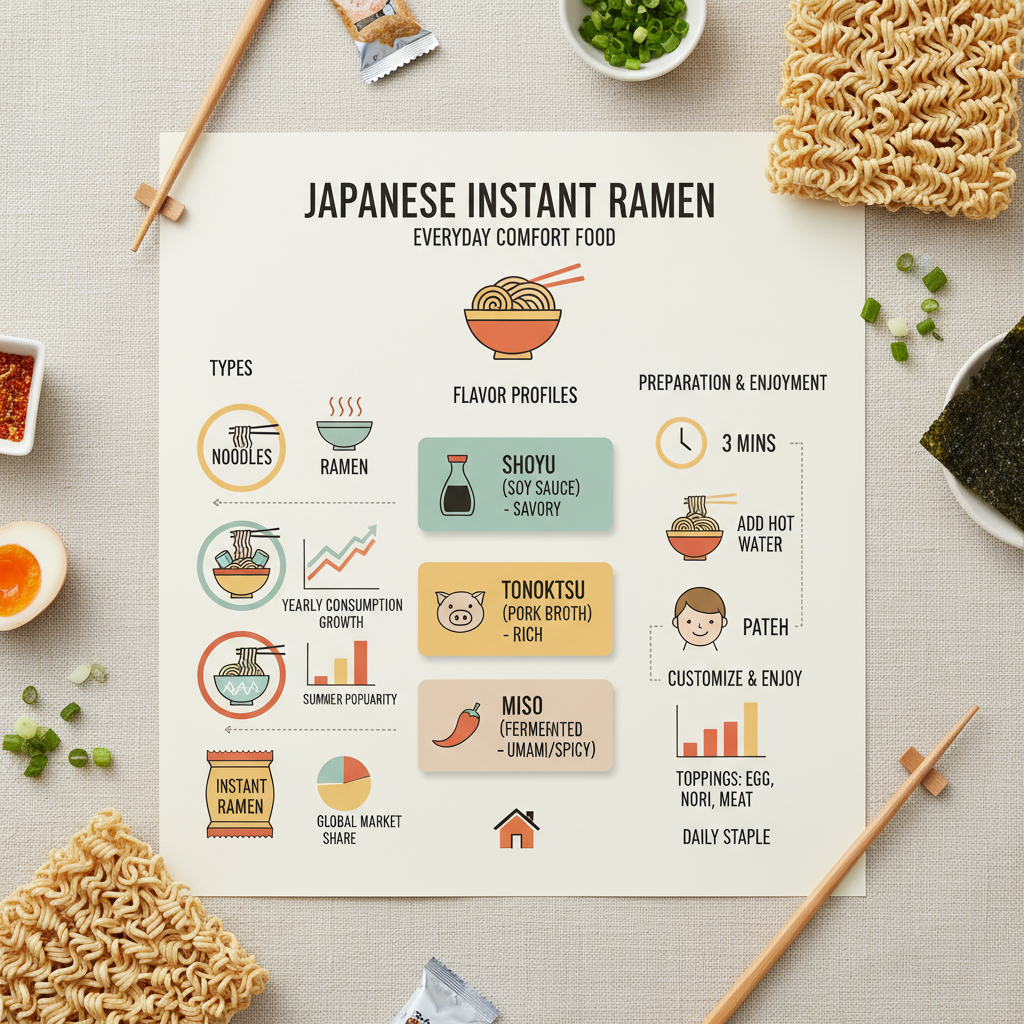
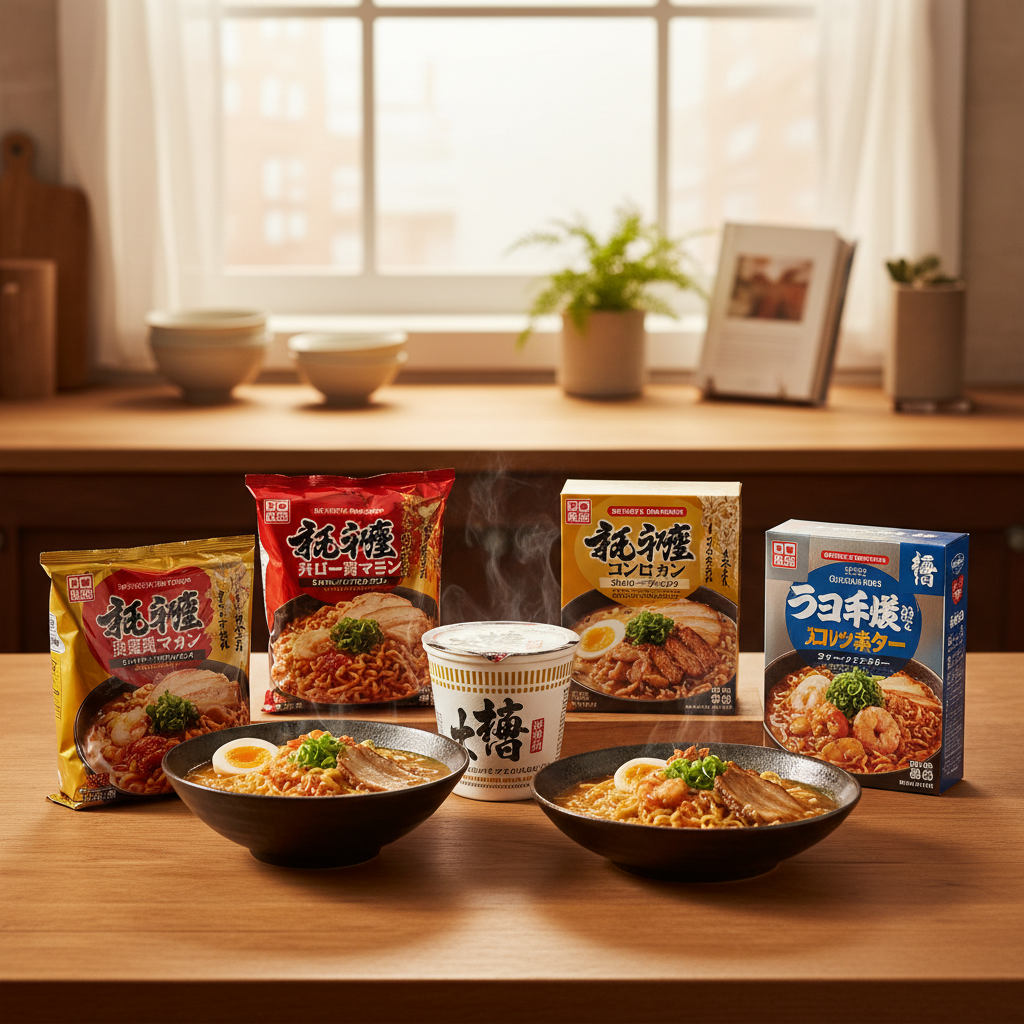
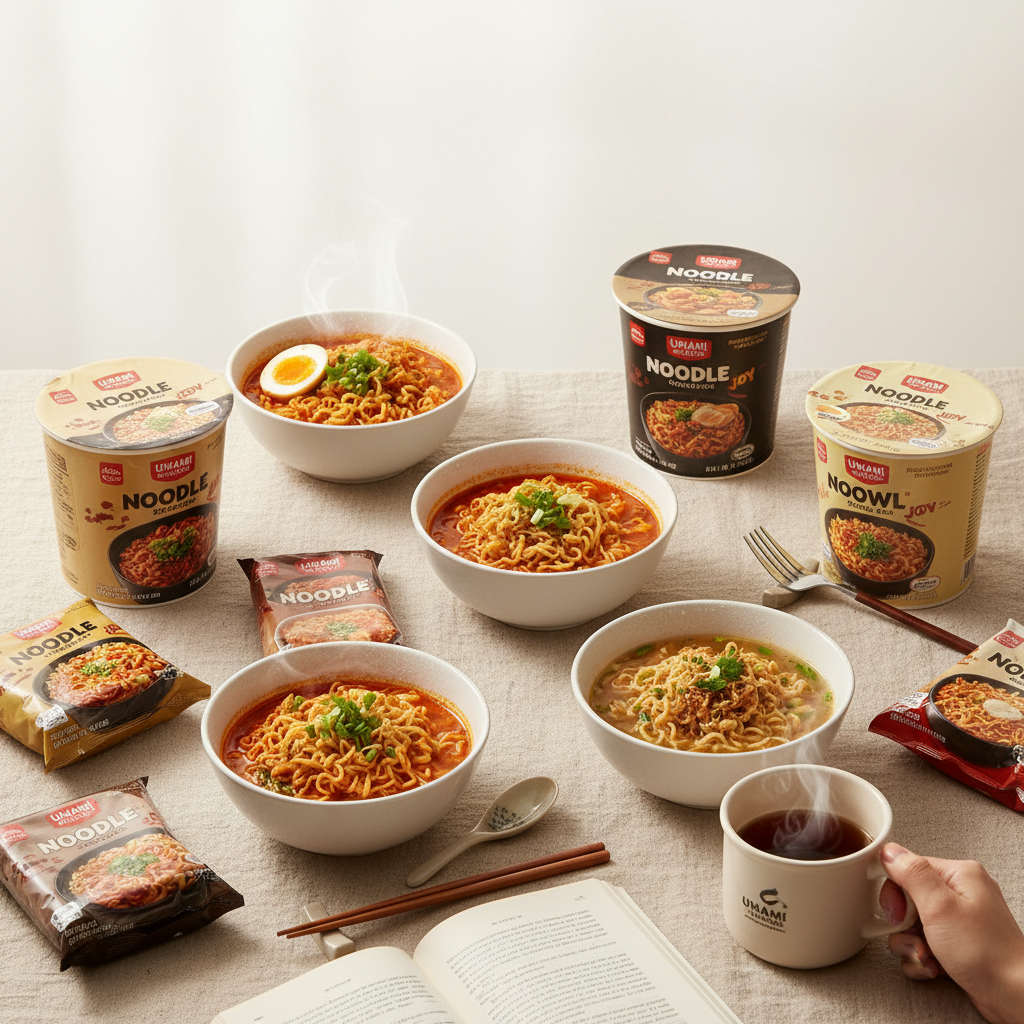
Japanese instant ramen. It's more than just a quick meal; it's a testament to food technology and a global staple. From its humble beginnings post-World War II, driven by a need for affordable food security in Japan, it’s grown into a multi-billion dollar industry enjoyed across continents. I’ve seen this stuff everywhere, from construction sites in remote areas where a hot meal is a luxury to disaster relief zones where it's a lifeline. It's not glamorous, but it’s fundamentally important. Understanding the evolution and impact of japanese instant ramen tells you a lot about resilience, innovation, and solving real-world problems.
What struck me early on in my career, spending so much time on-site, is how readily available and accepted this product is in challenging environments. It’s not just about convenience; it's about providing a sense of normalcy and familiarity when everything else is chaotic. I've seen crews rally after a long day fueled by a bowl of ramen, and I’ve handed it out to folks who hadn't had a warm meal in days after a natural disaster. It’s a simple thing, but the impact is huge. That’s why I’ve always been fascinated by the underlying logistics and production behind it all.
For me, it’s less about the flavor profiles (though those are important!) and more about the engineering that makes it possible. The shelf life, the portability, the affordability - these aren't accidents. They’re the result of decades of refinement and a commitment to creating a product that genuinely serves a purpose. Japanese instant ramen represents a clever, efficient solution to feeding a large population quickly and reliably, and that principle applies to a lot of what I do in product development.
The Global Significance of japanese instant ramen
According to the World Instant Noodle Association, over 100 billion servings of instant noodles are consumed globally each year. That’s a staggering number, especially when you consider the diverse economic conditions of the countries consuming them. From developed nations looking for a quick lunch to developing countries where it serves as a vital source of calories, japanese instant ramen crosses cultural and socioeconomic boundaries. The UN’s World Food Programme frequently utilizes shelf-stable food items, including instant noodles, in emergency food aid, highlighting its critical role in addressing global food security. It's not just a snack; it's part of the global food system.
The challenge we face isn’t necessarily increasing production, but ensuring sustainable practices and addressing nutritional concerns. As demand grows, we need to focus on reducing the environmental impact of packaging and exploring options for fortified noodles that provide essential vitamins and minerals. It’s about meeting the need while also considering the long-term consequences. I’ve seen firsthand the problems created by plastic waste in areas where instant ramen is heavily consumed, and it’s a problem that needs to be tackled head-on.
Defining japanese instant ramen
At its core, japanese instant ramen is a noodle soup pre-cooked, dried, and packaged with seasoning. It's designed for rapid preparation – usually just adding hot water – making it incredibly convenient. But it’s evolved far beyond simple noodles and flavoring packets. The process involves frying or flash-frying the noodles to remove moisture, extending their shelf life significantly. This is where the real technology comes into play: controlling the moisture content, optimizing the frying process, and ensuring the noodles maintain their texture and flavor.
Its connection to modern industry is pretty straightforward. It exemplifies efficient food production, supply chain management, and effective packaging. The entire process is optimized for speed and scalability. In humanitarian contexts, it provides a reliable and relatively inexpensive source of calories, particularly in situations where cooking facilities are limited or nonexistent. That immediate usability is a huge factor.
From a product management standpoint, japanese instant ramen is a masterclass in understanding consumer needs and delivering a practical solution. It’s not about creating a gourmet experience; it’s about providing a dependable, affordable, and accessible meal. And it does that exceptionally well.
Key Factors in japanese instant ramen Production
Durability is paramount. These noodles need to withstand significant handling, transport, and storage conditions. The packaging has to protect against moisture, physical damage, and temperature fluctuations. I’ve seen pallets of ramen sitting in sweltering warehouses and freezing shipping containers, and they need to hold up under those conditions. It's about building resilience into the product from the start.
Scalability is another huge factor. The demand is so high that production needs to be ramped up quickly and efficiently to meet global needs. This requires optimized manufacturing processes, efficient supply chains, and a network of distributors capable of reaching diverse markets. It’s a massive logistical undertaking, and the companies that excel at it are the ones that thrive.
Cost-efficiency is obviously critical. It’s not about being cheap; it’s about maximizing value. The product needs to be affordable for a wide range of consumers, especially in developing countries. This requires careful sourcing of ingredients, streamlined production processes, and efficient distribution networks. And it also requires a constant push for innovation to reduce costs without compromising quality.
Global Applications and Use Cases
In post-disaster relief operations, japanese instant ramen is often one of the first food items delivered to affected areas. Its long shelf life and ease of preparation make it ideal for providing immediate sustenance to those in need. I've personally been involved in distributing ramen after earthquakes and floods, and it's incredibly rewarding to see the relief on people's faces when you hand them a hot meal.
In remote industrial zones – think construction sites, mining operations, or oil rigs – it provides a convenient and affordable meal option for workers who may have limited access to cooking facilities. It’s a reliable source of energy and helps keep morale high. I’ve spent months on sites where ramen was a staple, and it’s a lifesaver when you're working long hours in challenging conditions.
Beyond emergency situations and industrial settings, it’s a common household staple in many parts of the world, particularly in Asia. It’s a quick and easy meal for busy families or students on a budget. It’s a culturally ingrained part of the food landscape, and its popularity continues to grow.
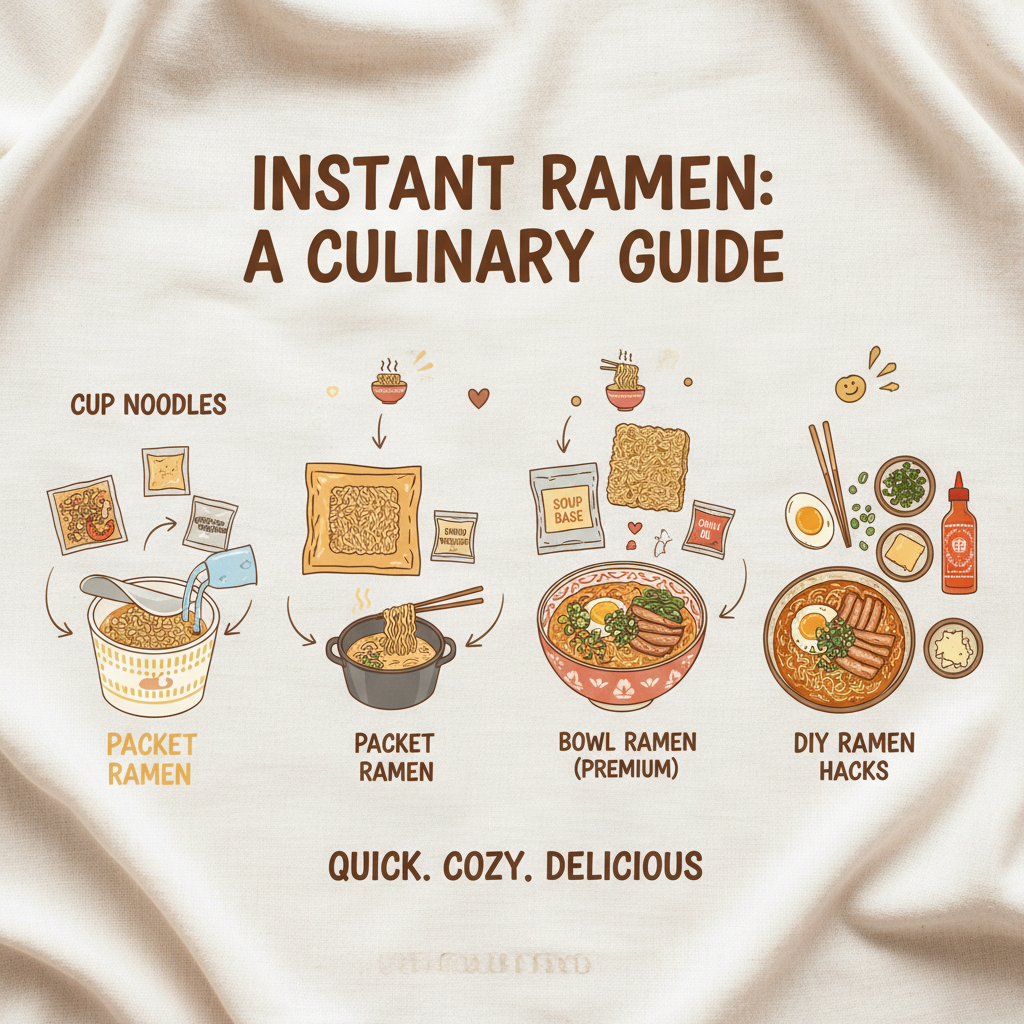
japanese instant ramen Consumption by Preparation Method
Advantages and Long-Term Value
The cost savings are substantial. Compared to preparing a meal from scratch, japanese instant ramen is significantly cheaper, particularly when factoring in time and energy costs. This is a major benefit for low-income families and individuals. It’s a practical solution to a real-world problem: providing affordable nutrition.
From a sustainability perspective, the industry is increasingly focused on reducing its environmental impact. Companies are exploring biodegradable packaging materials and implementing more efficient production processes. The emotional impact – providing comfort and nourishment during times of crisis – is often overlooked, but it’s a powerful testament to the product’s value.
Future Trends and Innovations
We're seeing a growing trend towards healthier options, with companies developing noodles made from whole grains or incorporating more vegetables and protein. There's also a push for more sustainable packaging solutions, such as biodegradable or compostable materials. I’ve been talking to suppliers who are experimenting with plant-based packaging, and it’s promising.
Digital transformation is also playing a role, with companies using data analytics to optimize production processes and personalize product offerings. Automation is increasing efficiency and reducing labor costs. And the integration of blockchain technology could improve traceability and ensure food safety. I think we’ll see a lot of innovation in the coming years.
The rise of personalized nutrition will also likely influence the development of japanese instant ramen, with customized flavorings and nutrient profiles tailored to individual needs.
Challenges and Solutions
One of the biggest challenges is reducing the sodium content in instant noodles without compromising flavor. Consumers are becoming increasingly health-conscious, and reducing sodium is crucial for addressing this concern. I’ve seen companies experimenting with different seasoning blends and flavor enhancers to achieve this.
Another challenge is addressing the environmental impact of packaging. Plastic waste is a major problem, and finding sustainable alternatives is essential. The solution lies in investing in research and development of biodegradable or compostable materials, as well as promoting recycling initiatives.
Finally, ensuring ethical sourcing of ingredients is becoming increasingly important. Consumers want to know that the products they buy are made responsibly and that workers are treated fairly. Transparency and traceability are key to addressing this challenge.
Summary of Challenges and Potential Solutions for japanese instant ramen Production
| Challenge Area |
Current Impact Level (1-10) |
Potential Solution |
Implementation Cost (Low/Medium/High) |
| High Sodium Content |
8 |
Flavor Enhancement with Natural Ingredients |
Medium |
| Plastic Packaging Waste |
9 |
Development of Biodegradable Packaging |
High |
| Ingredient Sourcing Ethics |
6 |
Traceability & Fair Trade Certification |
Medium |
| Nutritional Value |
7 |
Fortification with Vitamins & Minerals |
Low |
| Supply Chain Vulnerability |
5 |
Diversification of Suppliers |
Medium |
| Consumer Perception of Quality |
4 |
Premiumization with Higher Quality Ingredients |
High |
FAQS
japanese instant ramen’s resilience comes from its incredibly long shelf life, achieved through the frying process that removes moisture. This allows it to withstand harsh storage conditions and long transport times without spoiling. Its lightweight nature also makes it easy to transport in bulk, making it ideal for disaster relief and remote locations. Plus, the minimal need for cooking facilities simplifies preparation in emergency situations. It’s a reliable source of calories when other food options are unavailable.
The biggest environmental impact stems from packaging, particularly the use of plastic. The production process itself also requires significant energy and water. However, the industry is actively seeking solutions, including the development of biodegradable packaging materials, more efficient production methods, and waste reduction strategies. The focus is shifting towards creating a more sustainable supply chain and reducing the overall carbon footprint of production.
Companies are exploring several strategies to reduce sodium levels without sacrificing flavor. These include using natural flavor enhancers, experimenting with different seasoning blends, and developing innovative processing techniques. Some brands are also offering lower-sodium options specifically targeted at health-conscious consumers. The goal is to provide a healthier product while still maintaining the taste and convenience that consumers expect.
Generally, japanese instant ramen isn’t a nutritionally complete meal on its own. It primarily provides carbohydrates and some fat, but often lacks sufficient protein, vitamins, and minerals. Many consumers supplement their ramen with additional ingredients like eggs, vegetables, or meat to create a more balanced meal. Fortified versions of instant ramen are also emerging, offering increased nutritional value.
The quality can vary significantly between brands, depending on the ingredients used, the production processes, and the level of quality control. Premium brands often use higher-quality noodles and more natural seasonings, resulting in a better taste and texture. Cheaper brands may use lower-quality ingredients and more artificial additives. Reading the ingredient list and looking for certifications can help consumers make informed choices.
Expect to see a surge in plant-based instant ramen options, catering to the growing demand for vegan and vegetarian foods. Sustainable packaging will become increasingly prevalent. We'll also likely see more personalized ramen experiences, with customizable flavorings and nutritional profiles. Automation and AI will play a larger role in optimizing production and supply chains, leading to greater efficiency and lower costs. Overall, innovation will center around health, sustainability, and convenience.
Conclusion
Japanese instant ramen is a remarkable product—a testament to ingenuity, affordability, and resilience. It’s more than just a convenient meal; it’s a vital food source for millions, a symbol of comfort in times of crisis, and a fascinating case study in supply chain management. From its origins in post-war Japan to its current global ubiquity, it’s a story of continuous innovation and adaptation.
Looking ahead, the future of japanese instant ramen lies in sustainability, nutritional enhancement, and personalization. By embracing these trends, the industry can continue to meet the evolving needs of consumers while minimizing its environmental impact. To learn more about the innovation and quality that define exceptional japanese instant ramen, visit our website: japanese instant ramen.