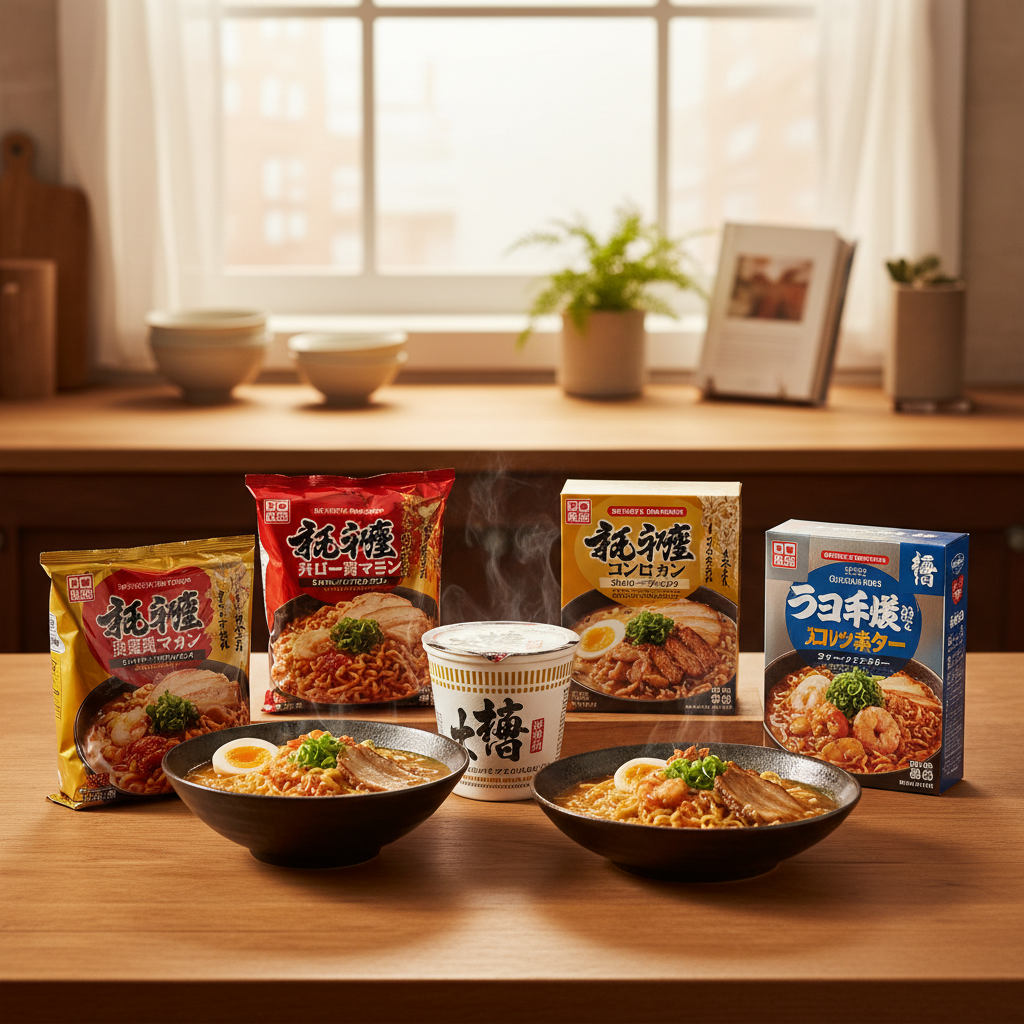
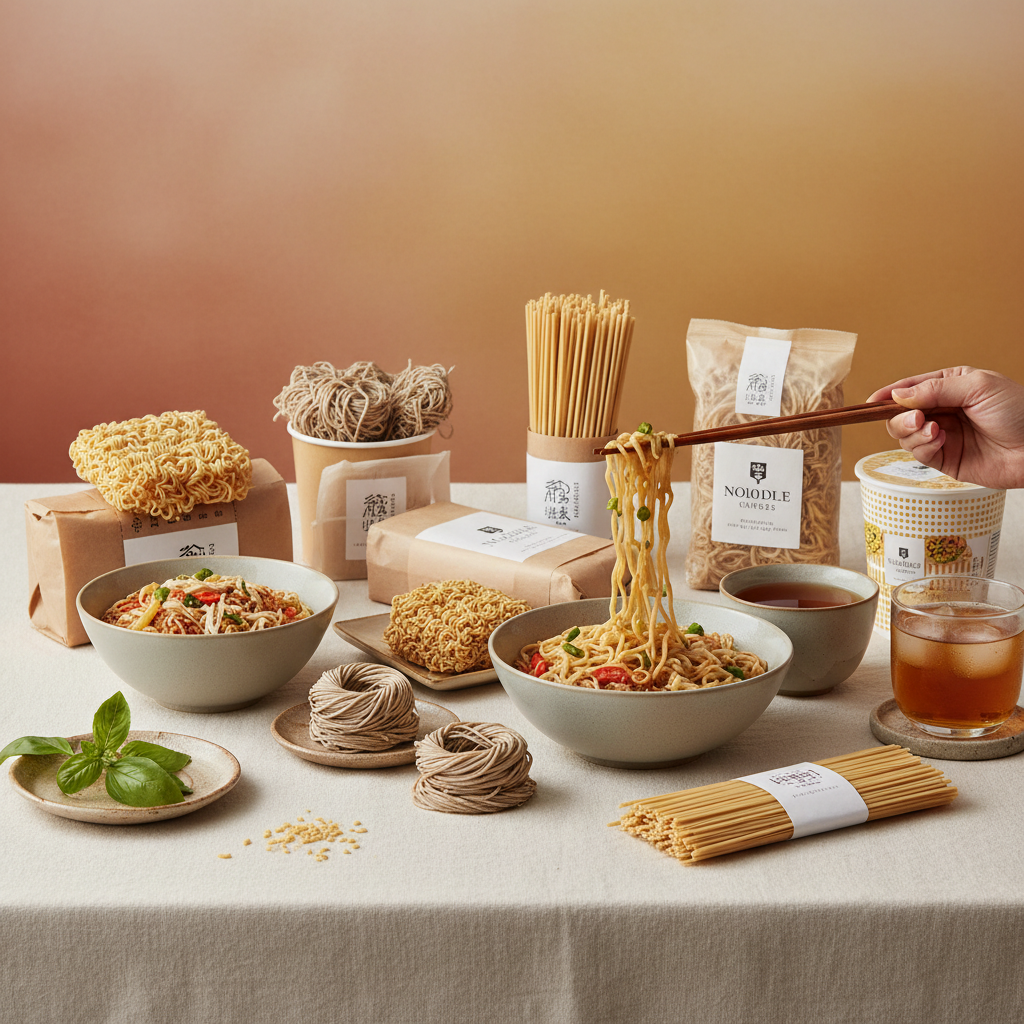
Instant ramen types have become a global culinary phenomenon, transcending cultural boundaries and offering a quick, affordable, and convenient meal option. From humble beginnings as a post-war food security measure in Japan, they have evolved into a diverse range of flavors and styles catering to a global palate. Understanding the nuances of instant ramen types—their production, nutritional content, cultural significance, and recent innovations—is increasingly relevant in today’s fast-paced world.
The global instant ramen market is a multi-billion dollar industry, with significant consumption in Asia, Europe, and the Americas. According to the World Instant Noodle Association (WINA), over 103.78 billion servings were consumed globally in 2022. This highlights the critical role instant ramen plays in feeding a growing population, especially in areas with limited access to fresh ingredients or time-constrained lifestyles. However, the industry faces challenges related to sustainability, health concerns, and consumer demand for premium quality.
The accessibility and affordability of instant ramen types have made them a staple food for students, busy professionals, and individuals on a budget. They represent a significant part of many countries’ food culture and provide a convenient and satisfying meal option in diverse settings. This understanding of its practical applications is paramount in appreciating its global impact. You can find more information about instant ramen types and their varieties.
The Global Impact of instant ramen types
The proliferation of instant ramen types across the globe is a testament to its adaptability and affordability. Originally conceived as a solution to food shortages in post-war Japan, it quickly gained popularity for its convenience and low cost. This initial success paved the way for its expansion into international markets, where it has become a staple in numerous cuisines.
Today, instant ramen types represent a significant portion of the global noodle market, influencing eating habits and culinary trends worldwide. From the spicy flavors of Korean ramen to the savory broths of Japanese varieties, the diversity of instant ramen types reflects the cultural preferences of its consumers.
Defining instant ramen types
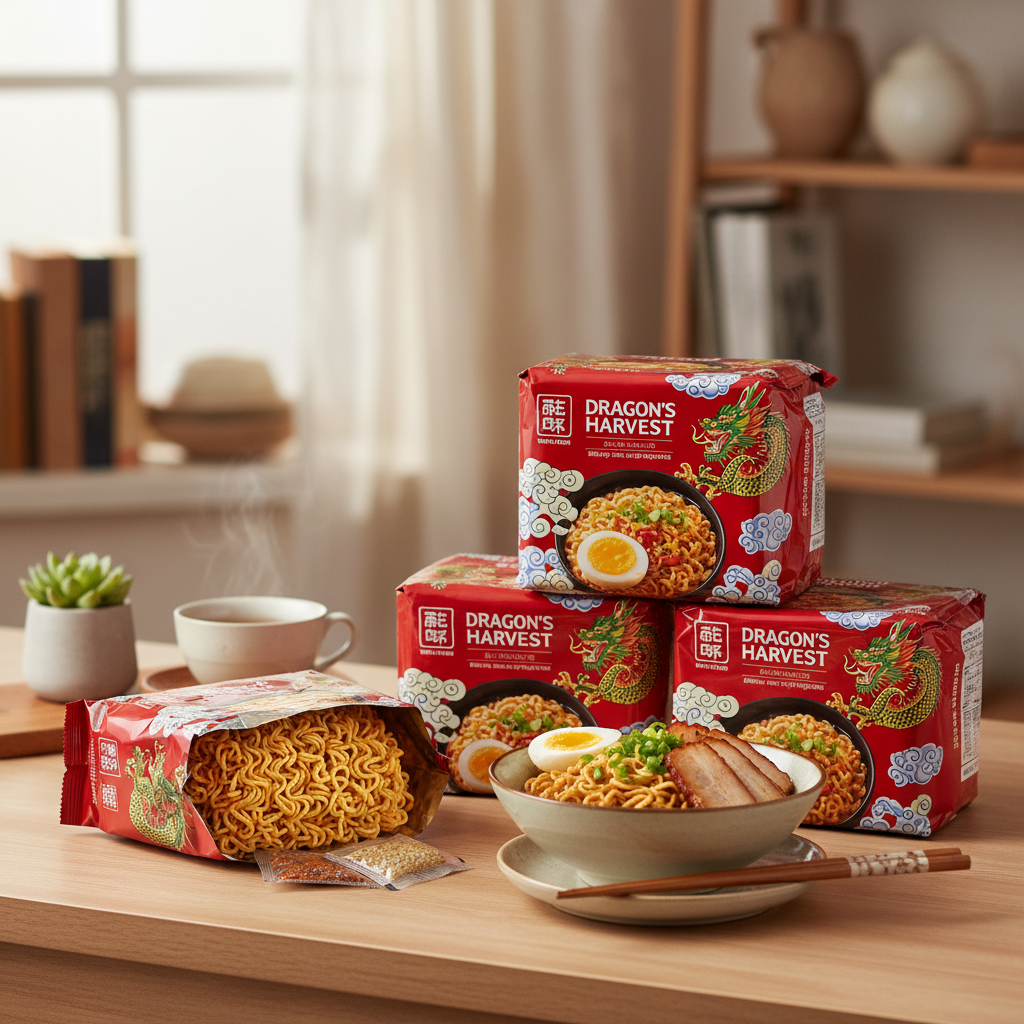
Instant ramen types are pre-cooked, dehydrated or freeze-dried noodle blocks, typically packaged with a seasoning packet containing flavorings and sometimes dried vegetables or meat. The key characteristic is their ability to be quickly prepared by simply adding hot water, making them an incredibly convenient meal option. They are distinct from other noodle dishes in their processing and preparation method.
The development of instant ramen types revolutionized the food industry, providing a shelf-stable, easy-to-transport, and readily available food source. This is particularly crucial in situations where access to fresh food is limited, such as during natural disasters or in remote locations.
Furthermore, the rise of instant ramen types demonstrates a shift towards convenient food solutions catering to modern lifestyles. It connects directly to the needs of a growing global population with increasing demands on their time and resources.
Core Components of instant ramen types
Several key factors contribute to the success and widespread adoption of instant ramen types. These include Durability, with the long shelf life allowing for easy storage and transport. Cost-Effectiveness is another key component, making it accessible to a wide range of consumers.
Convenience is perhaps the most significant aspect, allowing for quick preparation with minimal effort. Flavor Variety caters to diverse palates, offering a vast range of seasoning options. And finally, Scalability of production allows manufacturers to meet the enormous global demand.
These components work in synergy to create a product that is both practical and appealing. The ability to customize flavors and adapt to local preferences further enhances its global appeal. Understanding these core components is crucial for innovation and future development within the industry.
Global Applications and Use Cases
Instant ramen types find application in diverse scenarios, extending far beyond simple meal consumption. In post-disaster relief operations, they serve as a crucial source of sustenance for affected populations, offering a readily available and easily transportable food supply. They're also vital in military rations, providing lightweight and nutritious meals for soldiers in the field.
In remote industrial zones and construction sites, where access to cooking facilities is limited, instant ramen types offer a convenient and affordable meal solution for workers. They are also popular amongst students and budget-conscious individuals in urban areas, representing a quick and accessible meal option.
Furthermore, instant ramen types have become integrated into various culinary traditions, inspiring creative dishes and fusion cuisine. Across Asia, particularly in countries like South Korea and Thailand, chefs incorporate instant ramen into more elaborate meals, showcasing its versatility.
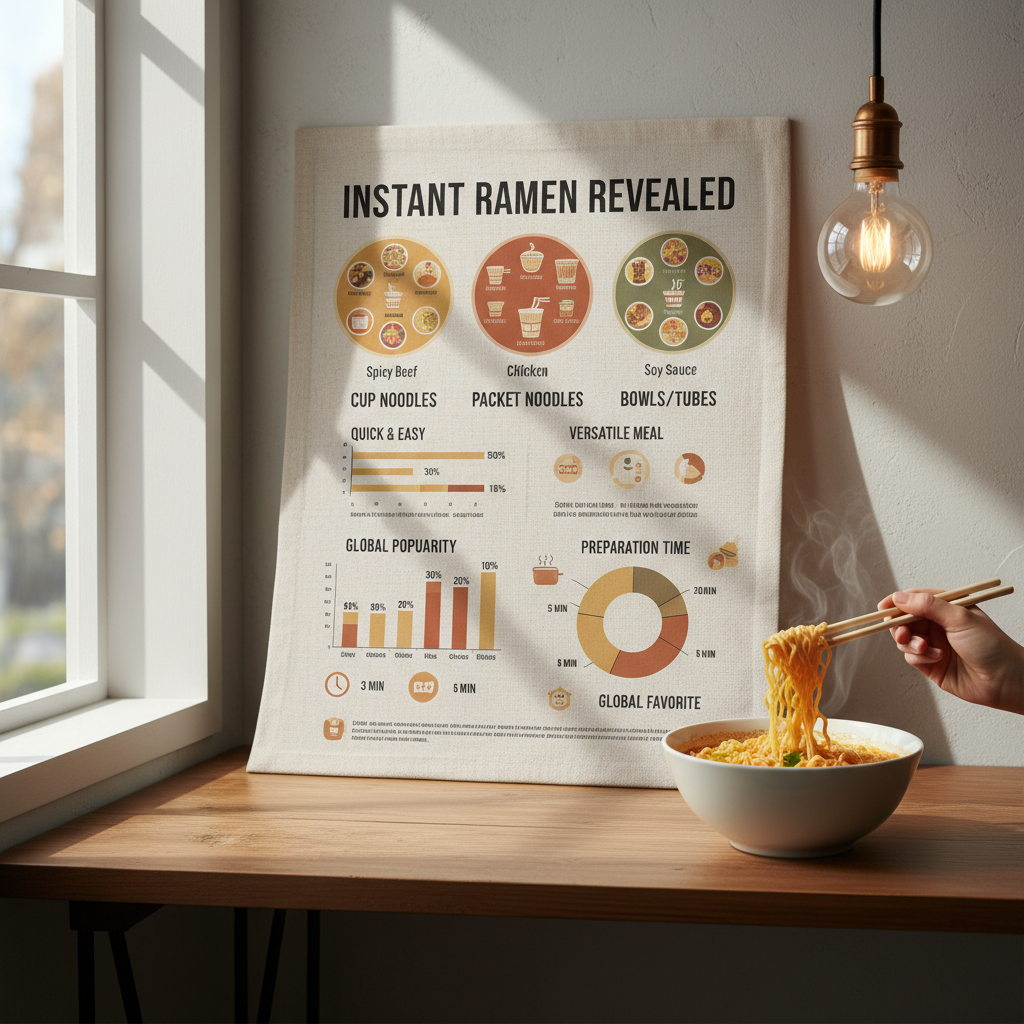
Instant Ramen Types Flavor Profile Preference
Advantages and Long-Term Value
The advantages of instant ramen types extend beyond mere convenience. The cost-efficiency of the product provides food security for vulnerable populations. It also reduces food waste as it has a long shelf life compared to fresh alternatives. These practical benefits translate into tangible economic and social advantages.
From a societal standpoint, instant ramen types contribute to food accessibility, especially in areas with limited infrastructure. The emotional value of having a readily available meal during times of stress or hardship cannot be overstated. Culturally, the diverse flavors and adaptation to local tastes foster a sense of connection and inclusivity.
Future Trends and Innovations
The future of instant ramen types lies in sustainability and innovation. Manufacturers are increasingly exploring eco-friendly packaging materials and reducing their carbon footprint. There is also a growing trend towards healthier options, with lower sodium content and the inclusion of more nutritious ingredients.
Digital technologies are also playing a role, with personalized flavor options and online ordering platforms gaining popularity. Automation in production processes promises to increase efficiency and reduce costs. The ongoing quest for enhanced flavor profiles and innovative textures will continue to drive the evolution of instant ramen types.
Challenges and Solutions
Despite its many advantages, the instant ramen types industry faces challenges related to its perceived health impact and environmental sustainability. High sodium content and the use of processed ingredients are concerns for health-conscious consumers. Packaging waste is also a significant environmental issue.
Solutions include developing healthier formulations with reduced sodium and increased nutritional value. Investing in biodegradable or compostable packaging materials is crucial. Promoting responsible consumption and educating consumers about mindful eating habits can also mitigate negative impacts.
Furthermore, innovative technologies like plant-based protein sources and sustainable farming practices can contribute to a more responsible and environmentally friendly instant ramen types industry.
Summary of Instant Ramen Types Sustainability Efforts
| Packaging Material |
Sodium Content Reduction |
Ingredient Sourcing |
Carbon Footprint |
| Traditional Plastic |
High (2000mg+) |
Mass-produced, Global |
High (Transportation) |
| Recycled Plastic |
Moderate (1800mg) |
Regional, Some Local |
Moderate |
| Biodegradable Polymers |
Reduced (1500mg) |
Sustainable Farms |
Lower |
| Compostable Materials |
Low (1200mg) |
Organic, Local |
Lowest |
| Paper-Based Packaging |
Moderate (1700mg) |
Fair Trade Certified |
Moderate |
| Algae-Based Packaging |
Very Low (800mg) |
Renewable Resources |
Very Low |
FAQS
The primary health concerns with instant ramen types revolve around their high sodium content, which can contribute to hypertension and cardiovascular issues. They often lack essential nutrients, offering limited nutritional value beyond carbohydrates and fat. Some varieties may also contain additives and preservatives. However, brands are increasingly offering healthier options with reduced sodium and enhanced nutritional profiles.
Yes, more brands are prioritizing sustainability. Look for instant ramen types packaged in recycled materials, biodegradable polymers, or compostable packaging. Some companies are also focusing on sourcing ingredients from sustainable farms and reducing their carbon footprint through efficient transportation methods. Checking for certifications like Fair Trade can also help ensure ethical sourcing.
Generally, instant ramen types are lower in nutritional value compared to freshly prepared noodle dishes that include vegetables, protein, and whole grains. They typically offer fewer vitamins, minerals, and fiber. However, adding your own ingredients – like frozen vegetables or a hard-boiled egg – can significantly boost the nutritional content of an instant ramen meal.
Most instant ramen types have a shelf life of approximately 6-12 months from the date of manufacture. This is due to the dehydration and packaging process, which inhibits bacterial growth. However, it’s always best to check the expiration date on the package and discard any product that is past its prime. Proper storage in a cool, dry place is crucial for maintaining its quality.
Absolutely! Customizing is a great way to improve the nutritional value of instant ramen. Adding protein sources like eggs, tofu, or chicken increases satiety and provides essential amino acids. Incorporating vegetables (frozen or fresh) boosts vitamin and fiber intake. Reducing the amount of seasoning packet used can lower sodium consumption.
Yes, significant regional differences exist. Japanese instant ramen often features lighter, soy sauce-based broths, while Korean varieties tend to be spicier and bolder. Southeast Asian instant ramen often incorporates unique flavorings like chili, lemongrass, and fish sauce. These variations reflect local culinary preferences and ingredient availability.
Conclusion
In conclusion, instant ramen types represent a global phenomenon with profound implications for food security, convenience, and culinary innovation. Understanding its historical development, core components, and diverse applications allows for a more informed appreciation of its impact on our world. While challenges related to health and sustainability remain, ongoing innovations are paving the way for a more responsible and nutritious future for this ubiquitous food staple.
Looking ahead, continued research and development are essential to address the evolving needs of consumers and promote sustainable practices within the instant ramen types industry. By embracing eco-friendly packaging, healthier formulations, and ethical sourcing, manufacturers can ensure that instant ramen types continue to be a valuable and accessible food source for generations to come. For more information, and to explore the wide variety of available options, visit our website: www.jxsemidrynoodles.com