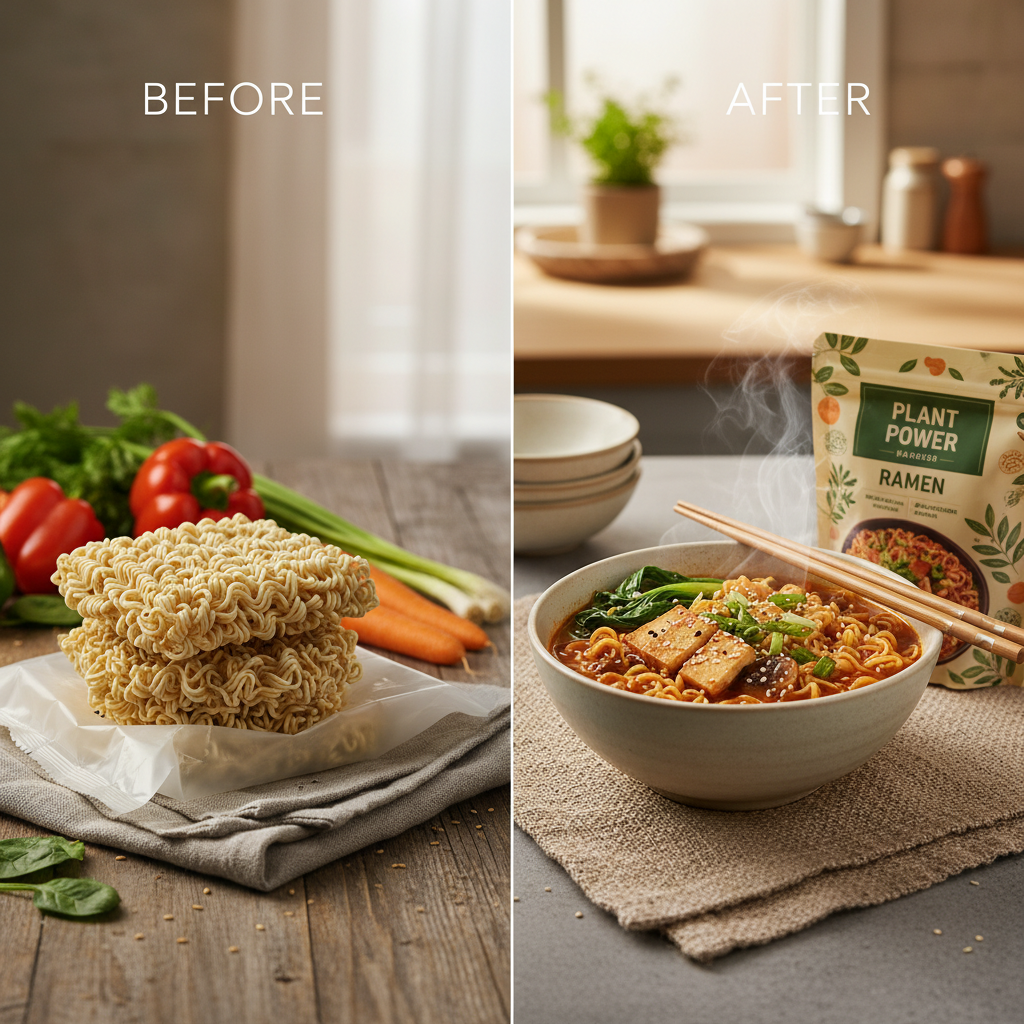
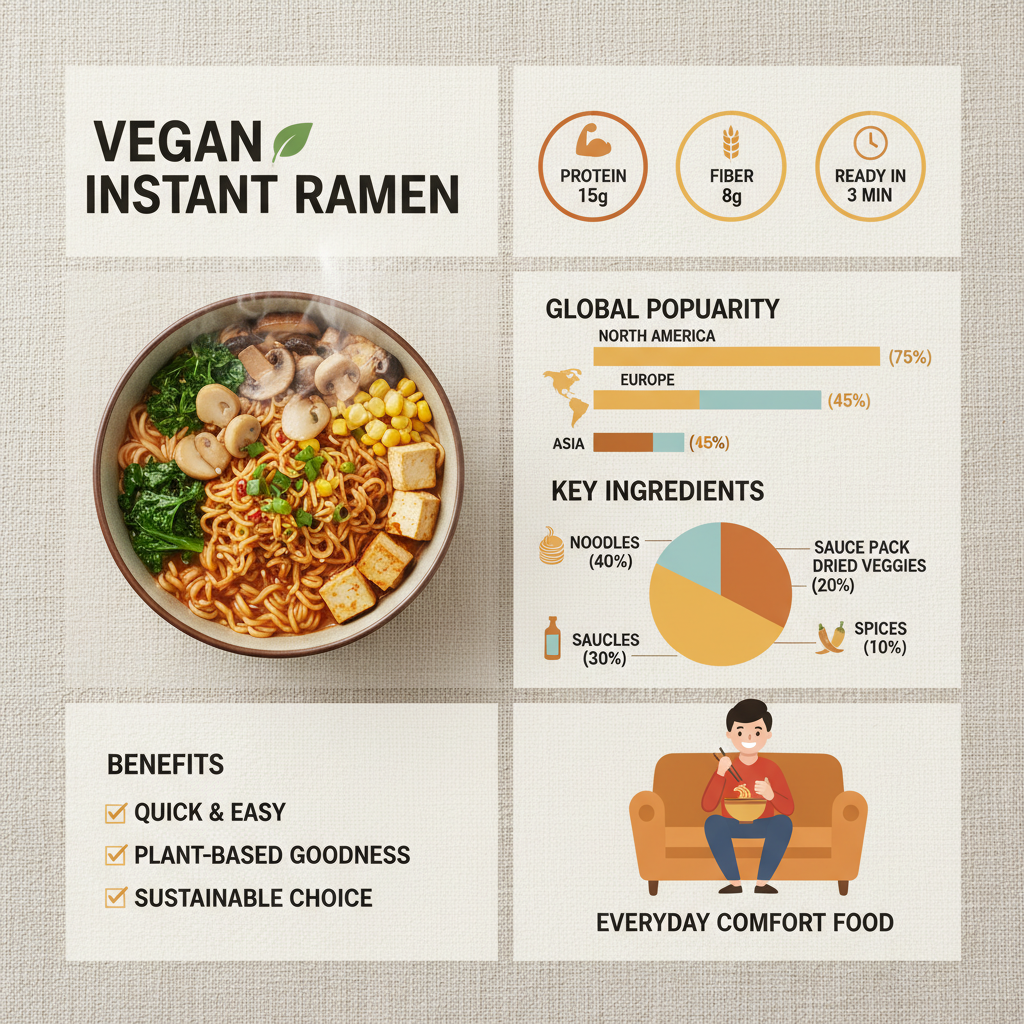
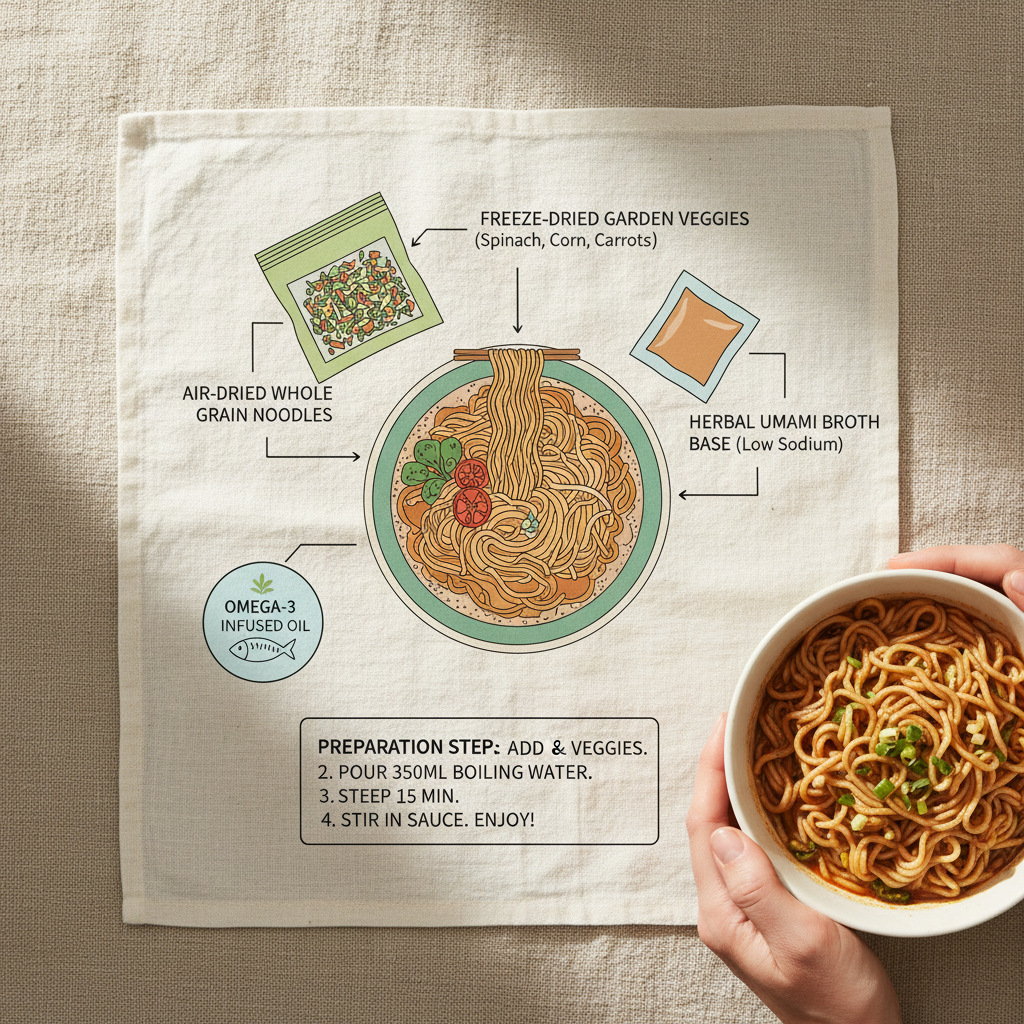
Vegan instant ramen. It’s more than just a quick meal; it’s a solution, a lifeline, and increasingly, a cornerstone of accessible nutrition worldwide. For years, instant noodles have been a staple for students, travelers, and anyone needing a fast, affordable bite. But traditional options often fall short when it comes to dietary needs, particularly for those following a plant-based lifestyle. That's where vegan instant ramen steps in – offering convenience without compromise, and addressing a growing demand for ethical and sustainable food choices. We're seeing a massive shift in consumer behavior, folks demanding options that align with their values, and this isn't just a trend; it's a fundamental change in how people eat.
The global market for vegan products is booming, and instant noodles are naturally following suit. According to recent reports, the vegan food market is projected to reach over $77.8 billion by 2025 – that's a significant number, and the instant ramen segment is a key driver. This isn't confined to developed nations; demand is surging in emerging markets where affordability and convenience are paramount. We’re talking about addressing food security in areas where access to fresh ingredients can be limited, and providing a readily available source of nourishment. I've seen it firsthand, setting up distribution points in disaster relief scenarios where a hot, nutritious meal – even a simple one – can make all the difference.
At its core, vegan instant ramen delivers on the promise of instant gratification, but with a plant-based twist. It’s essentially pre-cooked noodles, typically rice noodles or wheat noodles, combined with dehydrated vegetables, seasonings, and often a flavoring packet. Crucially, it excludes all animal products – no meat, dairy, eggs, or animal-derived ingredients. This isn’t about sacrificing taste; manufacturers are getting incredibly creative with plant-based broths and seasonings, rivaling the flavor profiles of traditional ramen. It's about making a conscious choice, knowing that your meal isn't contributing to animal suffering or environmental damage. It’s a small change that can have a big impact.
The Rise of Vegan Instant Ramen
The demand for plant-based options isn't a fleeting fad; it’s driven by a convergence of factors – growing awareness of health benefits, ethical concerns regarding animal welfare, and a rising consciousness about environmental sustainability. We're seeing a younger generation, particularly, actively seeking out products that align with their values. This demand is forcing manufacturers to innovate, and vegan instant ramen is a prime example of that innovation. It fills a gap in the market that previously wasn't adequately addressed. I’ve been on construction sites where the crew insisted on having vegan options, and finding something quick and easy was a real challenge until this became more readily available.
From a logistical standpoint, vegan instant ramen offers a robust solution. It's shelf-stable, lightweight, and requires minimal preparation – just add hot water. This makes it ideal for situations where access to cooking facilities is limited or non-existent, like disaster relief efforts, camping trips, or even simply a quick lunch at the job site. We've been working with organizations distributing aid in conflict zones, and the portability and long shelf life of these products are absolutely crucial.
Global Relevance and Market Growth
The UN estimates that the global population will reach nearly 10 billion by 2050, putting immense pressure on food systems. Sustainable and efficient food production will be paramount. Vegan instant ramen, by utilizing plant-based ingredients, contributes to a more sustainable food chain, reducing reliance on resource-intensive animal agriculture. The World Bank has highlighted the importance of affordable nutrition in developing nations, and this product category fits that bill. It's not a silver bullet, but it’s a significant step towards addressing food security in vulnerable populations.
The market for instant noodles, overall, is huge. Asia remains the largest consumer, but demand is growing rapidly in North America and Europe. The vegan segment is outpacing the growth of traditional instant noodles, indicating a clear shift in consumer preferences. ISO standards are increasingly incorporating sustainability criteria, pushing manufacturers to adopt more environmentally friendly practices, further driving the demand for plant-based alternatives.
The challenge we face now isn’t just about producing vegan instant ramen, it’s about scaling production responsibly and ensuring equitable access. We need to work with suppliers who prioritize ethical sourcing and sustainable farming practices. It’s about building a resilient supply chain that can withstand disruptions, like climate change or geopolitical instability.
Defining Vegan Instant Ramen
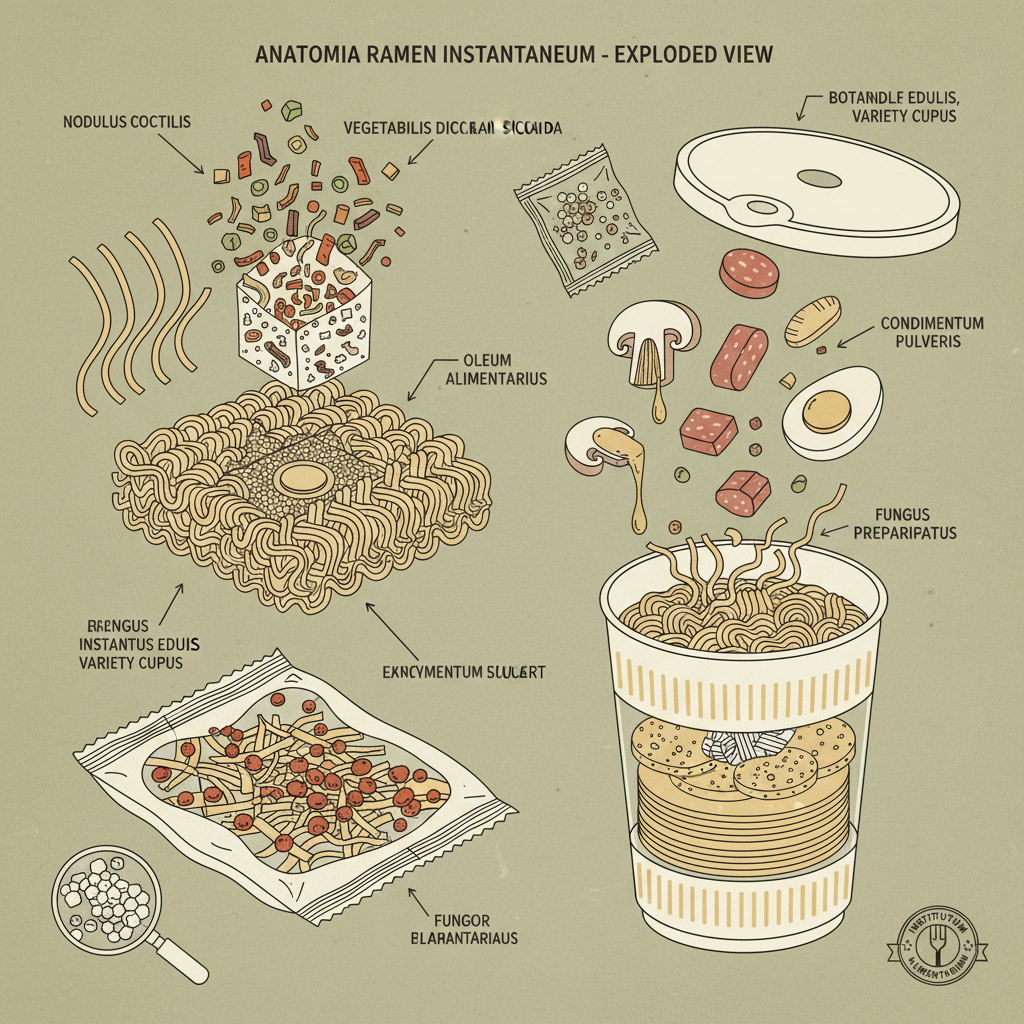
Simply put, vegan instant ramen is an instant noodle soup product formulated without any animal-derived ingredients. This means no meat, seafood, dairy, eggs, honey, or any other animal byproducts. The noodles themselves are typically made from wheat flour or rice flour, and the broth is created using vegetable-based stocks and seasonings. The flavoring packets often contain dehydrated vegetables, spices, and sometimes, plant-based protein sources.
What sets it apart from traditional instant ramen is the commitment to plant-based ingredients. Manufacturers are constantly innovating to create flavorful and satisfying broths without relying on animal fats or proteins. We're seeing an increase in the use of mushroom extracts, seaweed-based ingredients, and fermented vegetable pastes to achieve umami-rich flavors. I've spent countless hours in factories, tasting and testing these formulations, and the progress is remarkable.
This isn’t just about catering to vegans; it’s about broadening appeal. Many consumers are reducing their meat consumption for health or environmental reasons, and vegan instant ramen provides a convenient and accessible way to do so. It aligns with the growing trend of “flexitarianism” – a dietary pattern that emphasizes plant-based foods while occasionally including meat.
Key Components and Production Factors
There are several key factors that influence the quality and cost-effectiveness of vegan instant ramen. First is Noodle Composition: The type of flour used – wheat, rice, or a blend – significantly impacts texture and flavor. Getting the right balance is crucial. Then there’s Broth Formulation: achieving a rich and savory broth without animal products requires skillful blending of vegetable stocks, spices, and umami-enhancing ingredients.
Seasoning Packet Complexity is another key component. The seasoning packet is where much of the flavor resides, and its composition – including dehydrated vegetables, spices, and flavor enhancers – needs to be carefully calibrated. Then you've got Packaging Durability – ensuring the product remains fresh and intact during transport and storage is vital, especially for distribution in challenging environments. Finally, there's Production Efficiency, streamlining the manufacturing process to minimize costs and maximize output. I’ve spent weeks on factory floors optimizing these processes.
vegan instant ramen Production Cost Breakdown
Global Applications and Use Cases
Beyond individual consumption, vegan instant ramen is proving invaluable in humanitarian aid. In post-disaster relief operations, its lightweight and long shelf life make it an ideal food source for displaced populations. We’ve worked with NGOs distributing it in areas affected by earthquakes, floods, and conflict.
It’s also finding applications in remote industrial zones where access to fresh food is limited. Construction crews, mining operations, and research stations often rely on convenient and shelf-stable meals, and vegan instant ramen fits the bill. I’ve personally seen how it boosts morale on remote work sites.
Advantages and Long-Term Value
The benefits of vegan instant ramen extend beyond convenience and affordability. It represents a more sustainable food choice, reducing the environmental impact associated with animal agriculture. It caters to a growing segment of health-conscious consumers and provides a safe and accessible option for individuals with dietary restrictions. From a logistical standpoint, it's incredibly reliable – it doesn’t require refrigeration, it has a long shelf life, and it's easy to transport.
The long-term value lies in its potential to contribute to a more equitable and sustainable food system. It’s about providing access to nutritious food for everyone, regardless of their location or socioeconomic status. It’s about building trust with consumers by offering transparent and ethical products. It’s about innovation – constantly improving the flavor, nutrition, and sustainability of this essential food item.
Future Trends and Innovations
We’re seeing exciting developments in the world of vegan instant ramen. Manufacturers are experimenting with new plant-based protein sources, such as pea protein and lentil flour, to enhance the nutritional profile of the noodles. There’s also a growing focus on reducing sodium content and eliminating artificial additives.
The integration of digital technologies, like blockchain, is enabling greater transparency in the supply chain, allowing consumers to trace the origin of ingredients and verify ethical sourcing practices. Sustainable packaging solutions, such as compostable or biodegradable materials, are also gaining traction.
We can expect to see even more personalized options in the future, with customized flavor profiles and nutritional formulations tailored to individual dietary needs. The future of vegan instant ramen isn’t just about convenience; it’s about creating a healthier, more sustainable, and more equitable food system.
Key Challenges and Proposed Solutions in vegan instant ramen Production
| Ingredient Sourcing |
Flavor Profile Development |
Production Cost |
Sustainable Packaging |
| Ensuring consistent quality & ethical sourcing of plant-based ingredients. |
Achieving umami & complexity without animal-derived flavors. |
Maintaining affordability while using premium ingredients. |
Reducing reliance on plastic & promoting eco-friendly materials. |
| Limited availability of certified organic & sustainable suppliers. |
Consumer preference for familiar, traditional ramen flavors. |
Rising costs of raw materials and transportation. |
Higher cost of biodegradable/compostable packaging options. |
| Solution: Long-term contracts with vetted suppliers. |
Solution: Collaboration with flavor houses specializing in plant-based cuisine. |
Solution: Optimizing production processes and exploring economies of scale. |
Solution: Investment in research & development of innovative packaging. |
| Risk: Supply chain disruptions due to climate change or political instability. |
Risk: Difficulty in replicating the depth of flavor found in traditional broths. |
Risk: Price sensitivity among target consumers. |
Risk: Lack of consumer awareness & infrastructure for composting. |
| Mitigation: Diversifying sourcing regions & building buffer stocks. |
Mitigation: Utilizing fermentation & advanced seasoning techniques. |
Mitigation: Value engineering & efficient resource management. |
Mitigation: Educational campaigns & partnerships with recycling facilities. |
| Impact: Enhanced resilience & ethical sourcing practices. |
Impact: Improved flavor profiles & consumer acceptance. |
Impact: Competitive pricing & increased market share. |
Impact: Reduced environmental footprint & brand reputation. |
FAQS
The key difference lies in the ingredients. Traditional ramen typically contains animal products like meat-based broth, eggs, or fish-based flavorings. Vegan instant ramen uses entirely plant-based ingredients, including vegetable broth, plant-based seasonings, and noodles made from wheat or rice flour without any animal derivatives. This makes it suitable for vegans, vegetarians, and those with dietary restrictions like dairy allergies. It’s a conscious choice for a more sustainable and ethical meal.
While convenient, the nutritional profile of instant ramen (vegan or not) can vary. Many brands contain high levels of sodium. However, many newer vegan options are focusing on lower sodium content and adding more vegetables and plant-based protein. Look for brands that prioritize whole ingredients and minimal processing. Supplementing with fresh vegetables or a protein source can also boost the nutritional value. It's about making informed choices and balancing it with a healthy overall diet.
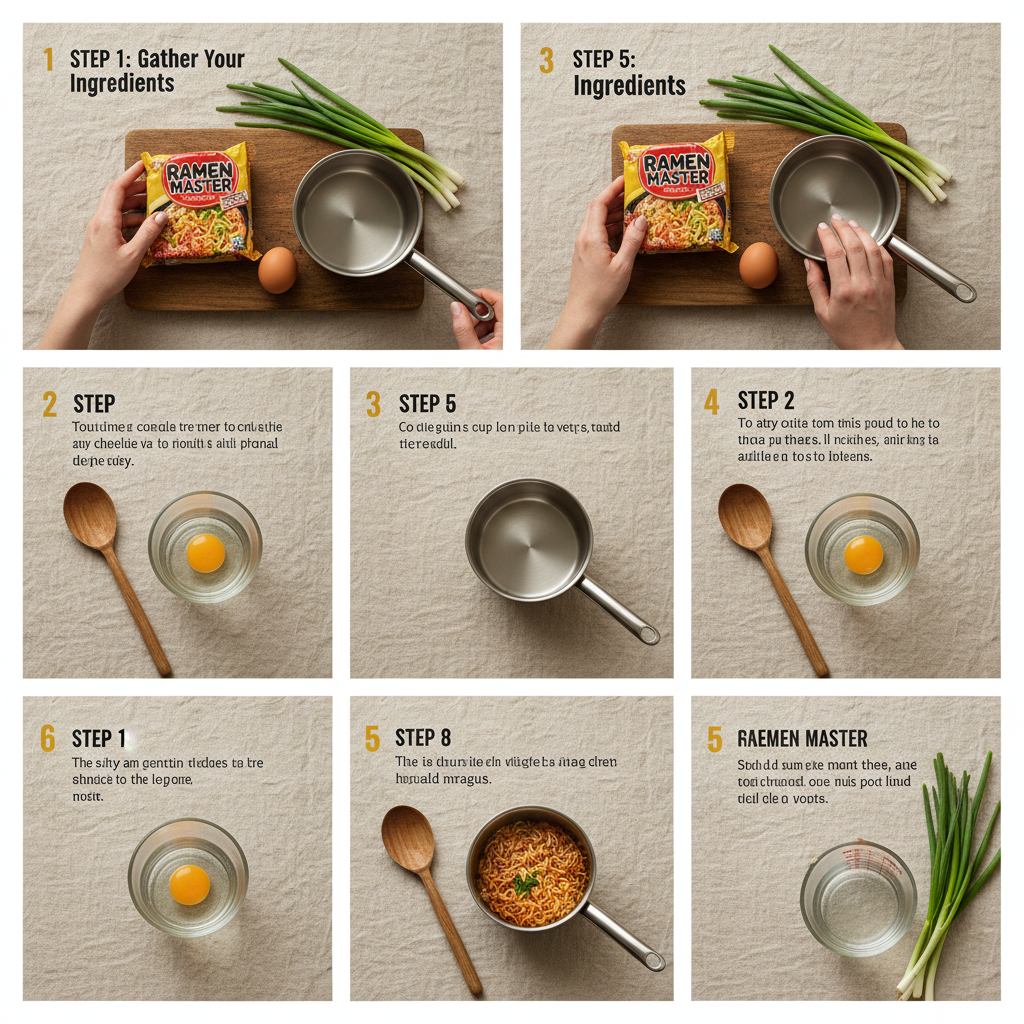
That's the beauty of it – it's incredibly quick! Most vegan instant ramen requires just 3-5 minutes of preparation. Simply boil water, add the noodles and seasoning packet, and let it sit for the recommended time. It’s a perfect solution for a quick lunch, snack, or meal when you're short on time. I've eaten it on construction sites, in airports, and during camping trips – it’s always a lifesaver.
You can find vegan instant ramen in most major supermarkets, health food stores, and online retailers. Look for brands that specifically label their products as “vegan” to ensure they don’t contain any hidden animal ingredients. Reading the ingredient list carefully is always a good practice. There's been a huge increase in availability over the last few years, so you’re likely to find several options to choose from.
Absolutely! That's one of the great things about it. Feel free to add your own vegetables – spinach, mushrooms, broccoli, or carrots work well. You can also add a source of protein, like tofu or edamame. A dash of sriracha or chili flakes can add some heat. Experiment with different toppings to create a meal that suits your taste preferences. It’s a blank canvas for your culinary creativity!
Traditionally, instant ramen packaging has been a concern due to its reliance on plastic. However, many brands are now exploring more sustainable packaging options, such as compostable or biodegradable materials. Look for brands that are committed to reducing their environmental impact and using eco-friendly packaging. This is an area where we’re seeing a lot of innovation and progress.
Conclusion
Vegan instant ramen has evolved from a niche product to a mainstream staple, driven by increasing consumer demand for plant-based, convenient, and sustainable food options. It offers a practical solution for addressing food security, catering to diverse dietary needs, and reducing the environmental impact of our food systems. Its affordability, portability, and ease of preparation make it a valuable asset in various settings, from disaster relief operations to everyday meals.
Looking ahead, continued innovation in ingredient sourcing, flavor development, and packaging will be crucial. Investing in sustainable practices and fostering transparency throughout the supply chain will further enhance the value of vegan instant ramen. By embracing these challenges and opportunities, we can unlock the full potential of this versatile food and contribute to a healthier and more sustainable future. For more information and to explore our range of vegan instant ramen options, visit our website: vegan instant ramen.