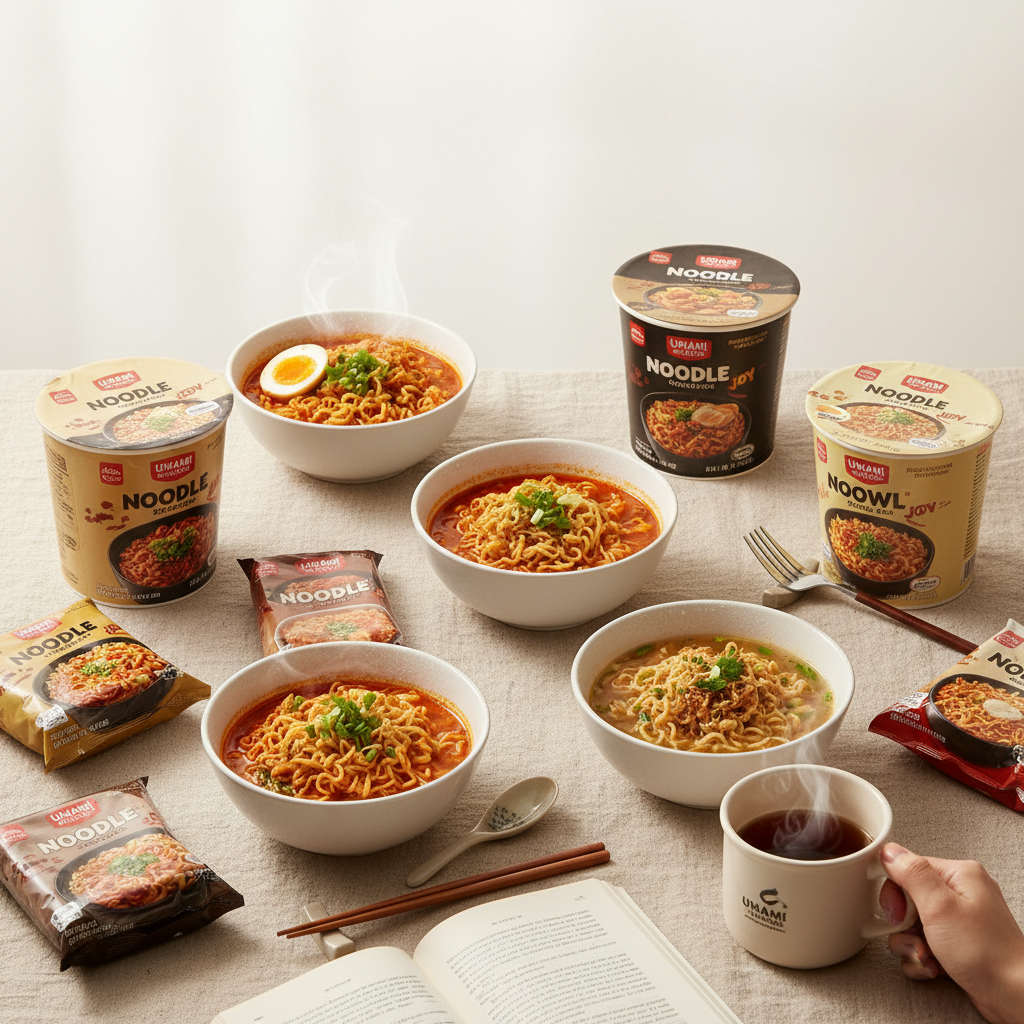
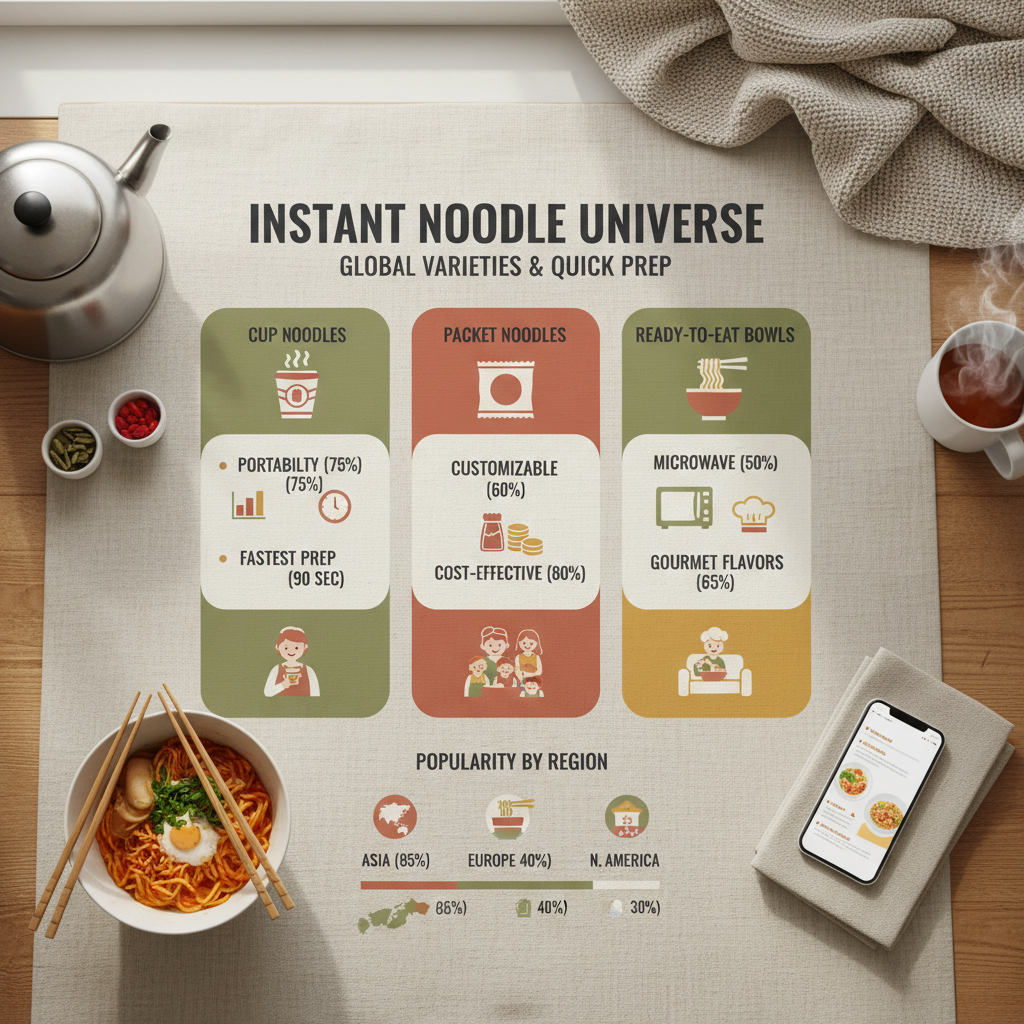
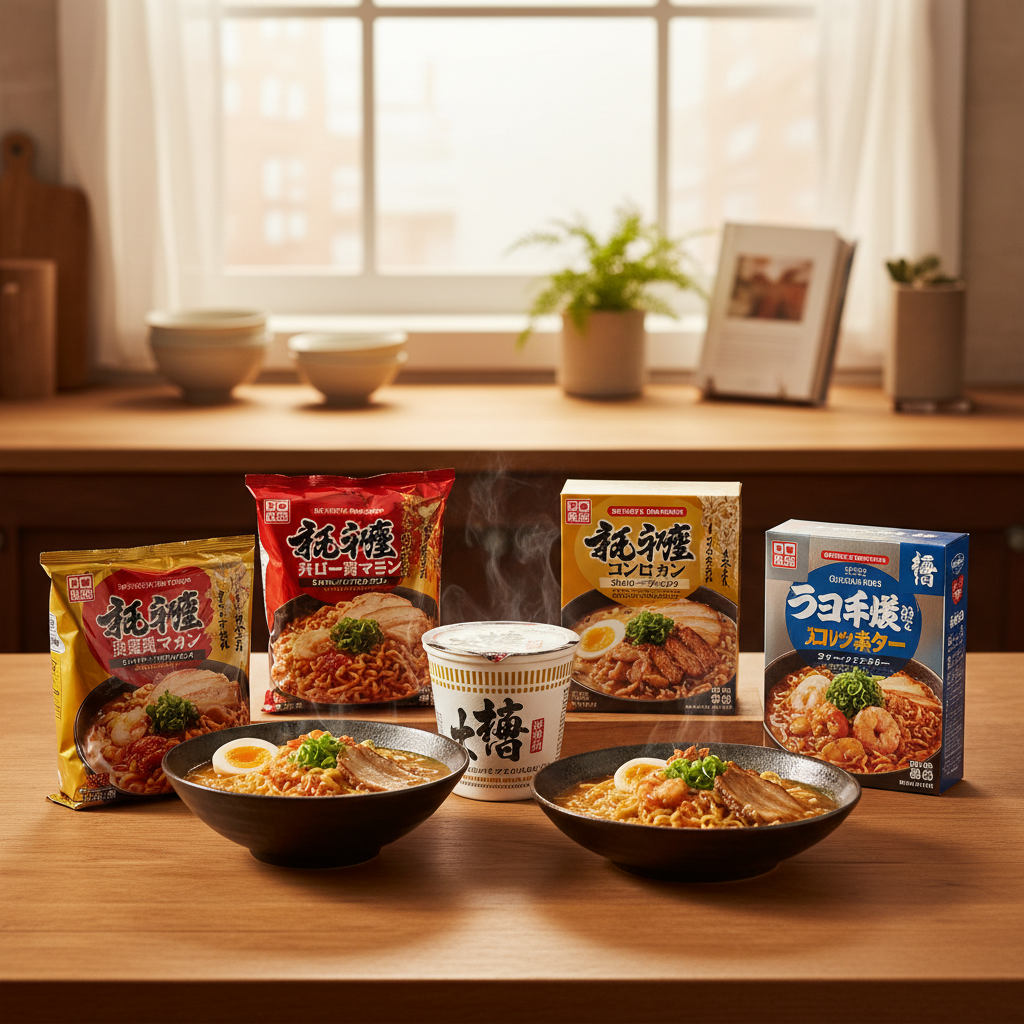
Different types of instant noodles have become a global culinary phenomenon, transcending cultural and socioeconomic boundaries. From humble beginnings as a convenient food source in post-war Japan, they have evolved into a diverse and innovative industry, offering a vast array of flavors, textures, and nutritional options. Understanding the nuances of these noodle varieties—from ramen and udon to pho and bihun—is crucial for both consumers and industry professionals alike.
The global instant noodle market is a multi-billion dollar industry, with Asia dominating both production and consumption. According to the World Instant Noodle Association, over 100 billion servings are consumed annually worldwide, demonstrating its significant role in global food security and convenience. This widespread popularity stems from their affordability, long shelf life, and ease of preparation, making them a staple food for millions.
The increasing demand for different types of instant noodles presents both opportunities and challenges. While offering a convenient and affordable food source, concerns regarding nutritional value and environmental impact necessitate innovation and sustainable practices. Exploring these aspects is critical for ensuring the long-term viability and responsible growth of the instant noodle industry.
The Global Significance of different types of instant noodles
The cultural impact of different types of instant noodles is immense. Beyond mere sustenance, they represent accessibility, convenience, and a culinary bridge between cultures. From street food stalls in Bangkok to university dorm rooms across the globe, instant noodles have become a ubiquitous symbol of modern life. They’ve even inspired countless recipes and culinary innovations.
Economically, the production and distribution of different types of instant noodles support millions of jobs worldwide. The supply chain extends from agricultural producers to packaging manufacturers, creating a complex network of economic activity. Furthermore, their affordability makes them a crucial food source in developing nations, contributing to food security and reducing hunger.
Defining different types of instant noodles
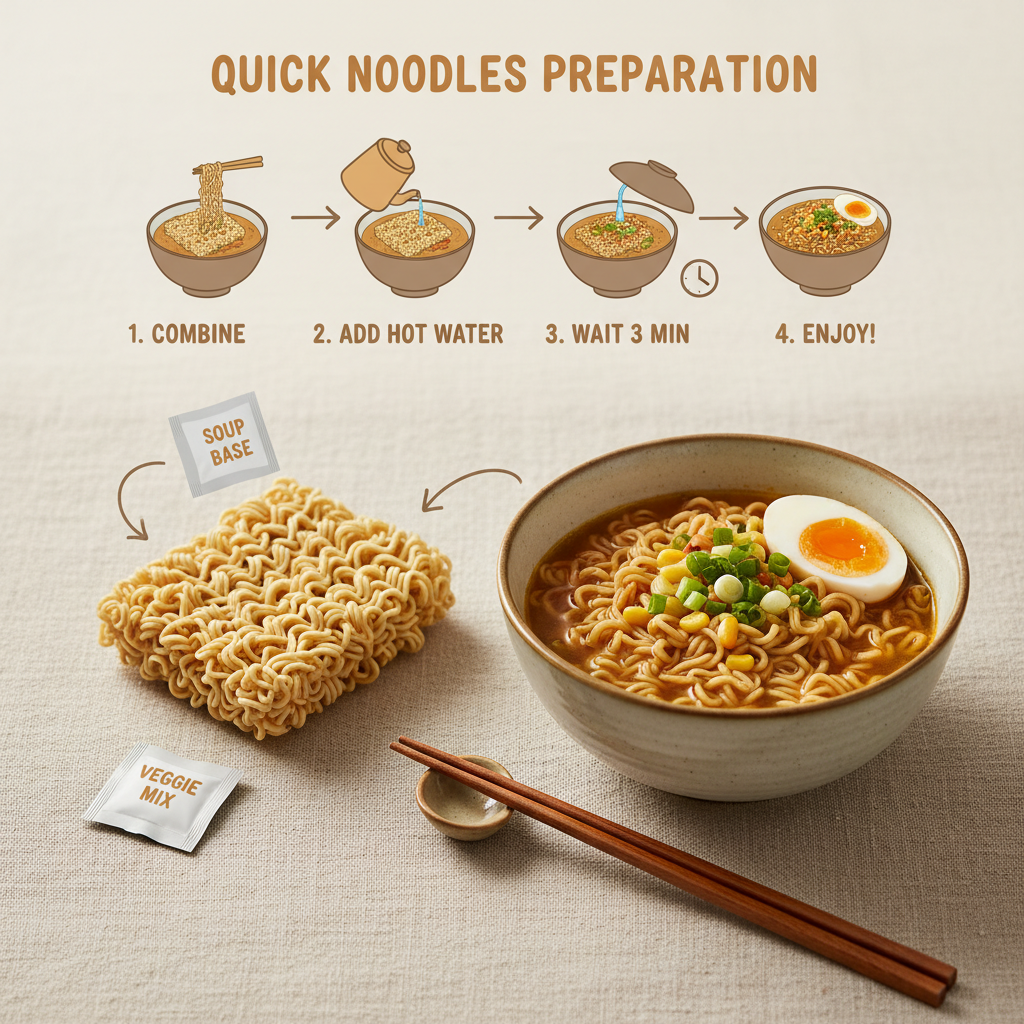
Different types of instant noodles are essentially pre-cooked noodles that have been dehydrated or fried, then packaged with seasonings and flavorings. These are designed to be quickly rehydrated with hot water, making them a convenient meal option. However, the definition extends far beyond simple convenience; it encompasses a vast range of noodle types, flavor profiles, and preparation methods.
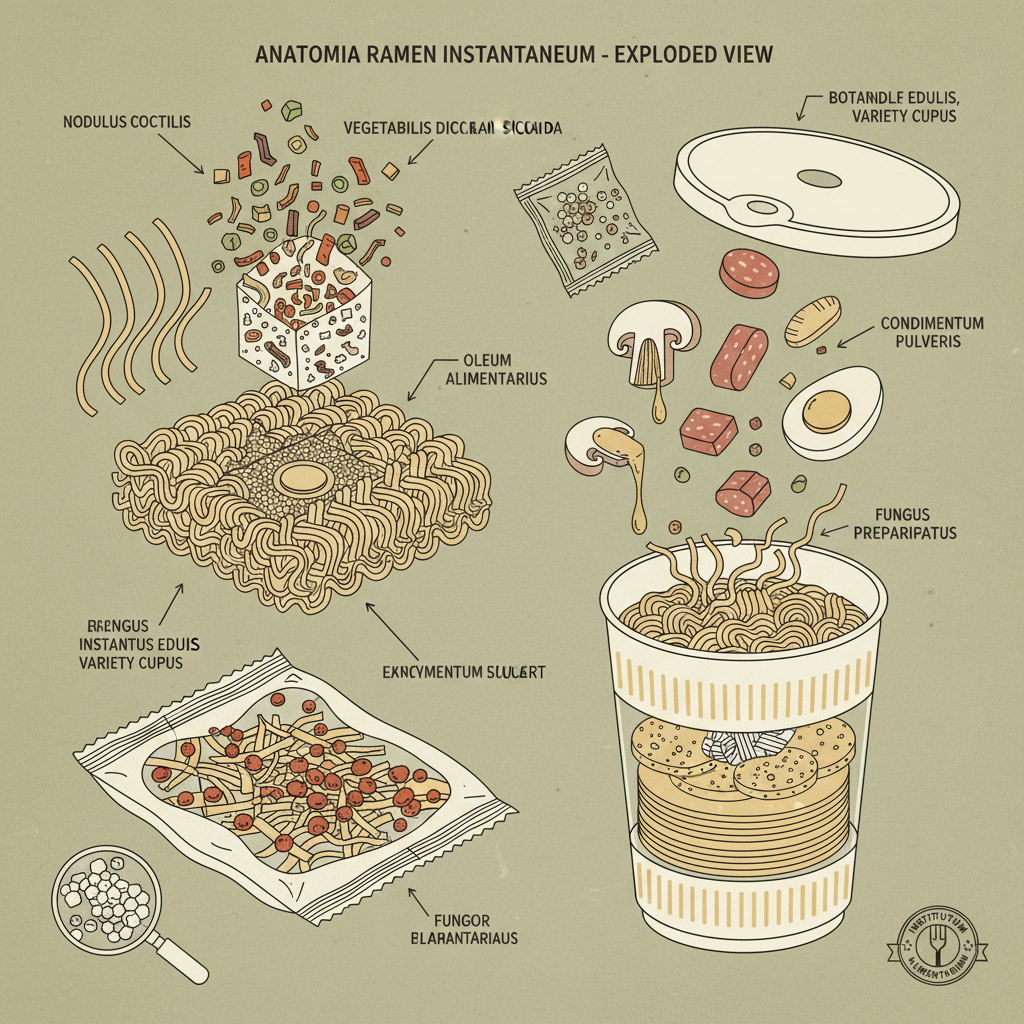
The process typically involves steaming or frying noodles, followed by drying and packaging. Seasoning packets often contain a blend of salt, spices, flavor enhancers, and dehydrated vegetables. Variations include oil-based and non-oil based noodles, as well as different noodle compositions (wheat, rice, or a combination). This manufacturing process is directly connected to the modern industrial food system.
This ease of preparation and long shelf life make different types of instant noodles a valuable asset in emergency food supplies and humanitarian aid efforts. Their portability and minimal cooking requirements are particularly beneficial in situations where access to traditional cooking facilities is limited.
Core Characteristics of different types of instant noodles
Durability is a key characteristic of different types of instant noodles. Their dehydrated or fried nature, coupled with airtight packaging, gives them an exceptionally long shelf life—often exceeding a year. This durability makes them ideal for storage and transportation, particularly in regions with limited refrigeration or supply chain infrastructure.
Cost-efficiency is another defining trait. The large-scale production and readily available ingredients contribute to a remarkably low price point, making different types of instant noodles accessible to a wide range of consumers, including those with limited financial resources. This affordability is a significant factor in their global popularity.
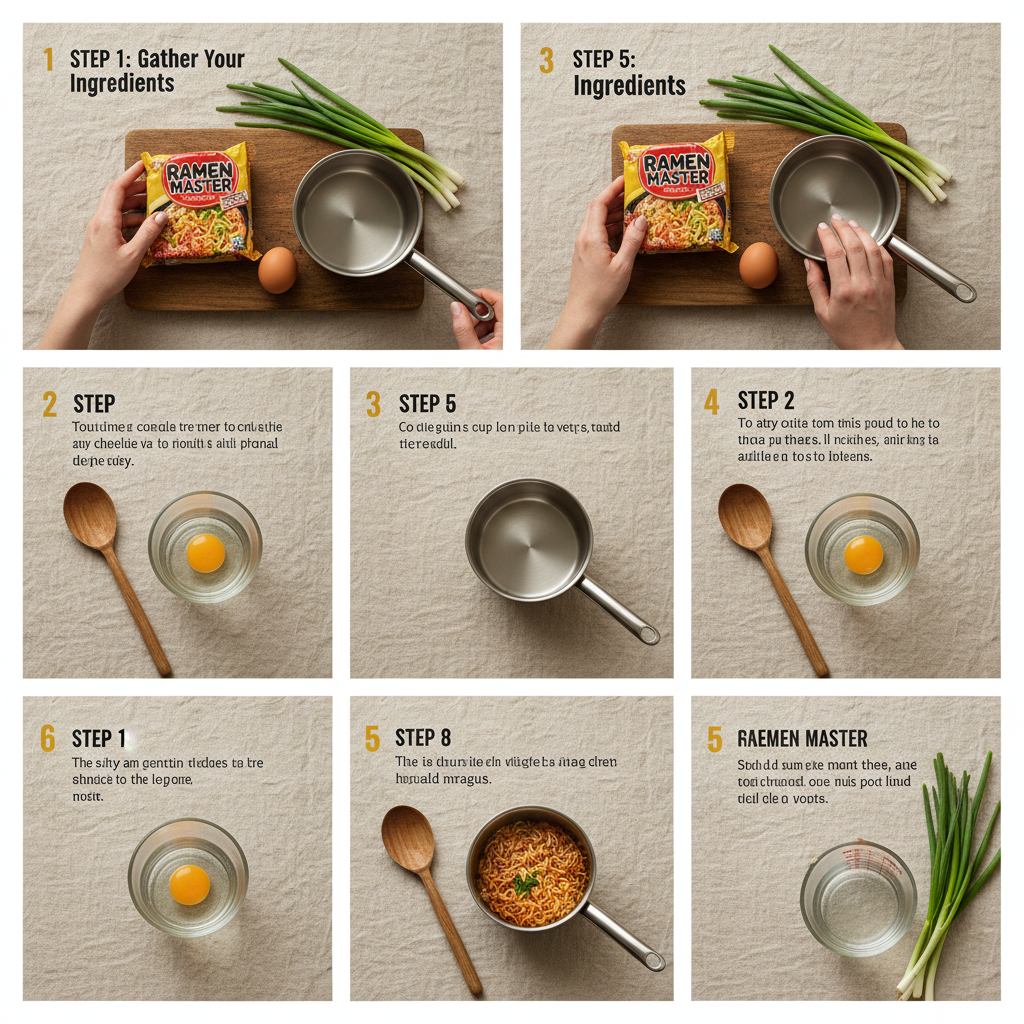
Convenience is perhaps the most prominent characteristic. Requiring only hot water and minimal preparation time, different types of instant noodles offer a quick and easy meal solution for busy individuals, students, and travelers. Their simplicity is a major driver of their widespread consumption.
Global Applications of different types of instant noodles
In disaster relief operations, different types of instant noodles serve as a critical food source for affected populations. Their long shelf life, ease of preparation, and nutritional value (even if basic) make them invaluable in emergency situations where traditional food supplies are disrupted. Organizations like the Red Cross often include them in emergency food packages.
In remote industrial zones and military deployments, where access to fresh food is limited, different types of instant noodles provide a convenient and reliable meal option for workers and personnel. Their portability and minimal cooking requirements make them well-suited for challenging environments.
Across Asia, particularly in countries like China, Japan, and Indonesia, different types of instant noodles are a staple food for millions of people. They are often consumed as a quick lunch, a late-night snack, or a budget-friendly meal, representing a significant part of the local culinary landscape.
Consumer Preference for different types of instant noodles
Advantages and Long-Term Value of different types of instant noodles
The primary advantage of different types of instant noodles lies in their cost-effectiveness. They offer a substantial and affordable meal, particularly valuable for low-income populations and students. This affordability does not necessarily equate to a lack of quality, as innovation continues to improve ingredient sourcing and nutritional profiles.
From a social impact perspective, different types of instant noodles can contribute to food security, especially in regions prone to natural disasters or economic hardship. Their accessibility and ease of preparation can provide a vital source of nourishment during times of crisis. They also offer a sense of comfort and familiarity, which can be important in stressful situations.
Future Trends in different types of instant noodles
There's a growing trend toward healthier options within the different types of instant noodles market. Manufacturers are experimenting with whole-grain noodles, reduced sodium content, and the inclusion of vegetables and lean proteins. This reflects a broader consumer demand for more nutritious and balanced food choices.
Sustainable packaging is another key area of innovation. Companies are exploring biodegradable materials and reducing plastic waste to minimize the environmental impact of their products. This aligns with increasing consumer awareness and concern about environmental issues.
Challenges and Solutions in the different types of instant noodles Industry
A significant challenge facing the different types of instant noodles industry is the perception of low nutritional value. Many varieties are high in sodium, fat, and processed ingredients. Addressing this requires ongoing research and development of healthier formulations that prioritize nutritional content without sacrificing taste or affordability.
Another challenge is the environmental impact of packaging waste. The widespread use of plastic packaging contributes to pollution. Solutions include investing in biodegradable materials, promoting recycling initiatives, and exploring alternative packaging options, such as compostable containers.
Finally, ensuring ethical sourcing of ingredients is crucial. This involves working with suppliers to promote fair labor practices and sustainable agricultural methods, building a more responsible and transparent supply chain for different types of instant noodles.
Key Factors for Optimizing different types of instant noodles Production and Distribution
| Noodle Type |
Production Cost (USD) |
Shelf Life (Months) |
Consumer Rating (1-10) |
| Instant Ramen |
0.30 |
12 |
8 |
| Udon Noodles |
0.45 |
9 |
7 |
| Pho Noodles |
0.50 |
6 |
9 |
| Bihun Noodles |
0.35 |
10 |
6 |
| Spicy Noodles |
0.40 |
8 |
7 |
| Soba Noodles |
0.55 |
12 |
8 |
FAQS
Many instant noodles are high in sodium, saturated fat, and processed carbohydrates, offering limited nutritional value. They often lack essential vitamins, minerals, and fiber. However, healthier options are emerging with reduced sodium content, whole-grain noodles, and added vegetables, aiming to address these concerns. While convenience is a key benefit, mindful consumption and choosing nutritionally balanced options are recommended.
Unopened instant noodles typically have a shelf life of 6 to 12 months, sometimes even longer, due to the dehydration and packaging process. However, it’s crucial to check the expiration date printed on the packaging. Proper storage in a cool, dry place away from direct sunlight is essential to maintain quality and prevent spoilage. Always discard any package that appears damaged or bloated.
Yes, manufacturers are increasingly exploring eco-friendly packaging options. These include biodegradable materials, compostable containers, and reduced plastic usage. Some companies are experimenting with paper-based packaging or innovative plant-based materials. Consumers can also look for brands committed to sustainable packaging practices and recycling initiatives, contributing to a more environmentally responsible approach.
Instant noodles can be included as part of a healthy diet with mindful choices. Opt for varieties with lower sodium and fat content. Supplementing them with fresh vegetables, lean protein, and a side salad can enhance their nutritional value. Moderation is key, and instant noodles shouldn’t be relied upon as a primary food source. They are best consumed occasionally as a convenient meal option.
Instant noodle production has several environmental impacts, including resource consumption (water, energy), greenhouse gas emissions, and packaging waste. The palm oil used in some varieties can contribute to deforestation. However, manufacturers are increasingly adopting sustainable practices, such as reducing water usage, investing in renewable energy, and using eco-friendly packaging. Responsible sourcing of ingredients and waste reduction are essential for minimizing the industry's environmental footprint.
Instant noodle preferences vary significantly by region. Asia dominates consumption, with each country having unique flavor profiles and noodle types. Spicy flavors are popular in Southeast Asia, while milder flavors are favored in Japan. In Western countries, demand for non-fried noodles and healthier options is growing. Regional tastes influence ingredient choices, seasoning blends, and overall product development in the instant noodle industry.
Conclusion
Different types of instant noodles have evolved from a post-war food solution to a global culinary staple, playing a significant role in food security, convenience, and cultural exchange. Their affordability, durability, and ease of preparation have made them a vital food source for millions worldwide. However, addressing challenges related to nutritional value and environmental impact is crucial for ensuring the long-term sustainability of the industry.
Looking ahead, innovation in healthier formulations, sustainable packaging, and ethical sourcing will be key to shaping the future of different types of instant noodles. By embracing these advancements, the industry can continue to provide a convenient and accessible food option while minimizing its environmental footprint and contributing to a more sustainable food system. For more information and to explore our wide range of products, visit our website: different types of instant noodles.