Instant ramen, a globally beloved and convenient food, has evolved from a post-war necessity to a diverse culinary experience. The story of types of instant ramen isn't merely about affordability and speed; it's a testament to innovation in food science, packaging, and global distribution. From humble beginnings in Japan, it's become a staple in countless households across the world, offering a quick and satisfying meal for people of all ages and backgrounds.
The significance of understanding the different types of instant ramen extends beyond simply choosing a flavor. It involves recognizing the varied production methods, nutritional content, and cultural adaptations that define this ubiquitous food. With a market estimated at over $40 billion annually (source: Global Ramen Market Report, 2023), understanding the nuances of instant ramen is crucial for food manufacturers, retailers, and consumers alike.
Ultimately, exploring the world of types of instant ramen offers insights into food technology, globalization, and the changing landscape of modern eating habits. The continued evolution and diversification of this food demonstrate its resilience and adaptability in a constantly evolving world.
The Core Characteristics of Types of Instant Ramen
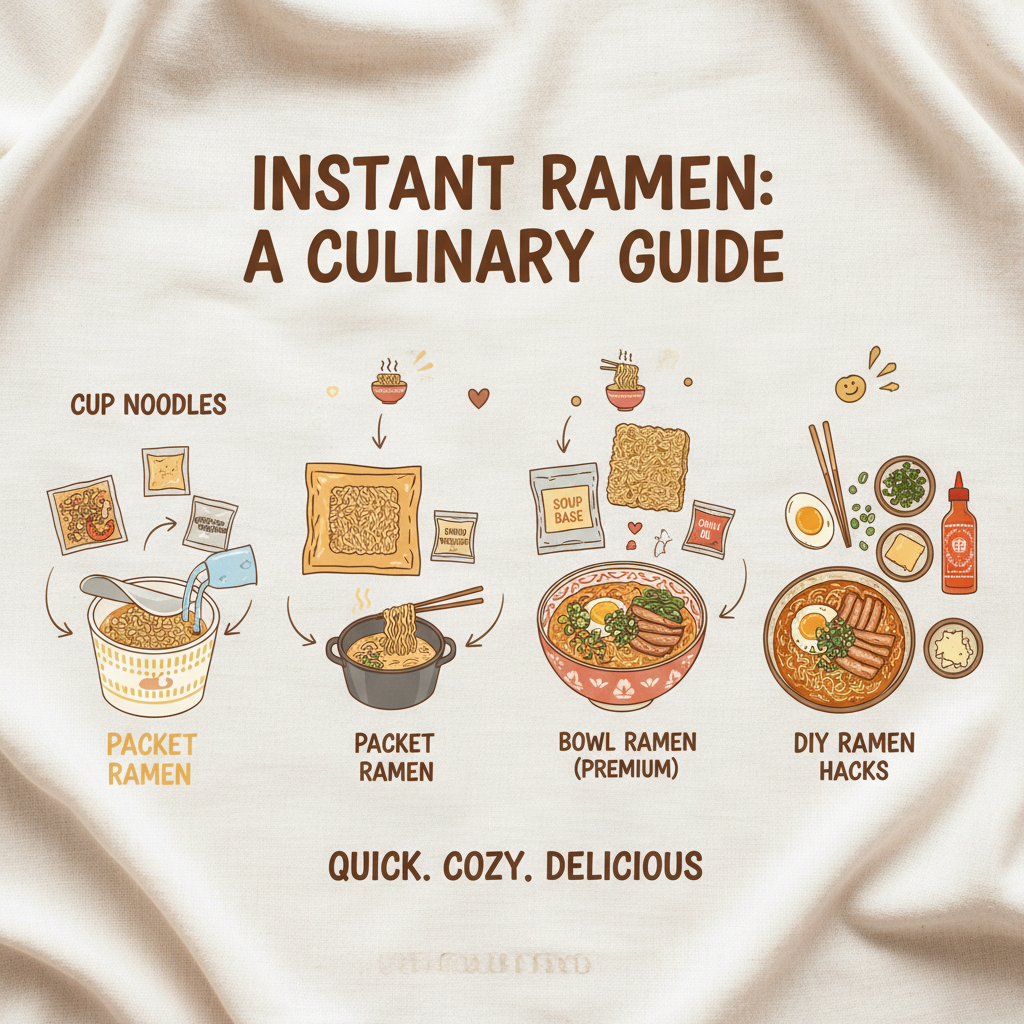
Types of instant ramen are primarily defined by their pre-cooking process, which involves frying, air-drying, or steaming the noodles. This process imparts a long shelf life, enabling widespread distribution and convenience. The different cooking methods impact the noodle’s texture, with fried noodles being springier and air-dried noodles having a more delicate bite.
Furthermore, the accompanying seasoning packets vary significantly, reflecting diverse regional tastes and culinary traditions. From spicy Korean ramen to milder Japanese styles, the flavor profiles are exceptionally broad, catering to a global palette and solidifying the appeal of various types of instant ramen.
Historical Development of Types of Instant Ramen
The story of types of instant ramen began in 1958 with Momofuku Ando’s invention of Chicken Ramen, the world’s first instant noodle product. This innovation revolutionized the food industry by providing a convenient and affordable meal option. Initially a response to post-war food shortages in Japan, it quickly gained popularity for its ease of preparation and long shelf life.
The subsequent development of cup noodles in 1971 further solidified the appeal of types of instant ramen, offering an even more convenient and portable eating experience. This innovation also paved the way for a wider range of flavors and variations, expanding the market beyond Japan to encompass global tastes.
Throughout the late 20th and early 21st centuries, numerous companies entered the instant ramen market, resulting in an explosion of different brands, flavors, and types of instant ramen, catering to specific dietary needs and preferences. This continuous innovation has kept the product relevant and in demand across diverse cultures.
Defining Types of Instant Ramen: A Global Perspective
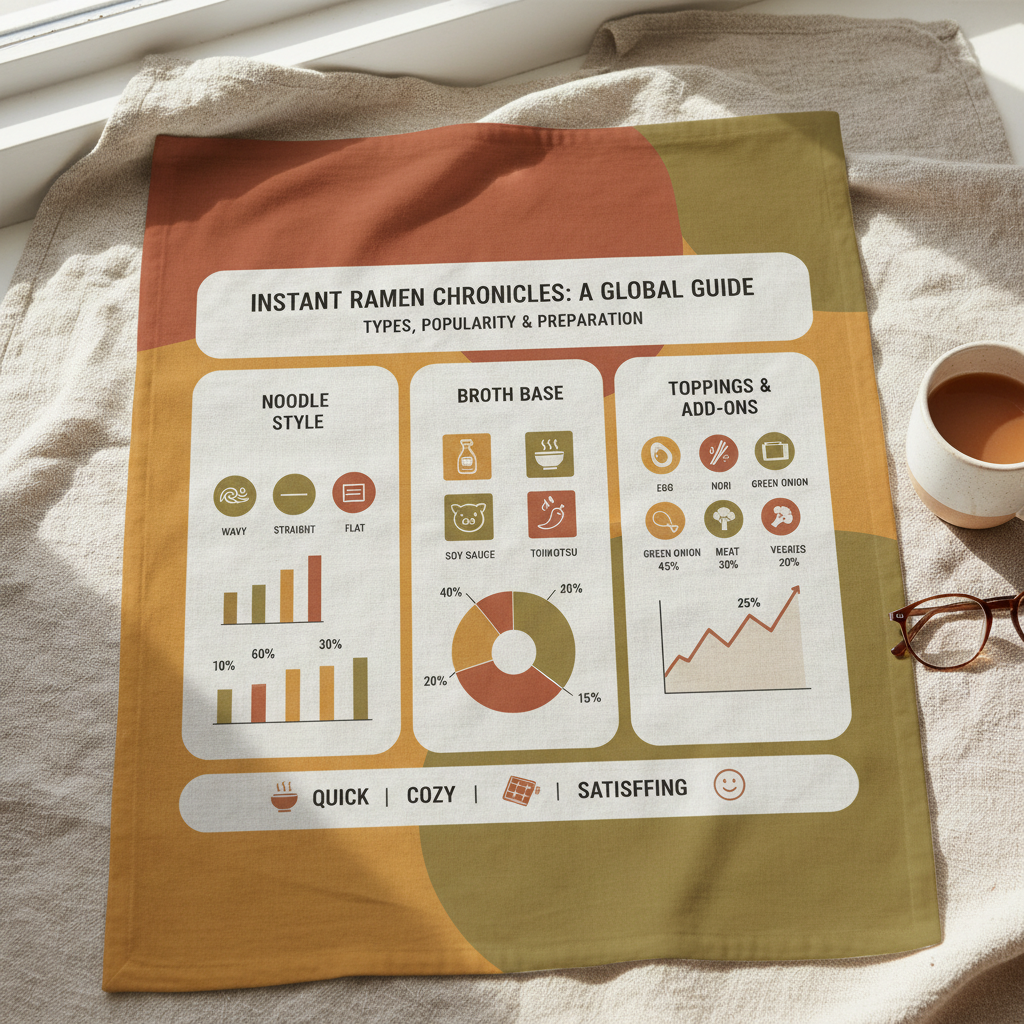
Defining types of instant ramen requires understanding the regional variations. Japanese ramen, often characterized by its delicate broth and wheat noodles, includes varieties like Tonkotsu (pork bone broth), Shoyu (soy sauce broth), and Miso (fermented soybean paste broth). These different broth bases significantly influence the overall flavor profile.
Korean ramen, known as ramyeon, is typically spicier and bolder in flavor, featuring options like Shin Ramyun and Buldak Ramen. These varieties often include gochujang (Korean chili paste) and gochugaru (Korean chili powder) for a fiery kick. The noodles themselves also differ, often being thicker and chewier than their Japanese counterparts.
Indonesian Indomie Mi Goreng, a stir-fried noodle variety, is another prominent type of instant ramen, favored for its savory and slightly sweet sauce. It showcases a distinct textural experience compared to the soup-based ramen styles. These examples demonstrate the diverse adaptations of types of instant ramen to local culinary traditions worldwide.
Key Factors Influencing Types of Instant Ramen Quality
Noodle composition is a primary determinant of types of instant ramen quality. The wheat protein content, starch type, and gluten development significantly impact texture and chewiness. Higher quality noodles generally utilize a greater percentage of wheat protein for improved elasticity.
Seasoning quality is also crucial. The ingredients used in the flavor packets – including spices, MSG, salt, and oil – influence the overall taste and aroma. Natural flavorings and higher-quality ingredients contribute to a more refined and satisfying flavor experience.
Quality Ratings of Different Types of Instant Ramen
Global Applications of Different Types of Instant Ramen
In emergency relief scenarios, types of instant ramen serve as a vital food source due to their long shelf life and ease of preparation. Organizations like the Red Cross frequently include instant ramen in disaster relief packages, providing immediate sustenance to affected populations.
Within the military, various types of instant ramen are frequently incorporated into ration packs, offering soldiers a lightweight and convenient meal option during field operations. The portability and minimal preparation requirements make it ideal for demanding logistical environments.
Advantages and Long-Term Value of Various Types of Instant Ramen
The cost-effectiveness of types of instant ramen is undeniable. It provides a substantial meal for a minimal price, making it accessible to individuals with limited budgets. This affordability is a key driver of its global popularity.
The convenience factor cannot be overstated. Types of instant ramen require minimal cooking skills and preparation time, making it an ideal option for busy individuals and those seeking a quick and easy meal. This convenience contributes to its enduring appeal in fast-paced lifestyles.
From a logistical standpoint, its long shelf life and compact packaging reduce waste and simplify storage and transportation, making it a sustainable food choice compared to some alternatives.
Future Trends and Innovations in Types of Instant Ramen
The development of healthier types of instant ramen, incorporating whole grains, reduced sodium levels, and organic ingredients, is a growing trend. Consumers are increasingly seeking nutritious and convenient food options, driving demand for healthier alternatives.
Innovative packaging solutions, such as biodegradable or compostable containers, are gaining traction as manufacturers strive to reduce their environmental impact. Sustainability is becoming a key consideration in the instant ramen industry.
Personalized ramen experiences, allowing consumers to customize flavors and ingredients, represent another potential area of innovation. Technology-driven platforms could enable consumers to create their unique ramen recipes and order customized instant ramen kits.
Comparative Analysis of Future Innovation Areas in Types of Instant Ramen
| Innovation Area |
Potential Impact |
Implementation Difficulty (1-10) |
Market Demand (1-10) |
| Healthier Formulations |
Increased consumer appeal, positive brand image |
6 |
9 |
| Sustainable Packaging |
Reduced environmental footprint, brand differentiation |
7 |
8 |
| Personalized Ramen |
Enhanced customer engagement, premium pricing opportunities |
8 |
7 |
| Plant-Based Protein Options |
Expanded market reach, appeal to vegetarian/vegan consumers |
5 |
8 |
| Automated Production Lines |
Increased efficiency, reduced production costs |
9 |
6 |
| AI-Powered Flavor Development |
Discovery of novel flavor combinations, optimized taste profiles |
7 |
5 |
FAQS
The primary distinctions lie in flavor profiles and noodle texture. Japanese ramen often boasts a lighter, more delicate broth (Shoyu, Miso, Tonkotsu) with wheat noodles, while Korean ramyeon is known for its spicy, bold flavors (Shin Ramyun) and chewier noodles. Indonesian Indomie Mi Goreng is a stir-fried variety with a savory, slightly sweet sauce, offering a different textural experience.
Developing a new flavor can take anywhere from six months to over a year. The process involves flavor research, ingredient sourcing, recipe formulation, production trials, and extensive taste testing. Consumer feedback is crucial to refine the flavor profile and ensure market appeal. Regulatory approvals also contribute to the timeline.
While traditionally high in sodium, many manufacturers are now offering lower-sodium options. Some instant ramen varieties also include added vegetables and protein. However, it's generally considered a processed food and should be consumed in moderation as part of a balanced diet. Look for brands prioritizing whole grains and natural ingredients.
A major challenge is maintaining the barrier properties required to preserve freshness and prevent spoilage. Traditional packaging materials effectively block moisture and oxygen. Developing biodegradable or compostable alternatives that offer comparable protection is a complex process. Cost-effectiveness and scalability are also significant considerations.
The frying process imparts a desirable texture and extends shelf life by reducing moisture content. However, it can also increase fat content and potentially create harmful compounds if the oil isn't properly managed. Modern frying techniques emphasize temperature control and oil filtration to minimize these negative effects. Air-drying is an alternative that avoids frying altogether.
Regulations vary significantly by country. They typically cover food safety standards, labeling requirements (including ingredient lists and nutritional information), and permitted additives. Import/export regulations also apply. Manufacturers must comply with the specific regulations of each country where their products are sold.
Conclusion
In conclusion, types of instant ramen represent more than just a convenient meal; they are a reflection of global culinary exchange, technological innovation, and evolving consumer preferences. From its humble origins as a post-war necessity to its current status as a multi-billion dollar industry, the story of instant ramen is one of remarkable adaptation and resilience. Understanding the different types, their production methods, and their cultural significance provides valuable insight into the dynamics of the modern food landscape.
Looking ahead, the future of types of instant ramen will likely be shaped by a growing demand for healthier, more sustainable, and personalized options. Continued innovation in ingredient sourcing, packaging materials, and flavor development will be crucial for maintaining its relevance and appeal in a constantly changing world. Visit our website at https://www.jxsemidrynoodles.com to explore the diverse world of instant ramen!