The global demand for convenient and affordable food solutions is constantly growing, making the efficient procurement and distribution of staples like ramen noodles increasingly important. Understanding how to buy ramen noodles in bulk is therefore crucial for businesses, organizations, and even individuals preparing for emergencies or large-scale events. This practice offers significant cost savings, ensures supply chain resilience, and provides a versatile food option adaptable to diverse needs and preferences.
The ability to buy ramen noodles in bulk addresses challenges related to food security, disaster relief, and cost management, particularly in regions with limited resources or unstable supply chains. The global instant noodle market is a multi-billion dollar industry, with growing demand in developing countries. Efficient bulk purchasing is critical to meeting this demand and ensuring access to affordable nutrition for a wider population.
From supplying large families and catering businesses to supporting humanitarian aid efforts, the strategic buy ramen noodles in bulk provides a practical solution to meet diverse nutritional requirements efficiently and economically. It’s about more than just food; it's about ensuring consistent access to a reliable food source.
Understanding the Fundamentals of buy ramen noodles in bulk
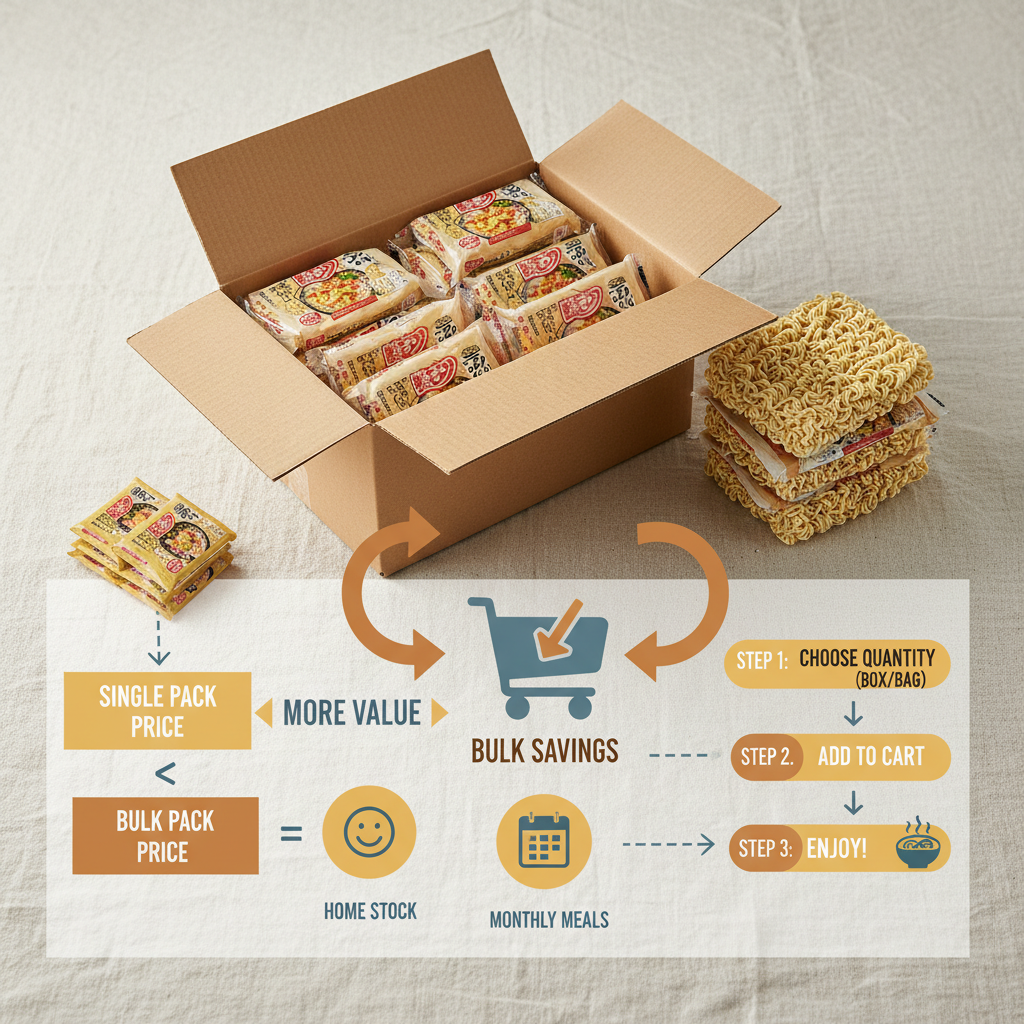
At its core, the practice of buy ramen noodles in bulk involves acquiring a large quantity of ramen noodles directly from manufacturers, wholesalers, or specialized distributors. This contrasts with purchasing smaller, retail-sized packages from grocery stores. The scale of "bulk" can vary significantly, ranging from several cases to entire pallets or even container loads, depending on the buyer’s needs.
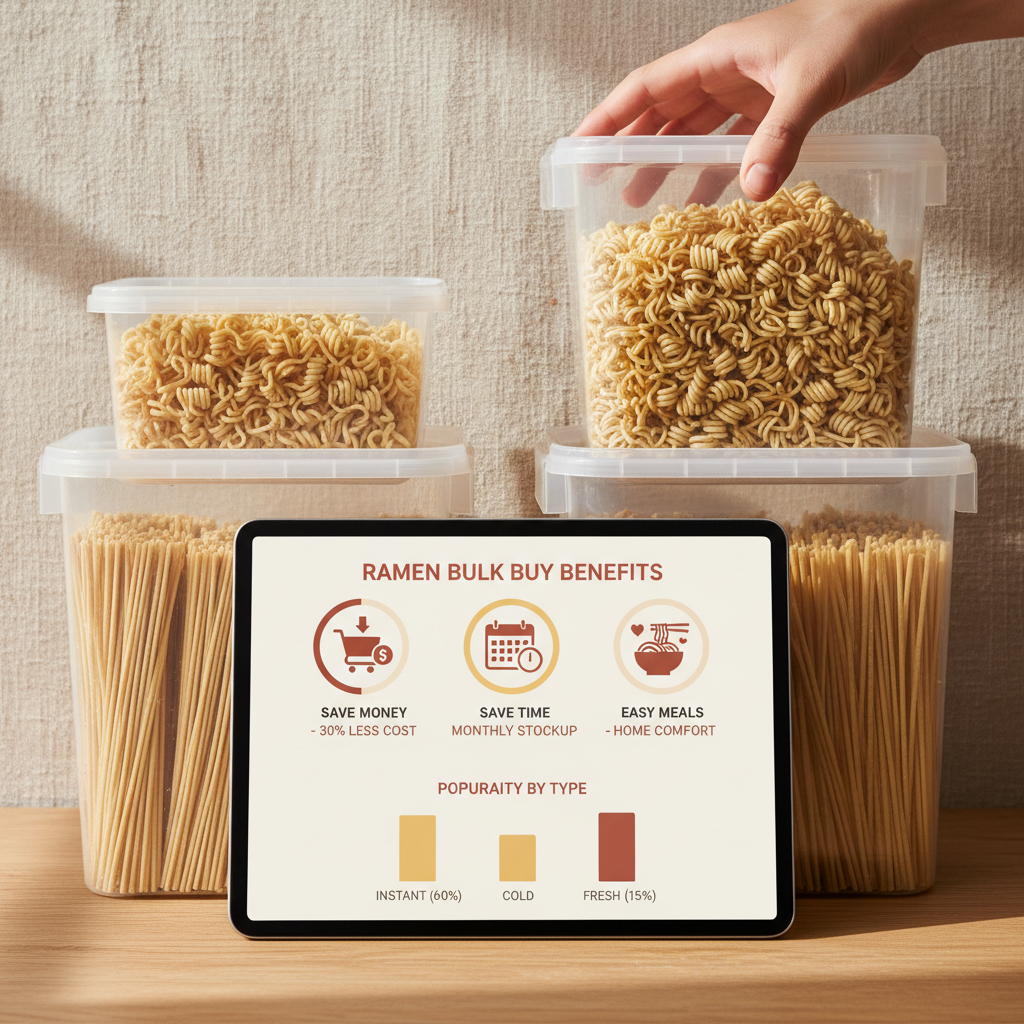
The rationale behind this approach is primarily economic. Bulk purchasing almost always translates to a lower per-unit cost, as suppliers offer discounts for large volume orders. This makes it an appealing option for businesses with high consumption rates, such as restaurants, cafeterias, and catering services, as well as organizations providing food aid or emergency supplies.
The Global Market for Bulk Ramen Noodles
The global instant noodle market, and subsequently the bulk ramen noodle market, is substantial and continuously evolving. According to recent data, Asia accounts for the vast majority of global consumption, with China, Indonesia, and Japan being the largest markets. However, demand is increasing in other regions, particularly in Africa and Latin America, driven by urbanization, changing lifestyles, and affordability.
The market is characterized by a mix of established multinational brands and numerous local manufacturers. The rise of e-commerce has also created new opportunities for suppliers to reach a wider customer base, including those seeking to buy ramen noodles in bulk online. The market’s sensitivity to price fluctuations in wheat, palm oil, and other raw materials also influences bulk purchasing strategies.
Competition within the bulk ramen noodle sector is intense, with suppliers vying for contracts with large-scale buyers. This drives innovation in packaging, logistics, and product offerings, as companies seek to provide value-added services and competitive pricing.
Defining Bulk Ramen Noodle Procurement
Defining “bulk” when you buy ramen noodles in bulk is context-dependent. For a small restaurant, a bulk purchase might involve several cases of noodles per week. For a disaster relief organization, it could involve ordering multiple pallets or even container loads to distribute to affected populations.
Procurement typically involves a formal process, including requesting quotes from multiple suppliers, negotiating prices and terms, and establishing a reliable supply chain. Factors to consider include shipping costs, storage capacity, shelf life, and quality control. Ensuring consistent quality is paramount, as a large shipment of substandard noodles can lead to significant losses.
Successful bulk procurement requires careful planning and coordination. It’s not simply about finding the lowest price; it’s about building a long-term relationship with a reputable supplier who can consistently deliver high-quality products on time and within budget.
Key Factors in Successful Bulk Purchasing
Successful bulk purchasing of ramen noodles hinges on several critical factors. First, Price Negotiation is crucial. Suppliers often offer tiered pricing based on quantity, so securing the best possible rate requires skillful negotiation and comparing quotes from multiple vendors. Second, Supplier Reliability is paramount; a consistent supply of high-quality noodles is essential.
Third, Storage and Logistics must be carefully considered. Bulk purchases require adequate storage space with appropriate temperature and humidity control to maintain product freshness. Efficient logistics are also vital to ensure timely delivery and minimize transportation costs.
Factors Impacting Bulk Ramen Noodle Purchasing Decisions
Real-World Applications of Bulk Ramen Noodles
The applications of buy ramen noodles in bulk are diverse. Large restaurants and food service providers consistently require substantial quantities to meet customer demand. Educational institutions, such as schools and universities with sizable cafeterias, rely on bulk purchasing for cost-effective meal provision.
In post-disaster relief operations, ramen noodles serve as a critical food source due to their long shelf life, ease of preparation, and nutritional value. Organizations like the Red Cross and World Food Programme frequently include them in emergency food aid packages.
Advantages and Long-Term Value Proposition
The advantages of purchasing ramen noodles in bulk extend beyond simple cost savings. A consistent, reliable supply chain mitigates the risk of stockouts and ensures operational continuity. The long shelf life of instant noodles reduces waste and simplifies inventory management.
From a social impact perspective, bulk purchasing empowers organizations to provide affordable and accessible nutrition to vulnerable populations. The convenience and ease of preparation contribute to food security, especially in challenging environments. Building strong relationships with reputable suppliers fosters trust and ensures product quality.
Economically, consistent access to competitively priced noodles allows businesses to maintain profitability while offering affordable options to consumers. This contributes to a stable food supply and reduces the overall cost of living.
Future Trends and Innovations in Bulk Noodle Supply
Several trends are shaping the future of bulk ramen noodle supply. Growing demand for sustainable packaging is driving innovation in eco-friendly materials and reducing plastic waste. Traceability technologies, such as blockchain, are enhancing supply chain transparency and ensuring product authenticity.
Automation in manufacturing and logistics is improving efficiency and reducing costs. The development of new noodle formulations with enhanced nutritional profiles, such as higher protein content or added vitamins, is catering to evolving consumer preferences. Furthermore, exploring alternative wheat sources and reducing water consumption in production are contributing to environmental sustainability.
Digital platforms are streamlining the bulk ordering process, providing buyers with greater access to suppliers and real-time price comparisons. This increased efficiency and transparency will continue to drive value within the industry.
Summary of Key Considerations in Bulk Ramen Noodle Supply Chain Optimization
| Supplier Relationship |
Logistics Efficiency |
Quality Control Measures |
Cost Management Strategies |
| Long-term contracts |
Optimized shipping routes |
Regular product testing |
Volume discounts |
| Collaborative forecasting |
Consolidated shipments |
Supplier audits |
Negotiated payment terms |
| Performance-based incentives |
Cross-docking facilities |
Batch tracking |
Currency hedging |
| Joint product development |
Real-time tracking systems |
Certifications (e.g., ISO 22000) |
Strategic sourcing |
| Open communication channels |
Warehouse optimization |
Shelf life monitoring |
Total cost of ownership analysis |
| Risk sharing agreements |
Automated inventory management |
Preventive maintenance |
Competitive bidding |
FAQS
Minimum order quantities (MOQs) vary significantly by supplier. Some wholesalers may have a relatively low MOQ, such as a few cases, while others may require a full pallet or container load. It's crucial to inquire about the MOQ before placing an order to ensure it aligns with your needs. Factors influencing MOQs include the type of noodle, packaging, and shipping destination.
Typically, unopened packages of instant ramen noodles have a shelf life of 6-12 months, depending on the manufacturer and storage conditions. Proper storage is essential – keep them in a cool, dry place away from direct sunlight and strong odors. While they may remain safe to eat beyond the ‘best before’ date, the quality and flavor might deteriorate.
Shipping costs depend on the weight and volume of the order, the distance to the destination, and the shipping method chosen (e.g., truck, rail, sea freight). It's important to request shipping quotes from multiple carriers to compare prices. Some suppliers may offer free shipping for orders exceeding a certain value.
Yes, a wide variety of ramen noodles are available for bulk purchase, including different flavors (e.g., chicken, beef, shrimp, vegetable), noodle types (e.g., curly, straight, thin, thick), and packaging options (e.g., cups, bowls, packs). You can also find organic, gluten-free, and vegetarian options.
Common payment methods include credit cards, bank transfers (wire transfers), and letters of credit. Some suppliers may also accept PayPal or other online payment platforms. Payment terms may vary depending on the supplier and the size of the order. Establishing a solid business credit history can often secure better payment terms.
Choose a reputable supplier with a proven track record of quality control. Request samples before placing a large order to assess the product's taste, texture, and appearance. Look for certifications such as ISO 22000, which demonstrate adherence to food safety standards. Inspect the packaging for damage upon delivery and report any issues immediately.
Conclusion
In conclusion, the strategic decision to buy ramen noodles in bulk offers a compelling combination of cost savings, supply chain resilience, and access to a versatile food product. From large-scale food service operations to humanitarian aid initiatives, the benefits are substantial and far-reaching. Understanding the key factors involved in successful bulk procurement – from supplier selection to logistics management – is crucial for maximizing value and ensuring consistent quality.
Looking ahead, embracing innovations in sustainable packaging, traceability technologies, and streamlined ordering platforms will further enhance the efficiency and value of bulk ramen noodle supply chains. We encourage you to explore the opportunities available and discover how buy ramen noodles in bulk can benefit your organization or business. Visit our website today to learn more and request a quote.