
Exploring the Delicious World of Chinese Style Cold Noodles
Delicious & Nutritious: Exploring Chinese Style Cold Noodles
Chinese style cold noodles, or liang mian (凉面), are a beloved summer dish known for their refreshing flavor and satisfying texture. These aren’t your average noodles; they represent a culinary tradition with regional variations and a wealth of ingredients. This article will delve into the history, preparation, variations, and nutritional benefits of these delightful noodles, and why Jinxemidry Noodles are the perfect starting point for creating an authentic experience. Get ready to explore a world of cool, flavorful noodles!
A History of Cool Refreshment
The origins of cold noodles in China are ancient, with roots in the northern regions where wheat is a staple. Historically, these noodles were a simple, affordable meal for laborers and farmers, offering a quick and filling source of energy. Over time, the dish evolved, incorporating regional flavors and ingredients. The variations became incredibly diverse, reflecting the culinary traditions of different provinces. From the spicy sesame sauces of Sichuan to the tangy vinegar dressings of Shanxi, cold noodles became a showcase of China’s rich gastronomic landscape.
Key Takeaway: Cold noodles originated as a simple, affordable meal in northern China, evolving over time into a diverse and flavorful dish with regional variations.
The Art of Making Chinese Style Cold Noodles
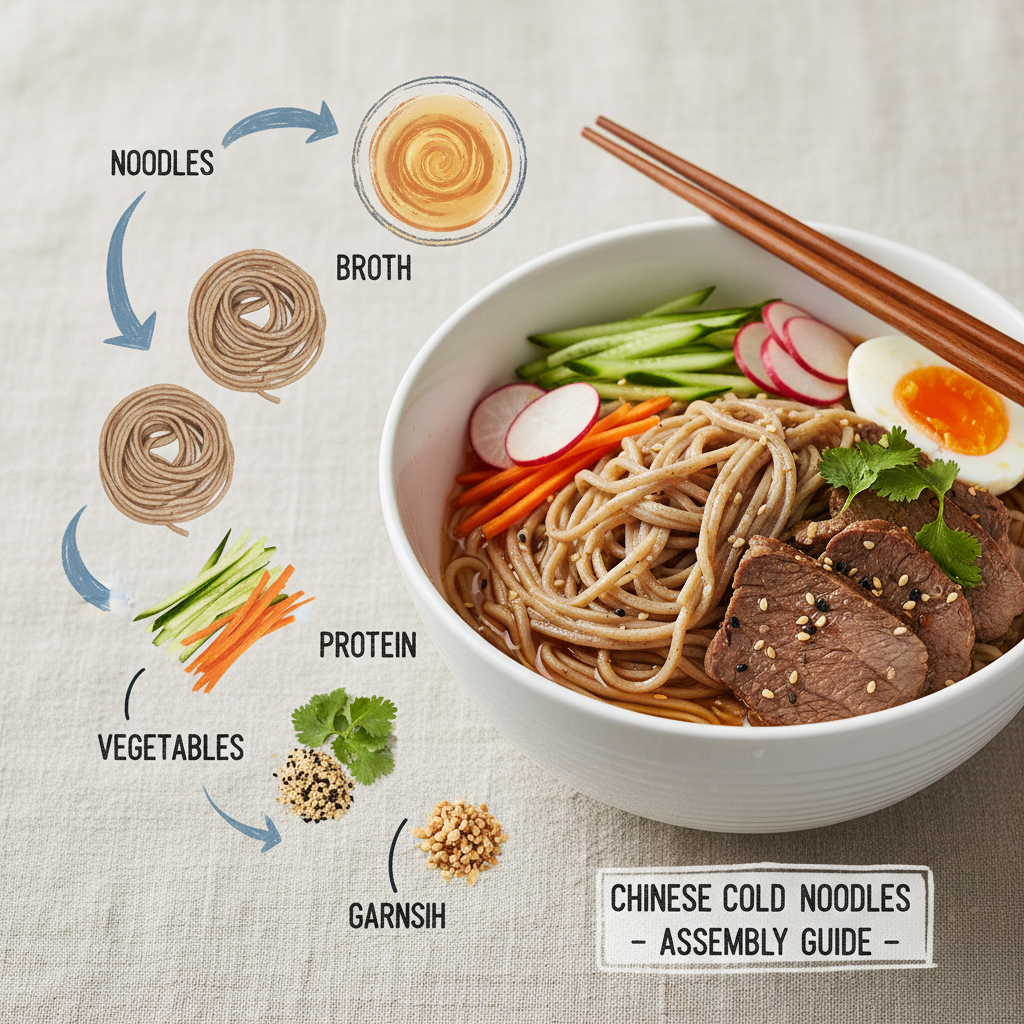
Creating authentic cold noodles requires a few key elements. It all starts with the noodles themselves. Traditionally, noodles are made from wheat flour, but variations using mung bean starch or sweet potato starch also exist. The noodles are cooked, cooled, and often marinated in a light soy sauce mixture to enhance their flavor. The sauce is the heart of the dish, and its composition varies significantly by region. Common ingredients include sesame paste, soy sauce, vinegar, chili oil, garlic, and sugar. Finally, the noodles are topped with a variety of fresh vegetables like cucumber, bean sprouts, and carrots, as well as protein sources such as shredded chicken or peanuts.
Regional Variations: A Culinary Journey
China's vastness has given rise to countless variations of cold noodles. Sichuan cold noodles are famous for their mala (numbing and spicy) flavor profile, achieved through the use of chili oil, Sichuan peppercorns, and sesame paste. Shanxi cold noodles, known as chao mian, feature a tangy vinegar-based sauce and a generous amount of garlic. In Beijing, cold noodles are often served with a sesame sauce and shredded cucumber. And in Northwest China, you'll find variations incorporating cumin and chili flakes for a bolder taste. The diverse sauces and toppings reflect the unique culinary preferences of each region.
Regional Cold Noodle Styles:
• Sichuan: Spicy and numbing mala flavor.
• Shanxi: Tangy vinegar-based sauce with garlic.
• Beijing: Sesame sauce and shredded cucumber.
• Northwest China: Cumin and chili flakes.
Jinxemidry Noodles: Your Gateway to Authentic Flavor
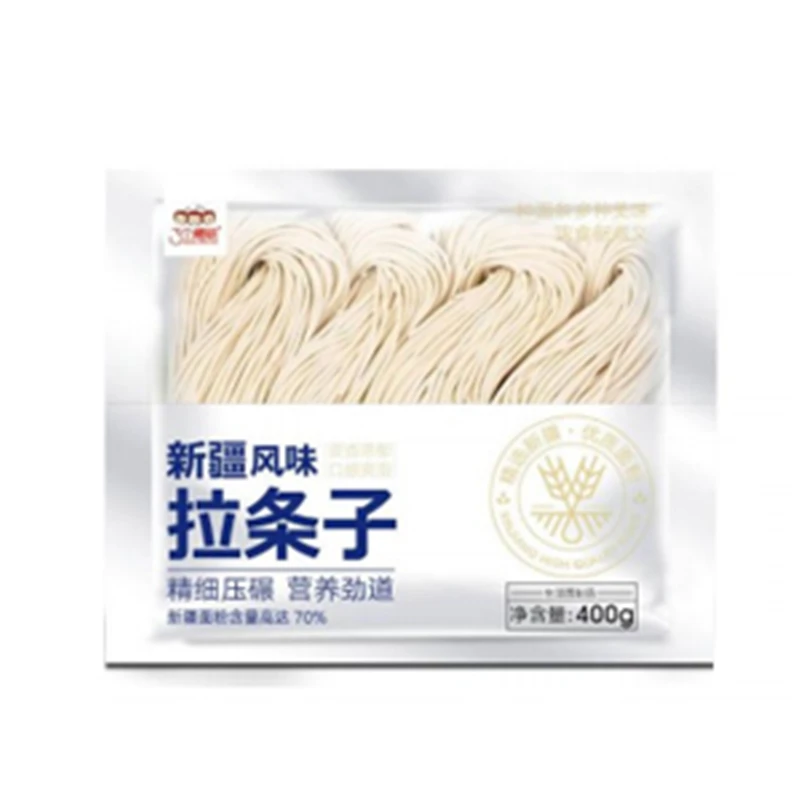
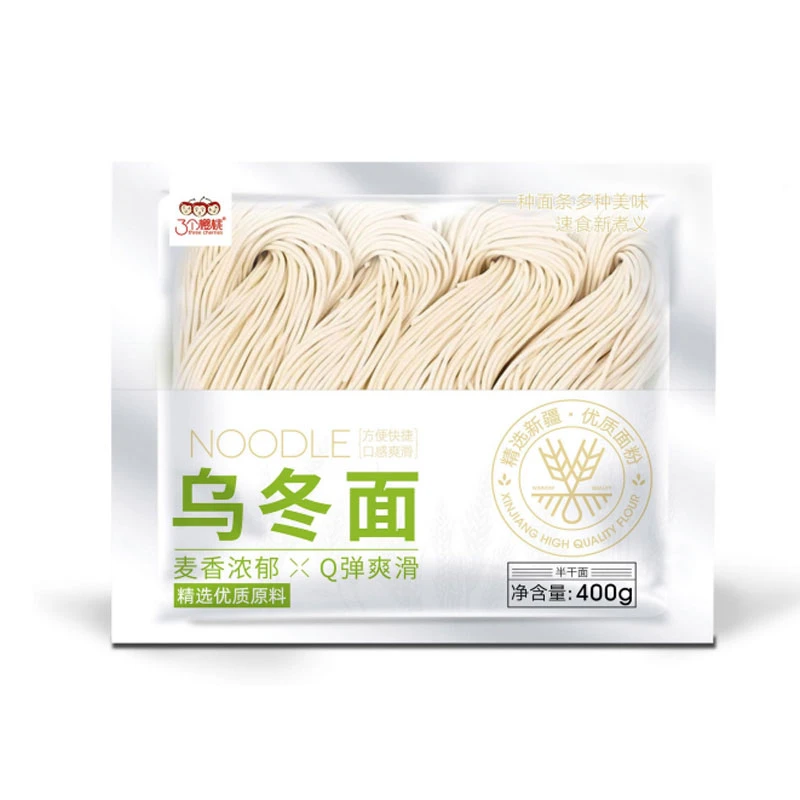
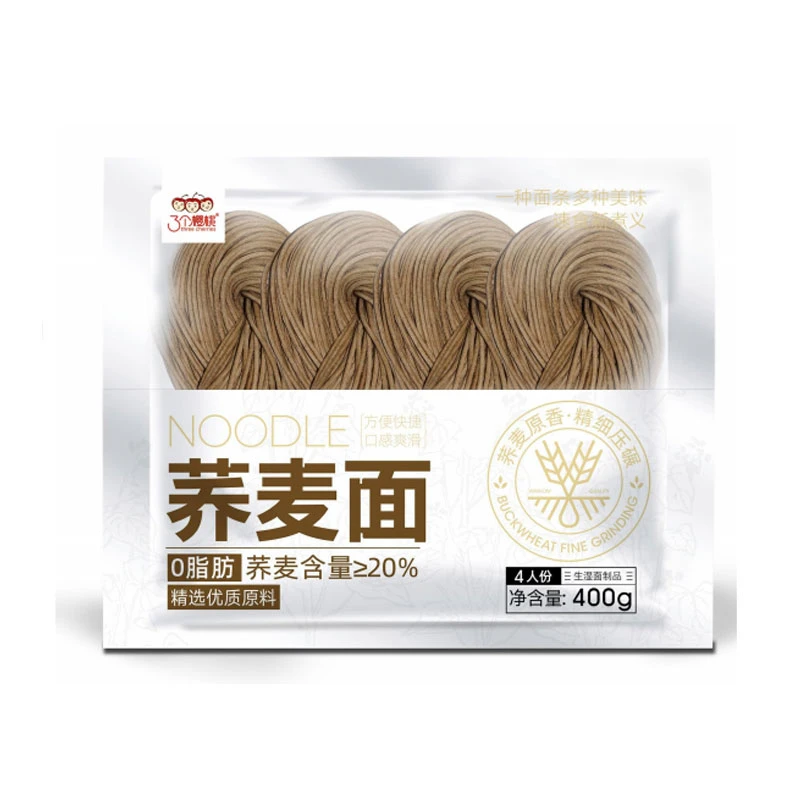
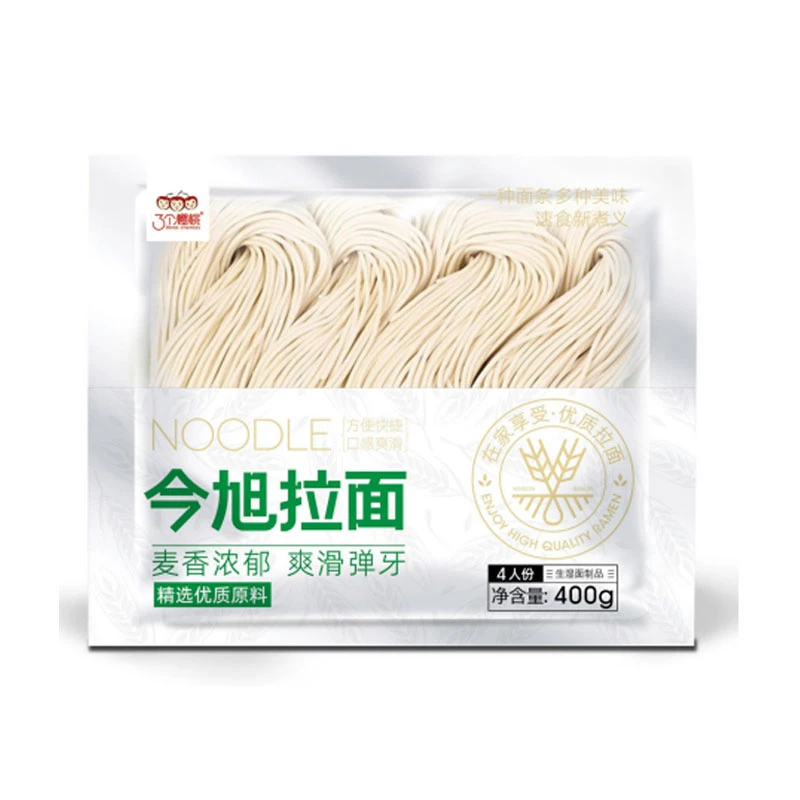
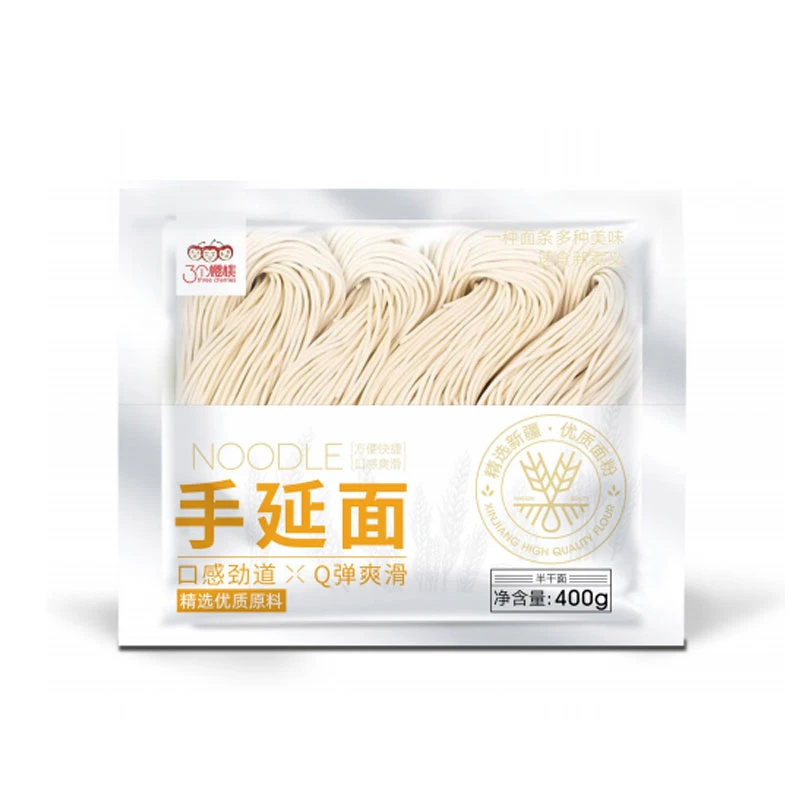
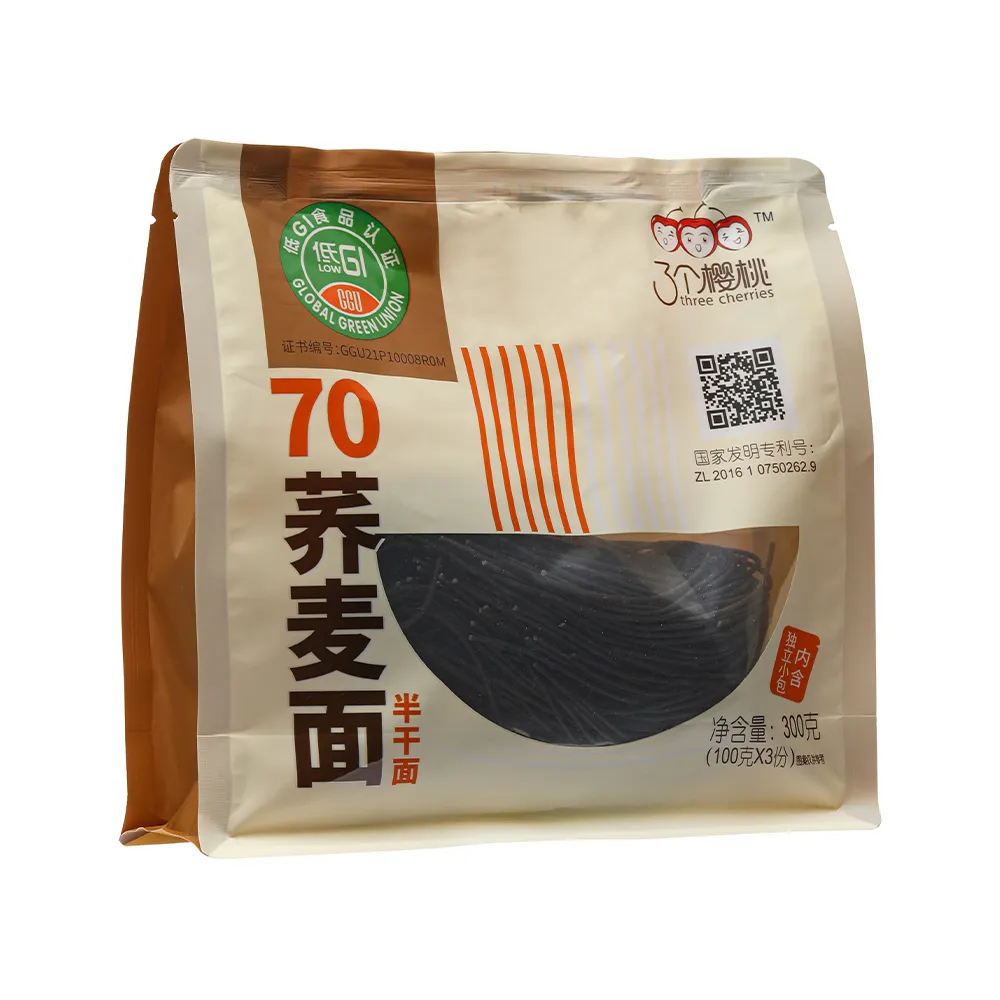
Creating authentic Chinese style cold noodles begins with quality ingredients, and that's where Jinxemidry Noodles excel. Our noodles are carefully crafted using traditional methods and high-quality wheat flour, delivering the perfect texture and bite for a truly satisfying cold noodle experience. We offer a variety of noodle styles to suit different preferences and regional variations. Here's a quick look at our product specifications:
Nutritional Benefits of Cold Noodles
Beyond their delicious taste, cold noodles can be a surprisingly nutritious meal. Wheat noodles provide carbohydrates for energy, while the vegetables add essential vitamins and fiber. Protein sources like chicken or peanuts contribute to muscle health and satiety. By controlling the amount of oil and sugar in the sauce, you can create a healthy and balanced dish. Choosing whole wheat noodles further increases the fiber content, aiding digestion and promoting a feeling of fullness.
In Conclusion: Embrace the Coolness
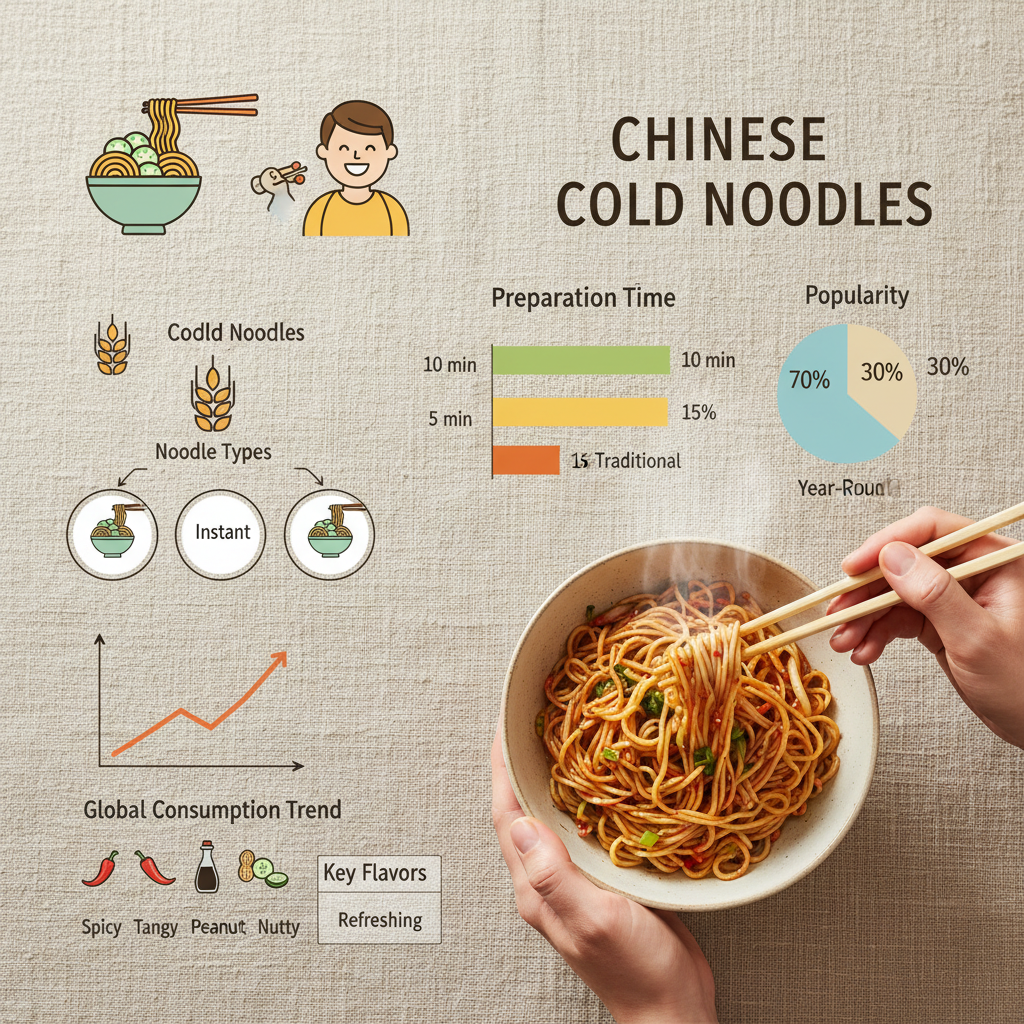
Chinese style cold noodles offer a delicious and refreshing culinary experience. From their rich history and regional variations to their nutritional benefits and ease of preparation, these noodles are a versatile and satisfying meal. With Jinxemidry Noodles, you can easily bring the authentic flavors of China to your own kitchen. So, go ahead, embrace the coolness and create your own cold noodle masterpiece!
Frequently Asked Questions (FAQs)
How should I store Jinxemidry Noodles?
To maintain the quality of Jinxemidry Noodles, store them in a cool, dry place away from direct sunlight. An airtight container is recommended to prevent moisture absorption. Properly stored, our noodles can retain their freshness for up to 6 months. Avoid storing them in the refrigerator, as this can cause them to become brittle. Always check the expiration date before use.
Can I use Jinxemidry Noodles for other dishes besides cold noodles?
Absolutely! Jinxemidry Noodles are incredibly versatile. They can be used in stir-fries, soups, or even baked noodle casseroles. Their firm texture holds up well to various cooking methods and sauces. Feel free to experiment and get creative with your culinary endeavors. The possibilities are endless!
What is the best way to prepare the sauce for cold noodles?
The best sauce depends on your preferred regional style! For a basic Sichuan-inspired sauce, combine sesame paste, soy sauce, black vinegar, chili oil, minced garlic, and a touch of sugar. Adjust the ratios to your liking. For a Shanxi-style sauce, focus on black vinegar, soy sauce, and plenty of minced garlic. Remember to taste and adjust the seasoning as you go. Don’t be afraid to experiment and find your perfect balance of flavors!
Are Jinxemidry Noodles vegetarian-friendly?
Yes! Our Classic Wheat Noodles and Mung Bean Noodles are naturally vegetarian. However, always check the ingredients of any sauces or toppings you use to ensure they are also vegetarian-friendly. Many traditional cold noodle dishes include meat-based ingredients, so it's important to be mindful when choosing your accompaniments.
-
Discover the Authentic Taste of Korean Buckwheat NoodlesNewsApr.16,2026
-
Discover the Refreshing Taste of Authentic Korean Cold SobaNewsApr.09,2026
-
Discover the Refreshing Taste of Korean Cold Buckwheat Noodles NaengmyeonNewsApr.07,2026
-
Discover the Cool and Refreshing World of Korean Buckwheat Noodles ColdNewsApr.04,2026
-
Discover the Refreshing Taste of Japanese Cold Buckwheat Noodles and Zaru SobaNewsMar.31,2026
-
Discover the Cool and Refreshing World of Korean Cold Soba NoodlesNewsMar.26,2026
-
Discover the Refreshing World of Japanese Cold Soba Noodle CuisineNewsMar.24,2026
Browse qua the following product new the we