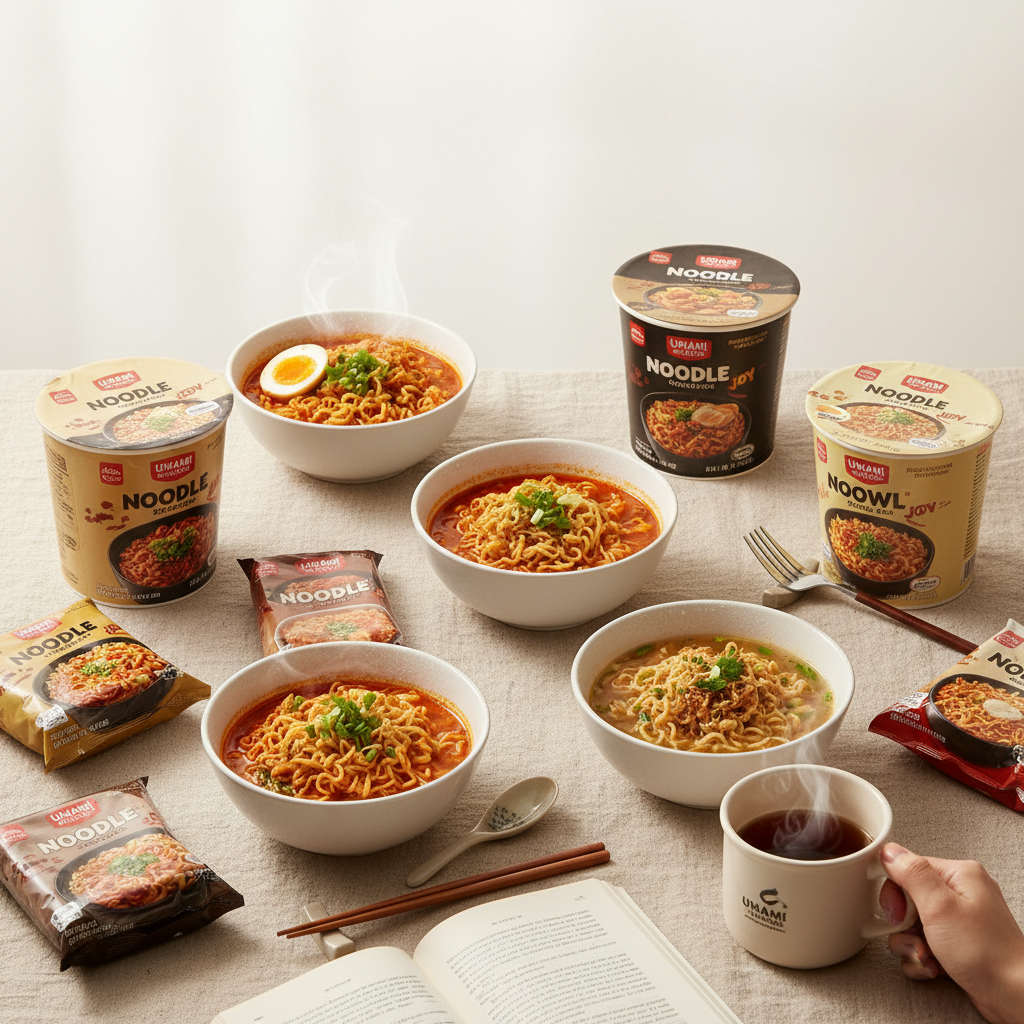
Instant ramen noodles. They’re more than just a quick meal, trust me. I’ve seen these things in action, not just on college campuses, but in disaster zones, remote construction camps, even supporting troops overseas. It's a foundational foodstuff, incredibly resilient and adaptable. Folks underestimate the sheer logistical power of something that ships light, stores well, and provides calories when you need them most. We spend weeks, sometimes months, getting food supplies to remote sites – instant ramen cuts through the red tape and the rough terrain like nothing else.
The beauty of instant ramen isn't just that it exists, but how it exists. The engineering behind it – the dehydration process, the seasoning packets, the packaging – is a marvel of food science and supply chain management. I've seen engineers marvel at the shelf life and transport efficiency. It’s a product designed for practicality, for real-world constraints, and that's something that resonates deeply with anyone who spends their days problem-solving in the field. It’s a baseline solution for human energy.
I've been building things on site for 20 years, and you learn quickly that reliable access to food is non-negotiable. Happy workers are productive workers, and well-fed workers are safe workers. Instant ramen noodles provide a consistent, readily available source of energy, and that translates directly into better quality work and fewer incidents. It’s not glamorous, but it’s crucial.
The Global Impact of instant ramen noodles
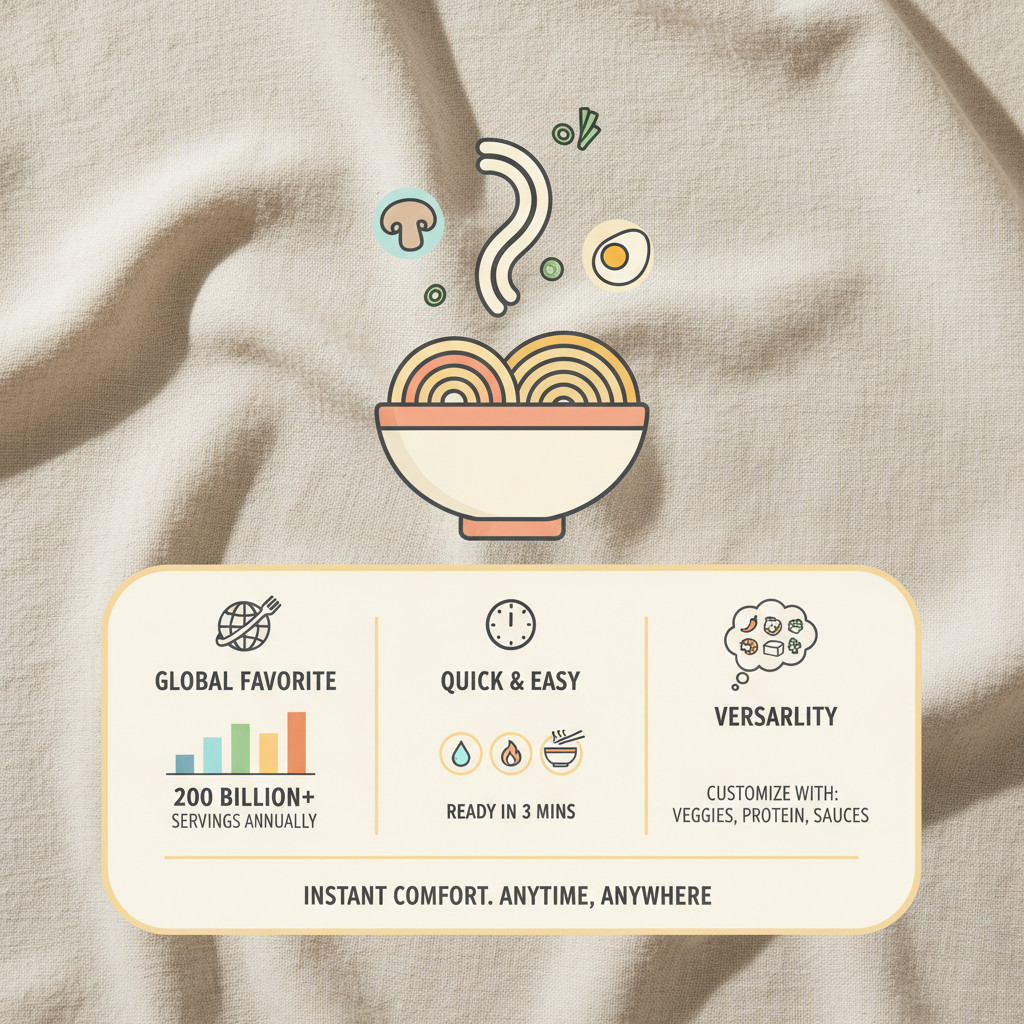
Instant ramen noodles aren’t just a convenience food; they're a global phenomenon. With over 100 billion servings consumed annually worldwide, it’s a staple in diets across Asia, North America, Europe, and beyond. According to the World Instant Noodle Association (WINA), China is the largest consumer, followed by Indonesia and Japan. The UN and various humanitarian organizations consistently rely on instant ramen in disaster relief efforts due to its long shelf life and ease of preparation.
The accessibility and affordability of instant ramen address a critical challenge: food security. In regions facing economic hardship or natural disasters, it provides a reliable source of sustenance when other options are limited. The problem isn't just feeding people, it’s feeding them efficiently and reliably, especially in difficult circumstances. Instant ramen solves that problem, plain and simple.
Defining instant ramen noodles: A Modern Staple
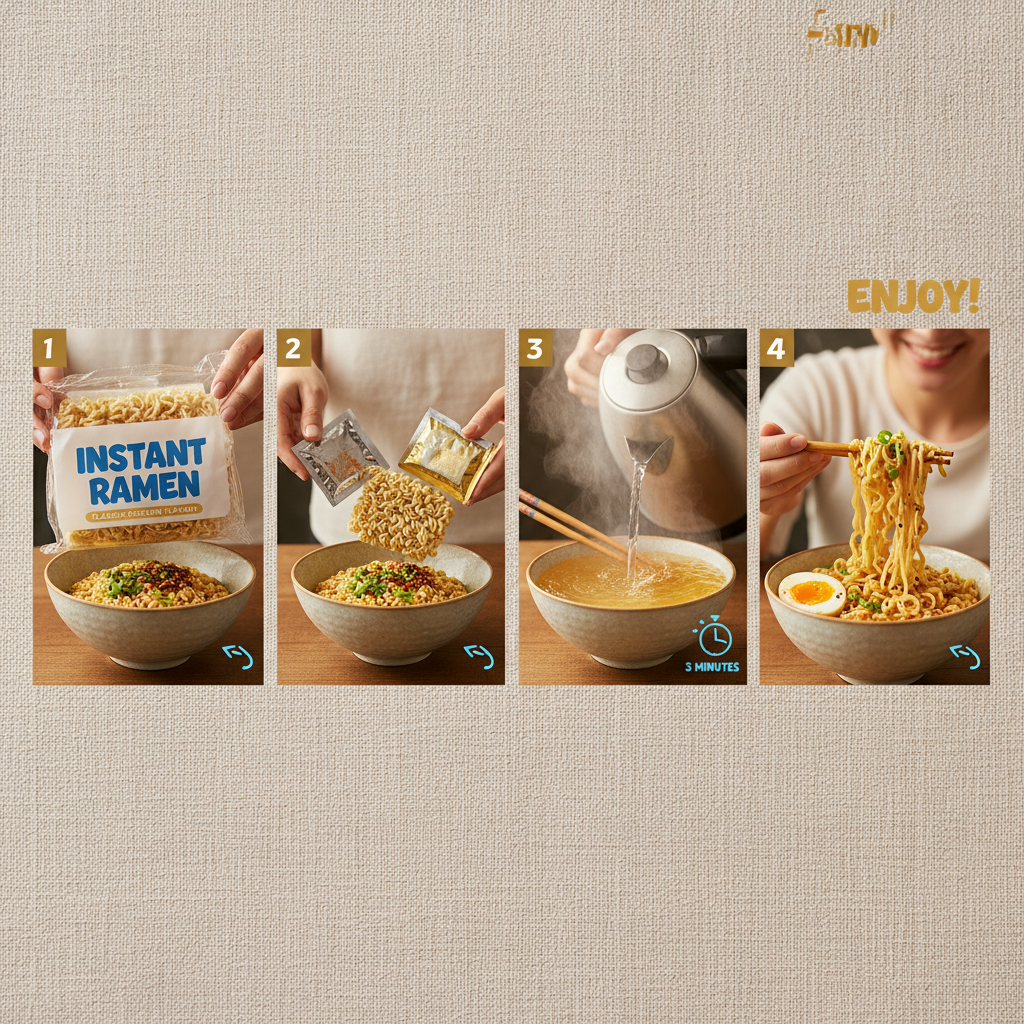
At its core, instant ramen noodles are pre-cooked wheat noodles that have been dehydrated, then packaged with a flavoring packet. This packet typically contains seasoning, oil, and dehydrated vegetables or meat. The brilliance is in the process – it allows for quick and easy preparation by simply adding hot water. It’s a complete meal in a compact package.
The connection to modern industry and humanitarian needs is direct. The development of instant ramen in post-World War II Japan was driven by the need to address food shortages. Momofuku Ando, the inventor, sought a way to provide affordable and accessible nutrition to a population grappling with scarcity. Today, that legacy continues in emergency food aid and sustainable feeding programs.
I’ve seen instant ramen deployed faster than any other hot meal solution during flood recovery. The logistical ease of transport and the minimal need for infrastructure make it a game-changer in crisis situations, saving time and resources when every second counts.
Key Characteristics of instant ramen noodles
Durability is paramount. Instant ramen boasts an exceptionally long shelf life – often exceeding a year – due to the dehydration and packaging processes. That’s critical when you’re storing supplies for emergency preparedness or shipping goods to remote locations. It doesn’t rot, it doesn’t require refrigeration, and it withstands rough handling.
Cost-efficiency is another key factor. Compared to other ready-to-eat meals, instant ramen is remarkably affordable, making it accessible to a wide range of consumers, including those with limited incomes. This makes it a sustainable food source in areas with economic challenges. It's a cost-effective way to provide calories, and that matters a lot when budgets are tight.
Portability is a huge advantage. The lightweight packaging and compact size make it easy to transport and store, ideal for backpacking, camping, or emergency kits. I've carried cases of this stuff on construction sites where there are no nearby food vendors, and it's always been a reliable option.
Practical Applications in Diverse Settings
The applications are incredibly diverse. In post-disaster relief operations, instant ramen is often among the first food items delivered to affected communities. Its ease of preparation and minimal water requirements are invaluable when infrastructure is compromised. It's the first hot meal a lot of people get after losing everything.
In remote industrial zones – think mining camps, oil rigs, or large construction projects – instant ramen provides a convenient and affordable meal option for workers who may have limited access to fresh food. I've spent years working in places where instant ramen was a dietary staple.
instant ramen noodles Preparation Speed Comparison
Advantages and Long-Term Value Proposition
The tangible benefits are clear: it’s cheap, it lasts, and it’s easy to make. But there’s more to it than that. Providing a consistent source of calories builds trust and maintains morale in challenging situations. People need to know they can rely on a basic level of sustenance.
From a sustainability standpoint, instant ramen’s compact packaging reduces transportation costs and environmental impact compared to heavier, bulkier food options. It's not perfect, but it's often the most practical choice available when you need to get food to people quickly and efficiently.
Global Applications & Use Cases
In refugee camps, instant ramen provides a crucial source of nutrition for displaced populations. The ability to prepare a hot meal with limited resources offers a sense of normalcy and dignity in incredibly difficult circumstances. It’s a small comfort, but it matters.
Military organizations worldwide incorporate instant ramen into their field rations. Its lightweight nature and long shelf life make it ideal for troops deployed in remote locations. I’ve seen it included in survival kits for pilots and special forces.
Disaster preparedness kits increasingly include instant ramen, recognizing its reliability and convenience in emergency situations. Knowing you have a readily available source of nourishment can provide peace of mind during uncertain times.
Future Trends & Innovations in instant ramen noodles
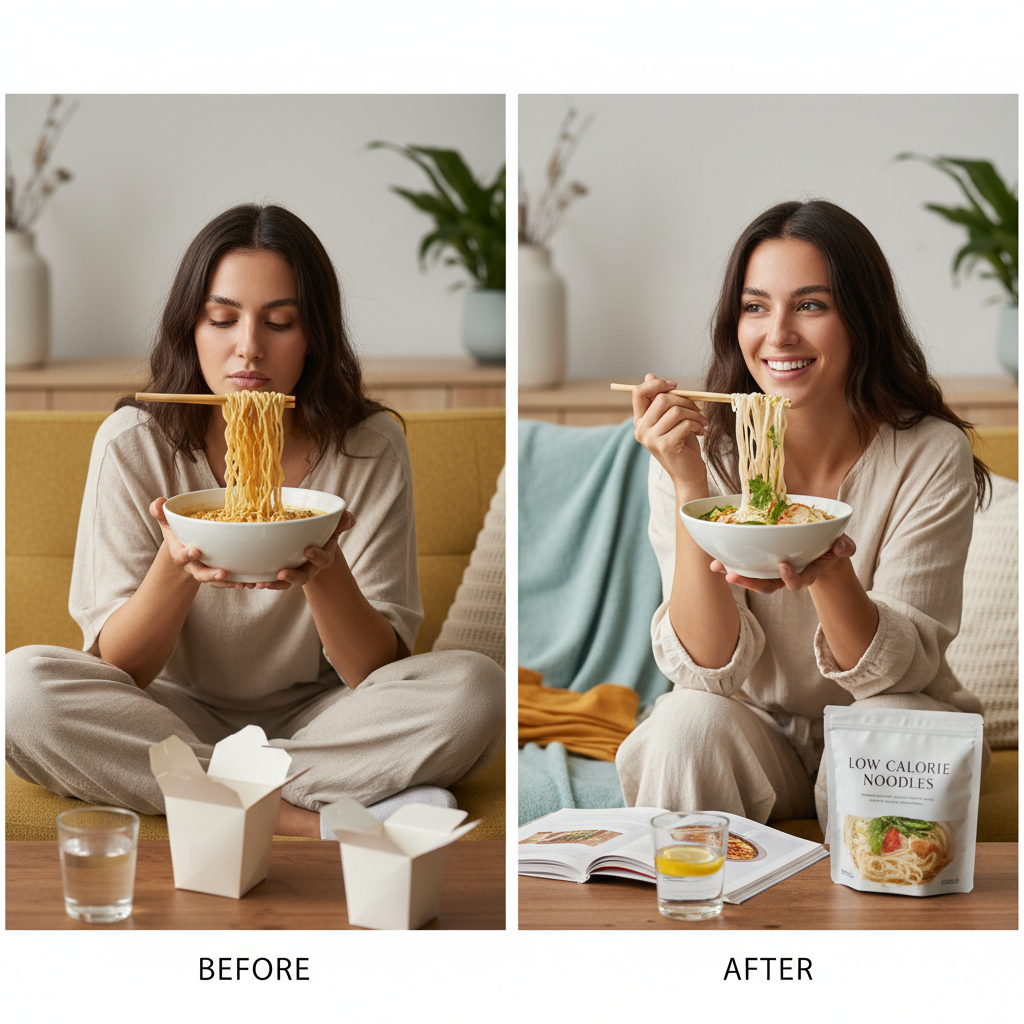
We’re seeing a push towards healthier instant ramen options, with reduced sodium content and the incorporation of more vegetables and lean proteins. Companies are experimenting with alternative noodle bases, like brown rice and quinoa, to cater to health-conscious consumers.
Sustainable packaging is another area of innovation. Biodegradable and compostable packaging materials are being explored to reduce the environmental footprint. It's about minimizing waste and maximizing the product’s overall sustainability.
Automation in production and supply chain management will further streamline the process, reducing costs and increasing efficiency. Digital tracking and traceability technologies will enhance food safety and quality control.
Overview of Future Trends in instant ramen noodles Production and Consumption
| Trend Category |
Innovation Focus |
Impact on Sustainability |
Projected Timeline |
| Health & Nutrition |
Reduced Sodium, Increased Protein |
Moderate (Improved nutritional profile) |
1-3 Years |
| Packaging Materials |
Biodegradable Polymers, Compostable Films |
High (Reduced plastic waste) |
3-5 Years |
| Noodle Base Alternatives |
Brown Rice, Quinoa, Legume-Based Noodles |
Moderate (Increased nutritional value) |
2-4 Years |
| Production Automation |
Robotics, AI-Powered Quality Control |
Moderate (Reduced waste, increased efficiency) |
Ongoing |
| Supply Chain Digitization |
Blockchain Tracking, Real-Time Inventory Management |
High (Improved traceability, reduced food fraud) |
3-5 Years |
| Flavor Innovation |
Global Cuisine Inspired Flavors, Spicy Options |
Low (Primarily consumer preference) |
Ongoing |
FAQS
Instant ramen noodles generally have a shelf life of at least one year from the date of manufacture, and often longer. The dehydration process and sealed packaging prevent spoilage. However, the flavor and texture can degrade over time, so it’s best to consume it within the recommended timeframe for optimal quality. I've seen packs last even longer in proper storage, but taste is key.
While convenient and calorie-dense, instant ramen noodles are typically not a nutritionally complete meal. They are often low in essential vitamins, minerals, and fiber. Adding vegetables, eggs, or meat can significantly improve their nutritional value. It's a good energy source, but not a long-term nutritional solution on its own.
In a survival situation, you can prepare instant ramen noodles with any potable water source. If boiling water isn't available, you can use warm water and let it sit for a longer period, though the texture may be different. It’s crucial to ensure the water is purified to avoid illness. Even slightly warm water will soften the noodles enough to be edible.
The seasoning packet typically contains salt, monosodium glutamate (MSG), spices, dehydrated vegetables, and flavor enhancers. Specific ingredients vary by brand and flavor. Some packets may also include sugar and other additives. It’s worth checking the ingredient list if you have dietary restrictions or sensitivities.
Instant ramen noodles can generally withstand a wide range of temperatures, but extreme heat or cold can affect the packaging and potentially compromise the quality. Storing them in a cool, dry place is always recommended. Avoid direct sunlight and moisture. I've seen them survive -20F for short periods, but prolonged exposure isn't ideal.
Absolutely! There are countless ways to elevate instant ramen. Adding an egg, some frozen vegetables, leftover meat, or a dash of soy sauce or sriracha can significantly enhance the flavor and nutritional value. Get creative! That's how we did it on the sites when things got rough.
Conclusion
Instant ramen noodles represent a remarkable intersection of food science, logistics, and cultural impact. They’ve evolved from a post-war solution to a global staple, consistently proving their value in diverse situations, from disaster relief to everyday convenience. It’s a testament to simple, effective engineering and a deep understanding of human need.
Looking ahead, the focus will be on enhancing the nutritional profile, improving sustainability, and leveraging technology to streamline production and distribution. Investing in these areas will ensure that instant ramen noodles continue to serve as a reliable and accessible food source for generations to come. For more information on our commitment to quality and innovation, visit our website.