
Discover the Refreshing World of Japanese Cold Soba Noodle Cuisine
Exploring the World of Japanese Cold Soba Noodle
Japanese cold soba noodles, known as zaru soba or hiyamugi, are a refreshing and popular dish, especially during the warmer months. These thin buckwheat noodles are typically served chilled with a dipping sauce (tsuyu), offering a light and flavorful culinary experience. Beyond a delicious meal, soba noodles boast nutritional benefits and a fascinating cultural history. This article will delve into the origins, preparation, nutritional value, and variations of this beloved Japanese staple, as well as how JX Semi-Dry Noodles delivers exceptional quality for enjoying this iconic dish. Whether you're a seasoned foodie or new to Japanese cuisine, prepare to discover the world of Japanese cold soba noodle!
A Brief History of Japanese Cold Soba Noodle
The origins of soba noodles can be traced back to China, introduced to Japan during the Heian period (794-1185). Initially, soba was considered a rather humble food, often consumed by the working class. Over time, it gained popularity and evolved into a staple dish enjoyed by all social classes. The tradition of serving soba cold emerged later, becoming particularly prevalent during the Edo period (1603-1868). Zaru soba, the most common presentation of cold soba, involves serving the noodles on a bamboo draining basket (zaru), highlighting the dish's refreshing simplicity. Today, soba remains a deeply ingrained part of Japanese culinary culture.
Key Takeaway: Soba noodles have a rich history, originating in China and evolving into a beloved Japanese culinary tradition, particularly enjoyed cold during warmer months.
Preparing Authentic Japanese Cold Soba Noodle
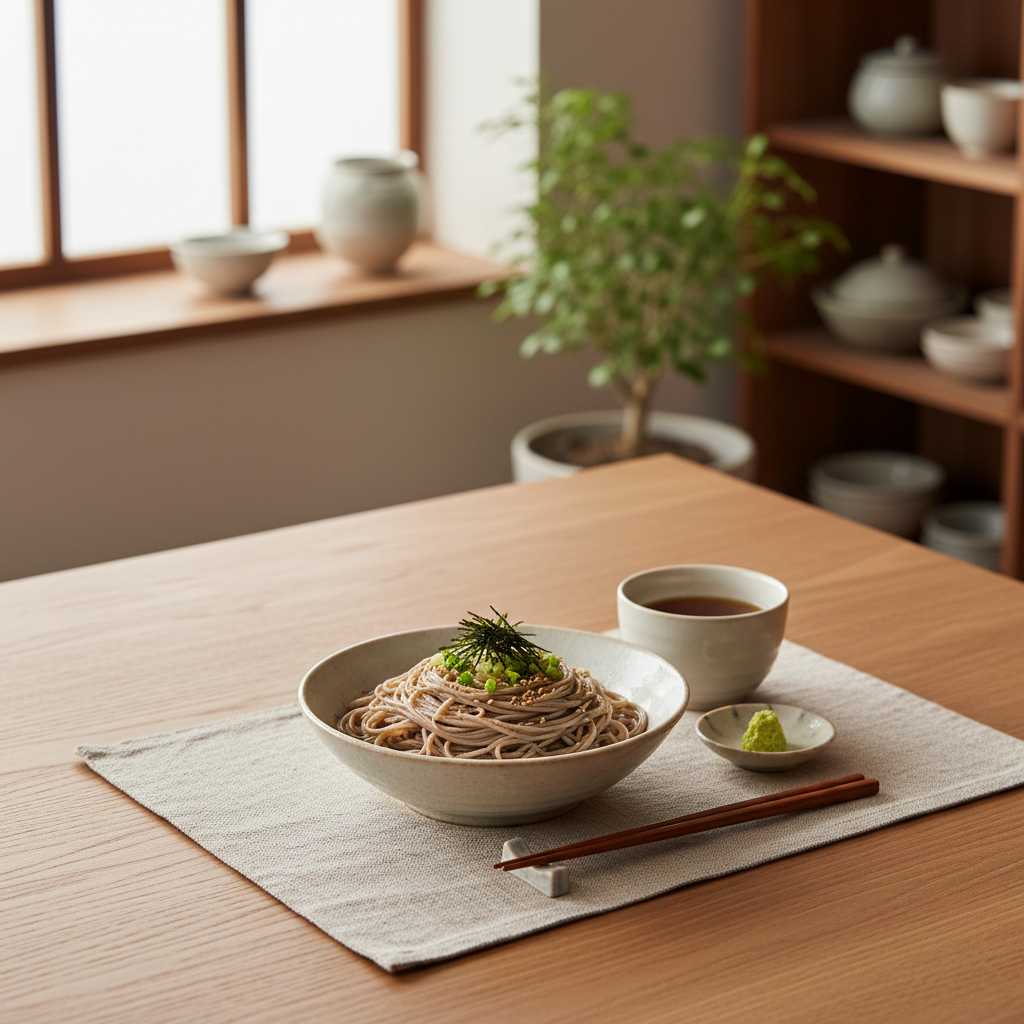
The preparation of cold soba is relatively straightforward, but attention to detail is key. The noodles themselves need to be cooked al dente – firm to the bite. This involves boiling them briefly, then immediately shocking them in ice water to stop the cooking process and maintain their texture. The tsuyu dipping sauce is typically made from dashi (fish stock), soy sauce, mirin (sweet rice wine), and a touch of sugar. Common toppings include thinly sliced scallions, wasabi, and grated daikon radish. A sprinkle of toasted sesame seeds adds a subtle nutty flavor. Quality noodles, like those from JX Semi-Dry Noodles, are crucial for achieving the perfect texture and flavor.
Nutritional Benefits of Soba Noodles
Unlike many other noodles, soba is made primarily from buckwheat flour, offering a range of nutritional benefits. Buckwheat is a good source of protein, fiber, and essential minerals like manganese and magnesium. It also contains rutin, an antioxidant that may contribute to cardiovascular health. Soba noodles have a relatively low glycemic index, meaning they release sugar into the bloodstream slowly, helping to maintain stable energy levels. Choosing 100% buckwheat soba noodles maximizes these health benefits.
Soba Noodles Nutritional Highlights:
• Good source of protein and fiber
• Rich in essential minerals
• Contains rutin, an antioxidant
• Low glycemic index
Variations of Japanese Cold Soba Noodle
While zaru soba is the most classic preparation, numerous variations exist. Hiyamugi uses even thinner wheat flour noodles, offering a slightly different texture. Tokoroten features a translucent, jelly-like noodle made from seaweed starch, often served with a similar dipping sauce. Some regional variations include adding tempura (lightly battered and fried seafood or vegetables) or other toppings to the soba dish. Exploring these different variations allows for a delightful culinary adventure.
Enjoying the Perfect Bowl with JX Semi-Dry Noodles
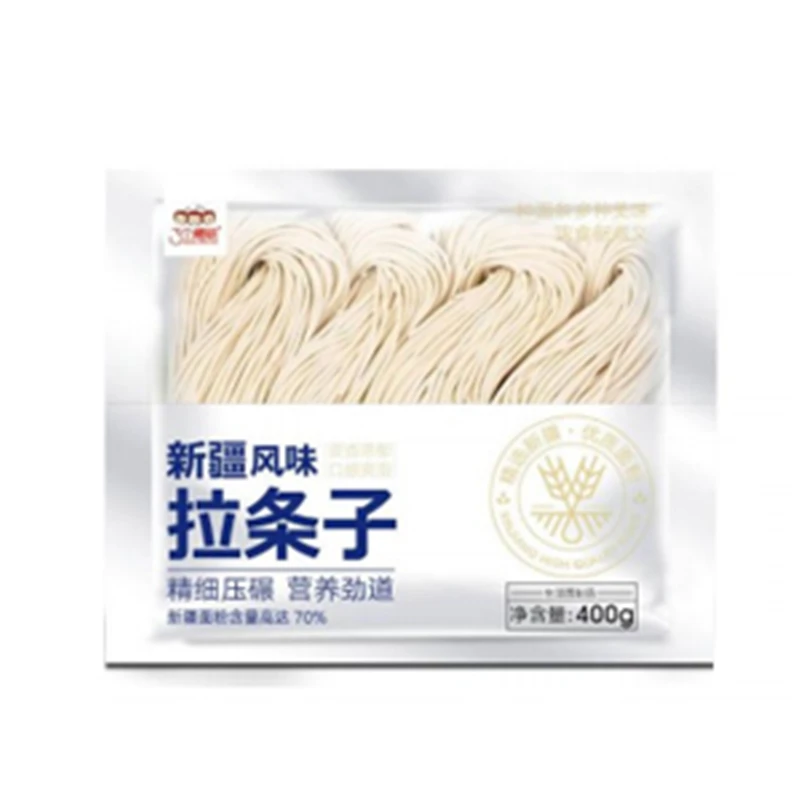
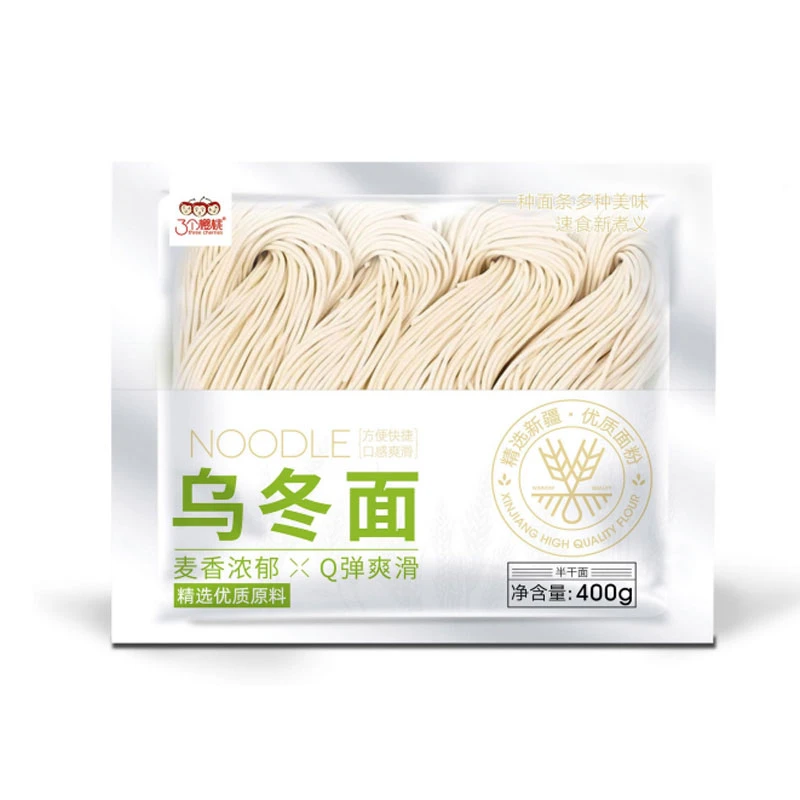
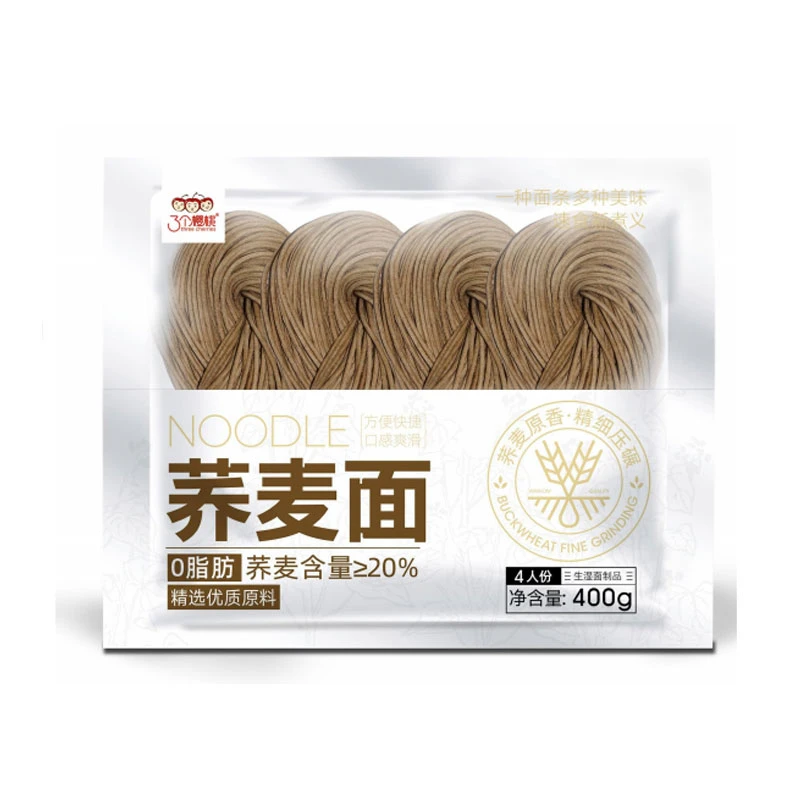
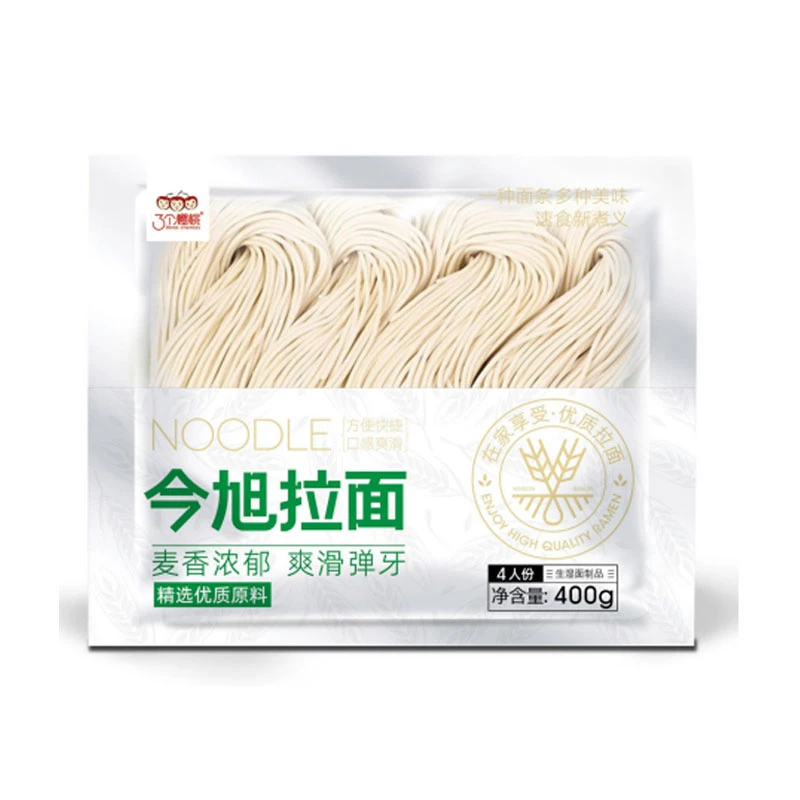
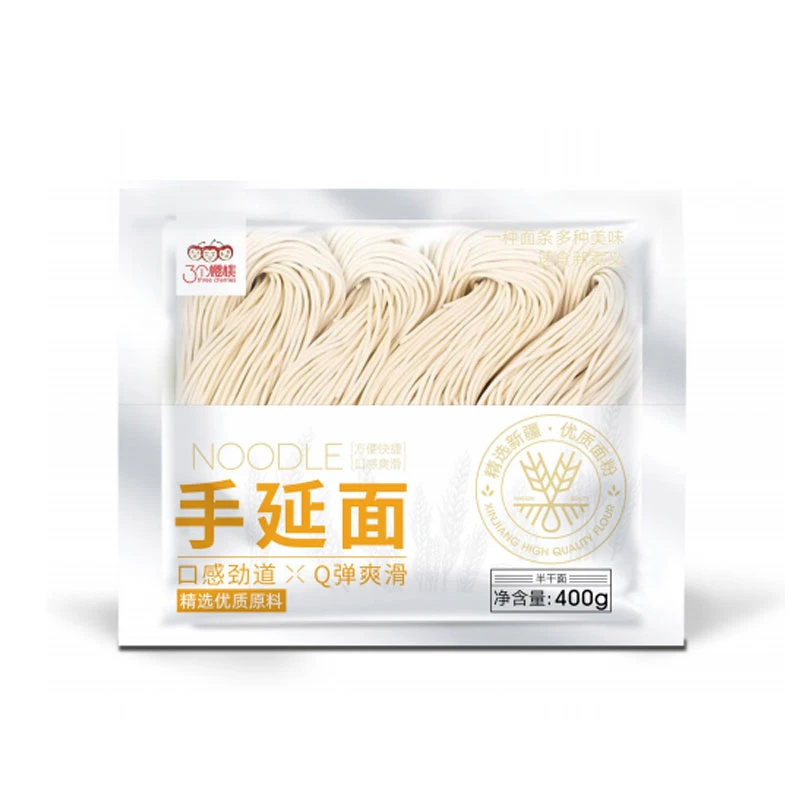
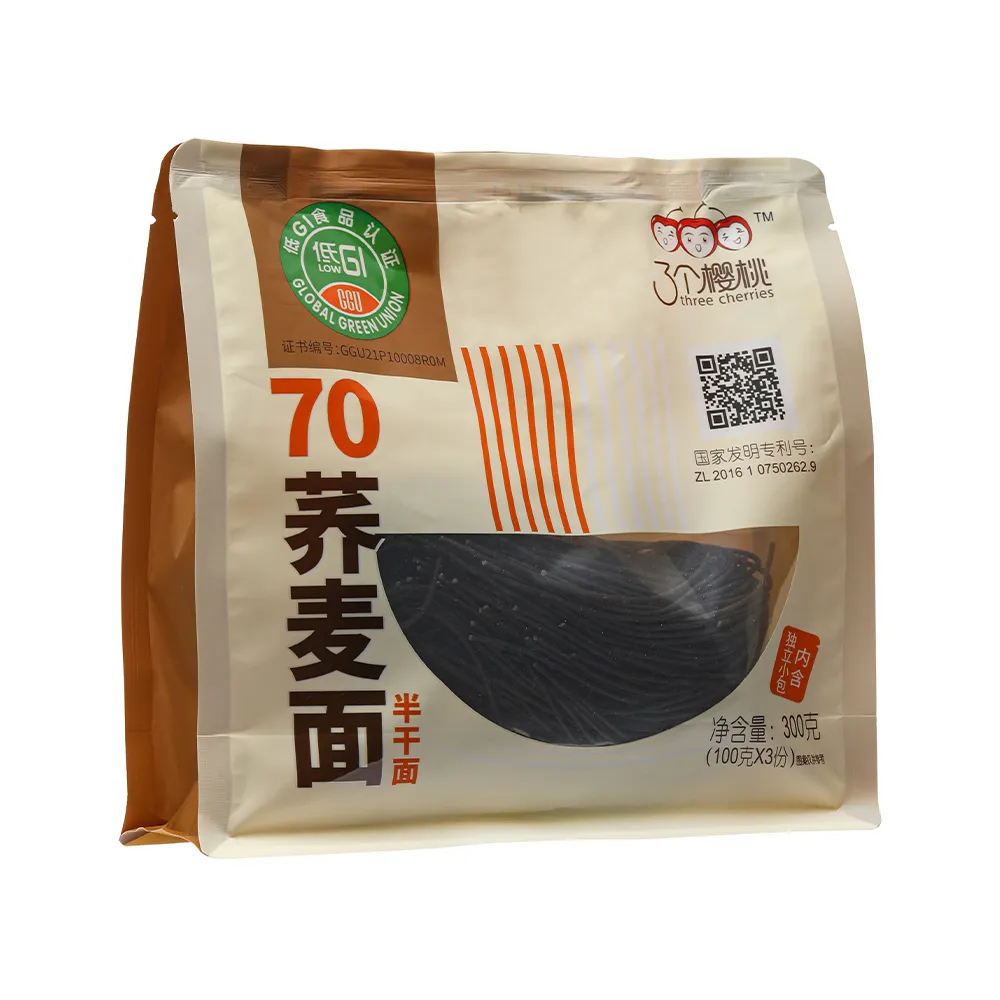
To truly savor the authentic flavor of Japanese cold soba, the quality of the noodles is paramount. JX Semi-Dry Noodles offers exceptional soba noodles that deliver the perfect texture and taste. Our semi-dry process preserves the natural flavors of buckwheat, resulting in a truly satisfying culinary experience. From a simple zaru soba to more elaborate variations, JX Semi-Dry Noodles will elevate your Japanese cooking.
Conclusion: A Culinary Journey with Japanese Cold Soba Noodles
Japanese cold soba noodle is more than just a dish; it's a celebration of flavor, tradition, and health. Whether you're a long-time fan or a curious newcomer, exploring the world of soba is a rewarding culinary journey. With high-quality noodles from JX Semi-Dry Noodles, you can create an authentic and delicious soba experience in your own kitchen.
Frequently Asked Questions (FAQs)
What is the best way to store soba noodles?
Uncooked soba noodles should be stored in a cool, dry place in their original packaging. If you have leftover cooked soba, rinse it thoroughly in cold water to remove excess starch, then store it in an airtight container in the refrigerator for up to two days. Reheating is not recommended, as it can affect the texture. If using JX Semi-Dry Noodles, follow the specific storage instructions on the packaging to maintain optimal quality. Proper storage ensures the noodles remain fresh and flavorful.
Can I use any dipping sauce with soba noodles?
While the traditional tsuyu sauce is the most common pairing, you can experiment with other dipping sauces to suit your taste. Soy sauce, ponzu (citrus-based soy sauce), or even a simple mixture of soy sauce and mirin can work well. Some people enjoy adding a bit of grated ginger or garlic to their dipping sauce for extra flavor. However, keep in mind that the goal is to complement the delicate flavor of the soba noodles, not overpower it.
What's the difference between soba and udon noodles?
The primary difference lies in the ingredients and texture. Soba noodles are made primarily from buckwheat flour, resulting in a slightly darker color and a more delicate, slightly nutty flavor. Udon noodles, on the other hand, are made from wheat flour, creating a thicker, chewier noodle. Udon is often served hot in a broth, while soba is frequently enjoyed cold. Both are delicious, but they offer distinct culinary experiences.
-
Discover the Authentic Taste of Korean Buckwheat NoodlesNewsApr.16,2026
-
Discover the Refreshing Taste of Authentic Korean Cold SobaNewsApr.09,2026
-
Discover the Refreshing Taste of Korean Cold Buckwheat Noodles NaengmyeonNewsApr.07,2026
-
Discover the Cool and Refreshing World of Korean Buckwheat Noodles ColdNewsApr.04,2026
-
Discover the Refreshing Taste of Japanese Cold Buckwheat Noodles and Zaru SobaNewsMar.31,2026
-
Exploring the Delicious World of Chinese Style Cold NoodlesNewsMar.28,2026
-
Discover the Cool and Refreshing World of Korean Cold Soba NoodlesNewsMar.26,2026
Browse qua the following product new the we