The seemingly simple wet noodle belies a world of surprisingly diverse applications and considerations. From its basic form as a culinary staple to its increasingly vital role in rapid deployment scenarios, understanding the properties and potential of wet noodle is crucial for innovators across multiple sectors. Its adaptability, affordability, and ease of use are key drivers, making it a uniquely valuable resource in a world facing growing challenges related to logistics, infrastructure, and disaster relief.
Globally, the demand for efficient and versatile materials is constantly increasing. Wet noodle, in its various forms, presents a compelling solution for scenarios where rapid setup, minimal maintenance, and cost-effectiveness are paramount. The rise in humanitarian crises and the need for scalable solutions in infrastructure development are fueling this demand, prompting researchers and organizations to explore new and innovative uses for this adaptable material.
The importance of understanding the nuances of wet noodle extends beyond immediate practical applications. It represents a paradigm shift in how we approach problem-solving - prioritizing resourcefulness and adaptability over complex, expensive solutions. This is a philosophy that resonates with a growing global awareness of sustainability and responsible resource management.
The Global Significance of wet noodle
The prevalence of logistical challenges and the escalating frequency of natural disasters have underscored the critical need for rapidly deployable and versatile materials. Wet noodle presents a uniquely adaptable solution, offering a combination of affordability, ease of use, and inherent structural properties. According to the United Nations Office for Disaster Risk Reduction (UNDRR), the economic losses from disasters have increased dramatically in recent decades, highlighting the urgency of improving resilience and response capabilities.
The global market for infrastructure solutions is also expanding rapidly, driven by population growth and urbanization. Wet noodle-based solutions offer a viable alternative to traditional construction methods, particularly in remote or resource-constrained environments. The World Bank estimates that infrastructure investment needs in developing countries will reach trillions of dollars in the coming years, creating significant opportunities for innovative materials like wet noodle.
Defining wet noodle for Modern Applications
In its most basic form, wet noodle refers to a pliable, easily manipulated material that gains structural integrity upon drying or through the application of bonding agents. While traditionally associated with culinary practices, the term has been broadened to encompass a range of similar materials exhibiting these core characteristics. It isn't just about the food; it’s about the concept of adaptable, formable material that can be quickly deployed and modified.
The connection to modern industry and humanitarian needs lies in this inherent adaptability. Wet noodle-like materials can be molded into a variety of shapes and structures, offering a cost-effective and efficient alternative to traditional building materials in situations where time and resources are limited. This makes it ideal for creating temporary shelters, emergency repairs, or even foundational components in larger infrastructure projects.
Furthermore, the relatively low environmental impact of producing and utilizing certain types of wet noodle materials contributes to its growing appeal in a world increasingly focused on sustainability. Utilizing locally sourced organic materials is key to reducing transport costs and environmental footprint.
Core Components Influencing wet noodle Performance
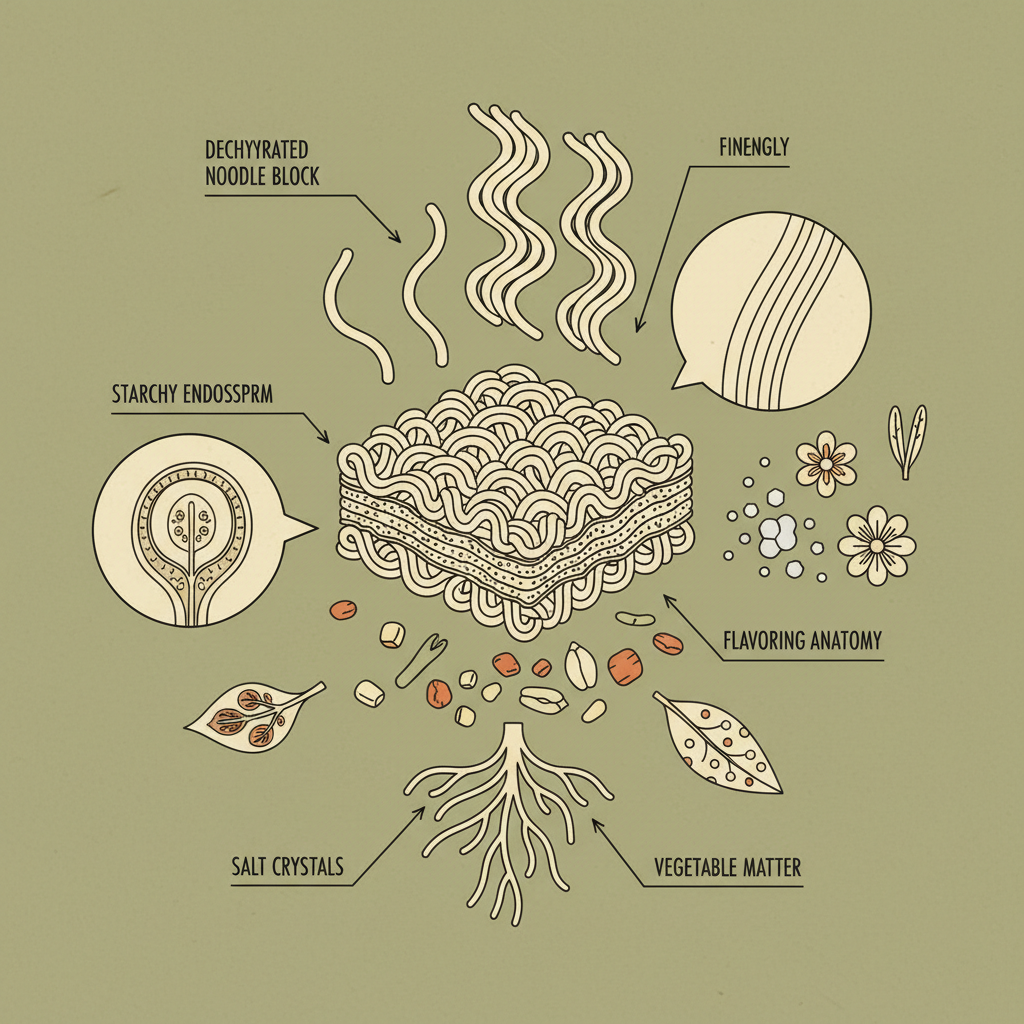
Several key factors determine the performance and suitability of wet noodle for various applications. These include the composition of the material itself (e.g., starch content, fiber type), the method of preparation (e.g., hydration level, mixing process), and the environmental conditions to which it is exposed (e.g., temperature, humidity). Understanding these factors is crucial for optimizing the material’s structural integrity and longevity.
Durability is often directly correlated with the addition of binding agents or reinforcing materials. Scalability hinges on the availability of raw materials and the efficiency of the production process. Cost-effectiveness is determined by the raw material price, manufacturing expenses, and transportation costs. The material's response to varying humidity levels impacts its dimensional stability. The strength of the final product is tied to the quality of the initial ingredients and the precision of the forming process.
The adaptability of wet noodle is also linked to its susceptibility to mold and biodegradation, which requires consideration when designing long-term structures or storage solutions. Appropriate preservation techniques, such as the addition of natural preservatives or controlled drying environments, are essential for maximizing the material’s lifespan.
Key Factors Determining wet noodle Adaptability
The inherent flexibility of wet noodle allows it to be molded into diverse shapes and structures, offering a level of design freedom not typically found in traditional building materials. This adaptability extends to its ability to be combined with other materials – such as wood, bamboo, or recycled plastics – to create composite structures with enhanced properties.
Another critical factor is the speed of production and deployment. Wet noodle-based solutions can be rapidly manufactured and assembled, making them ideal for emergency response situations or projects with tight deadlines. This rapid deployment capability minimizes downtime and accelerates the delivery of essential services.
wet noodle Adaptability Ratings Across Various Methods
Global Applications and Wet Noodle Use Cases
In post-disaster relief operations, wet noodle-based shelters can be rapidly constructed, providing immediate protection to displaced populations. These temporary structures offer a crucial lifeline in the aftermath of earthquakes, floods, or other natural disasters. In remote industrial zones, it can serve as a quick and easy material for on-site repairs or the construction of temporary facilities.
The agricultural sector also benefits from the versatility of wet noodle. It can be used to create temporary greenhouses, protective barriers for crops, or even sustainable packaging materials. Furthermore, the use of locally sourced materials can support local economies and reduce the environmental impact of transportation.
Innovative architectural projects are exploring the potential of wet noodle as a sustainable building material, offering a unique blend of aesthetic appeal and environmental responsibility. Research institutions and universities around the world are actively investigating new applications and refining existing techniques.
Advantages & The Long-Term Value of wet noodle
The most immediate benefit of utilizing wet noodle is its cost-effectiveness. The raw materials are often readily available and inexpensive, reducing the overall project budget. This affordability makes it particularly appealing for organizations operating in resource-constrained environments.
Beyond cost, the sustainable nature of many wet noodle materials – particularly those derived from agricultural waste – offers a compelling environmental advantage. This aligns with a growing global demand for eco-friendly building solutions and contributes to a circular economy. The psychological impact of providing safe and dignified shelter in crisis situations cannot be overlooked; it fosters a sense of security and empowers affected communities.
Future Trends and Innovations in wet noodle Technology
Ongoing research is focused on enhancing the durability and weather resistance of wet noodle-based materials through the incorporation of advanced additives and protective coatings. The integration of digital fabrication techniques, such as 3D printing, promises to unlock even greater design possibilities and streamline the construction process.
The development of biodegradable binding agents and the exploration of alternative, sustainable raw materials are also key areas of innovation. Furthermore, the potential for creating self-healing wet noodle composites – materials capable of repairing minor damage automatically – is attracting significant attention.
Automation plays a crucial role in scaling up production and ensuring consistent quality. Machine learning algorithms can optimize the mixing process, predict material performance, and reduce waste, driving down costs and improving efficiency.
Summary of Core Challenges and Solutions in wet noodle Implementation
Challenges in implementing wet noodle-based solutions often revolve around ensuring long-term durability, addressing concerns about mold and pest resistance, and overcoming potential limitations in structural capacity. However, ongoing research and development are yielding innovative solutions to these challenges.
Expert insights emphasize the importance of proper material selection, appropriate construction techniques, and ongoing maintenance to maximize the lifespan of wet noodle structures. Utilizing locally sourced materials and adapting designs to the specific climate and environmental conditions are also crucial considerations.
A collaborative approach – involving researchers, engineers, local communities, and humanitarian organizations – is essential for fostering innovation and ensuring the successful implementation of wet noodle-based solutions on a global scale.
Table Summarizing Key Aspects of Wet Noodle Implementation
| Challenge Area |
Potential Solution |
Implementation Cost (1-10) |
Long-Term Sustainability (1-10) |
| Durability in Humid Climates |
Water-Resistant Coating Application |
5 |
7 |
| Pest and Mold Resistance |
Natural Preservative Integration |
4 |
8 |
| Structural Load Capacity |
Reinforcement with Bamboo/Wood |
6 |
6 |
| Material Sourcing Logistics |
Local Agricultural Waste Utilization |
2 |
9 |
| Skill Requirements for Construction |
Community-Based Training Programs |
3 |
7 |
| Standardization & Quality Control |
Establishment of Material Testing Protocols |
7 |
5 |
FAQS
Utilizing wet noodle, especially when sourced from agricultural byproducts, significantly reduces reliance on resource-intensive conventional building materials like cement and steel. This translates to lower carbon emissions, reduced waste, and a smaller environmental footprint. It also supports local agriculture and reduces transportation-related environmental impacts.
The structural integrity of wet noodle constructions depends heavily on the composition of the material, the binding agents used, and the construction techniques employed. While it may not match the load-bearing capacity of reinforced concrete in all applications, it can provide adequate structural support for temporary shelters, emergency repairs, and even certain types of permanent buildings, particularly when reinforced with other materials like bamboo or wood.
The lifespan of a wet noodle structure varies depending on the environmental conditions and the level of maintenance provided. Structures exposed to high humidity or frequent rainfall may require more frequent maintenance. Regular inspections, repairs, and the application of protective coatings can extend the lifespan considerably. With proper care, structures can last for several years.
In many cases, wet noodle construction is significantly more cost-competitive than conventional building methods, particularly in areas where raw materials are readily available and labor costs are low. The reduced transportation costs and the potential for utilizing locally sourced materials contribute to the overall cost savings. However, the cost can vary depending on the complexity of the design and the availability of skilled labor.
While the basic principles of wet noodle construction are relatively simple, specialized training is recommended to ensure structural integrity and durability. Training programs should cover material preparation, mixing techniques, construction methods, and maintenance procedures. Community-based training initiatives can empower local populations to build and maintain their own structures.
Building codes and regulations pertaining to wet noodle construction are still evolving. In many regions, there are currently no specific codes in place. However, it’s essential to adhere to general building safety standards and consult with local authorities to ensure compliance. As the adoption of wet noodle construction increases, more comprehensive regulations are likely to emerge.
Conclusion
In conclusion, wet noodle represents a compelling and increasingly viable solution to a range of global challenges, from disaster relief and affordable housing to sustainable construction and resource management. Its inherent adaptability, cost-effectiveness, and environmental benefits make it a valuable tool for innovators and organizations seeking to create a more resilient and sustainable future. By embracing this versatile material and fostering ongoing research and development, we can unlock its full potential and improve the lives of communities around the world.
Looking ahead, continued investment in research, standardization, and community-based training programs will be crucial for accelerating the adoption of wet noodle-based solutions. Collaboration between researchers, engineers, policymakers, and local communities is essential for overcoming existing challenges and maximizing the benefits of this remarkable material. Visit our website at www.jxsemidrynoodles.com to learn more about our work and how you can get involved.