kinds of instant noodles have become a global staple, transcending cultural boundaries and offering a convenient, affordable, and readily available food source. From humble beginnings in post-war Japan, they've evolved into a multi-billion dollar industry with a staggering variety of flavors and formats. Understanding the diverse landscape of these noodles – from traditional ramen to spicy Korean varieties – is crucial for both consumers and industry professionals.
The pervasiveness of kinds of instant noodles is underpinned by its accessibility. In 2023, global instant noodle sales exceeded 116 billion packages, illustrating its significant role in feeding populations worldwide (World Instant Noodles Association). They serve not just as a quick meal option but also as a vital food security resource in times of disaster or economic hardship.
This exploration delves into the multifaceted world of kinds of instant noodles, examining their varieties, applications, benefits, and future trends. By understanding the nuances of this seemingly simple food product, we gain insight into global food systems, consumer habits, and innovation in the food industry.
The Diverse World of kinds of instant noodles
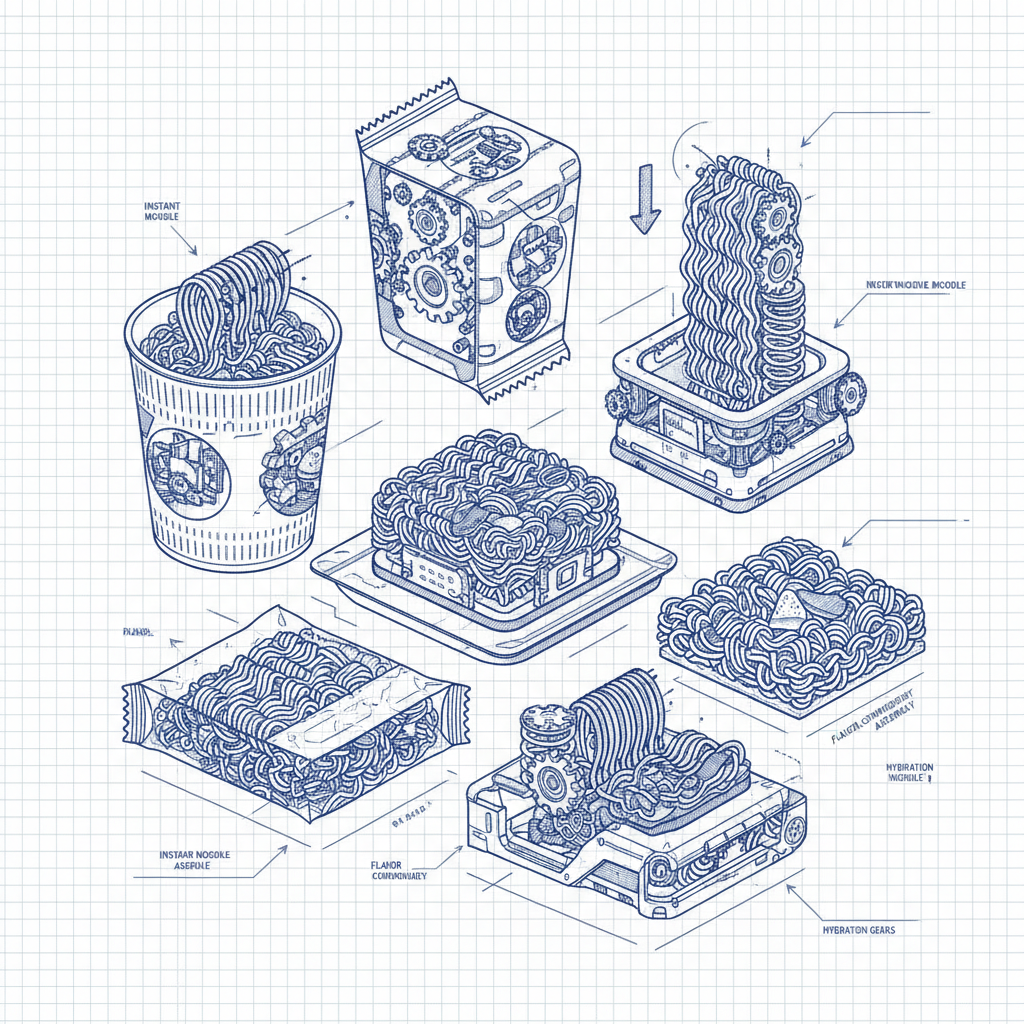
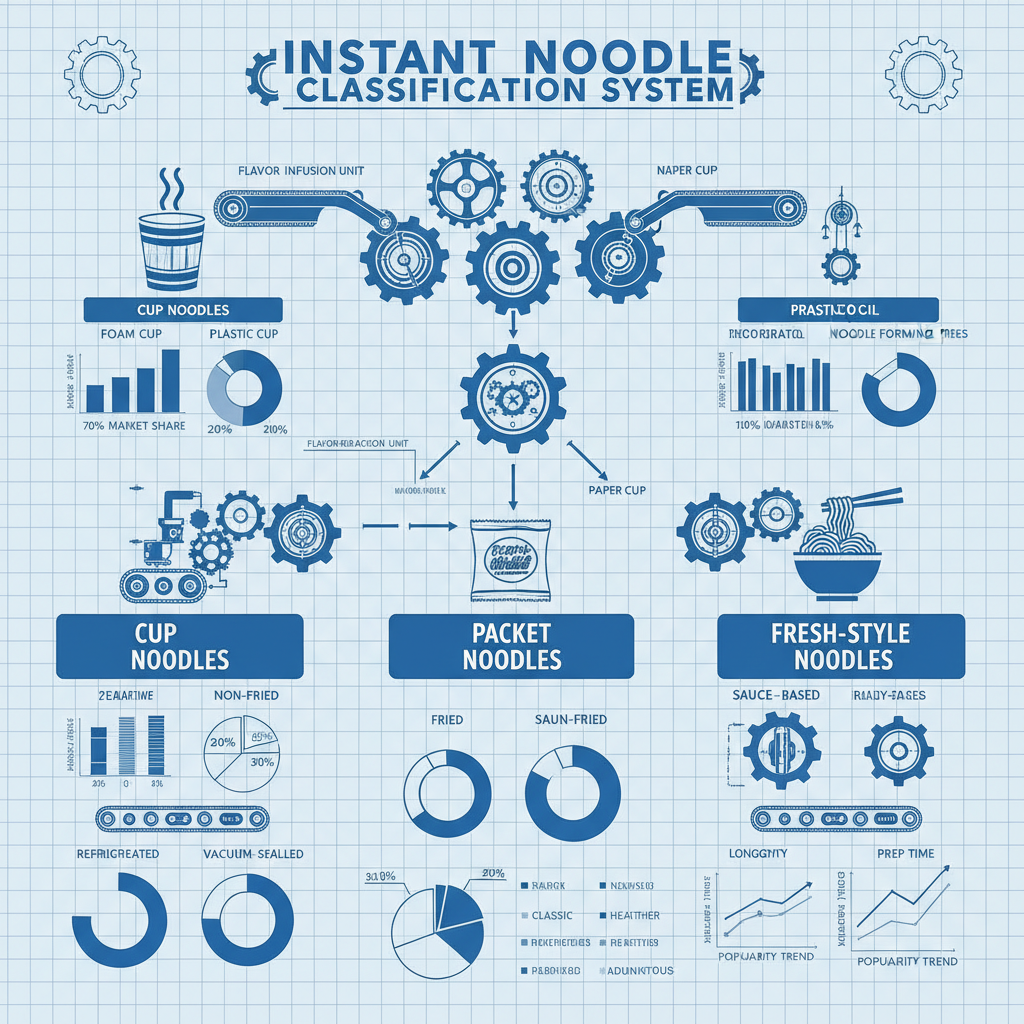
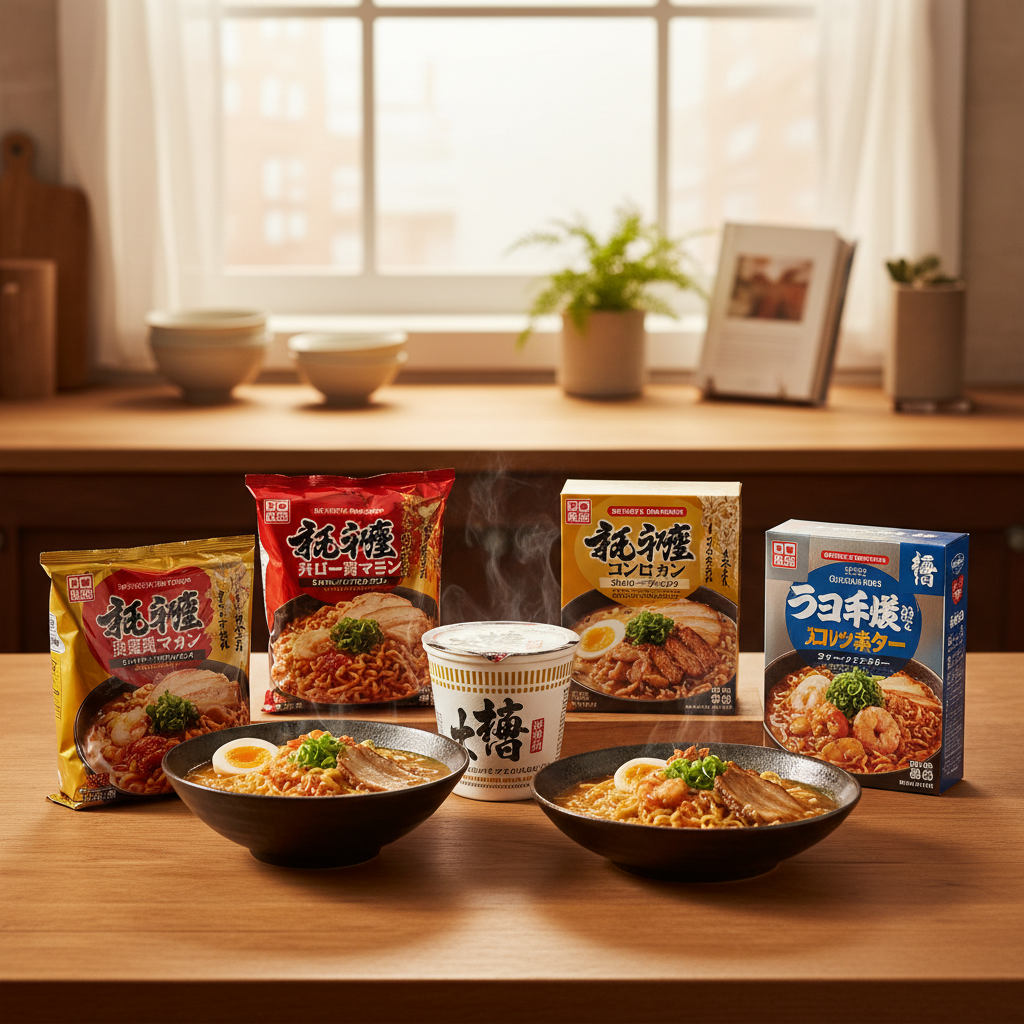
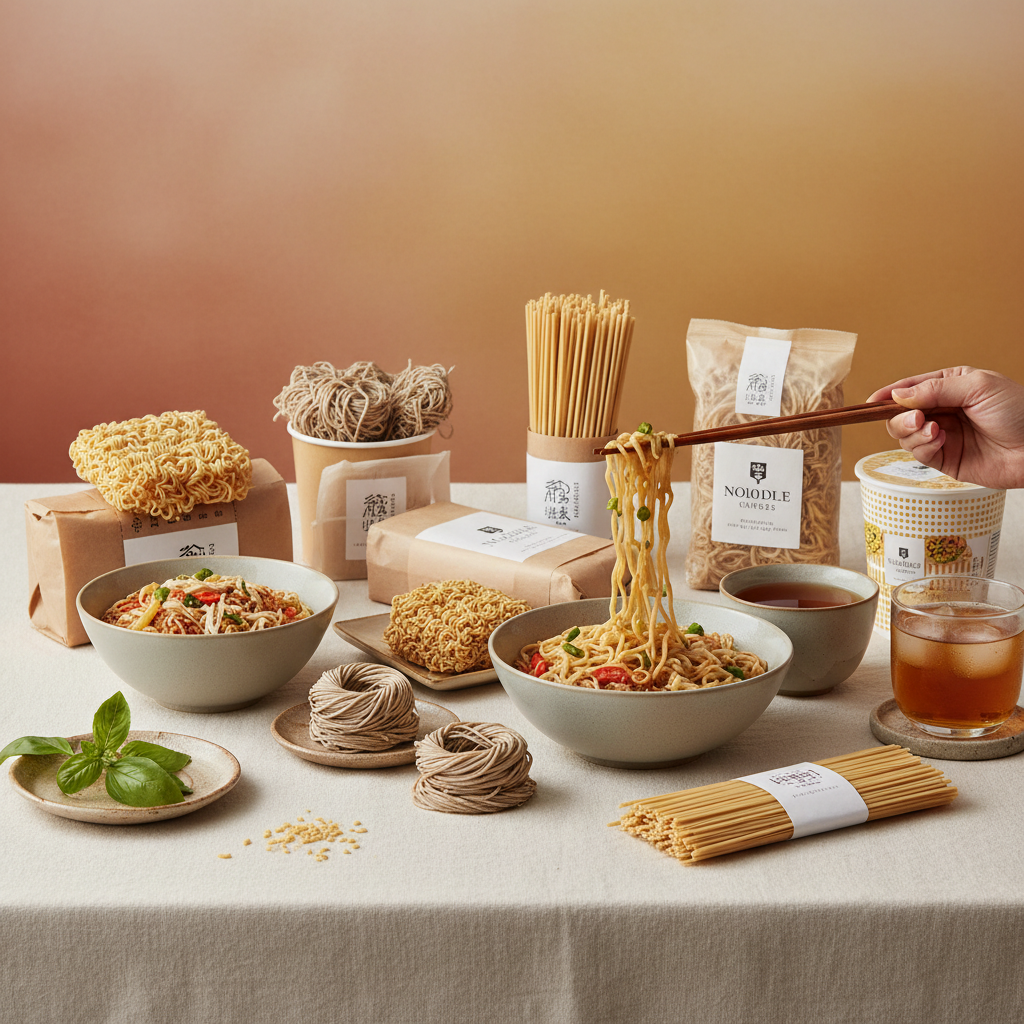
kinds of instant noodles aren't monolithic; they exist in a stunning array of forms. Beyond the classic ramen, you'll find udon, soba, pho, and even pasta-based instant noodles. Each variety boasts unique characteristics, from noodle thickness and texture to broth composition and spice levels. This diversity caters to a broad spectrum of tastes and preferences globally.
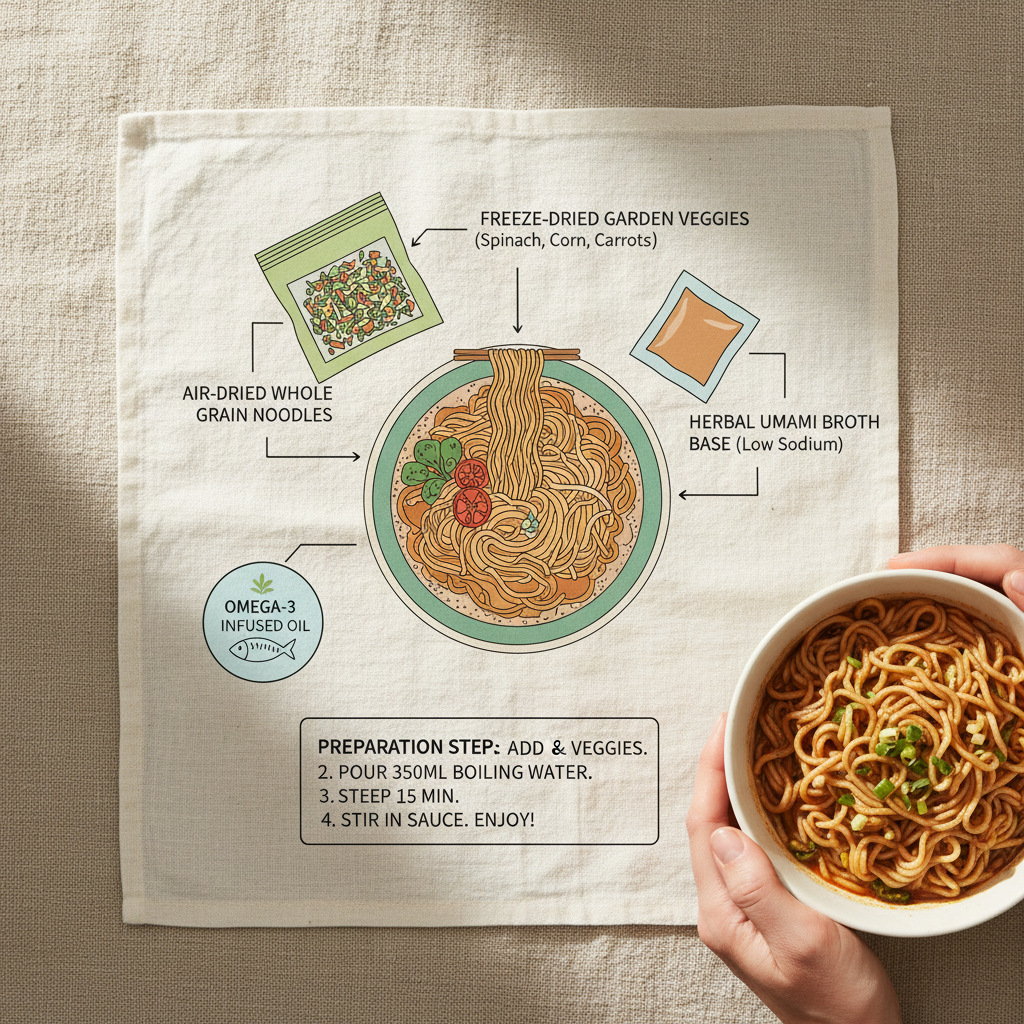
Furthermore, the packaging and preparation methods vary widely. Some require simply adding hot water, while others benefit from added vegetables, proteins, or seasonings. These variations provide convenience and customization options, enhancing the appeal of kinds of instant noodles to a wider audience.
Historical Context and Global Reach of kinds of instant noodles
The story of kinds of instant noodles begins with Momofuku Ando in Japan, who invented them in 1958 as a solution to post-war food shortages. His innovative flash-frying process created a shelf-stable product that could be quickly rehydrated, revolutionizing the food industry. Initially, it was viewed as a temporary measure, but it quickly gained popularity for its convenience and affordability.
Over the decades, kinds of instant noodles spread rapidly across the globe, adapting to local tastes and preferences. Today, China is the largest consumer of instant noodles, followed by Indonesia, Vietnam, and India. Different regions have embraced unique flavor profiles and noodle styles, resulting in a fascinating fusion of culinary traditions.
The global market for kinds of instant noodles continues to grow, driven by urbanization, busy lifestyles, and the increasing demand for affordable food options. The affordability and ease of preparation have made kinds of instant noodles a dietary staple for students, travelers, and individuals seeking a quick and satisfying meal.
Defining Characteristics of kinds of instant noodles
At its core, kinds of instant noodles are pre-cooked noodle blocks that have been dehydrated and flash-fried. This process significantly extends their shelf life, enabling long-distance transportation and storage. The noodles themselves are typically made from wheat flour, although rice flour and other starches are also used.
A defining feature of most kinds of instant noodles is the inclusion of a seasoning packet. These packets contain a concentrated blend of flavors, including salt, sugar, spices, MSG, and dehydrated vegetables. The seasoning is crucial for restoring the flavor profile during preparation. The quality and complexity of these seasoning packets are key differentiators among brands.
Finally, the packaging plays a vital role. It must protect the noodles from moisture, physical damage, and environmental factors during storage and transport. Commonly, kinds of instant noodles are packaged in polystyrene or polypropylene cups or pouches, providing a convenient and portable serving container.
Core Components Influencing kinds of instant noodles Quality
Several key factors contribute to the overall quality and appeal of kinds of instant noodles. Noodle texture is paramount; consumers prefer noodles that are firm, chewy, and not overly mushy after cooking. This is influenced by the type of flour used, the manufacturing process, and the level of hydration during preparation.
The flavor profile is another critical component. The balance of saltiness, sweetness, spiciness, and umami determines the overall taste experience. High-quality seasonings and flavor enhancers contribute to a more satisfying and authentic flavor.
Kinds of Instant Noodles Quality Ratings by Preparation Method
Applications of kinds of instant noodles in Diverse Settings
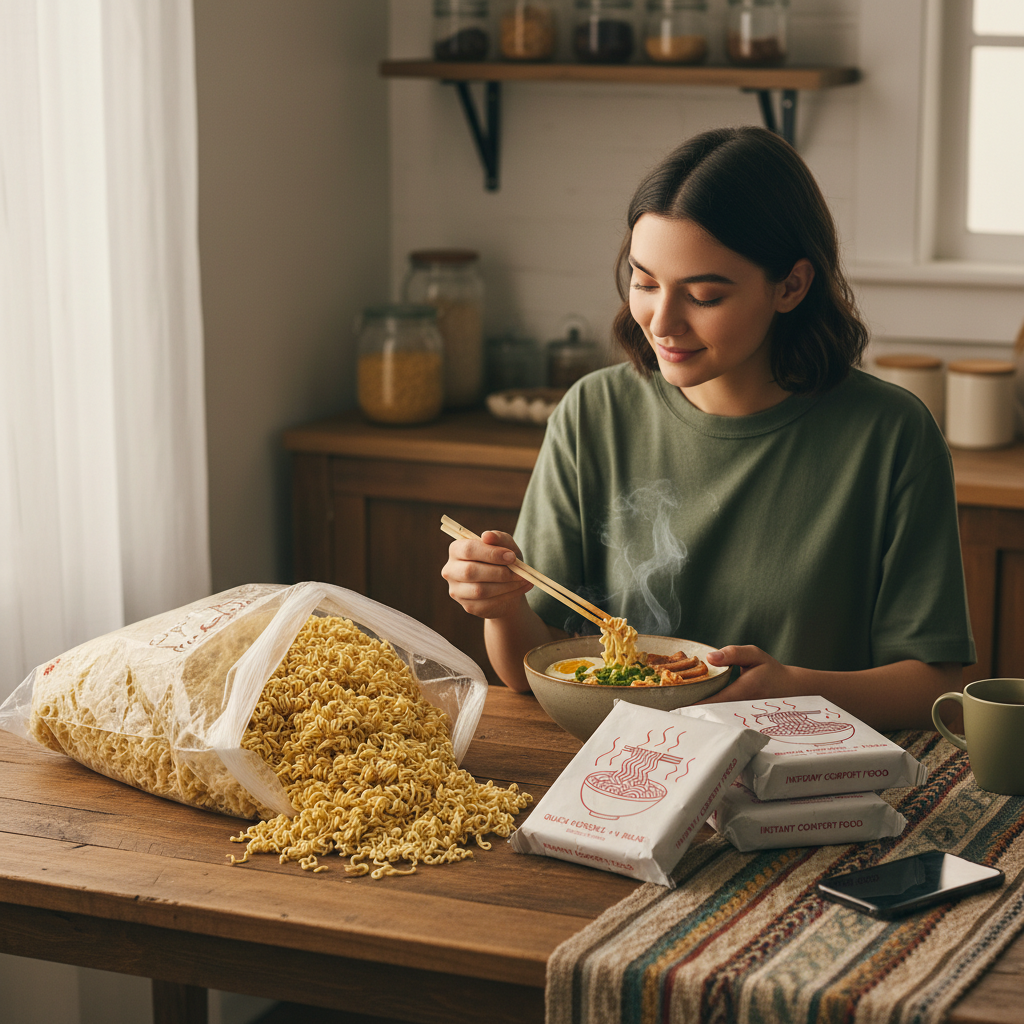
kinds of instant noodles are incredibly versatile and find applications in numerous settings. They are a staple for students on a budget, providing a quick and easy meal between classes. Hikers and campers appreciate their lightweight portability and minimal preparation requirements.
In emergency situations, kinds of instant noodles serve as a critical food source due to their long shelf life and ease of distribution. Aid organizations frequently include them in disaster relief packages. Furthermore, they are often utilized in remote industrial zones or military operations where access to fresh food is limited.
Advantages and Long-Term Value of kinds of instant noodles
The primary advantage of kinds of instant noodles lies in their cost-effectiveness. They provide a substantial meal at a very low price point, making them accessible to individuals with limited financial resources. Beyond affordability, their convenience is a major draw, requiring only hot water and a few minutes to prepare.
From a logistical standpoint, kinds of instant noodles offer significant benefits. Their long shelf life reduces food waste, and their compact packaging simplifies storage and transportation. This makes them a sustainable food option, particularly in areas with limited infrastructure or unreliable supply chains.
Future Trends and Innovations in kinds of instant noodles
The kinds of instant noodles industry is continually evolving, driven by consumer demand for healthier, more sustainable, and more flavorful options. There's a growing trend towards the use of whole grains, organic ingredients, and reduced sodium content in noodle formulations.
Manufacturers are also exploring innovative packaging solutions, such as biodegradable or compostable containers, to minimize environmental impact. Digital technologies, like QR codes on packaging, are being used to provide consumers with nutritional information, recipes, and interactive experiences.
Furthermore, we're seeing a rise in premium kinds of instant noodles offerings, featuring gourmet flavors, artisanal ingredients, and sophisticated packaging. These products cater to consumers who are willing to pay a premium for a higher-quality instant noodle experience.
Analysis of Sustainability Factors in kinds of instant noodles Production
| Packaging Material |
Carbon Footprint (Production) |
Water Usage |
Biodegradability Score (1-10) |
| Polystyrene |
8/10 |
7/10 |
1 |
| Polypropylene |
7/10 |
6/10 |
2 |
| Cardboard (with lining) |
6/10 |
8/10 |
7 |
| PLA (Polylactic Acid) |
9/10 |
5/10 |
8 |
| Mushroom Packaging |
3/10 |
9/10 |
9 |
| Bagasse (Sugarcane Fiber) |
4/10 |
7/10 |
8 |
FAQS
Instant noodles are remarkably affordable due to their efficient production process, long shelf life, and minimal packaging requirements. The bulk purchasing of ingredients and streamlined manufacturing contribute to lower production costs, which are then passed on to consumers. They represent a substantial, filling meal at a very low price point compared to other convenient food options.
The shelf life of instant noodles is significantly longer than most other packaged foods, typically ranging from six months to two years. This is due to the flash-frying process which removes moisture, inhibiting bacterial growth. The sealed packaging also protects the noodles from external factors that could cause spoilage. This extended shelf life makes them ideal for emergency preparedness and long-term storage.
Frequent and exclusive consumption of instant noodles can raise health concerns. Many varieties are high in sodium, saturated fat, and processed carbohydrates. It's important to balance instant noodle consumption with a varied diet rich in fruits, vegetables, and lean protein. Choosing lower-sodium varieties and supplementing with additional ingredients can help mitigate these concerns.
Japanese instant noodles often feature lighter, umami-rich broths and thinner noodles, typically focusing on soy sauce and dashi flavors. Korean instant noodles are known for their bold, spicy flavors, often incorporating gochujang (Korean chili paste). Chinese instant noodles exhibit the greatest diversity, ranging from milder wheat-based noodles to intensely flavored soups and stir-fry varieties.
Manufacturers are increasingly exploring sustainable packaging options, including biodegradable materials like PLA (polylactic acid), bagasse (sugarcane fiber), and mushroom packaging. They're also investigating recyclable polypropylene and reducing the overall amount of packaging used. These efforts aim to minimize the environmental footprint associated with instant noodle consumption.
While not a complete nutritional solution on their own, instant noodles can be incorporated into a balanced diet. Adding protein sources like eggs or tofu, along with vegetables and healthy fats, can significantly enhance their nutritional value. Moderation and mindful additions are key to enjoying instant noodles as part of a healthy lifestyle.
Conclusion
kinds of instant noodles have evolved from a post-war necessity into a global culinary phenomenon. Their affordability, convenience, and adaptability have solidified their position as a staple food for billions worldwide. Understanding the diverse range of varieties, the core components influencing quality, and the emerging trends in sustainability is crucial for both consumers and industry stakeholders.
Looking ahead, innovation in ingredient sourcing, packaging materials, and flavor profiles will continue to shape the future of kinds of instant noodles. By embracing sustainable practices and prioritizing nutritional value, the industry can ensure that these convenient and accessible noodles remain a valuable part of global food systems for generations to come. For more information about the incredible variety of instant noodle options, visit our website: kinds of instant noodles.