Instant pho, a rapidly deployable and convenient noodle dish, has become a global phenomenon, transcending geographical boundaries and cultural preferences. Its appeal lies in its speed of preparation, affordability, and increasingly, its flavor profiles catering to diverse palates. Understanding the evolution and production of instant pho is crucial, not just for food industry professionals, but also for anyone interested in the dynamics of global food systems and convenient meal solutions.
The rise of instant pho reflects broader trends in modern life – a demand for convenience, efficiency, and accessibility. It serves as a readily available meal option for busy individuals, students, and travelers alike. Moreover, the innovative packaging and extended shelf life of instant pho make it an ideal food source in emergency situations and remote locations, highlighting its potential humanitarian applications.
As consumer preferences evolve and sustainability concerns grow, the instant pho industry is actively innovating. This includes exploring healthier ingredients, eco-friendly packaging, and diverse flavor options. The future of instant pho isn't just about speed and convenience; it's about responsible sourcing, environmental consciousness, and culinary delight.
The Global Significance of instant pho
The global market for instant noodles, of which instant pho is a significant component, is valued at over $40 billion (USD) as of 2023, according to the World Instant Noodles Association. This demonstrates the widespread consumer demand and economic impact of this convenient food item. Asia represents the largest consumer base, but demand is steadily increasing in North America, Europe, and Africa.
Instant pho addresses the challenge of food security and accessibility, particularly in regions experiencing rapid urbanization or limited infrastructure. Its affordability and long shelf life make it a vital food resource during natural disasters or times of economic hardship, contributing to humanitarian efforts worldwide. This reflects the importance of readily available food sources in a globally interconnected world.
Defining instant pho
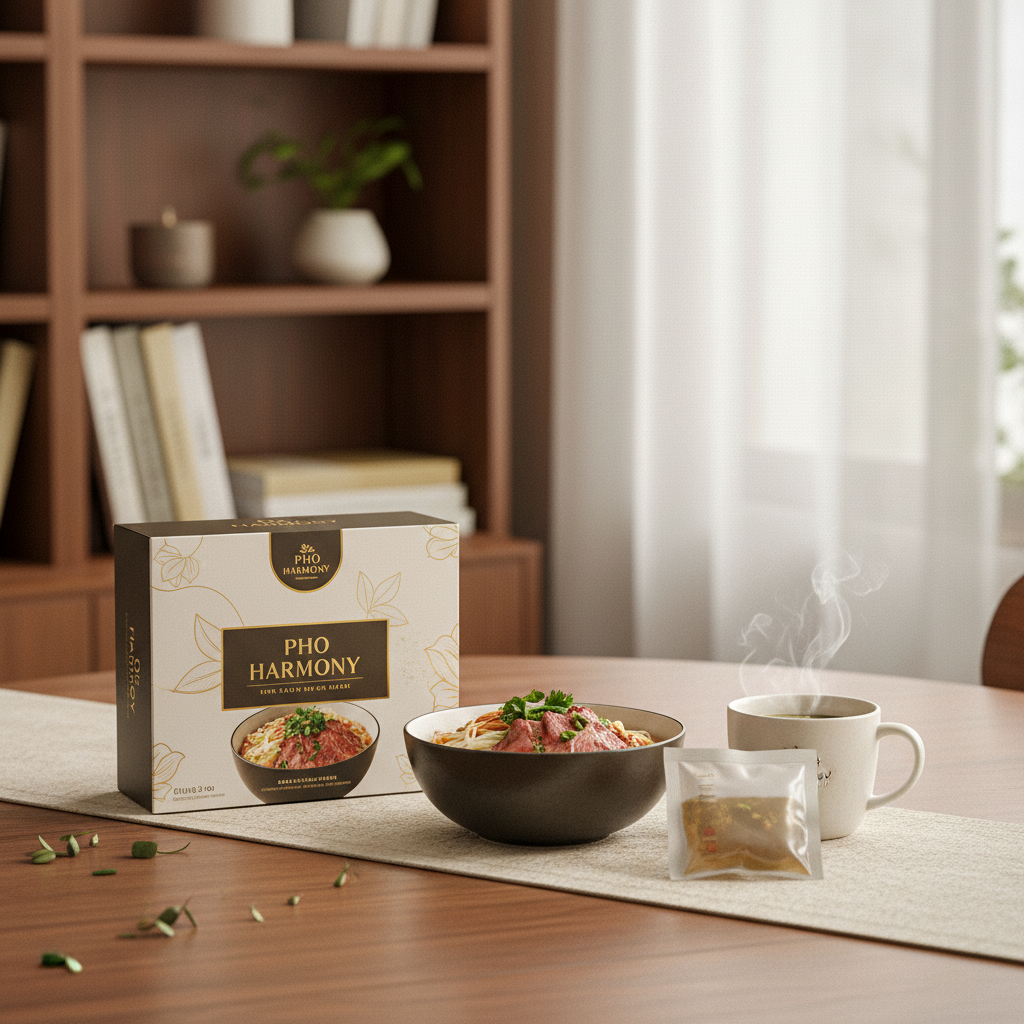
Instant pho is a pre-cooked noodle dish, typically rice noodles, seasoned with a broth flavoring packet, often mimicking the complex flavors of traditional Vietnamese pho. It's designed for quick and easy preparation—simply adding hot water to reconstitute the noodles and broth. Different variations exist, including those with added dehydrated vegetables, proteins, and spices.
Its connection to modern industry lies in the efficient food processing and packaging technologies employed in its production. Advanced dehydration techniques, coupled with airtight packaging, ensure a long shelf life without compromising flavor or nutritional value. This allows for large-scale production and distribution, meeting global demand.
Beyond convenience, instant pho serves as a cultural ambassador, introducing the flavors of Vietnamese cuisine to a wider audience. The growing popularity of authentic and globally inspired food contributes to the enduring appeal of instant pho.
Core Components of instant pho Production
The foundation of quality instant pho lies in the noodle composition. Rice flour, tapioca starch, and wheat flour are commonly used, with variations impacting texture and chewiness. Proper blending and extrusion processes are crucial for creating noodles that cook evenly and maintain structural integrity.
The broth flavoring is the heart of instant pho’s flavor profile. Traditional pho broths are painstakingly simmered for hours with spices like star anise, cinnamon, and cloves. Instant versions achieve this complexity through dehydrated broth concentrates, spice blends, and flavor enhancers designed to replicate the authentic taste.
Packaging plays a vital role in preserving freshness and extending shelf life. Multi-layer packaging materials incorporating moisture barriers and oxygen absorbers protect the noodles and seasoning from degradation. The design also focuses on convenience, providing clear instructions and easy opening mechanisms.
Key Factors Influencing instant pho Quality
Noodle texture is paramount. Consumers prefer noodles that are springy, chewy, and maintain their shape after cooking. Factors influencing texture include the type of flour blend, extrusion pressure, and drying process.
Flavor accuracy is critical. The broth flavoring must authentically replicate the complex aroma and taste of traditional pho. The quality of spices and the balance of savory, sweet, and aromatic elements significantly impact consumer satisfaction.
instant pho Quality Assessment by Key Attributes
Global Applications of instant pho
In post-disaster relief operations, instant pho provides a quick and nutritious meal for affected populations, requiring minimal cooking facilities. Its lightweight and compact packaging makes it easy to transport and distribute in emergency scenarios.
Within the military and outdoor adventure sectors, instant pho serves as a convenient and reliable food source for soldiers and travelers operating in remote areas. Its long shelf life and ease of preparation are invaluable in challenging environments.
Advantages and Long-Term Value
The cost-effectiveness of instant pho makes it accessible to a broad consumer base, particularly in developing countries. It offers a budget-friendly meal option compared to preparing traditional pho or other complex dishes.
The extended shelf life of instant pho reduces food waste and ensures a readily available food supply. This contributes to sustainability efforts and minimizes the environmental impact associated with food spoilage.
Beyond the practical benefits, instant pho offers a sense of culinary comfort and cultural connection. It allows consumers to experience the flavors of Vietnam in a convenient and accessible format, fostering appreciation for diverse cuisines.
Future Trends and Innovations in instant pho
The development of plant-based instant pho options caters to the growing demand for vegan and vegetarian alternatives. Utilizing plant-based proteins and vegetable broths expands the market appeal of instant pho.
Sustainable packaging materials, such as biodegradable or compostable containers, reduce the environmental impact of instant pho production and consumption. These innovations align with increasing consumer awareness of environmental issues.
The integration of digital technologies, such as QR codes linking to recipe variations or nutritional information, enhances the consumer experience and promotes transparency in ingredient sourcing.
Analysis of Key Innovation Areas in instant pho Development
| Innovation Category |
Development Stage |
Potential Market Impact |
Investment Required (1-10) |
| Plant-Based Broth Development |
Pilot Production |
High (Vegan/Vegetarian Demand) |
7 |
| Biodegradable Packaging |
Research & Development |
Medium (Sustainability Focus) |
8 |
| Flavor Customization via App |
Concept Stage |
Low-Medium (Niche Appeal) |
5 |
| Enhanced Nutrient Fortification |
Testing & Refinement |
Medium (Health-Conscious Consumers) |
6 |
| Automated Production Lines |
Implementation Phase |
High (Cost Reduction, Efficiency) |
9 |
| Reduced Sodium Formulations |
Market Launch |
Medium (Health Trends) |
4 |
FAQS
Generally, instant pho has a shelf life of 6-12 months from the date of manufacture, provided it's stored in a cool, dry place. The packaging is designed to protect the noodles and seasoning from moisture and air, which are the primary factors causing degradation. Always check the “best before” date printed on the package.
Instant pho can be part of a balanced diet, but it's important to be mindful of its nutritional content. While it provides carbohydrates for energy, it can be high in sodium. Opting for lower-sodium varieties and adding fresh vegetables can enhance its nutritional value. It’s also recommended to supplement it with a source of protein.
The authentic flavor of pho is achieved through a combination of dehydrated broth concentrates, spice blends, and flavor enhancers. Manufacturers carefully analyze the chemical composition of traditional pho broth and recreate the complex aroma and taste profile using these ingredients. The quality of the spices and the expertise in flavor blending are crucial.
Rice noodles are the most common type of noodle used in instant pho, mirroring traditional Vietnamese pho. However, some manufacturers also incorporate wheat flour or tapioca starch into the noodle composition to achieve desired texture and cooking characteristics. The proportion of each ingredient varies depending on the brand and product.
Yes, the demand for plant-based alternatives has led to an increase in vegetarian and vegan instant pho options. These typically utilize vegetable broth concentrates and plant-based protein sources, such as soy protein or mushrooms, to replicate the savory flavor and texture of traditional pho without using animal products.
To elevate your instant pho experience, consider adding fresh herbs like cilantro and Thai basil, a squeeze of lime juice, and a few slices of chili pepper. You can also add cooked protein such as shrimp, chicken, or tofu. A dash of fish sauce (if not vegan) can also enhance the umami flavor.
Conclusion
In conclusion, instant pho represents more than just a convenient meal; it’s a testament to food innovation, cultural exchange, and the ever-evolving needs of a global population. From its humble beginnings to its current widespread popularity, instant pho has adapted to changing consumer preferences and played a crucial role in addressing food security challenges. Understanding the core components of its production, its global applications, and its future trends is key to appreciating its enduring relevance.
Looking ahead, the industry is poised for further innovation, with a focus on sustainability, healthier ingredients, and enhanced flavor profiles. By embracing these advancements, instant pho can continue to provide a delicious, accessible, and responsible meal option for consumers worldwide. To explore a diverse range of instant pho options and discover new flavors, visit our website: instant pho.