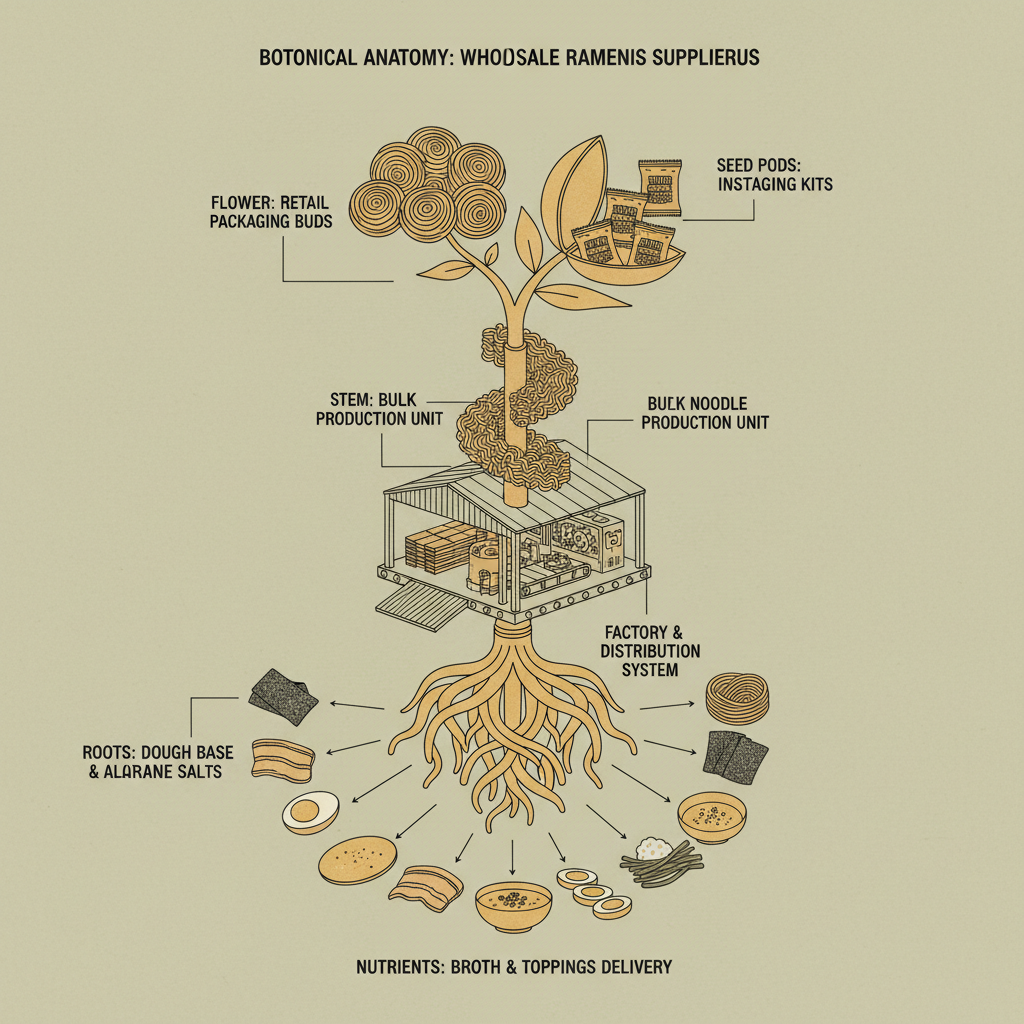
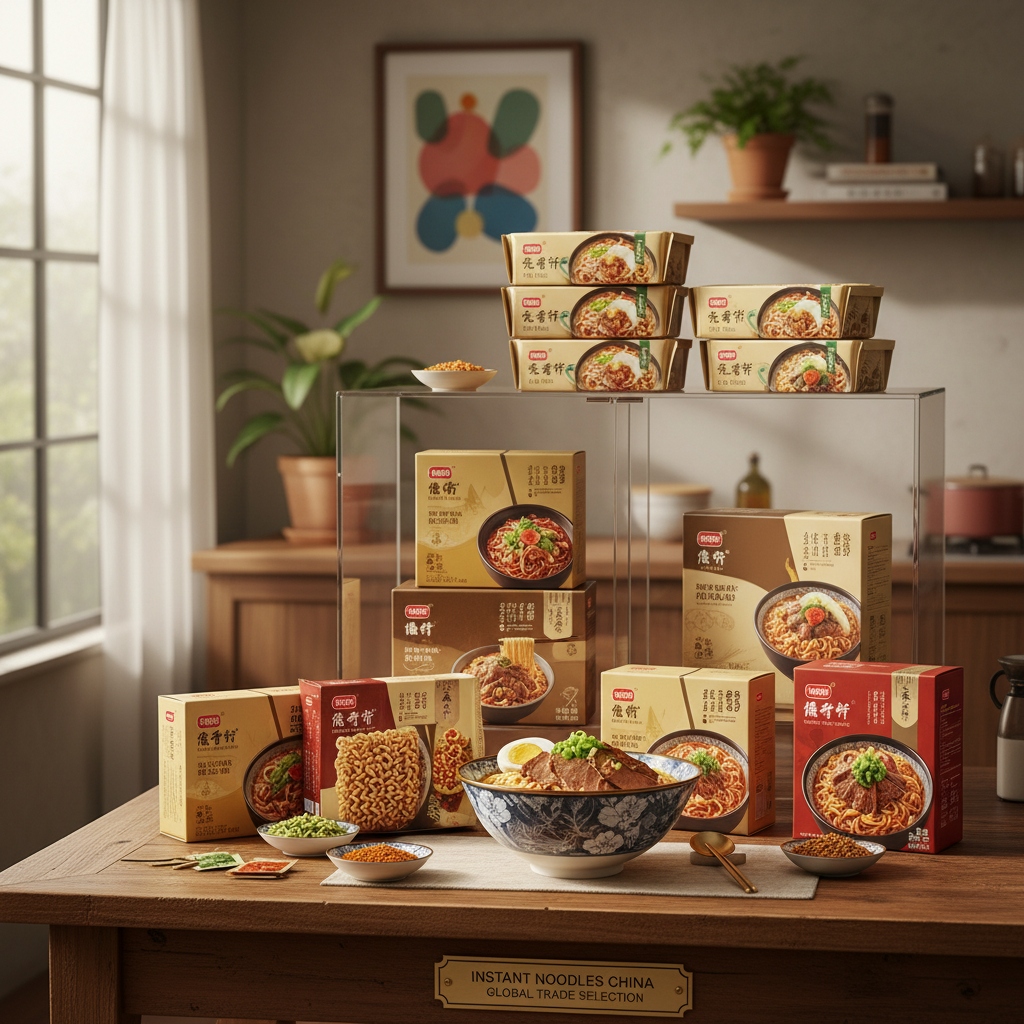
Types of noodles packet represent a cornerstone of modern convenience food, playing a critical role in global food security and offering a readily available source of sustenance. From instant ramen to various dried noodle formats, these packets have become ubiquitous across cultures and income levels. Understanding the nuances of these products – their composition, nutritional value, preparation methods, and evolving innovations – is essential for both consumers and industry professionals alike. The affordability and extended shelf-life of types of noodles packet make them invaluable in emergency situations and contribute to their widespread popularity.
The global market for noodles, including various types of noodles packet, is substantial and continually expanding. According to recent reports, the instant noodle market alone is projected to reach billions of dollars in the coming years, driven by factors such as urbanization, increasing disposable incomes in developing countries, and the demand for quick and easy meal solutions. This growth isn't without challenges; concerns regarding nutritional content, sustainable packaging, and responsible sourcing are increasingly important considerations. Navigating these complexities requires a comprehensive understanding of the types of noodles packet available and their associated impacts.
The convenience offered by types of noodles packet is unmatched, especially in situations where time and resources are limited. This accessibility is particularly vital in disaster relief efforts, providing a calorie-dense and easily transportable food source to affected populations. Furthermore, the versatility of these packets allows for customization and integration into diverse culinary traditions, enhancing their appeal across a broad spectrum of palates. This versatility is constantly improving with new flavors and formulations aimed at addressing modern dietary needs.
The Global Significance of Types of Noodles Packet
The widespread consumption of types of noodles packet transcends geographical boundaries, impacting food systems and consumer behavior on a global scale. From bustling urban centers to remote rural areas, these packets offer a cost-effective and convenient meal option, particularly in regions facing food insecurity. The United Nations and various humanitarian organizations frequently utilize types of noodles packet in emergency food aid programs, demonstrating their critical role in addressing immediate nutritional needs.
Furthermore, the demand for types of noodles packet shapes agricultural practices and supply chains. The production of wheat, rice, and other starches used in noodles requires significant resources, influencing land use and water management. Understanding the broader implications of this demand is essential for promoting sustainable food systems and ensuring long-term food security. The global trade in types of noodles packet represents a significant economic activity, impacting producers, distributors, and consumers worldwide.
Defining Types of Noodles Packet
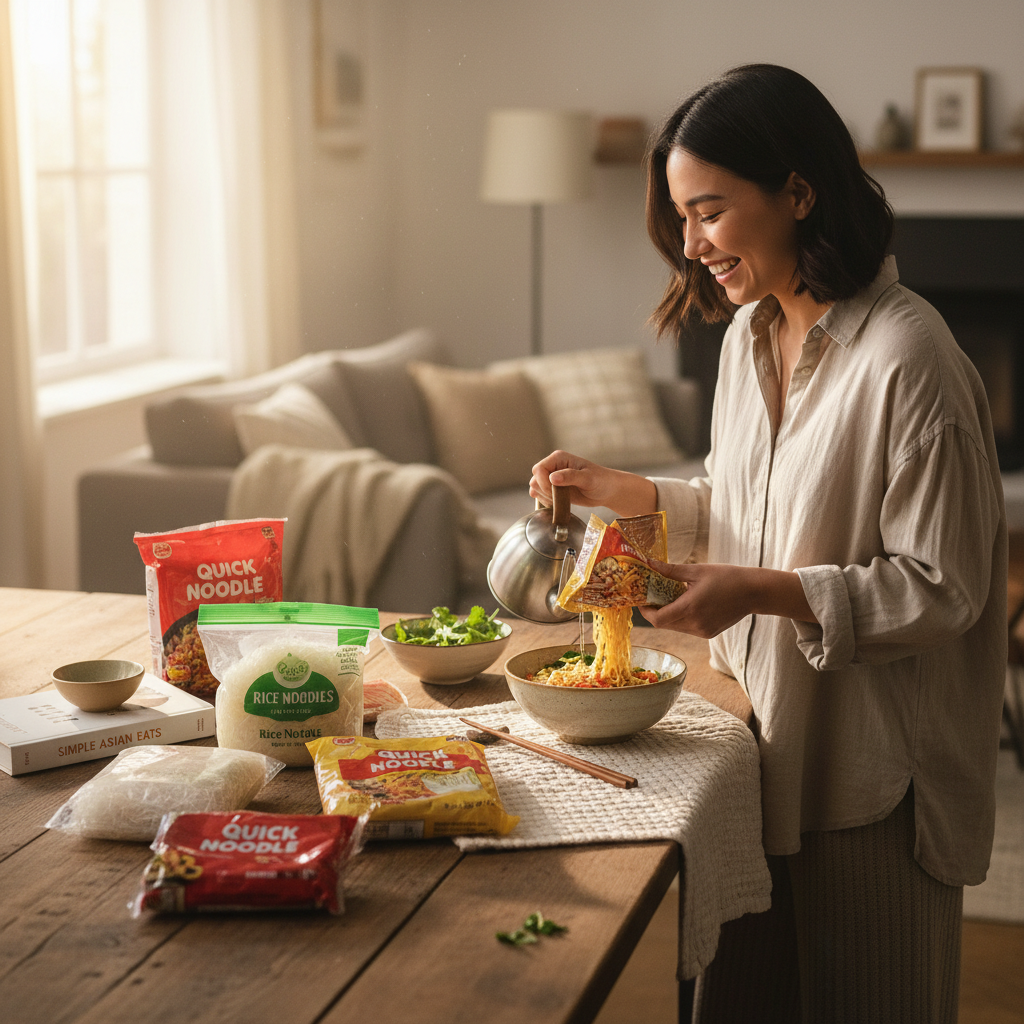
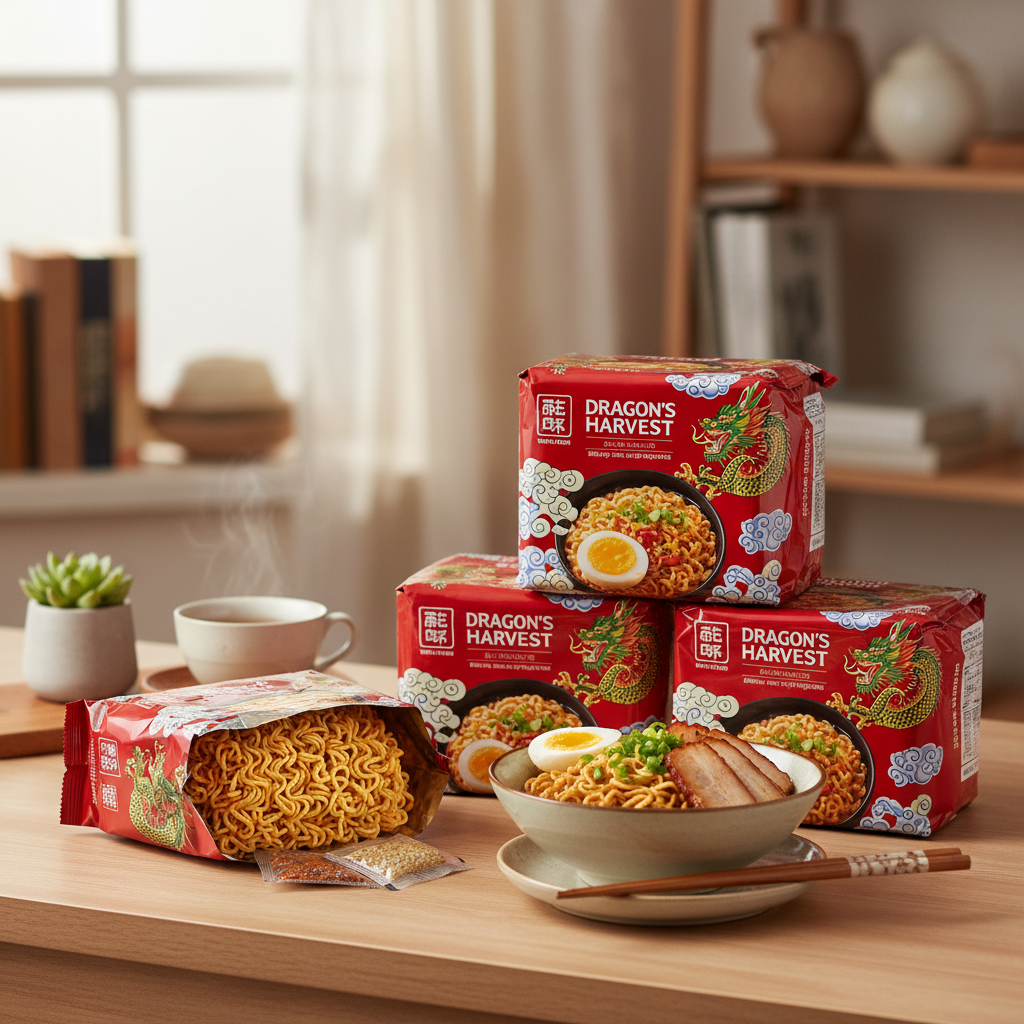
Types of noodles packet generally refer to pre-cooked or dried noodle products that are packaged for individual or small-group consumption. These packets typically include the noodles themselves, a seasoning packet containing flavorings and spices, and sometimes additional ingredients like dried vegetables or proteins. The defining characteristic is their ease of preparation, requiring only the addition of hot water to reconstitute and flavor the noodles.
This category encompasses a wide range of noodle varieties, including instant ramen, udon, soba, rice noodles, and various wheat-based noodle options. The specific ingredients and preparation methods vary depending on the regional cuisine and manufacturer. However, the core concept remains consistent: a convenient, shelf-stable, and affordable meal solution.
The term "packet" is critical here, distinguishing these products from fresh or frozen noodles that require more extensive preparation and have a shorter shelf life. The packaging itself plays a significant role, providing protection from moisture and contamination while facilitating portability and storage.
Key Characteristics of Types of Noodles Packet
One of the defining characteristics of types of noodles packet is their long shelf life. The dehydration or frying process used in production significantly reduces water activity, inhibiting microbial growth and extending the product's usability for months, even years, without refrigeration. This makes them ideal for storage in diverse climates and environments.
Cost-effectiveness is another crucial aspect. The ingredients used in types of noodles packet are generally inexpensive, and the manufacturing process is highly efficient, resulting in a low retail price. This affordability makes them accessible to a wide range of consumers, particularly those with limited budgets. The standardization of ingredients and production also contributes to predictable pricing and supply.
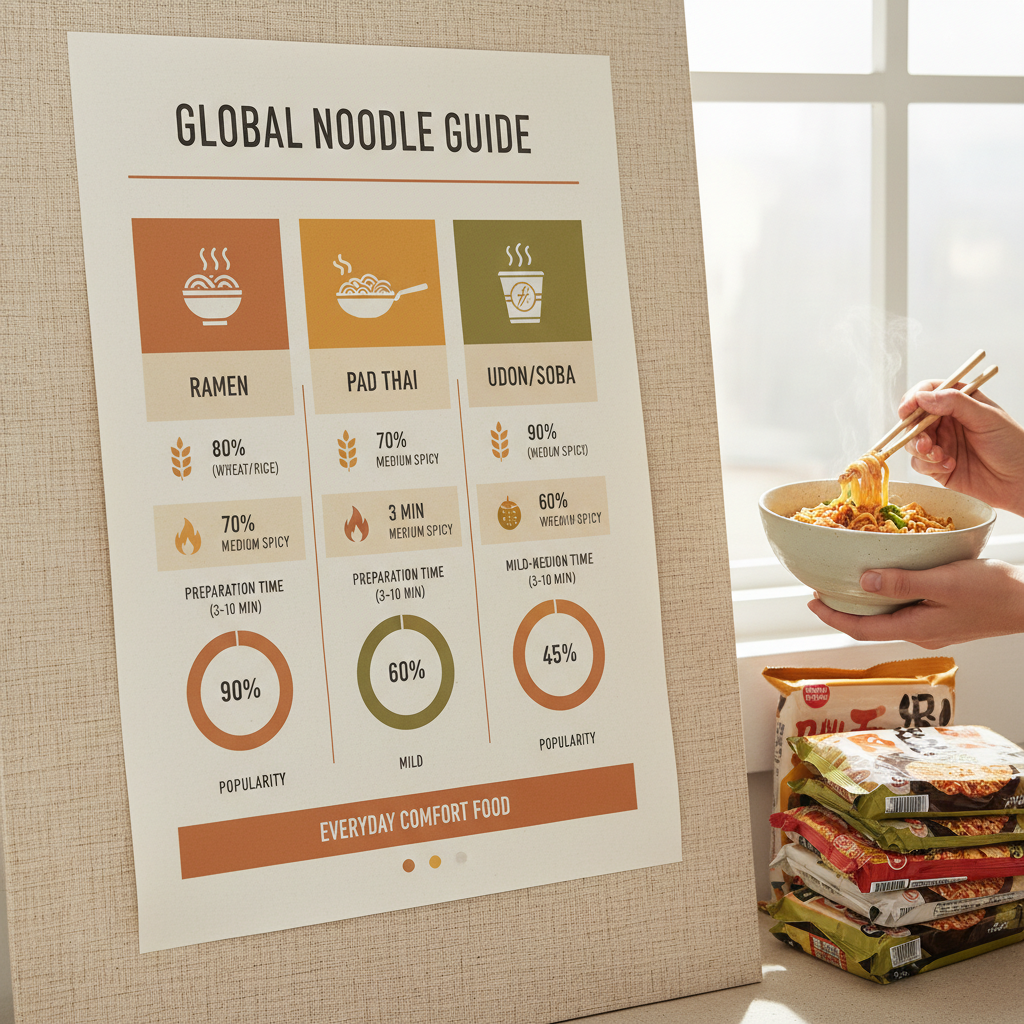
Furthermore, the rapid preparation time of types of noodles packet is a significant advantage. Typically, they require only 3-5 minutes of cooking time, making them a convenient option for busy individuals and those seeking a quick meal solution. This immediacy contributes significantly to their widespread appeal. This ease of use is a major factor in their sustained popularity.
Applications Across Industries and Regions
Types of noodles packet find extensive use in the food service industry, particularly in cafeterias, fast-food restaurants, and food trucks. Their ease of preparation and low cost make them a practical option for providing quick and affordable meals to large numbers of people. They are also commonly used in military rations and emergency food supplies.
Geographically, Asia represents the largest market for types of noodles packet, particularly in countries like China, Indonesia, and Japan. However, their popularity is growing rapidly in other regions, including North America, Europe, and Africa, as consumers increasingly seek convenient and affordable food options. In post-disaster relief operations, organizations like the Red Cross and World Food Programme frequently distribute types of noodles packet to provide immediate sustenance to affected communities.
Types of Noodles Packet Market Share by Preparation Method
Advantages and Long-Term Value Proposition
The primary advantage of types of noodles packet lies in their cost efficiency. Compared to other meal options, they offer a significantly lower price point, making them accessible to a broader demographic. Beyond cost, their sustainability is becoming increasingly appealing as companies explore eco-friendly packaging options and responsible sourcing practices. This growing focus on sustainability enhances their long-term viability.
The social impact of types of noodles packet should not be overlooked. In times of crisis, they provide a vital source of nutrition and sustenance, contributing to food security and alleviating suffering. Their ease of distribution makes them particularly valuable in emergency response situations. The convenience and accessibility they offer can also improve the quality of life for individuals with limited time or resources.
Future Trends and Innovations in Noodles Packet Technology
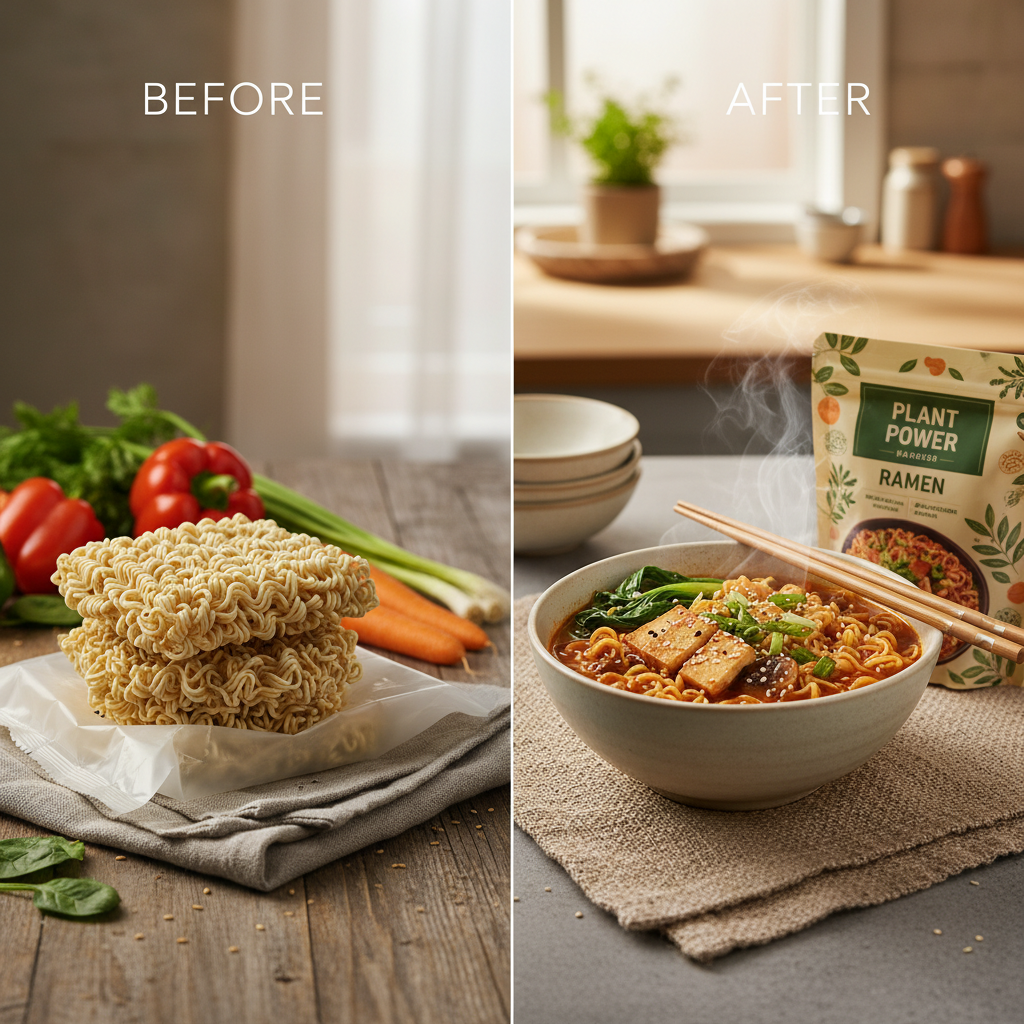
The future of types of noodles packet will likely be shaped by several key trends. One significant area of innovation is the development of healthier noodle formulations, incorporating whole grains, plant-based proteins, and reduced sodium content. Consumers are increasingly seeking nutritional options, driving demand for improved ingredient profiles. Furthermore, sustainable packaging solutions, such as biodegradable or compostable materials, are gaining prominence.
Digital transformation also plays a role, with companies exploring online ordering platforms and personalized flavor customization options. Automation in the manufacturing process is increasing efficiency and reducing production costs. The integration of blockchain technology can enhance traceability and transparency in the supply chain, ensuring product authenticity and ethical sourcing.
Addressing Challenges and Implementing Solutions
Despite their numerous benefits, types of noodles packet face several challenges. Concerns regarding their nutritional value, particularly their high sodium and carbohydrate content, are prevalent. Addressing this requires developing healthier formulations and promoting balanced dietary practices. Furthermore, the environmental impact of plastic packaging is a significant issue, necessitating the adoption of sustainable alternatives.
Another challenge is maintaining consistent quality control throughout the supply chain. Implementing robust quality assurance systems and adhering to international food safety standards are crucial for ensuring product safety and consumer trust. Innovation in packaging materials and waste management technologies can contribute to reducing environmental impact.
Finally, ensuring fair labor practices and ethical sourcing of ingredients is paramount. Companies must prioritize responsible supply chain management and work with suppliers who adhere to ethical standards. Transparency and traceability are key to building consumer confidence and promoting sustainable practices.
Summary of Key Challenges and Proposed Solutions for Types of Noodles Packet
| Challenge |
Impact Area |
Proposed Solution |
Implementation Priority (1-5) |
| High Sodium Content |
Public Health |
Reformulation with reduced sodium, consumer education campaigns. |
5 |
| Plastic Packaging Waste |
Environmental Sustainability |
Transition to biodegradable or compostable packaging materials. |
4 |
| Supply Chain Transparency |
Ethical Sourcing |
Implement blockchain technology for traceability and verification. |
3 |
| Nutritional Imbalance |
Consumer Health |
Enrichment with vitamins and minerals, addition of protein sources. |
4 |
| Price Volatility of Raw Materials |
Economic Stability |
Diversify sourcing, establish long-term contracts with suppliers. |
2 |
| Consumer Perception of Low Quality |
Brand Reputation |
Marketing campaigns highlighting quality ingredients and production processes. |
3 |
FAQS
Frequent consumption of many types of noodles packet can lead to a high intake of sodium, refined carbohydrates, and saturated fats, potentially contributing to health issues like hypertension, weight gain, and nutrient deficiencies. However, healthier options are emerging with reduced sodium, whole grain ingredients, and added vitamins, offering a more balanced nutritional profile. It's important to read nutrition labels and consume these products in moderation as part of a balanced diet.
The traditional packaging for types of noodles packet, often plastic-based, poses significant environmental challenges. However, manufacturers are increasingly exploring sustainable alternatives like biodegradable or compostable materials, paper-based packaging, and reducing the amount of packaging used overall. The transition to these options is ongoing, and consumers can support these efforts by choosing brands committed to sustainable packaging practices.
You can significantly improve the nutritional value of types of noodles packet by adding fresh or frozen vegetables, lean protein sources (like chicken or tofu), and healthy fats (like avocado or nuts). Reducing the amount of seasoning packet used, or supplementing with your own herbs and spices, can also lower sodium intake. This transforms a simple packet meal into a more balanced and nutritious option.
Generally, unopened types of noodles packet have a shelf life of 6 to 12 months, although some can last even longer. The exact shelf life is indicated on the packaging. The dehydration process and sealed packaging help preserve the noodles. However, it is important to store them in a cool, dry place to maintain their quality and prevent spoilage.
Yes, types of noodles packet are highly suitable for emergency food storage due to their long shelf life, lightweight nature, and ease of preparation. They require only hot water, making them ideal for situations where access to cooking facilities is limited. Their affordability also makes them a practical choice for building emergency food supplies.
Emerging flavor trends in types of noodles packet include authentic regional cuisines (such as Korean spicy flavors, Japanese miso, and Vietnamese pho), plant-based and vegan options, and fusion flavors combining different culinary traditions. Spicy and bold flavors continue to be popular, as are options with reduced sodium and added nutritional benefits. Manufacturers are actively innovating to cater to changing consumer preferences.
Conclusion
In conclusion, types of noodles packet represent a globally significant food product with a complex interplay of benefits and challenges. From their crucial role in addressing food security and providing convenient meal solutions to the evolving concerns surrounding nutritional value and environmental impact, understanding these aspects is paramount for consumers, manufacturers, and policymakers alike. The affordability, convenience, and long shelf life of types of noodles packet continue to drive their widespread appeal.
Looking ahead, continued innovation in areas like sustainable packaging, healthier formulations, and responsible sourcing practices will be essential for ensuring the long-term viability and positive impact of types of noodles packet. By embracing these advancements and prioritizing consumer health and environmental sustainability, we can unlock the full potential of this versatile food product. For more information on our range of types of noodles packet and commitment to quality, visit our website: https://www.jxsemidrynoodles.com