
Korean Instant Udon: Industrial Insights on Quality and Production
Korean Instant Udon: A Quick Dive from an Industrial Perspective
Working in the industrial equipment sector for over a decade, you might wonder why suddenly I’m talking about Korean instant udon. Well, oddly enough, the instant noodle market and its manufacturing process often intrigue those of us fascinated by precision, quality control, and scalable production. Plus, in real terms, the demand for convenient yet authentic food products keeps pushing innovation, which parallels trends I see constantly on the factory floor.
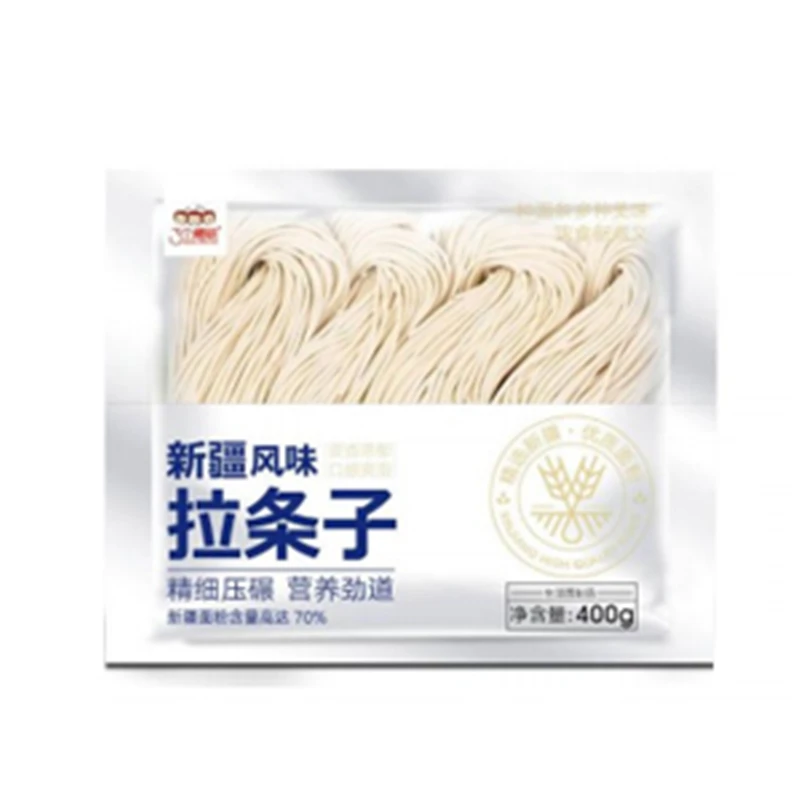
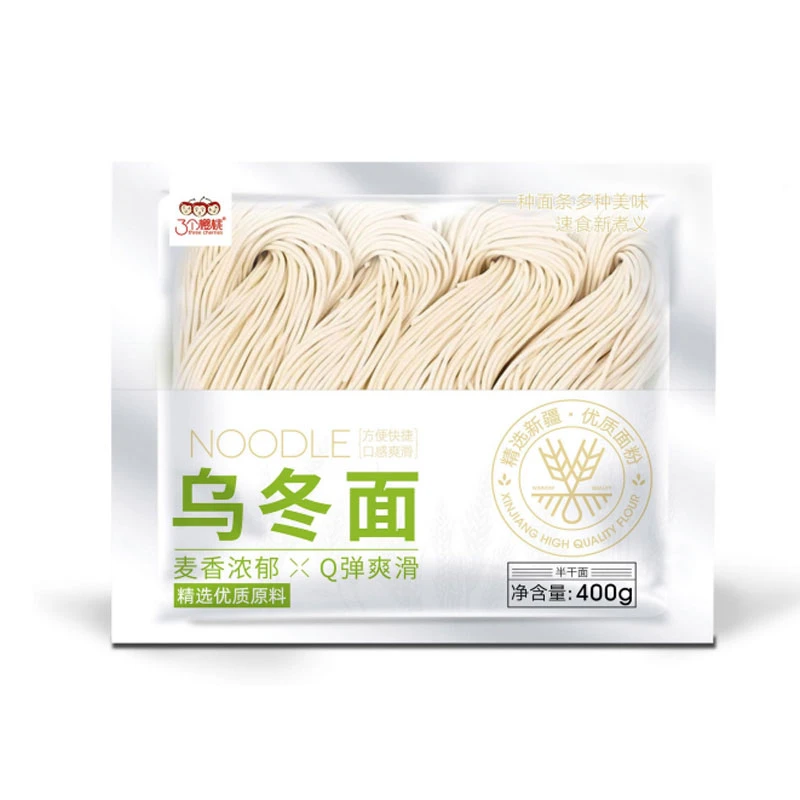
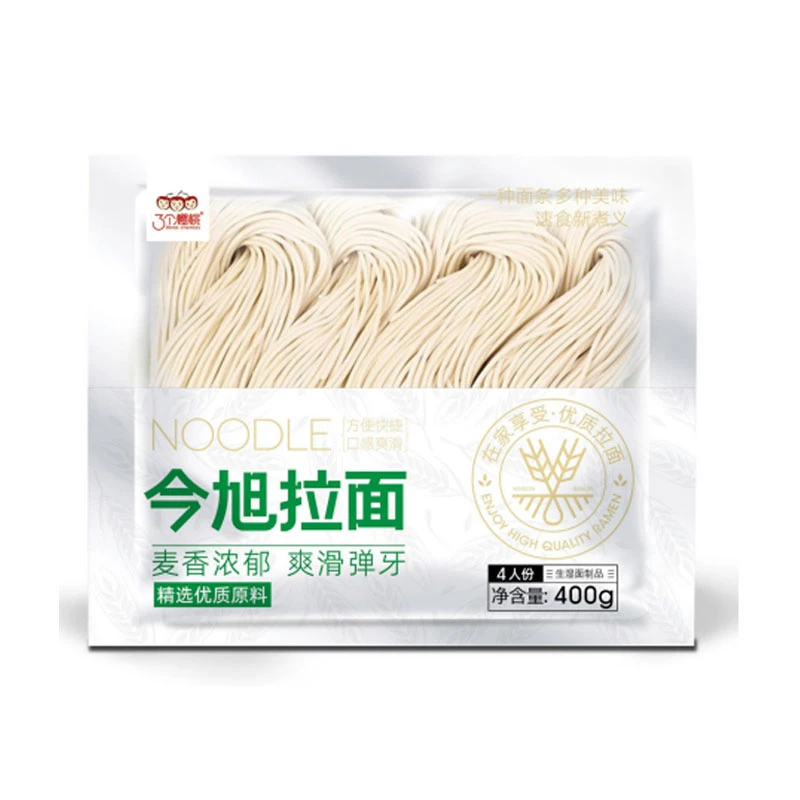
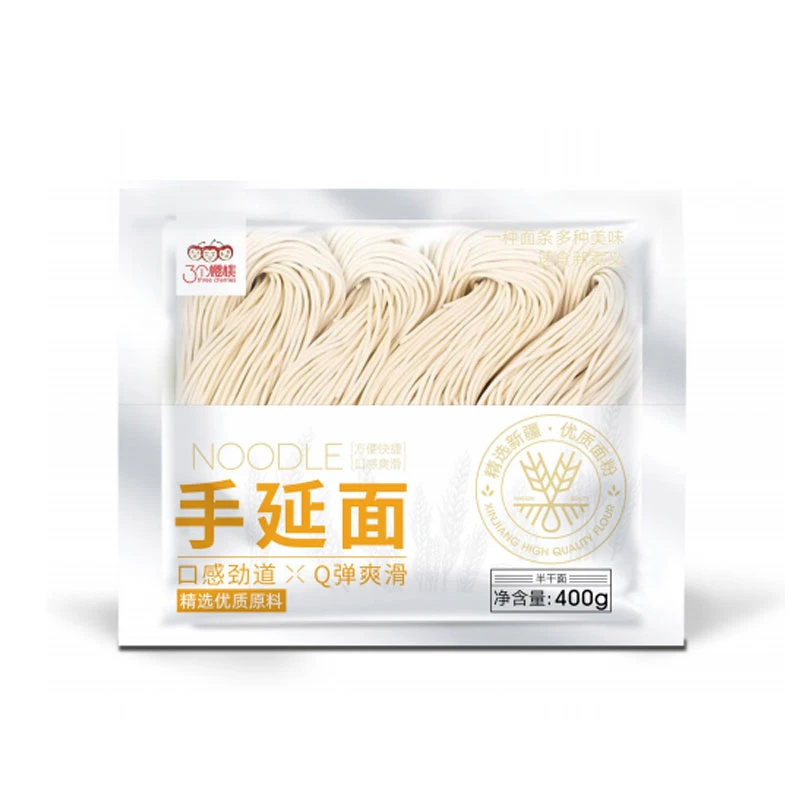
So here’s the thing — Korean instant udon isn’t just any noodle pack on the shelf. It’s a fusion of traditional culture and modern manufacturing techniques, combining the chewy texture prized in udon with the speed and ease that consumers expect today. As someone who's inspected countless lines of semi-dry noodle production, I find this product particularly impressive.
Many engineers I’ve met say the challenge lies in balancing moisture content while preserving the noodle’s elasticity. That’s precisely what Korean instant udon does well — their noodles come semi-dry, which optimizes shelf life without sacrificing chewiness. It feels like a masterclass in ingredient precision and process control.
Product Specifications at a Glance
| Spec | Details |
|---|---|
| Noodle Type | Semi-dry udon (wheat-based) |
| Moisture Content | 29-32% |
| Cooking Time | 3-5 minutes |
| Shelf Life | 6-8 months (room temp) |
| Packaging | Vacuum sealed pouch |
From an equipment standpoint, producing instant udon in semi-dry form requires specialized drying tunnels and steam cooking lines that many plants have retrofitted to achieve consistency. The packaging aspect is just as critical; a solid sealing process prevents oxygen infiltration, which can accelerate spoilage – no small matter when you’re shipping across continents.
Vendor Comparison: Choosing the Right Instant Udon Supplier
| Vendor | Moisture Consistency | Packaging Types | MOQ (Minimum Order Quantity) | Customization Options | Typical Lead Time |
|---|---|---|---|---|---|
| JX Semi-Dry Noodles | ±1.5% | Vacuum pouch, Flow wrap | 500 kg | Flavor, thickness, portion sizes | 3-5 weeks |
| Han River Foods | ±2.0% | Vacuum pouch only | 1000 kg | Limited flavor options | 4-6 weeks |
| Seoul Foodstuff Co. | ±1.8% | Flow wrap only | 300 kg | Thickness customization only | 2-4 weeks |
Throughout my years visiting noodle plants, I’ve found that vendors like Korean instant udon manufacturers stand out because of their blend of precise moisture control and flexible packaging options. Honestly, those factors can often make or break the product’s performance in overseas markets, where transportation stress is high and shelf life matters.
Just to share a quick anecdote: there was a small buyer in Australia who switched suppliers after repeated shipment spoilage. After onboarding a semi-dry udon vendor with better quality consistency, their customer complaints dropped sharply, and sales picked up. You can’t underestimate how much those little operational details matter.
In closing, whether you’re in food service, retail, or equipment manufacturing, Korean instant udon offers a glimpse into how thoughtful engineering meets tradition. It’s a product where semi-dry noodle innovation subtly yet effectively caters to fast-paced modern diets.
So next time you grab a quick bowl, maybe consider the science and craftsmanship behind that steaming hot noodle cup — it’s part art, part industrial mastery...
References:
- Industry seminar notes on semi-dry noodle processing, 2022
- JX Semi-Dry Noodles production overview, internal documentation
- Case studies on import/export quality in instant noodle supply chains
-
Discover the Refreshing Taste of Authentic Korean Cold SobaNewsApr.09,2026
-
Discover the Refreshing Taste of Korean Cold Buckwheat Noodles NaengmyeonNewsApr.07,2026
-
Discover the Cool and Refreshing World of Korean Buckwheat Noodles ColdNewsApr.04,2026
-
Discover the Refreshing Taste of Japanese Cold Buckwheat Noodles and Zaru SobaNewsMar.31,2026
-
Exploring the Delicious World of Chinese Style Cold NoodlesNewsMar.28,2026
-
Discover the Cool and Refreshing World of Korean Cold Soba NoodlesNewsMar.26,2026
-
Discover the Refreshing World of Japanese Cold Soba Noodle CuisineNewsMar.24,2026
Browse qua the following product new the we