
Soba Noodles Gluten Free: Industrial Insight & Product Details
Exploring soba noodles gluten free: a Unique Industrial Perspective
After nearly two decades working within the industrial equipment sector—and yes, sometimes dabbling in food-grade production environments—I've grown fascinated by how seemingly humble products like noodles actually intersect with modern manufacturing and quality control norms. One recent discovery that caught my professional curiosity is soba noodles gluten free. Oddly enough, this culinary niche poses some quietly tough challenges not just for food scientists, but also for equipment makers and process engineers like me.
Frankly, soba noodles traditionally rely heavily on buckwheat flour, which is naturally gluten-free — but commercial recipes often sneak in wheat flour to add elasticity, making the "gluten-free" label tricky. Producing truly gluten-free soba at scale requires more than a careful recipe; it demands specialized milling, dough mixing, and drying machinery to avoid cross-contamination and achieve consistent texture and strength. You might think noodles are “just noodles,” but in real terms, their industrial processing is a nuanced dance.
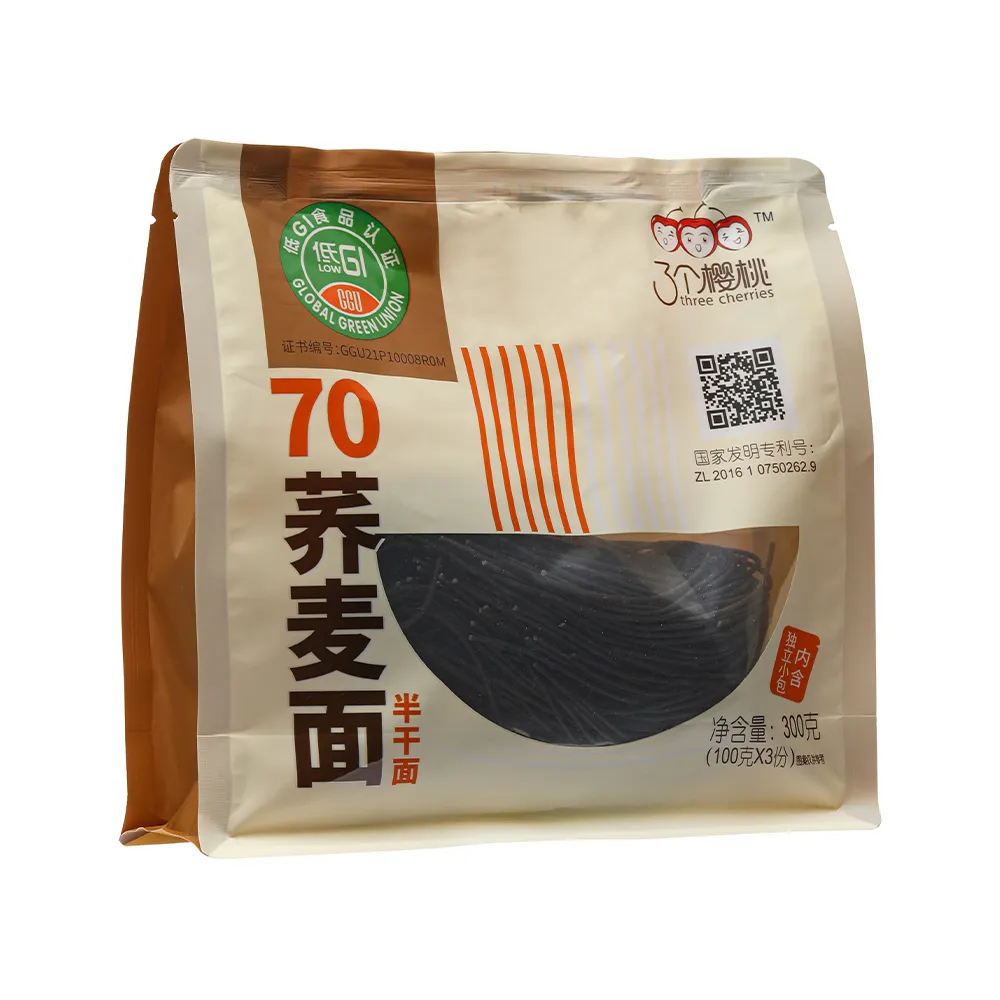
Product Specifications: Gluten-Free Soba Noodles
| Feature | Typical Value | Notes |
|---|---|---|
| Primary Ingredient | 100% Buckwheat Flour (gluten-free certified) | No wheat flour added |
| Moisture Content | 10–12% | Ensures shelf stability |
| Gluten Content | Third-party lab tested | |
| Texture | Firm but tender | Industrial drying process optimized |
| Packaging | Vacuum-sealed, 250g packs | Maintains freshness over months |
In my experience visiting production lines that manufacture gluten-free soba, I've noticed just how tightly regulated the environments must be. Cross-contact with gluten-based ingredients is a constant threat. It’s telling when a manufacturer upgrades their equipment to stainless steel, sealed conveyors, and precision cleaning protocols—it shows a real commitment beyond just "gluten-free on the label."
Vendor Comparison – Gluten-Free Soba Noodle Suppliers
| Supplier | Gluten-Free Certification | Production Capacity (tons/mo) | Notable Tech Features | Typical Pricing |
|---|---|---|---|---|
| JX SemiDry Noodles | Certified ISO 22000, Gluten-Free Verified | 20 | Automated drying & contamination control | $$$ |
| Green Valley Foods | Gluten-Free Association Approved | 15 | Eco-friendly packaging, batch traceability | $$ |
| SobaCraft Ltd. | Certified Gluten-Free (non-GMO tested) | 12 | Custom milling & artisanal drying | $$$ |
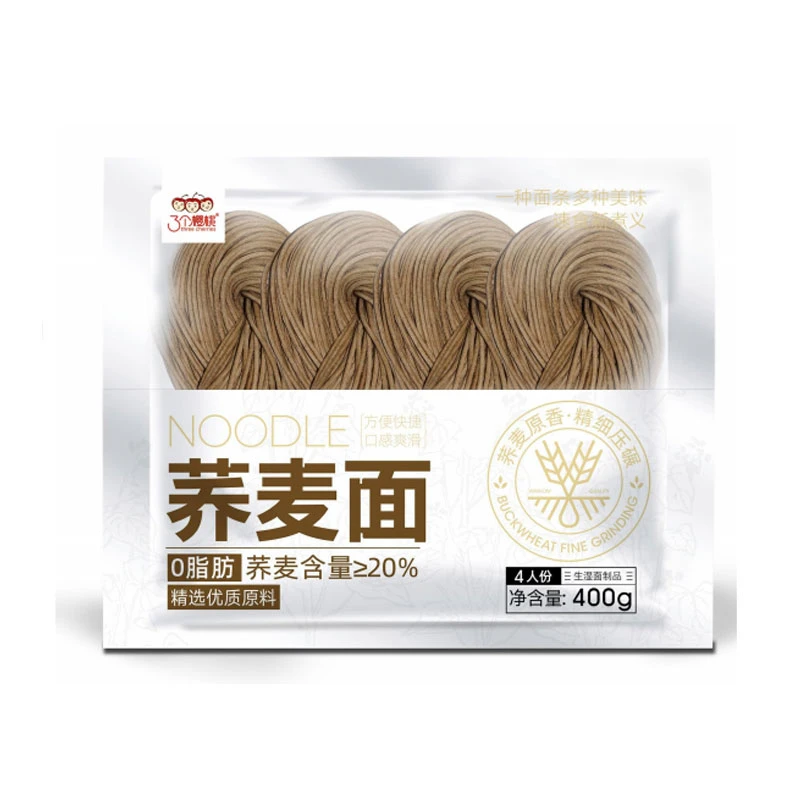
I recall one customer, a small gluten-free specialty café, who switched their supplier after noticing that some prior noodles felt mushy post-cooking—turns out their old vendor didn’t optimize drying stages to retain firmness sans gluten. They praised JX's noodles (you’ll find them at their site) for achieving this sweet spot of texture. That was a telling endorsement, because texture in gluten-free soba is notoriously tricky to get right without wheat’s gluten network. A small win, but one that reminded me of how engineering precision meets culinary art in this space.
Given the rising demand for gluten-free alternatives, the industry is ripe for more innovation, particularly around mechanization styles that reduce contamination risk while maintaining the delicacy of buckwheat noodles. Whether you’re an engineer, chef, or consumer, the factors behind that final product are surprisingly complex—and fascinating.
So yeah, next time you think about soba noodles gluten free, imagine the machinery, the testing labs, and the careful recipe tweaks behind that thin package. It’s a lot more than meets the eye.
Quick takeaway: Gluten-free soba noodles elegantly blend tradition with technical rigor—making them a perfect example of food meets industry.
References:
1. Gluten-Free Certification Organization (GFCO) Guidelines,
2. JX SemiDry Noodles Product Specification Sheet, 2024,
3. Industry Insights: Food-grade Equipment and Contamination Control, Journal of Production Engineering (2023).
-
Discover the Refreshing Taste of Authentic Korean Cold SobaNewsApr.09,2026
-
Discover the Refreshing Taste of Korean Cold Buckwheat Noodles NaengmyeonNewsApr.07,2026
-
Discover the Cool and Refreshing World of Korean Buckwheat Noodles ColdNewsApr.04,2026
-
Discover the Refreshing Taste of Japanese Cold Buckwheat Noodles and Zaru SobaNewsMar.31,2026
-
Exploring the Delicious World of Chinese Style Cold NoodlesNewsMar.28,2026
-
Discover the Cool and Refreshing World of Korean Cold Soba NoodlesNewsMar.26,2026
-
Discover the Refreshing World of Japanese Cold Soba Noodle CuisineNewsMar.24,2026
Browse qua the following product new the we