
Korean Instant Udon Noodles: Industrial Insights & Top Suppliers
Korean Instant Udon Noodles: A Quick Dive into an Industrial Classic
Having spent a good part of my career dealing with industrial food equipment, stepping into the world of Korean instant udon noodles brought some unexpected insights. Oddly enough, these noodles might seem simple at first glance — just a quick meal option — but the real story, behind their production and design, is surprisingly intricate.
From an equipment standpoint, instant udon noodles are a unique challenge. Their thick, chewy texture demands careful noodle dough formulation, proper extrusion, and precise drying techniques. If you think of the machinery involved, it’s not just about pumping out strands of dough; it’s about balancing moisture content, temperature, and tension. The goal? A consistent product that holds up well when cooked, clinging just right to whatever broth you prefer.
Frankly, seeing how companies tweak dryer temperatures and noodle thickness to control final texture was fascinating. I recall one factory I visited where they experimented with drying cycles to reduce cracking without affecting cooking time too much. It shows how much trial, error, and data collection goes into something as seemingly “simple” as instant noodles.
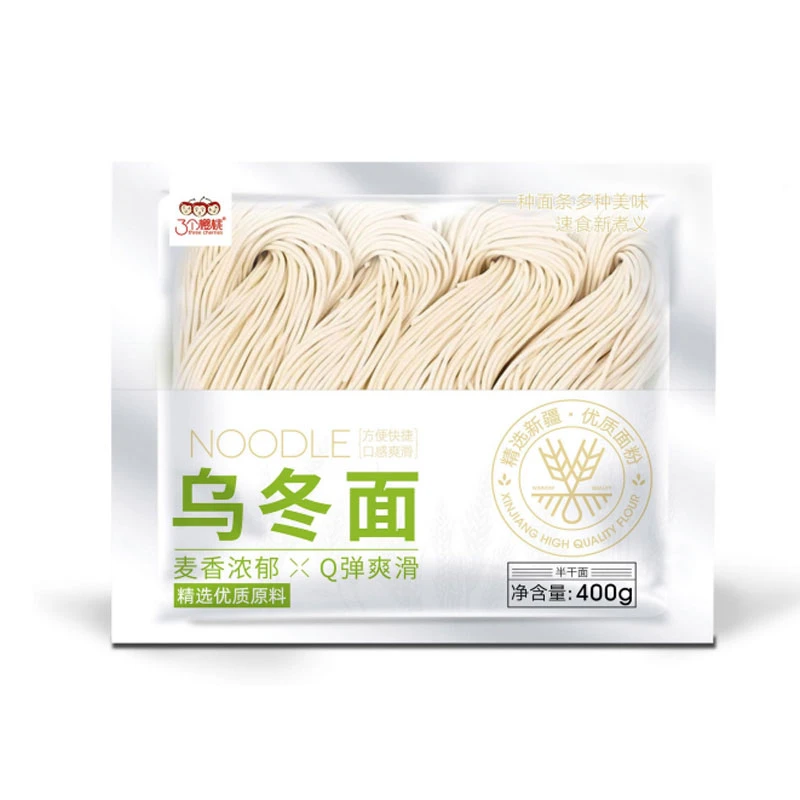
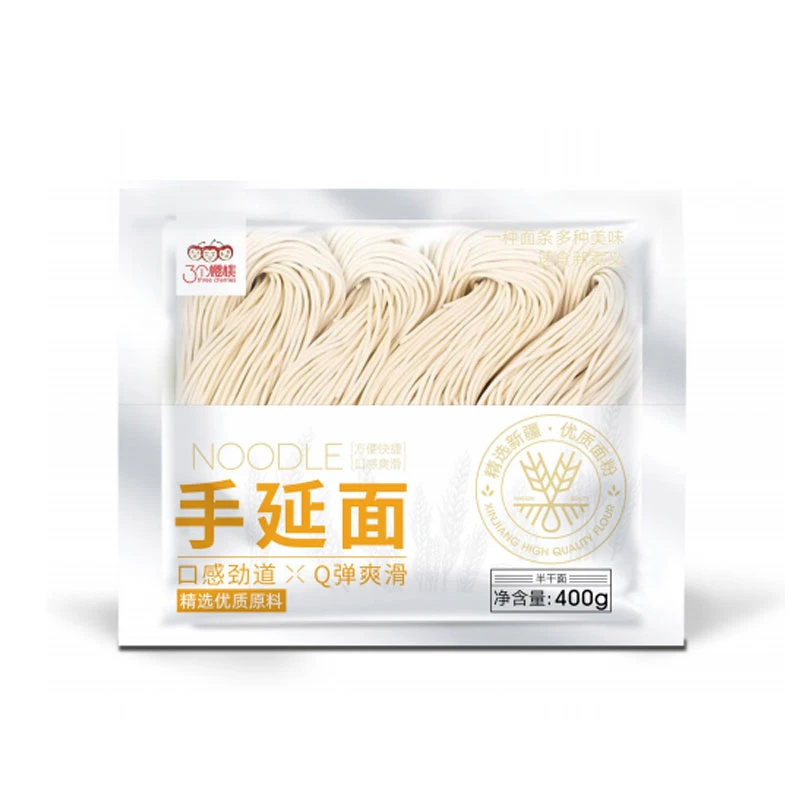
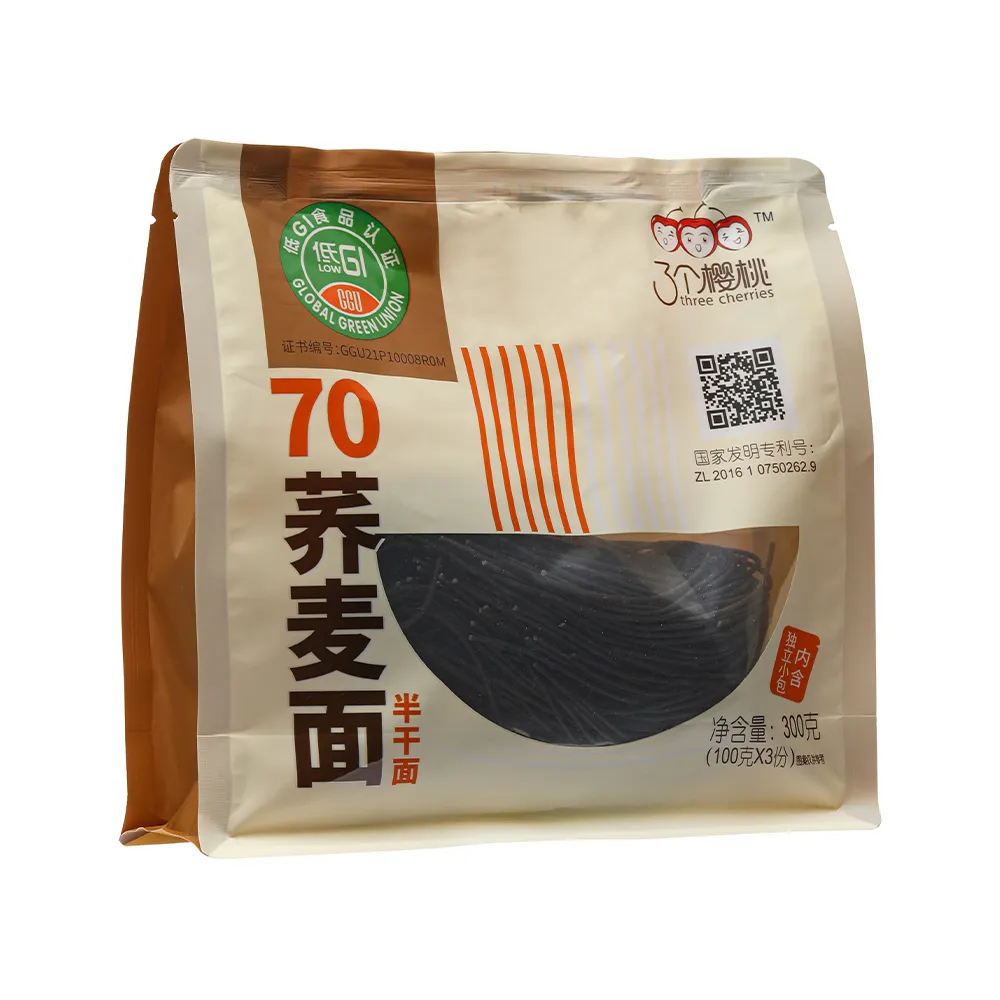
Of course, the ingredients matter too. Korean instant udon generally uses wheat flour as a base, but many producers opt for semi-dried noodle processes that retain more of the noodle's natural bite. That semi-dry method requires specific machinery configurations — which means manufacturers must invest upfront but gain downtime savings and quality consistency in return.
And speaking of manufacturers, there’s a subtle but important difference among vendors you should know if you’re considering bulk purchasing or product development. Here is a quick snapshot I put together comparing three notable instant udon noodle manufacturers:
| Vendor | Drying Process | Texture | Pricing | Lead Time |
|---|---|---|---|---|
| JX Semi-Dry Noodles | Semi-Dried | Chewy, resilient | Mid-range | 2-3 weeks |
| Vendor B | Fully Dried | Slightly brittle | Lower | 1-2 weeks |
| Vendor C | Frozen | Soft, fresh-like | Premium | 1 week |
For those somewhat new to the noodle game but seeking consistent quality, I’d suggest looking closely at suppliers like JX Semi-Dry Noodles. Their approach, using semi-dried methods, seems to strike a good balance between texture, shelf life, and shipping cost. I’ve noticed many chefs and food product developers prefer their noodles because they hold up nicely in soups without getting too soggy.
Now, let’s get a little more technical — here’s a quick specs overview of a typical Korean instant udon noodle product, so you can get a feel for what goes into the packaging:
| Specification | Value | Notes |
|---|---|---|
| Noodle Thickness | 2.2 – 3.0 mm | Varies by customer specs |
| Moisture Content | 18–22% | Semi-dried range for shelf life |
| Cooking Time | 3 – 5 minutes | Depends on thickness & drying |
| Shelf Life | 6 – 9 months | Stored in cool, dry place |
| Packaging Type | Vacuum-sealed or retort pouches | Preserves freshness and quality |
To wrap it up, working with Korean instant udon noodles has shown me how industrial food processes need to be precise yet flexible. I suppose that’s true of most food manufacturing, but with noodles, you really feel it in the texture and final user experience. If you want noodles that hold up well in broth, have a nice bite, and come with decent shelf life, looking into semi-dried varieties like those from JX Semi-Dry Noodles could be a worthwhile direction.
Also, a quick anecdote — one client I worked with switched from fully dried to semi-dry noodles, thinking it'd complicate logistics. Turns out, their customers loved the texture so much they saw repeat orders climb within months. It goes to show, texture is king in this market.
In real terms, the Korean instant udon noodle sector combines thoughtful material choices, smart equipment use, and customer preference understanding — all essential aspects I've learned to appreciate over the years.
Takeaway: Don't underestimate the complexity behind a simple bowl of udon; the industrial magic happens before you even boil the water.
References
- Industry visit notes, JX Semi-Dry Noodles factory (2023)
- “Instant Noodles: Manufacturing and Quality Assurance,” FoodTech Journal, 2022
- Discussions with product developers in the Korean noodle market (2021–2023)
-
Discover the Authentic Taste of Korean Buckwheat NoodlesNewsApr.16,2026
-
Discover the Refreshing Taste of Authentic Korean Cold SobaNewsApr.09,2026
-
Discover the Refreshing Taste of Korean Cold Buckwheat Noodles NaengmyeonNewsApr.07,2026
-
Discover the Cool and Refreshing World of Korean Buckwheat Noodles ColdNewsApr.04,2026
-
Discover the Refreshing Taste of Japanese Cold Buckwheat Noodles and Zaru SobaNewsMar.31,2026
-
Exploring the Delicious World of Chinese Style Cold NoodlesNewsMar.28,2026
-
Discover the Cool and Refreshing World of Korean Cold Soba NoodlesNewsMar.26,2026
Browse qua the following product new the we