0%

Table of Contents

Instant ramen, a globally recognized and beloved food, has evolved far beyond its origins as a convenient, affordable meal. From humble beginnings in post-war Japan, different types of instant ramen now represent a vast spectrum of flavors, ingredients, and culinary experiences. Understanding the diverse landscape of instant ramen – from traditional Japanese varieties to Korean spicy noodles and innovative international interpretations – provides insight into global food culture, economic trends, and even disaster relief strategies. The accessibility and shelf-life of this food make it a staple in countless households and a critical resource in times of need.

The popularity of different types of instant ramen stems from its remarkable convenience and affordability. It transcends geographical boundaries, enjoyed in bustling cities and remote villages alike. With annual global sales reaching billions of dollars, instant ramen is not merely a food product; it’s a cultural phenomenon. The continuous innovation in flavors and packaging, coupled with its adaptability to local tastes, fuels its enduring appeal. This widespread consumption also presents opportunities for analyzing consumer preferences and logistical efficiencies.

Beyond its culinary role, instant ramen plays a vital part in addressing food security challenges, particularly in emergency situations and for individuals facing economic hardship. Its long shelf life, minimal preparation requirements, and nutritional value (often fortified with vitamins and minerals) make it an ideal food source when immediate assistance is needed. As global populations grow and unpredictable events increase, the importance of readily available, reliable food sources like different types of instant ramen will only continue to rise.

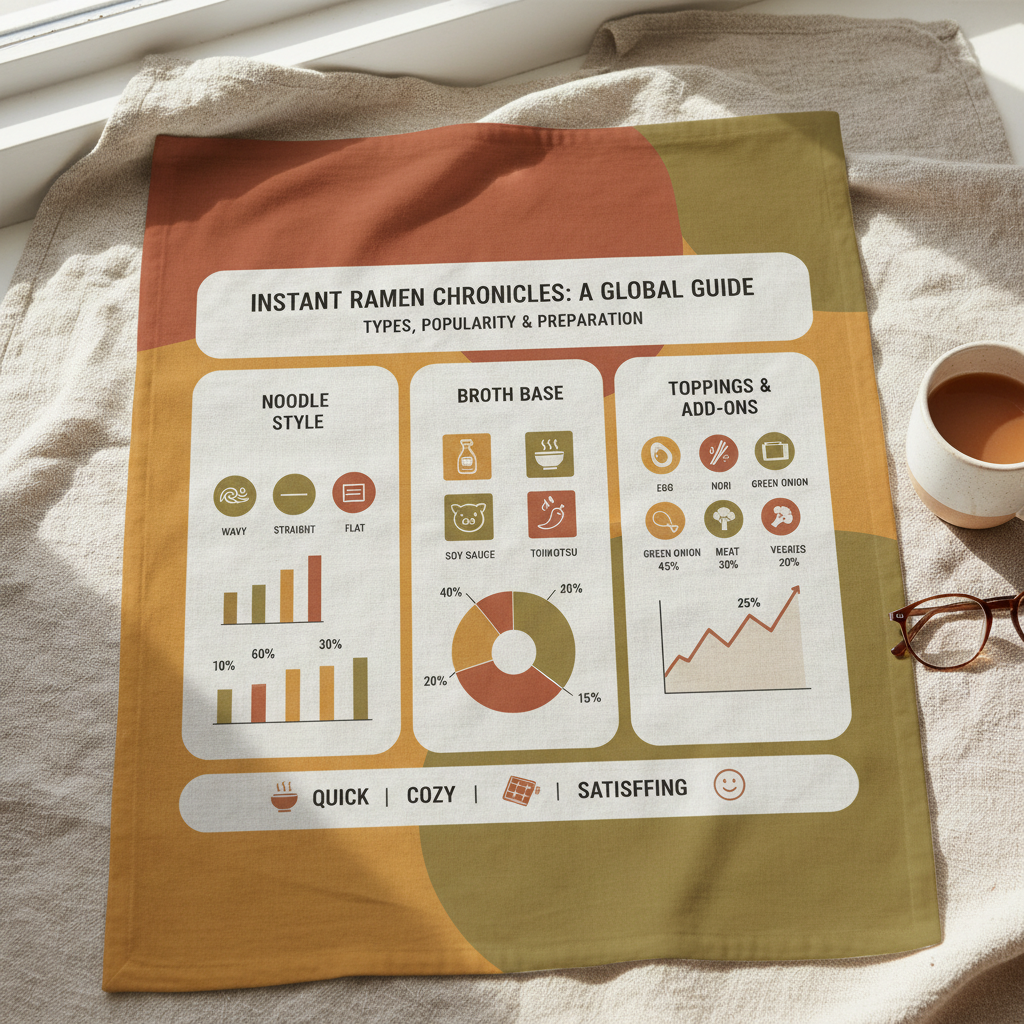
Exploring the Diverse World of Different Types of Instant Ramen and Its Global Impact

The Evolution and Global Impact of different types of instant ramen

Exploring the Diverse World of Different Types of Instant Ramen and Its Global Impact

The story of different types of instant ramen begins with Momofuku Ando, who revolutionized the food industry in 1958 with the invention of Chicken Ramen. This pioneering product offered a quick and convenient meal, addressing the post-war food shortages in Japan. Over the decades, innovations in drying techniques and flavor profiles led to the creation of cup noodles and a diverse array of instant ramen varieties.

Today, different types of instant ramen is a global phenomenon, enjoyed in over 100 countries. Its popularity stems from its affordability, convenience, and adaptability to local tastes. From spicy Korean ramen to Japanese tonkotsu-flavored noodles and Southeast Asian-inspired creations, the variety is seemingly endless. This global reach has made instant ramen a significant player in the food industry, influencing culinary trends and consumer habits worldwide.

Defining the Spectrum of different types of instant ramen

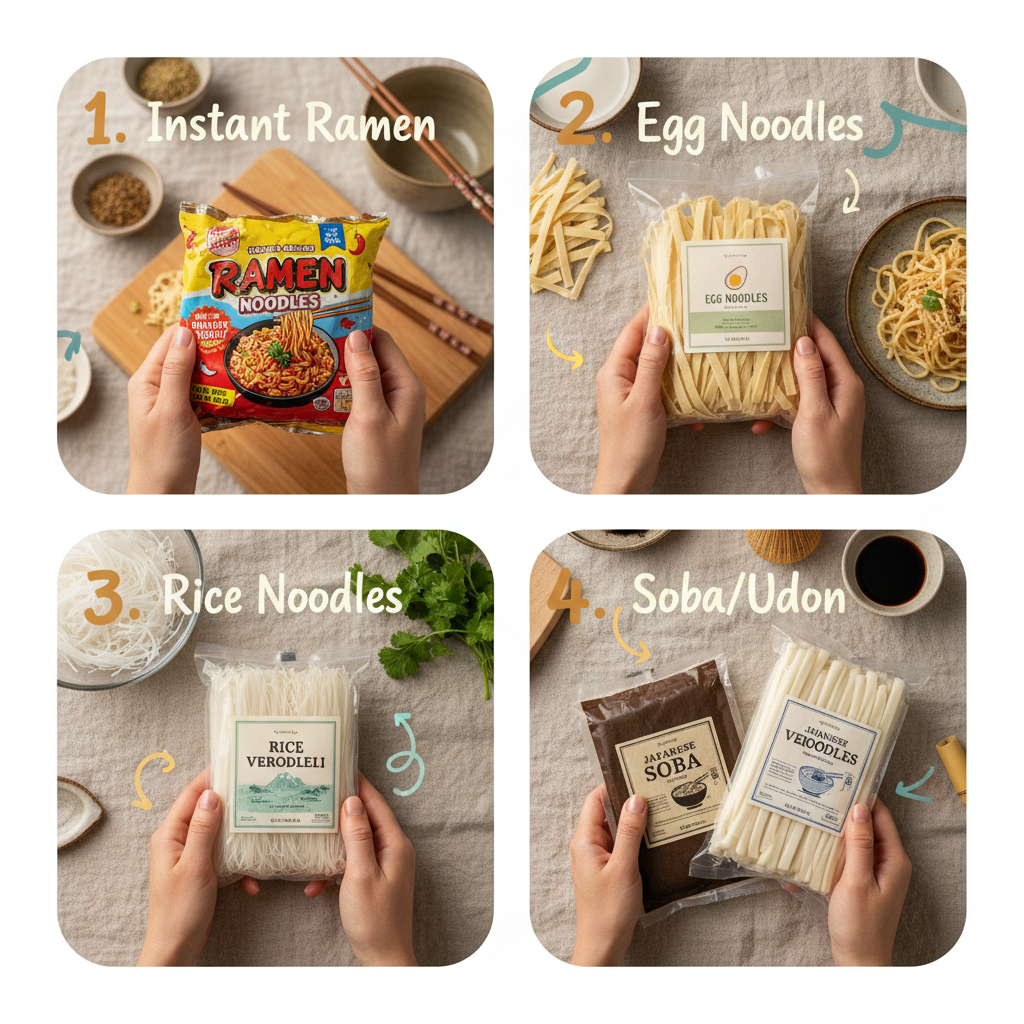
Different types of instant ramen are broadly defined as noodle soup mixes containing dried noodles, dehydrated seasonings, and often, dehydrated vegetables and meat. However, this simple definition belies an incredible diversity. The noodles themselves can vary in thickness, shape, and ingredient – wheat, rice, and even bean starch are commonly used. The broth, typically dehydrated, comes in a vast range of flavors, from soy sauce-based to miso, spicy chili, and creamy curry.

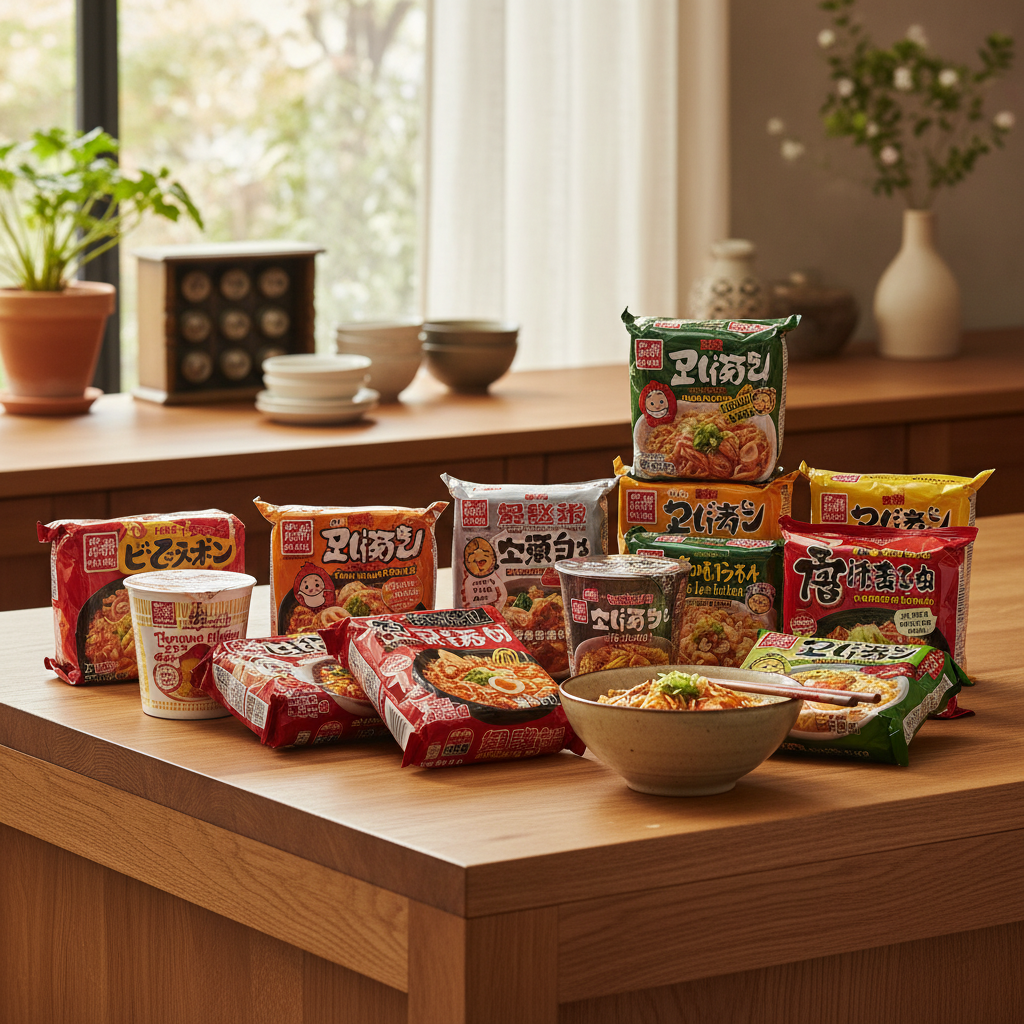
The categorization of instant ramen often depends on regional preferences and preparation methods. Japanese ramen typically features thinner wheat noodles and delicate broths, while Korean ramen (ramyeon) tends to be spicier and utilizes thicker noodles. Indonesian Indomie is known for its fried noodle varieties, and Chinese instant noodles often incorporate a wider range of ingredients and textures.

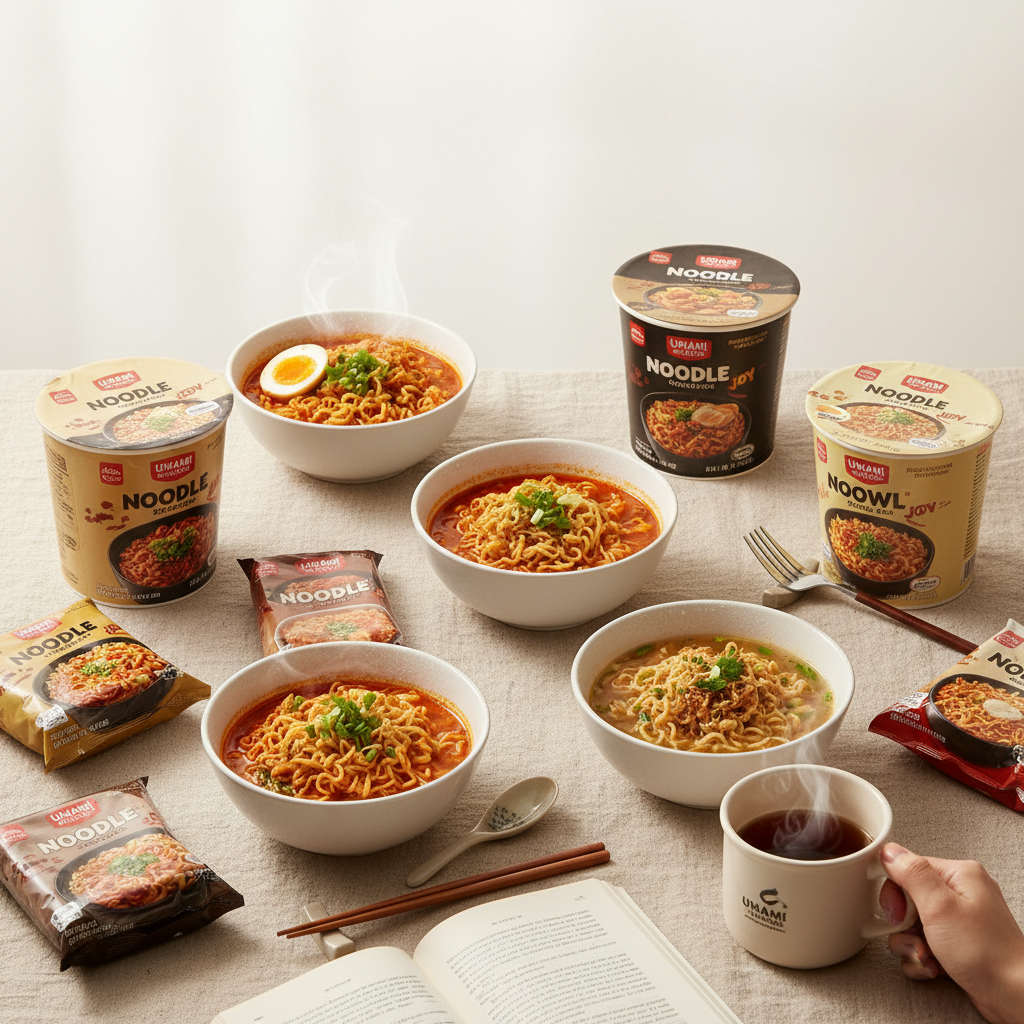
Furthermore, the addition of toppings drastically alters the experience. From simple additions like scallions and egg to more elaborate toppings like chashu pork, nori seaweed, and marinated bamboo shoots, the customization options are limitless. This allows consumers to tailor their instant ramen experience to their individual preferences.

Core Characteristics of different types of instant ramen

One of the key characteristics of different types of instant ramen is its incredibly long shelf life. This is achieved through the dehydration process, which removes moisture and inhibits microbial growth. Proper packaging further extends the shelf life, allowing instant ramen to remain edible for months, even years, without significant degradation in quality.

Cost-effectiveness is another defining trait. The efficient manufacturing process and readily available ingredients contribute to its affordability. This makes it an accessible food option for a wide range of consumers, particularly those with limited budgets. The low production cost also allows for a high profit margin, contributing to its widespread availability.

Convenience is paramount. The minimal preparation time – typically just adding hot water – makes it a quick and easy meal option. This is particularly appealing to busy individuals, students, and travelers. The portability of instant ramen, especially cup noodles, further enhances its convenience.

Practical Applications of different types of instant ramen Across Industries

Beyond individual consumption, different types of instant ramen has found applications in various sectors. Disaster relief organizations frequently utilize instant ramen as a readily available and nutritious food source for victims of natural disasters. Its long shelf life and easy preparation make it ideal for emergency situations where access to fresh food is limited.

The military and peacekeeping forces also rely on different types of instant ramen as a lightweight and convenient meal ration for personnel deployed in remote locations. Its portability and nutritional value make it a practical choice for soldiers and aid workers operating in challenging environments.

Consumer Preference for different types of instant ramen Flavors


The Global Reach and Advantages of different types of instant ramen

The affordability of different types of instant ramen makes it particularly important in developing countries, where it can provide a vital source of calories and nutrients for populations facing food insecurity. Its ease of preparation requires minimal cooking facilities, making it accessible even in areas without reliable energy sources.

The global supply chain for instant ramen is highly efficient, enabling rapid distribution to markets around the world. This efficiency contributes to its affordability and ensures a consistent supply, even during times of crisis. The established infrastructure for manufacturing and distribution allows for quick responses to changing demands.

Future Innovations and Sustainability in different types of instant ramen

The future of different types of instant ramen is likely to focus on sustainability and enhanced nutritional value. Companies are exploring the use of eco-friendly packaging materials, such as biodegradable plastics and paper-based containers, to reduce their environmental impact.

Furthermore, there's a growing trend towards incorporating healthier ingredients, such as whole grains, vegetables, and lean proteins, into instant ramen formulations. This addresses concerns about the nutritional content of traditional instant ramen and caters to health-conscious consumers.

Innovations in flavor technology are also expected, with the development of more authentic and nuanced flavor profiles. The use of natural flavorings and spices will further enhance the culinary experience and appeal to a wider range of palates.

Challenges and Solutions in the different types of instant ramen Supply Chain

One of the primary challenges facing the instant ramen industry is the reliance on palm oil, a controversial ingredient due to its environmental impact. Sustainable sourcing of palm oil and the exploration of alternative oils are crucial steps towards mitigating this issue.

Another challenge is reducing sodium content, as instant ramen is often criticized for being high in salt. Developing innovative seasoning blends that deliver flavor without excessive sodium is an ongoing effort. Food technology is playing a key role in finding solutions.

Finally, improving packaging recyclability is essential for minimizing waste. Collaboration between manufacturers, packaging companies, and recycling facilities is needed to create a more circular economy for instant ramen packaging.

Core Attributes of Different Instant Ramen Production Methods

Production Method Noodle Quality Score (1-10) Production Cost (USD/unit) Environmental Impact Score (1-10, Lower is better)
Deep Frying 7 0.15 8
Steam Frying 8 0.18 6
Air Drying 6 0.12 5
Freeze Drying 9 0.25 7
Non-Fried 6 0.10 4
Vacuum Drying 7 0.20 5

FAQS

What are the key nutritional differences between different types of instant ramen?

While often perceived as nutritionally lacking, different types of instant ramen can vary significantly. Factors influencing nutritional value include noodle composition (wheat vs. rice), broth ingredients, and added protein or vegetables. Typically, instant ramen is high in carbohydrates and sodium, and low in vitamins and minerals. However, fortified varieties and those with added ingredients can offer a more balanced nutritional profile. Check the nutrition label for specific details and consider supplementing with fresh ingredients.

How long can I safely store different types of instant ramen?

Different types of instant ramen boasts an exceptionally long shelf life, typically ranging from 6 to 18 months from the production date. This is due to the dehydration process used in its manufacturing. However, it’s crucial to store it properly in a cool, dry place away from direct sunlight and strong odors. While generally safe to consume past the "best before" date, quality may decline, and flavor may be compromised.

Are there healthier alternatives to traditional instant ramen?

Yes! Many brands now offer healthier alternatives to traditional instant ramen. Look for options with reduced sodium content, whole-wheat noodles, organic ingredients, and added vegetables or lean protein. Air-dried or non-fried noodles are generally healthier than fried varieties. You can also enhance the nutritional value of any instant ramen by adding your own fresh ingredients like vegetables, eggs, or tofu.

What is the environmental impact of instant ramen packaging?

Instant ramen packaging, often made of polystyrene or plastic, can contribute to environmental pollution. Many companies are now exploring more sustainable packaging options, such as biodegradable materials or recyclable paper-based containers. Proper disposal of packaging is crucial. Check your local recycling guidelines to determine if instant ramen packaging is accepted in your area.

Can I customize my instant ramen with different toppings and ingredients?

Absolutely! Customization is one of the joys of enjoying different types of instant ramen. Feel free to experiment with a wide range of toppings and ingredients to create your perfect bowl. Popular choices include vegetables (spinach, mushrooms, carrots), proteins (eggs, tofu, chicken, pork), and flavor enhancers (sesame oil, chili garlic sauce, seaweed). Get creative and personalize your ramen experience!

How does the preparation method impact the taste and texture of instant ramen?

The preparation method significantly influences the taste and texture of different types of instant ramen. Using the correct water-to-noodle ratio is crucial. Allowing the noodles to fully rehydrate for the recommended time ensures optimal texture. Adding the seasoning packet at the correct stage also impacts the final flavor. Some enthusiasts even recommend adjusting the cooking time or using different types of water to enhance the experience.

Conclusion

In conclusion, different types of instant ramen represents far more than just a convenient meal. It’s a global food phenomenon with a rich history, diverse applications, and ongoing innovations. From its origins as a solution to post-war food shortages to its current role in addressing food security and consumer convenience, instant ramen continues to adapt and evolve. Understanding its characteristics, applications, and future trends provides valuable insight into the dynamic landscape of the global food industry.

As we look ahead, the focus on sustainability, nutritional value, and responsible sourcing will shape the future of instant ramen. By embracing innovation and addressing environmental concerns, the industry can ensure that this beloved food remains a convenient, affordable, and responsible option for consumers worldwide. To explore the world of different types of instant ramen further and discover exciting new flavors and varieties, visit our website: https://www.jxsemidrynoodles.com

David Miller

David Miller

David Miller is the Head of Market Analysis at Hebei Jinxu Noodle Industry Co., Ltd. With over 15 years of experience in the food industry, David focuses on identifying emerging trends in noodle consumption and consumer preferences, particularly within the health and wellness sector. He closely monitors the growth of
Previous Exploring the World of Instant Ramen Types and Their Global Impact
Next Exploring the Diverse World of Different Types of Instant Noodles and Their Global Impact