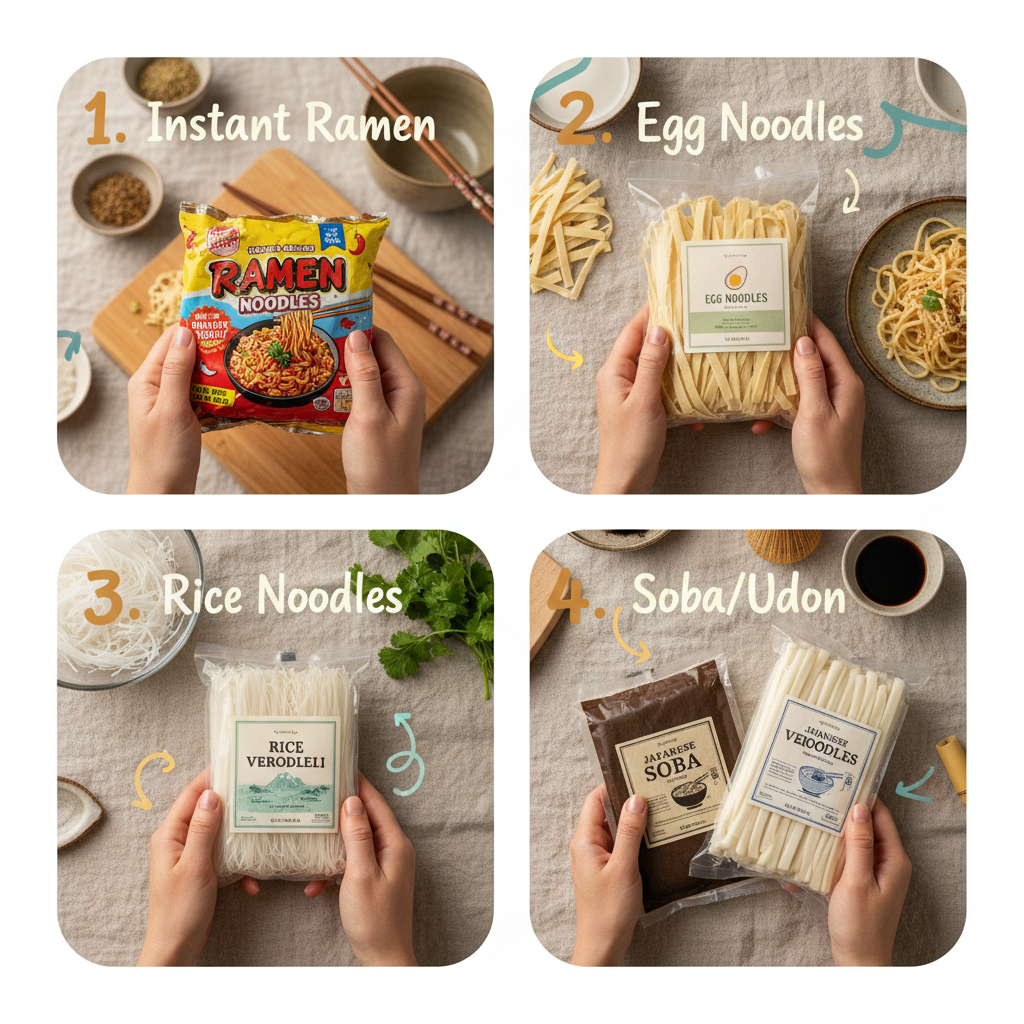
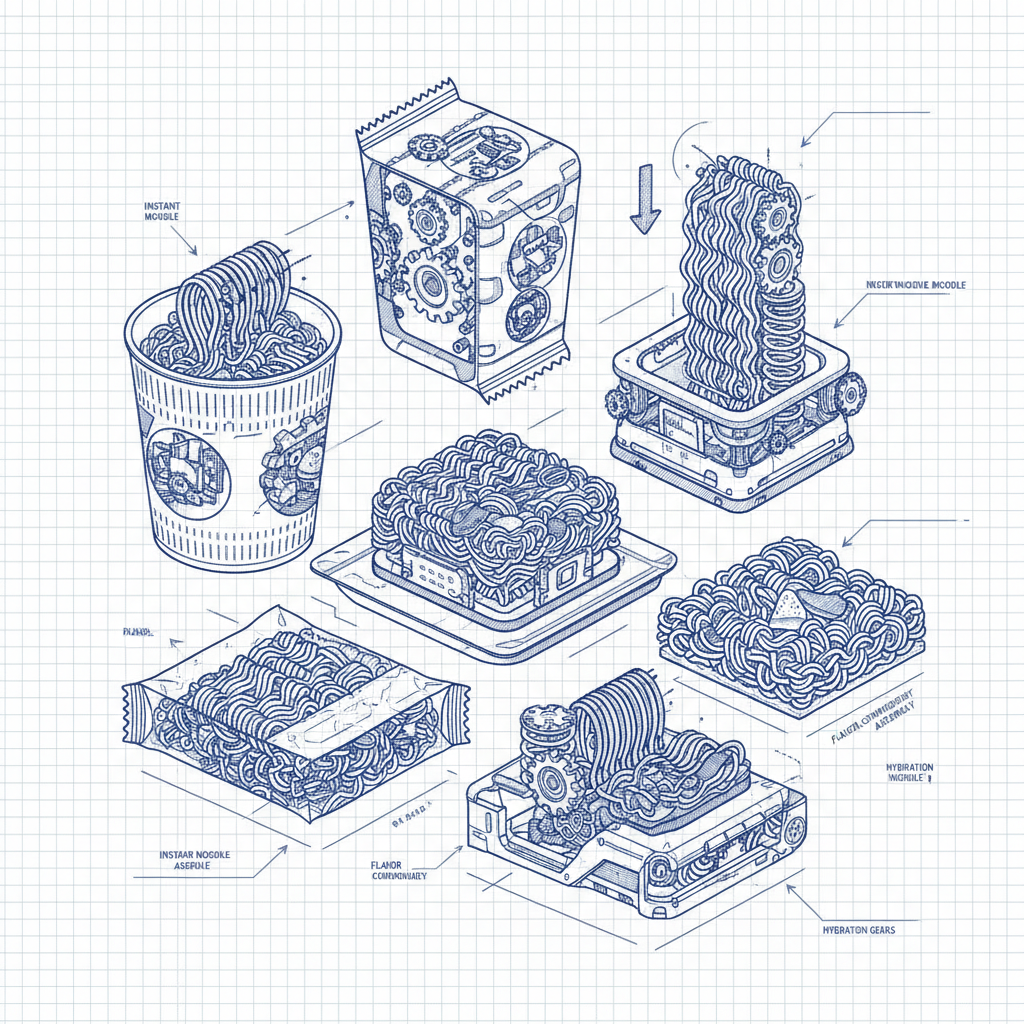
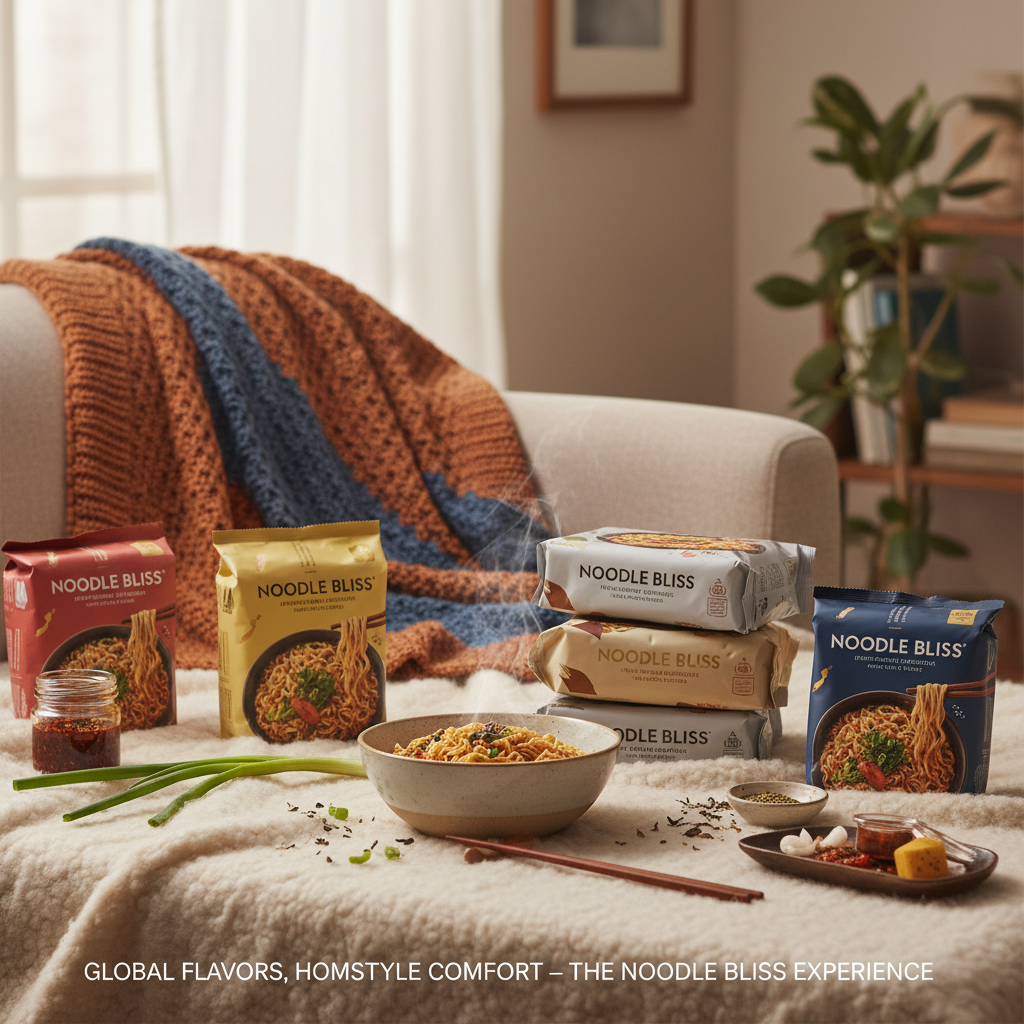
Different types of noodles packet have become a global staple, offering convenient and affordable nutrition to billions. From quick snacks to essential food aid, these packets represent a significant portion of the world’s carbohydrate intake. Understanding their production, variations, and impact is crucial for food security, disaster relief, and even cultural exchange. This exploration delves into the diverse world of instant noodles, analyzing their role in modern society and potential future developments.
The rise of different types of noodles packet is inextricably linked to advancements in food processing and packaging technologies. Originally popularized in post-war Japan, they quickly spread across Asia and then globally, adapting to local tastes and preferences. Today, the industry is a multi-billion dollar market, constantly innovating to meet evolving consumer demands. This makes a deep understanding of these products not only useful for industry professionals but also for those involved in global health and humanitarian work.
The versatility and long shelf life of different types of noodles packet are key factors in their widespread adoption. Beyond their culinary applications, these packets represent a reliable food source in emergency situations and remote locations where access to fresh food is limited. Consequently, advancements in this area are vital for addressing global food challenges and ensuring nutritional support for vulnerable populations.
The Significance of Different Types of Noodles Packet
Different types of noodles packet represent more than just a convenient meal; they symbolize a significant portion of global food culture and accessibility. Their affordability and ease of preparation make them a crucial food source for millions, particularly in developing countries. Understanding the nuances of this market is vital for ensuring food security and addressing nutritional needs worldwide.
The impact extends beyond individual consumption, playing a key role in disaster relief efforts and emergency food supplies. Their long shelf life and minimal preparation requirements make them ideal for situations where immediate nourishment is critical. As a result, innovations in noodle packet technology directly contribute to humanitarian aid effectiveness.
Defining Different Types of Noodles Packet
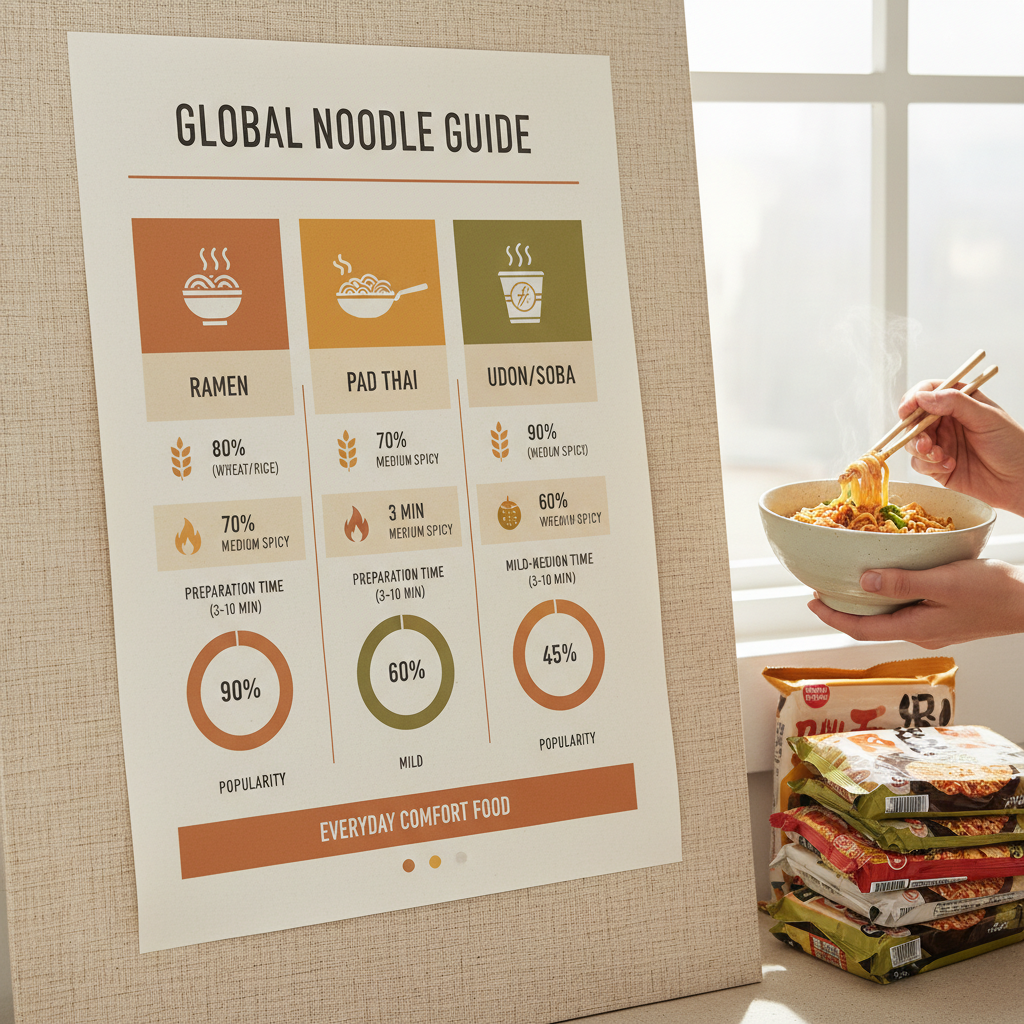
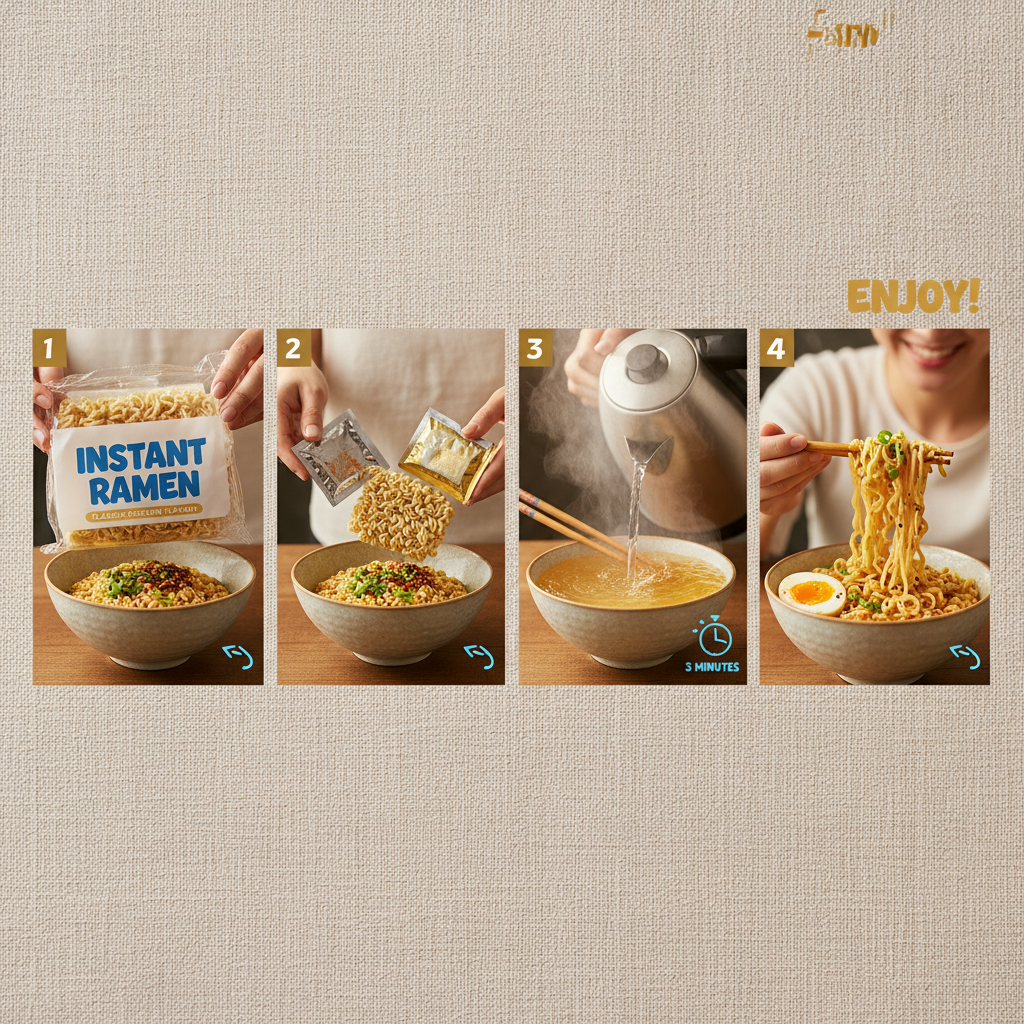
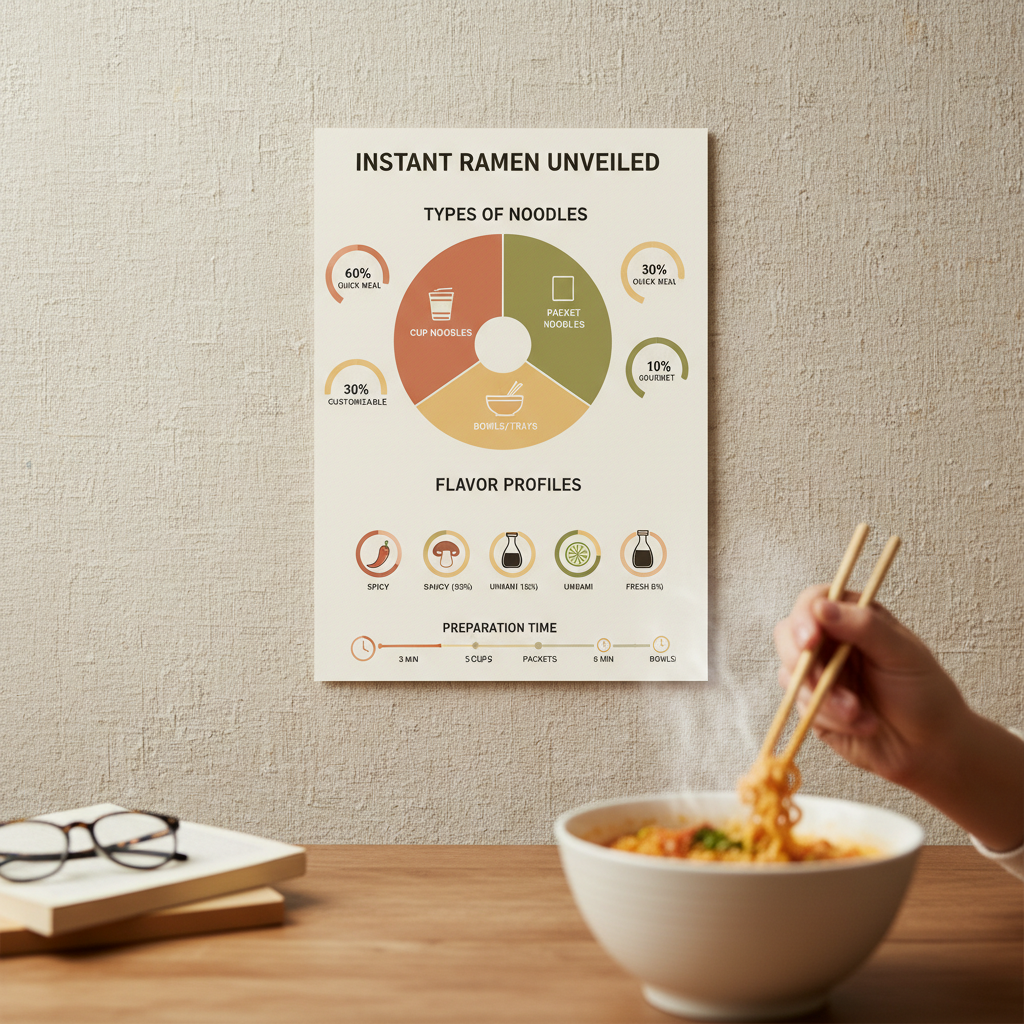
Different types of noodles packet are typically defined as pre-cooked, dried noodle blocks, often flavored with seasoning powders and oils, packaged for individual consumption. These packets usually require only hot water to rehydrate and are ready to eat within minutes. They differentiate themselves through variations in noodle type (wheat, rice, etc.), flavoring profiles (spicy, savory, etc.), and added ingredients (vegetables, meat, etc.).
The modern noodle packet is a direct evolution of instant ramen, invented in Japan by Momofuku Ando in 1958. This innovation addressed post-war food shortages and provided a quick, accessible, and affordable meal option. Over time, the concept has expanded globally, adapting to diverse culinary traditions and dietary preferences.
These packets aren’t simply a convenience food; they’re a complex product of food science, packaging technology, and market adaptation. Their continued relevance is tied to ongoing improvements in nutritional content, sustainable packaging, and tailored flavor development.
Key Factors Influencing Noodle Packet Quality
Several key factors determine the overall quality of different types of noodles packet. Noodle composition – the type of flour used (wheat, rice, or a blend) – profoundly impacts texture and nutritional value. High-quality flour results in a more resilient and flavorful noodle. The oil used in the frying process also plays a critical role, influencing both taste and shelf life.
The seasoning packet is equally important. The quality of the flavoring agents, the balance of spices, and the presence of MSG or other additives all contribute to the overall taste experience. Consumers are increasingly demanding healthier seasoning options with natural ingredients and reduced sodium content, pushing manufacturers to innovate in this area.
Finally, packaging plays a crucial role in preserving freshness and preventing damage. Durable, airtight packaging protects the noodles from moisture and oxidation, extending their shelf life and maintaining their quality. Sustainable packaging options are also gaining prominence as consumers become more environmentally conscious.
Durability and Shelf Life of Noodle Packets
The exceptional durability and extended shelf life of different types of noodles packet are arguably their most significant advantages. This stems from the multi-stage cooking process: noodles are first boiled, then steamed, and finally deep-fried, removing most of their moisture content. This process, combined with airtight packaging, inhibits microbial growth and preserves the noodles for extended periods.
Typically, well-packaged noodle packets can remain edible for six months to two years, depending on storage conditions. Optimal storage involves keeping them in a cool, dry place away from direct sunlight. However, while the noodles remain safe to eat, flavor and texture may gradually degrade over time.
Shelf Life Comparison of Different Noodle Packet Types
Global Applications of Noodle Packets
The applications of different types of noodles packet extend far beyond individual consumption. In post-disaster relief operations, they serve as a crucial source of immediate sustenance for affected populations. Their portability and long shelf life make them ideal for distribution in areas with limited infrastructure. Organizations like the Red Cross and World Food Programme regularly include noodle packets in their emergency food kits.
In remote industrial zones and military operations, where access to fresh food is limited, noodle packets provide a convenient and reliable meal option for workers and personnel. They also cater to the demands of the quick-service restaurant (QSR) industry, offering a cost-effective and easily prepared menu item.
Advantages and Long-Term Value
The advantages of different types of noodles packet are multifaceted. Economically, they provide a remarkably affordable food source, particularly in regions with limited resources. From a logistical standpoint, their lightweight and compact nature simplifies transportation and storage, reducing costs and environmental impact.
Beyond practicality, the convenience and familiarity associated with noodle packets contribute to their sustained popularity. They offer a sense of comfort and security, especially in challenging circumstances. Their adaptability to local tastes and preferences further enhances their appeal, creating a strong consumer base worldwide.
Future Trends and Innovations
The future of different types of noodles packet is likely to be shaped by several key trends. Sustainability is a major driver, with manufacturers increasingly exploring biodegradable packaging materials and reducing their carbon footprint. Innovations in noodle composition, such as incorporating plant-based proteins and reducing sodium content, are also gaining traction.
Digital transformation is playing a role, with personalized flavor options and online ordering platforms becoming more prevalent. Automation in production processes aims to enhance efficiency and reduce costs, while advancements in food technology may lead to longer shelf lives and improved nutritional profiles.
The development of fortified noodle packets, enriched with essential vitamins and minerals, holds promise for addressing nutritional deficiencies in vulnerable populations, aligning with global health initiatives.
Analysis of Factors Influencing Noodle Packet Sustainability
| Packaging Material |
Biodegradability |
Carbon Footprint |
Cost Effectiveness |
| Polypropylene (PP) |
Low |
High |
High |
| Polylactic Acid (PLA) |
Medium |
Medium |
Medium |
| Paper-Based Packaging |
High |
Low |
Low-Medium |
| Recycled Cardboard |
Very High |
Very Low |
Low |
| Compostable Films |
Very High |
Low-Medium |
Medium-High |
| Algae-Based Packaging |
Very High |
Very Low |
High |
FAQS
Frequent consumption of instant noodles can be low in essential nutrients like protein, fiber, vitamins, and minerals. Many varieties are also high in sodium, saturated fats, and processed carbohydrates. Balancing noodle consumption with a diverse diet rich in fresh fruits, vegetables, and lean protein is crucial for maintaining good health. Consider fortifying your meal with added vegetables or protein sources to improve the nutritional profile.
Yes, healthier alternatives are emerging! Look for instant noodles made with whole wheat or brown rice flour, which offer more fiber. Brands are also introducing noodles with lower sodium content and more natural flavoring. Exploring options that include added vegetables or plant-based protein sources can further enhance the nutritional value. Consider making your own instant noodles from scratch for maximum control over ingredients.
Reducing sodium in instant noodles is relatively simple. Use only half of the seasoning packet provided, or dilute the seasoning with water before adding it to the noodles. Adding your own spices, herbs, or vegetables can enhance the flavor without relying on excessive sodium. You can also rinse the cooked noodles briefly to remove some of the remaining salt.
The primary environmental concern is the use of non-biodegradable packaging, typically polypropylene (PP). This contributes to plastic waste accumulation. However, manufacturers are increasingly exploring sustainable alternatives like paper-based packaging, compostable films, and algae-based materials. Recycling programs for these materials are also expanding, but more work is needed to improve infrastructure and consumer participation.
Yes, many countries have regulations in place to ensure the safety of instant noodles. These regulations typically cover aspects like permissible levels of additives (like MSG), heavy metal contamination, and hygiene standards during production. Organizations like the FDA and WHO provide guidelines for food safety, and manufacturers are expected to comply with these standards.
Different noodle types, such as wheat, rice, or buckwheat, require varying cooking times and result in distinct textures. Wheat noodles generally cook quickly and have a chewier texture, while rice noodles are softer and take slightly longer to rehydrate. Buckwheat noodles offer a unique earthy flavor and a slightly coarser texture. Always follow the instructions on the packet for optimal results, but be prepared to adjust cooking time based on your preference.
Conclusion
Different types of noodles packet have evolved from a post-war necessity to a global culinary phenomenon. Their affordability, convenience, and long shelf life have made them an indispensable part of food systems worldwide, providing sustenance in times of crisis and a quick meal for busy lifestyles. However, addressing concerns related to nutritional value and environmental impact is crucial for ensuring the long-term sustainability of this industry.
Looking ahead, innovations in sustainable packaging, healthier ingredient formulations, and responsible production practices will be paramount. Continued research and development, coupled with consumer awareness, will drive the evolution of different types of noodles packet, solidifying their role as a vital component of global food security and a convenient meal choice for generations to come. For more information and to explore our diverse range of noodle packet options, visit our website: different types of noodles packet.