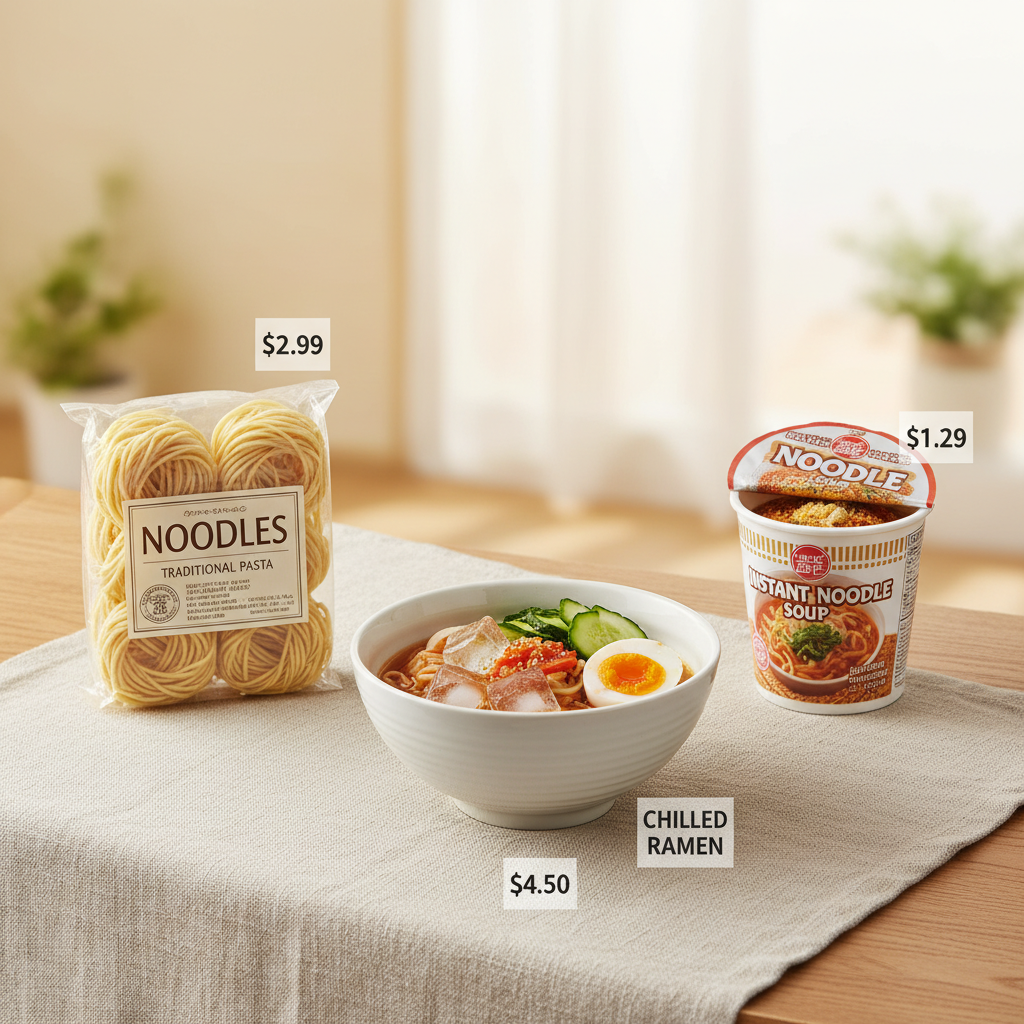
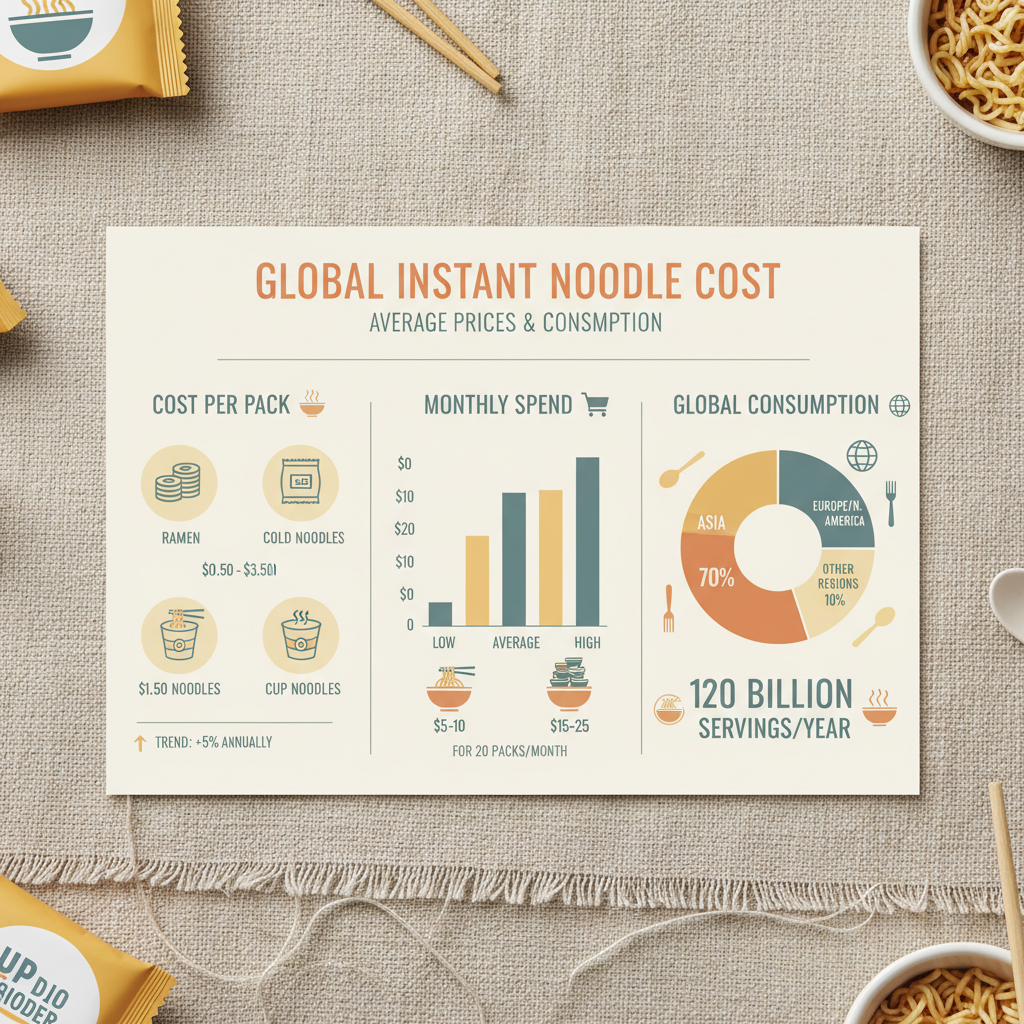
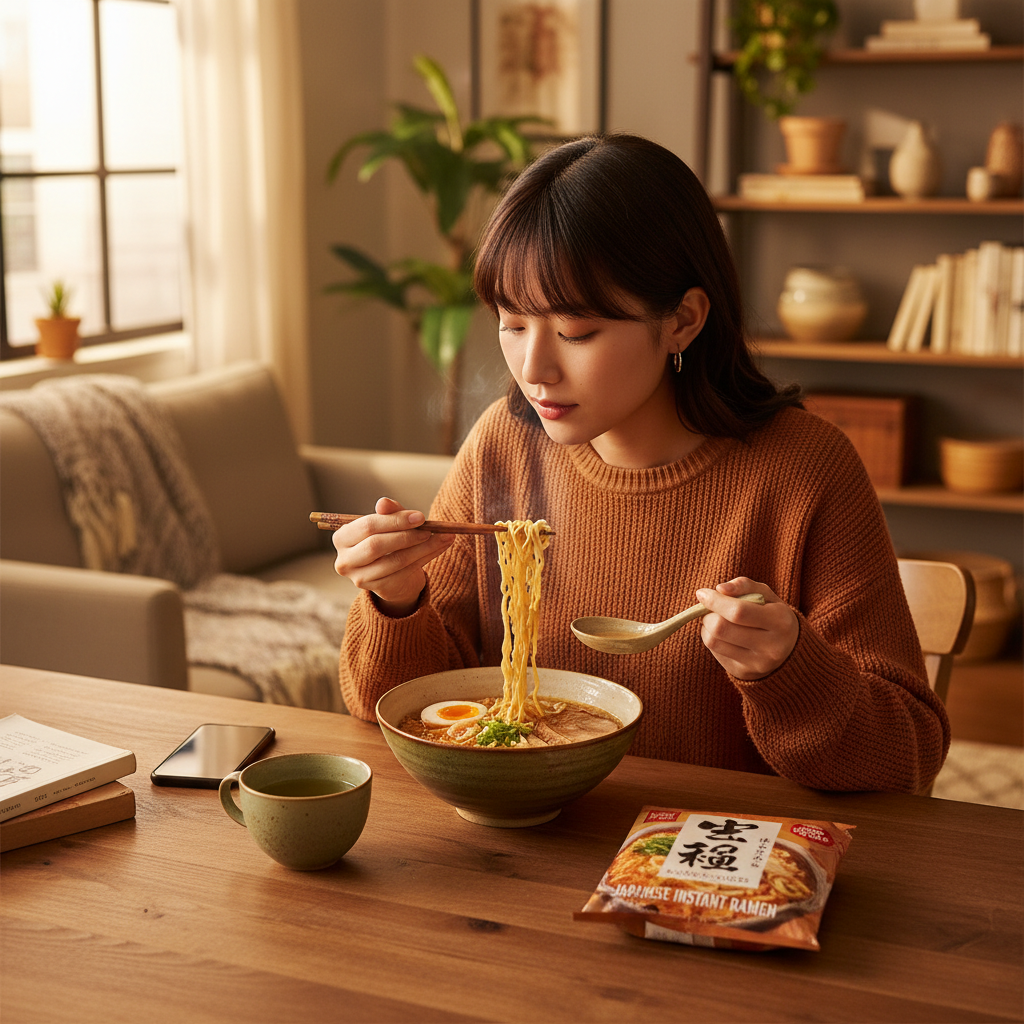
Instant noodles cost. It’s a deceptively simple phrase, but one that touches on global food security, disaster relief, and even the economics of convenience. For a product that’s often seen as a quick, cheap meal, understanding the factors influencing its price point is surprisingly complex. From raw material sourcing and manufacturing processes to transportation logistics and local market conditions, a lot goes into determining what you pay for that packet of noodles. We're talking about billions of servings consumed annually worldwide – it's a significant economic force.
The relevance of tracking instant noodles cost extends far beyond the supermarket shelf. Aid organizations rely on these noodles as a crucial component of emergency food supplies due to their affordability, long shelf life, and ease of preparation. Understanding price fluctuations allows for more efficient budgeting and procurement during crises. In developing countries, instant noodles represent a substantial portion of daily caloric intake for many, making cost accessibility a matter of food security.
But the story doesn’t stop there. A careful look at instant noodles cost reveals insights into broader economic trends – commodity price volatility, currency exchange rates, and even geopolitical stability all play a role. Analyzing these influences helps businesses make informed decisions about production, distribution, and pricing strategies, ensuring both profitability and affordability for consumers.
The Core of Instant Noodles Cost
Understanding instant noodles cost isn’t just about the price tag. It’s about the whole supply chain – the wheat or rice used for the noodles, the palm oil for frying (and the ethical considerations surrounding its sourcing), the seasoning packets, the packaging, and getting it all to market. We’ve spent years on production floors, watching these processes, and it's clear that even small changes in any of these areas can have a ripple effect on the final price consumers pay.
It’s a highly competitive market, too. Manufacturers are constantly looking for ways to reduce costs without sacrificing quality, which leads to innovation in packaging, ingredient sourcing, and production efficiency. Keeping a close eye on these trends is essential for anyone involved in the industry, from producers to retailers and even aid organizations.
Defining Instant Noodles Cost
Instant noodles cost, at its simplest, refers to the total expenditure required to acquire a single serving of instant noodles. However, a comprehensive definition needs to include all associated expenses. This encompasses not only the retail price but also the costs involved in manufacturing, packaging, transportation, marketing, and distribution. It's a total cost of ownership, effectively.
This concept is inextricably linked to modern industrial production and logistical networks. The ability to produce and distribute affordable food products on a massive scale relies on efficient supply chains and optimized production processes. Instant noodles, as a prime example, highlight the impact of these efficiencies on global food accessibility.
In humanitarian contexts, accurately assessing instant noodles cost is critical for effective disaster relief planning. Knowing the price per calorie allows aid organizations to maximize their impact and ensure that food assistance reaches those who need it most, efficiently and cost-effectively.
Key Factors Influencing Instant Noodles Cost
Several key factors impact instant noodles cost. Firstly, commodity prices – the cost of wheat, palm oil, and seasonings – are major drivers. These prices are notoriously volatile, influenced by weather patterns, geopolitical events, and global demand. Secondly, packaging costs, particularly the price of plastic and cardboard, contribute significantly. Then there’s transportation, affected by fuel prices and logistical bottlenecks.
Manufacturing efficiency also plays a huge role. Companies that invest in automation and streamlined production processes can lower their costs. Labor costs, while varying geographically, also contribute to the overall price. Finally, local taxes, tariffs, and exchange rates can all impact the final retail price, depending on the region. It's a complex web of interrelated variables.
From what I've seen on sites, the largest impacts come down to sourcing. Palm oil quality and sourcing methods have a massive impact. Sustainable sourcing is more expensive, but it's becoming increasingly important to consumers and, frankly, it’s the right thing to do. And don't underestimate the impact of packaging innovation – reducing packaging weight and material costs can make a big difference.
Global Applications of Cost-Effective Noodles
The affordability of instant noodles makes them a staple in many parts of the world, particularly in Asia, Africa, and Latin America. In densely populated urban areas, they provide a quick and convenient meal for busy individuals and families. In rural areas, they often serve as a crucial source of calories and nutrition, especially during times of hardship.
We see massive demand in post-disaster relief operations. When infrastructure is damaged and supply chains are disrupted, instant noodles are often one of the first food items delivered to affected populations, offering a readily available source of sustenance. Their long shelf life and minimal preparation requirements make them ideal for such situations.
Furthermore, instant noodles are widely used in remote industrial zones and military operations where providing freshly prepared meals is impractical. They're also a common food item for students, travelers, and anyone seeking a quick and inexpensive meal option. instant noodles cost is a key metric we track when evaluating potential expansion into new markets.
Comparison of Instant Noodles Cost Reduction Methods
Advantages and Long-Term Value
The primary advantage of instant noodles is, of course, their cost-effectiveness. They offer a low-cost source of calories, making them accessible to a wide range of consumers. This affordability is particularly important in developing countries and during times of economic hardship. Beyond that, their long shelf life reduces food waste and ensures a readily available food supply, which is especially critical in emergency situations.
But the value extends beyond mere economics. Instant noodles provide a sense of security and self-reliance. Knowing you have a quick and easy meal on hand offers peace of mind. They also represent a technological innovation in food processing, demonstrating how ingenuity can address global food security challenges. Building trust in reliable, affordable food sources is paramount.
Future Trends in Instant Noodle Pricing
We're likely to see increased pressure on manufacturers to adopt sustainable sourcing practices, which may initially drive up instant noodles cost. Consumers are becoming more aware of the environmental and social impact of their food choices, and they're willing to pay a premium for responsibly sourced products. The move towards eco-friendly packaging – biodegradable or compostable materials – will also impact prices.
Digital technologies will play an increasing role in optimizing supply chains and reducing costs. Data analytics can help manufacturers predict demand, manage inventory, and streamline logistics. Automation in production and packaging will also contribute to greater efficiency.
The rise of e-commerce and direct-to-consumer sales may also reshape the pricing landscape, allowing manufacturers to bypass traditional retail markups and offer more competitive prices.
Challenges and Solutions in Managing Instant Noodles Cost
One of the biggest challenges is the volatility of commodity prices. To mitigate this risk, manufacturers can diversify their sourcing, enter into long-term contracts with suppliers, or hedge against price fluctuations. Another challenge is the rising cost of packaging materials, driven by environmental concerns and supply chain disruptions.
Innovation in packaging design – reducing material usage and exploring alternative materials – can help address this issue. Furthermore, investing in energy efficiency and waste reduction measures in manufacturing facilities can lower overall production costs. It's about smart operations, not just cutting corners.
Finally, strengthening supply chain resilience is crucial. Diversifying transportation routes, building strategic partnerships with logistics providers, and maintaining buffer stocks of raw materials can help minimize disruptions and ensure a stable supply of instant noodles, even in challenging circumstances.
Summary of Instant Noodles Cost Management Strategies
| Strategy Category |
Implementation Approach |
Cost Impact (1-10) |
Risk Level (1-10) |
| Commodity Sourcing |
Diversify Suppliers, Long-Term Contracts |
8 |
5 |
| Packaging Optimization |
Reduce Material Usage, Eco-Friendly Alternatives |
7 |
6 |
| Manufacturing Efficiency |
Automation, Waste Reduction Programs |
9 |
4 |
| Supply Chain Resilience |
Diversified Routes, Strategic Partnerships |
6 |
7 |
| Data Analytics |
Demand Forecasting, Inventory Management |
7 |
3 |
| E-Commerce Integration |
Direct-to-Consumer Sales Channels |
5 |
8 |
FAQS
Right now, it’s a perfect storm of issues. Palm oil prices are volatile due to climate impacts on production. Packaging costs have increased significantly because of petroleum-based plastic demand and sustainability efforts driving demand for more expensive alternatives. Transportation bottlenecks and fuel costs are also playing a big role, especially with global supply chain disruptions. We're constantly monitoring these factors.
Exchange rates are huge. Many of the raw materials, like palm oil, are traded in US dollars. If the local currency of a manufacturing country weakens against the dollar, it makes those ingredients more expensive. That cost gets passed down the line. It's why you see price fluctuations depending on currency movements.
Absolutely. Sourcing certified sustainable palm oil, for example, is more expensive than conventional palm oil. But it’s a cost we're increasingly willing to bear – and consumers are increasingly demanding. It’s about long-term viability and responsible sourcing. We believe it's the right thing to do, even if it means a slightly higher price point.
There’s a lot of innovation happening in packaging. Companies are exploring lighter-weight materials, reducing the amount of packaging used overall, and investing in biodegradable and compostable options. These alternatives are still generally more expensive, but costs are coming down as technology improves and demand increases.
Logistics add a significant layer of cost. Fuel prices, trucking rates, port congestion, and shipping container availability all play a role. Optimizing transportation routes, consolidating shipments, and building strong relationships with logistics partners are crucial for minimizing these costs. It’s a constant juggling act.
Without a doubt. Investing in automated production lines, packaging systems, and quality control processes can significantly reduce labor costs and increase efficiency. It's a substantial upfront investment, but the long-term cost savings are often significant. We are actively evaluating automation options in our facilities.
Conclusion
Ultimately, understanding instant noodles cost is about recognizing a complex interplay of global economic forces, technological innovation, and logistical challenges. It's a surprisingly nuanced topic with far-reaching implications for food security, disaster relief, and consumer affordability. Managing these costs requires a holistic approach, encompassing sustainable sourcing, efficient production processes, and resilient supply chains.
Looking ahead, we anticipate continued pressure on manufacturers to balance affordability with sustainability and ethical considerations. Innovation in packaging, data analytics, and logistics will be key to navigating these challenges. For more information on how we're working to deliver quality noodles at the best possible price, visit our website: www.jxsemidrynoodles.com.