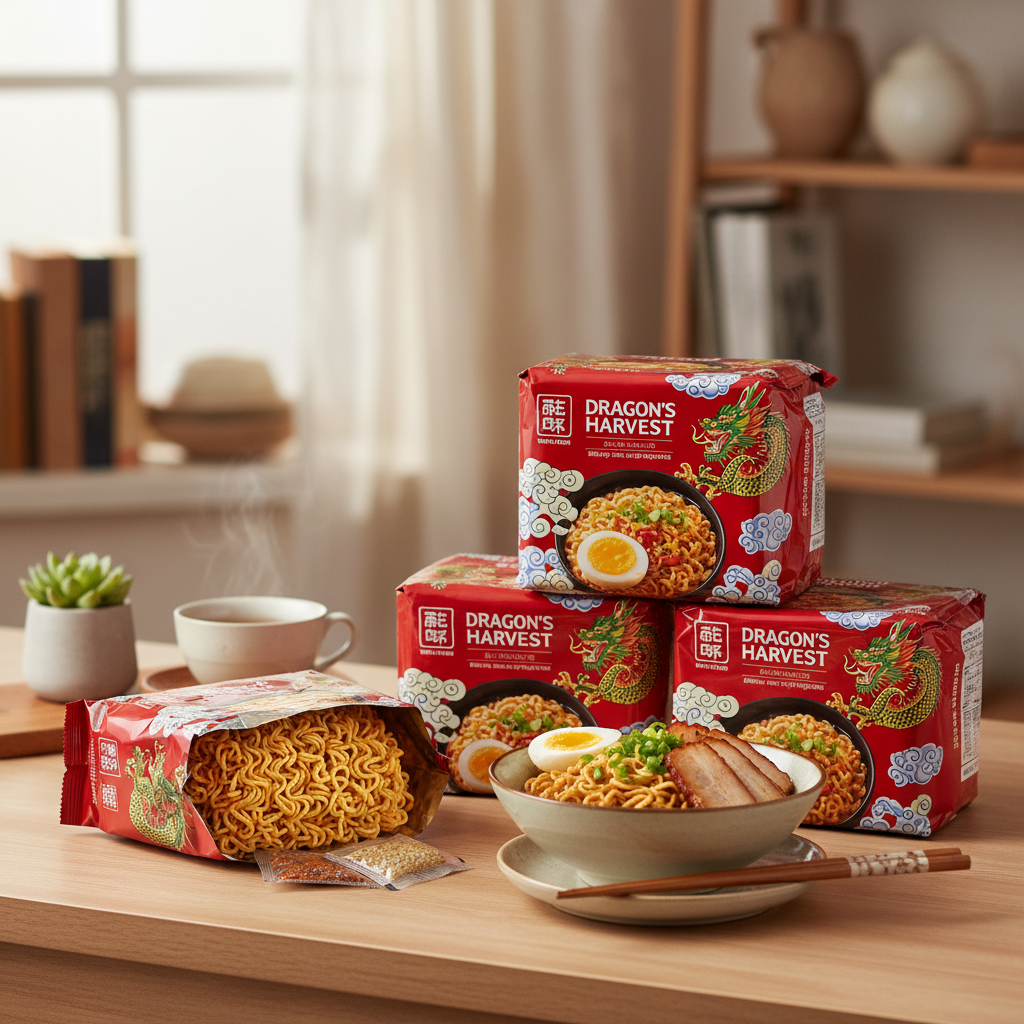
Ramen instant, a globally recognized food product, has revolutionized convenience food markets and become a staple in households worldwide. Originating in Japan, this quick-cooking noodle dish offers an affordable and accessible meal solution, particularly valuable in times of economic hardship or disaster relief. Its enduring popularity stems from its ease of preparation, long shelf life, and diverse flavor profiles.
The influence of ramen instant extends beyond its culinary role. It plays a significant part in cultural exchange, often serving as an introductory food to Asian cuisine for many. Economically, the industry surrounding ramen instant fuels significant production and distribution networks, impacting agricultural practices and global trade. Understanding its evolution and current state is crucial for businesses, aid organizations, and consumers alike.
This exploration delves into the multifaceted world of ramen instant, examining its core components, global applications, advantages, future trends, and the challenges it faces. From its humble beginnings to its current status as a global phenomenon, we aim to provide a comprehensive overview of this ubiquitous and important food product. We will also explore its role in providing sustenance and convenience in a rapidly changing world.
The Global Significance of Ramen Instant
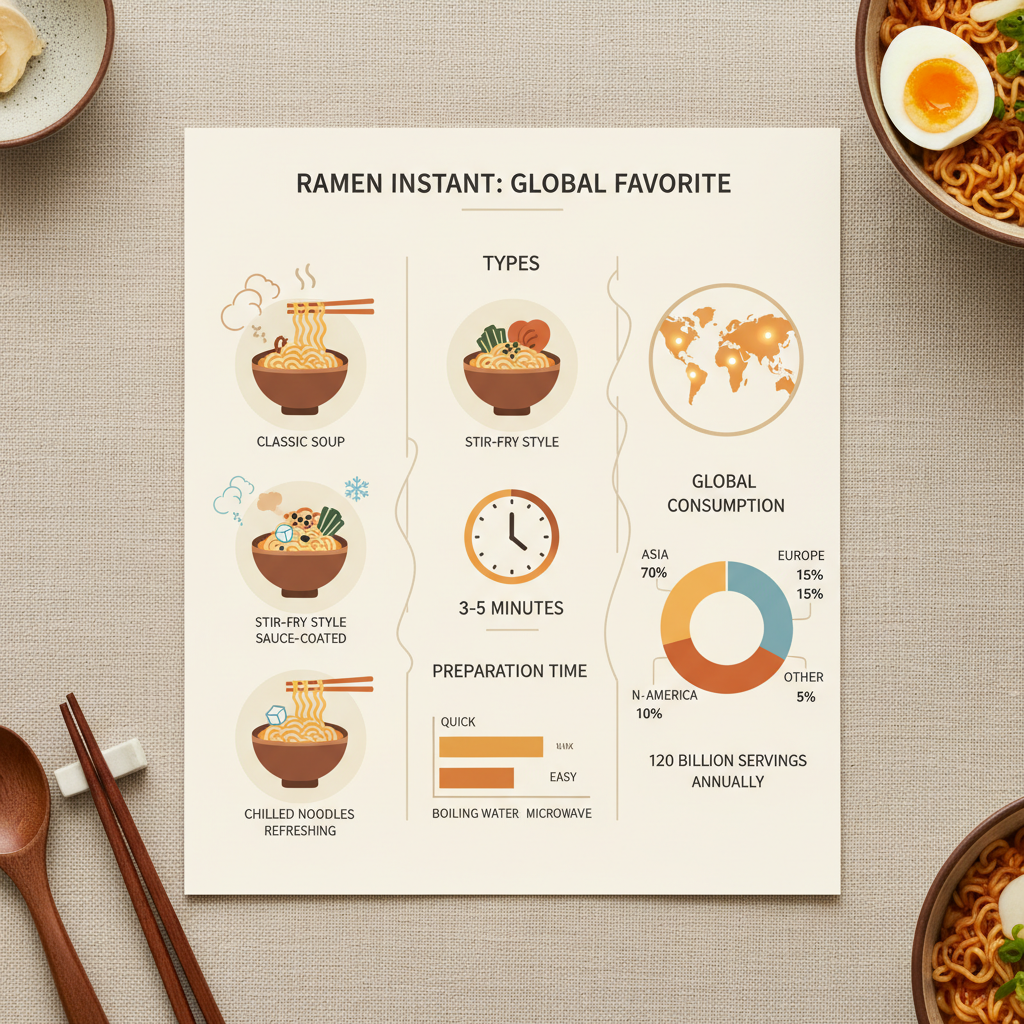
Ramen instant isn't simply a food product; it's a symbol of accessibility and affordability, particularly vital in regions facing food security challenges. The United Nations World Food Programme frequently utilizes shelf-stable foods like ramen instant in emergency relief operations due to its ease of transport and preparation. Globally, billions of packages of ramen instant are consumed annually, demonstrating its widespread acceptance and integral role in diets across diverse cultures.
The sheer scale of production highlights its economic impact, supporting agricultural supply chains and providing employment opportunities in manufacturing and distribution. However, the increasing demand also presents challenges related to sustainable sourcing and environmental impact, requiring ongoing innovation and responsible practices within the industry. The evolving global landscape emphasizes the continued relevance and potential of ramen instant as a food source.
Defining Ramen Instant: A Modern Staple
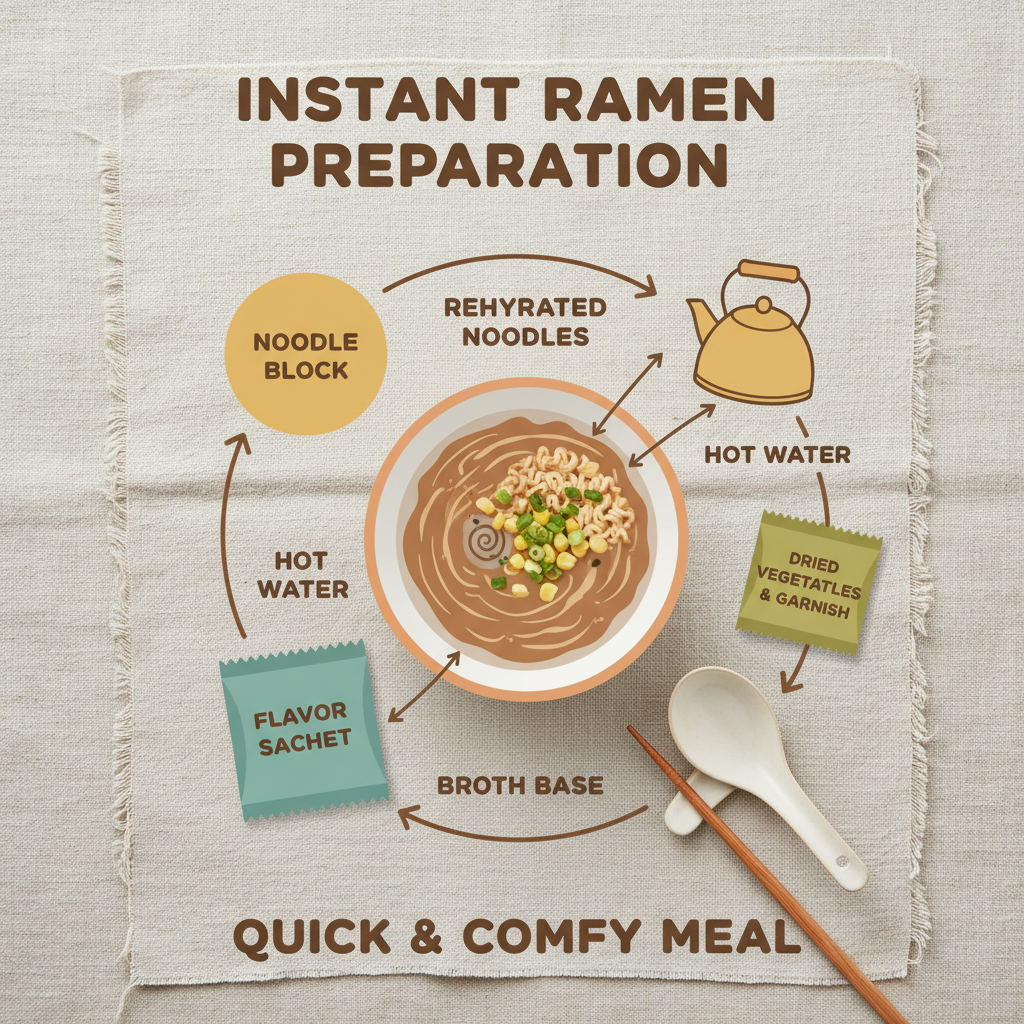
Ramen instant is a pre-cooked, dried noodle block, typically packaged with seasoning powders and dehydrated vegetables. The noodles are usually made from wheat flour, palm oil, and various additives, undergoing a steaming and frying process to achieve their characteristic texture and extended shelf life. Unlike traditional ramen, which requires considerable preparation time, instant ramen can be prepared by simply adding hot water.
Its creation in 1958 by Momofuku Ando revolutionized food consumption by providing a convenient and affordable meal solution. This innovation resonated deeply with a post-war Japan seeking efficient and accessible food options. Over time, ramen instant has evolved from a basic survival food to a diverse culinary canvas, with countless flavor variations catering to regional preferences and dietary needs.
Today, ramen instant embodies a convergence of culinary convenience and industrial food production, becoming deeply interwoven with modern lifestyles and global trade networks. It stands as a testament to the power of food technology in addressing evolving consumer demands and socio-economic conditions.
Core Components and Manufacturing of Ramen Instant
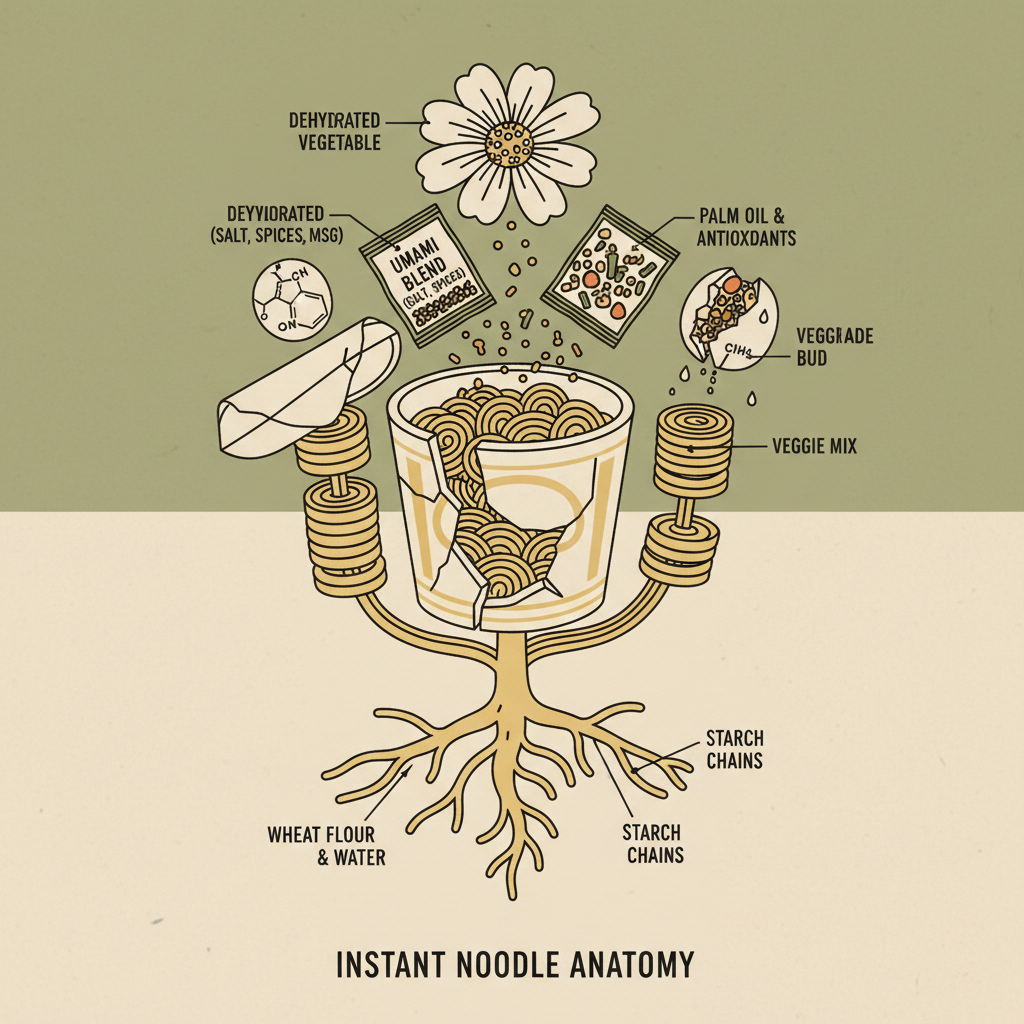
The production of ramen instant involves several key stages. Firstly, the noodles are created by mixing wheat flour, water, salt, and kansui – an alkaline solution that gives ramen its distinctive texture and flavor. The dough is then sheeted, cut into strands, steamed, and finally, deep-fried to reduce moisture content and extend shelf life. The seasoning packets contain a complex blend of flavor enhancers, dehydrated vegetables, and spices.
Quality control is paramount throughout the manufacturing process, ensuring adherence to safety standards and consistent product quality. Key considerations include maintaining the correct moisture levels in the noodles, achieving precise seasoning blends, and utilizing appropriate packaging materials to preserve freshness and prevent spoilage. Advanced automation and process monitoring technologies are now integral to large-scale ramen instant production.
Sustainable sourcing of ingredients, particularly palm oil, is an increasingly important focus for manufacturers. Concerns regarding deforestation and environmental impact have driven efforts to promote responsible palm oil production and explore alternative ingredients. Ultimately, the manufacturing process showcases a blend of traditional techniques and modern engineering to deliver a globally consumed product.
Key Factors Influencing Ramen Instant Quality
Several factors contribute to the overall quality of ramen instant. Noodle texture is critical, influenced by the type of wheat flour used, the kansui concentration, and the frying process. A desirable texture is springy and slightly chewy, avoiding mushiness or brittleness.
The flavor profile is equally important, determined by the composition of the seasoning packet. A balanced and satisfying flavor is achieved through careful selection and blending of spices, flavor enhancers, and dehydrated ingredients. Additionally, packaging integrity plays a vital role in preserving freshness and preventing contamination.
Ramen Instant Quality Assessment
Applications of Ramen Instant Worldwide
Ramen instant’s applications extend far beyond individual consumption. It is a vital component of disaster relief kits, providing a readily available and nourishing food source in emergency situations. Organizations like the Red Cross and various humanitarian groups routinely include ramen instant in their aid packages.
In remote regions with limited access to fresh food, ramen instant serves as a crucial source of sustenance for workers in industries like mining, construction, and forestry. Its long shelf life and ease of preparation make it ideal for feeding large groups in isolated locations. It's also become a popular meal option for students, budget-conscious individuals, and travelers.
The Advantages and Long-Term Value of Ramen Instant
The advantages of ramen instant are numerous. Its low cost makes it accessible to a wide range of consumers, particularly those on tight budgets. Its long shelf life reduces food waste and simplifies storage. The convenience of quick preparation saves time and effort, appealing to busy lifestyles. From a logistical standpoint, its compact packaging minimizes transportation costs.
Beyond practical benefits, ramen instant provides a sense of comfort and familiarity, evoking positive emotions for many consumers. It has become a culturally significant food item in several countries, contributing to a shared culinary experience. The continuous innovation in flavors and ingredients demonstrates the industry’s commitment to meeting evolving consumer preferences, ensuring its sustained relevance.
The long-term value lies in its role as a dependable food source in both ordinary and extraordinary circumstances, coupled with its continued evolution to address sustainability and nutritional concerns.
Future Trends and Innovations in Ramen Instant
The future of ramen instant is focused on enhanced nutritional value and sustainability. Manufacturers are exploring the use of healthier noodle alternatives, such as whole wheat or legume-based options. Reducing sodium content and incorporating more vegetables are also priorities.
Sustainable packaging is another key area of innovation, with a shift towards biodegradable and compostable materials. Technological advancements in manufacturing processes aim to minimize waste and energy consumption. Personalized flavor options, driven by consumer data and AI-powered recipe development, are also gaining traction.
Furthermore, research into plant-based protein sources for seasoning packets could address growing demand for vegetarian and vegan options, expanding the appeal of ramen instant to a wider audience.
Summary of Future Trends for Ramen Instant
| Trend Category |
Description |
Potential Impact |
Implementation Timeline |
| Healthier Noodles |
Utilizing whole wheat, legume, or other nutrient-rich flours. |
Increased nutritional value, wider consumer appeal. |
Short-term (1-3 years) |
| Reduced Sodium |
Formulating seasoning packets with lower sodium content. |
Improved health benefits, cater to health-conscious consumers. |
Medium-term (3-5 years) |
| Sustainable Packaging |
Employing biodegradable, compostable, or recycled packaging materials. |
Reduced environmental impact, enhanced brand reputation. |
Medium-term (3-5 years) |
| Plant-Based Proteins |
Replacing animal-derived ingredients with plant-based protein sources. |
Expand vegan/vegetarian appeal, ethical sourcing. |
Long-term (5+ years) |
| AI-Powered Flavors |
Utilizing AI to develop customized flavor profiles based on consumer data. |
Enhanced consumer satisfaction, market differentiation. |
Long-term (5+ years) |
| Waste Reduction |
Implementing technologies to minimize waste during production and packaging. |
Cost savings, environmental responsibility. |
Ongoing |
FAQS
Ramen instant typically boasts a shelf life of 6-12 months, sometimes longer depending on packaging and storage conditions. This longevity is due to the dehydration process and the sealed packaging, which prevent moisture and microbial growth. However, it's always best to check the expiration date printed on the package before consumption to ensure optimal quality and safety.
While convenient and affordable, ramen instant alone is not typically a nutritionally complete meal. It is often high in sodium and carbohydrates but lacks sufficient protein, vitamins, and fiber. To enhance its nutritional value, consider adding ingredients like eggs, vegetables, or lean protein sources to create a more balanced and wholesome meal.
The primary ingredients in ramen instant noodles include wheat flour, modified starch, palm oil, salt, and kansui (an alkaline solution). The seasoning packet typically contains flavor enhancers, dehydrated vegetables, spices, and sometimes MSG. The exact composition varies depending on the brand and flavor profile.
The frying process is crucial for reducing the moisture content of the noodles, giving them their characteristic texture and extended shelf life. However, excessive frying can lead to the formation of acrylamide, a potentially harmful compound. Manufacturers are continuously optimizing frying processes to minimize acrylamide levels while maintaining quality.
Increasingly, manufacturers are offering eco-friendly ramen instant options. These include using sustainably sourced palm oil, biodegradable packaging materials, and reducing waste in production processes. Look for certifications like the Roundtable on Sustainable Palm Oil (RSPO) to identify environmentally responsible brands.
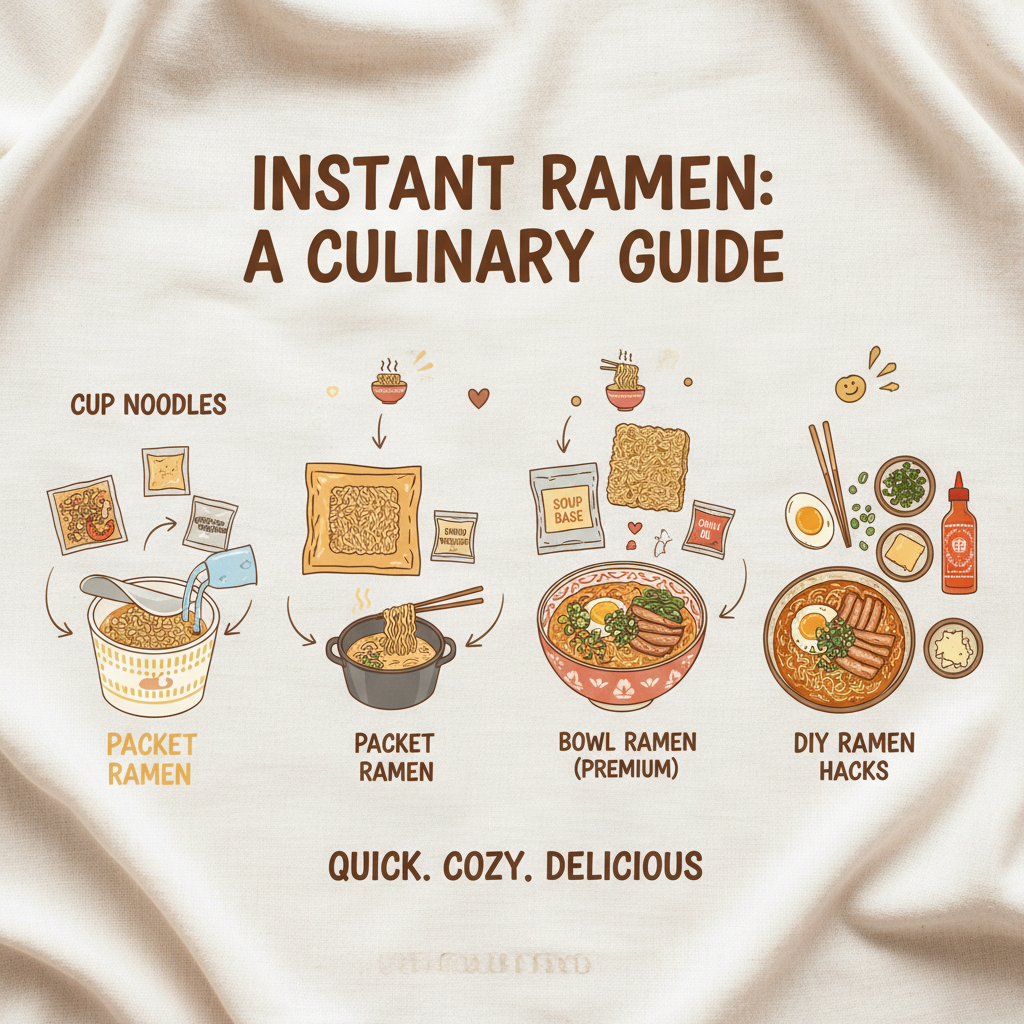
Absolutely! Ramen instant is an excellent base for customization. Feel free to add your favorite vegetables, proteins, spices, and sauces to create a personalized and flavorful meal. Popular additions include eggs, seaweed, green onions, chili oil, and sriracha sauce. The possibilities are endless!
Conclusion
In conclusion, ramen instant represents a remarkable fusion of food technology, economic accessibility, and cultural influence. From its origins as a post-war survival food to its current status as a global staple, ramen instant has consistently adapted to meet evolving consumer needs. Its convenience, affordability, and versatility continue to make it a popular choice for individuals and organizations worldwide.
Looking ahead, the future of ramen instant lies in embracing sustainability, enhancing nutritional value, and leveraging technological advancements. By prioritizing responsible sourcing, innovative packaging, and personalized flavor options, the industry can ensure the continued relevance and positive impact of this ubiquitous food product. For more information and delicious ramen instant options, visit our website: www.jxsemidrynoodles.com.