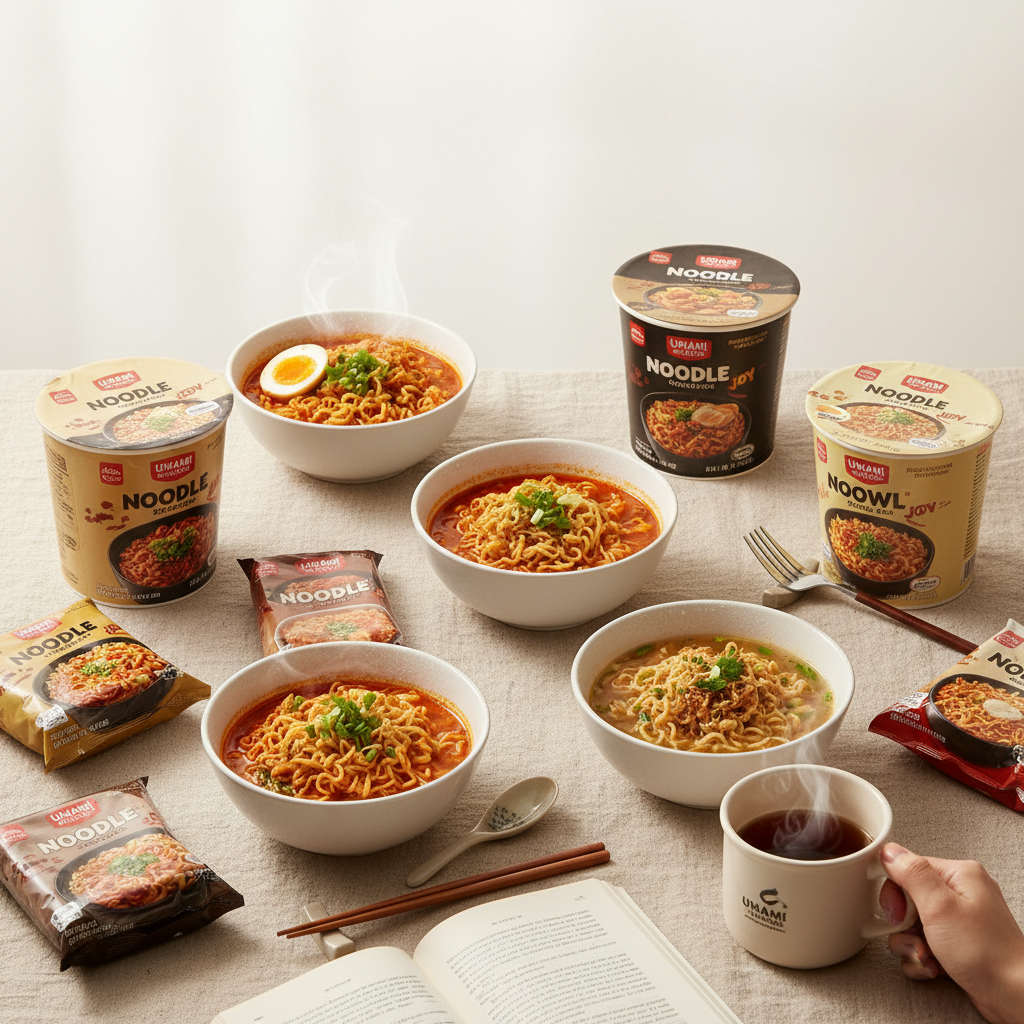
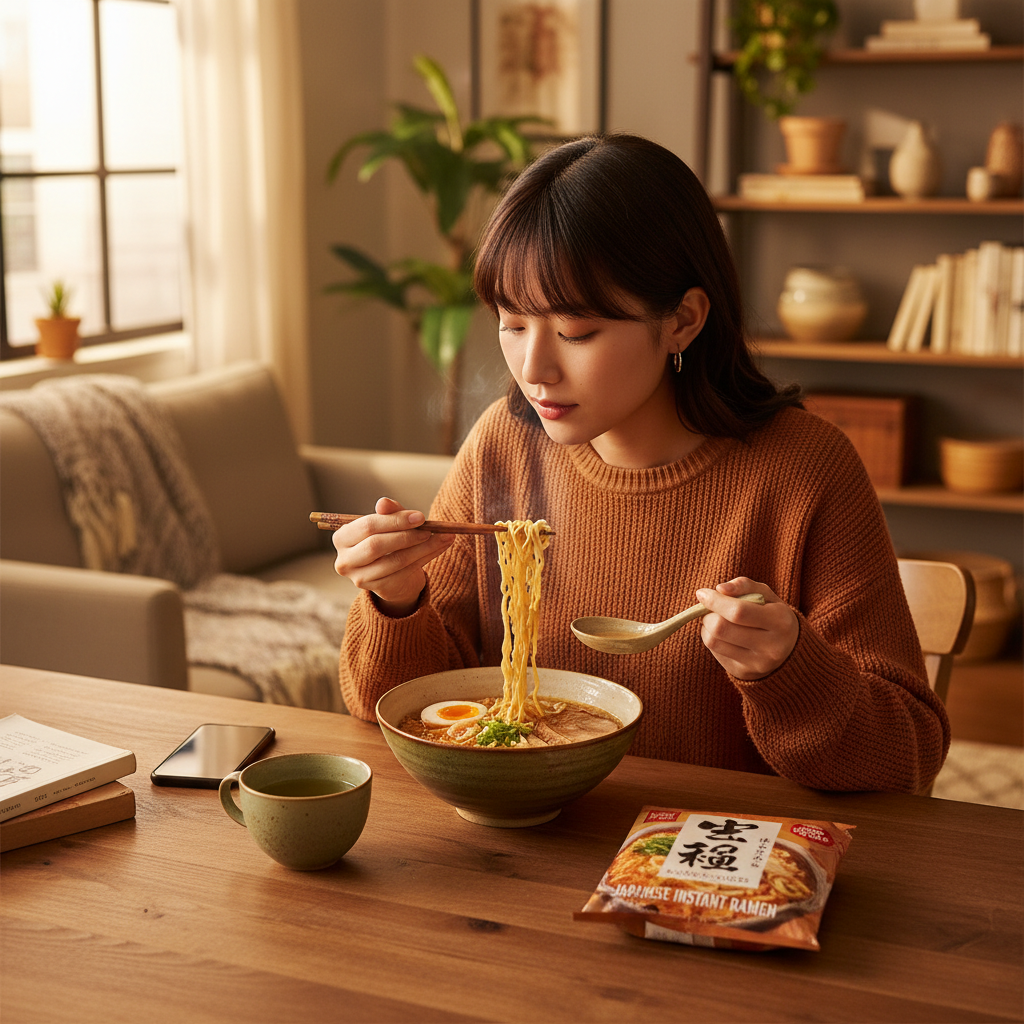
Instant noodles have become a global culinary phenomenon, transcending geographical boundaries and socioeconomic levels. From bustling city streets to remote disaster zones, these convenient and affordable meals offer a quick and accessible source of sustenance. Their remarkable shelf life and ease of preparation have solidified their place as a staple food for millions worldwide. Understanding the nuances of instant noodles – their production, nutritional aspects, and cultural impact – is crucial in a world facing increasing demands on food security and convenience.
The story of instant noodles is one of innovation and adaptation. Momofuku Ando’s invention in 1958 revolutionized the food industry, offering a solution to post-war food shortages in Japan. Since then, the industry has expanded exponentially, driven by technological advancements and changing consumer preferences. Today, instant noodles represent a significant portion of the global food market, providing a readily available and cost-effective food source, particularly in developing nations.
This exploration delves into the multifaceted world of instant noodles, examining their key characteristics, diverse applications, and future trends. From their inherent practicality to their evolving role in addressing global challenges, we’ll uncover the enduring appeal of this humble yet powerful food product. The convenience of instant noodles is unmatched.
The Global Significance of Instant Noodles
The sheer volume of instant noodles consumed globally is staggering. According to the World Instant Noodle Association, over 100 billion servings are eaten each year. This widespread consumption reflects the food's affordability and convenience, particularly in regions experiencing rapid urbanization and economic development. The UN and various NGOs frequently include instant noodles in emergency food aid packages due to their long shelf life and ease of distribution.
This scale of production and consumption presents both opportunities and challenges. While instant noodles can address food security concerns in times of crisis, their nutritional profile often raises questions about long-term health impacts. Furthermore, the environmental footprint of their packaging and production processes is a growing concern, driving innovation towards more sustainable practices within the industry.
Defining Instant Noodles
Instant noodles are pre-cooked, dehydrated noodle blocks, typically packaged with seasoning powders and often dried vegetables or meats. They are designed to be quickly prepared by simply adding hot water, making them a convenient and accessible meal option. The core innovation lies in the flash-frying process that partially cooks the noodles and creates a porous structure, allowing for rapid rehydration.
Their connection to modern industry stems from the need for efficient and scalable food production. The process allows for mass production and distribution, catering to a growing global population. They've also played a vital role in humanitarian aid, providing a readily available food source in disaster relief situations.
Beyond basic sustenance, instant noodles have evolved into a cultural phenomenon, inspiring countless variations in flavor, ingredients, and preparation methods across different countries. From spicy Korean ramen to savory Japanese udon, the world of instant noodles is incredibly diverse and continues to evolve.
Core Components of Instant Noodles
Durability is a cornerstone of instant noodles’ appeal. The flash-frying and dehydration process results in a remarkably long shelf life, often exceeding a year without refrigeration. This durability makes them ideal for storage and transportation, especially in challenging environments.
Cost efficiency is another key component. The mass production techniques and relatively inexpensive ingredients contribute to their affordability, making them accessible to a wide range of consumers. This low cost is particularly significant in developing countries where food budgets are often limited.
Convenience defines the instant noodle experience. Requiring only hot water and minimal preparation time, they offer a quick and easy meal solution for busy individuals or those lacking cooking facilities. This ease of preparation is a major factor in their widespread adoption globally.
Practical Applications and Use Cases
In post-disaster relief operations, instant noodles are frequently included in emergency food aid packages. Their long shelf life, lightweight nature, and ease of preparation make them ideal for providing immediate sustenance to affected populations. Organizations like the Red Cross and World Food Programme regularly utilize instant noodles in disaster response efforts.
In remote industrial zones and construction sites, where access to cooking facilities is limited, instant noodles provide a convenient and affordable meal option for workers. Their quick preparation time allows for minimal disruption to work schedules.
Beyond emergency situations, instant noodles are a staple in many households worldwide, providing a quick and easy meal for busy families and individuals. They are particularly popular among students and young professionals seeking a convenient and affordable food solution.
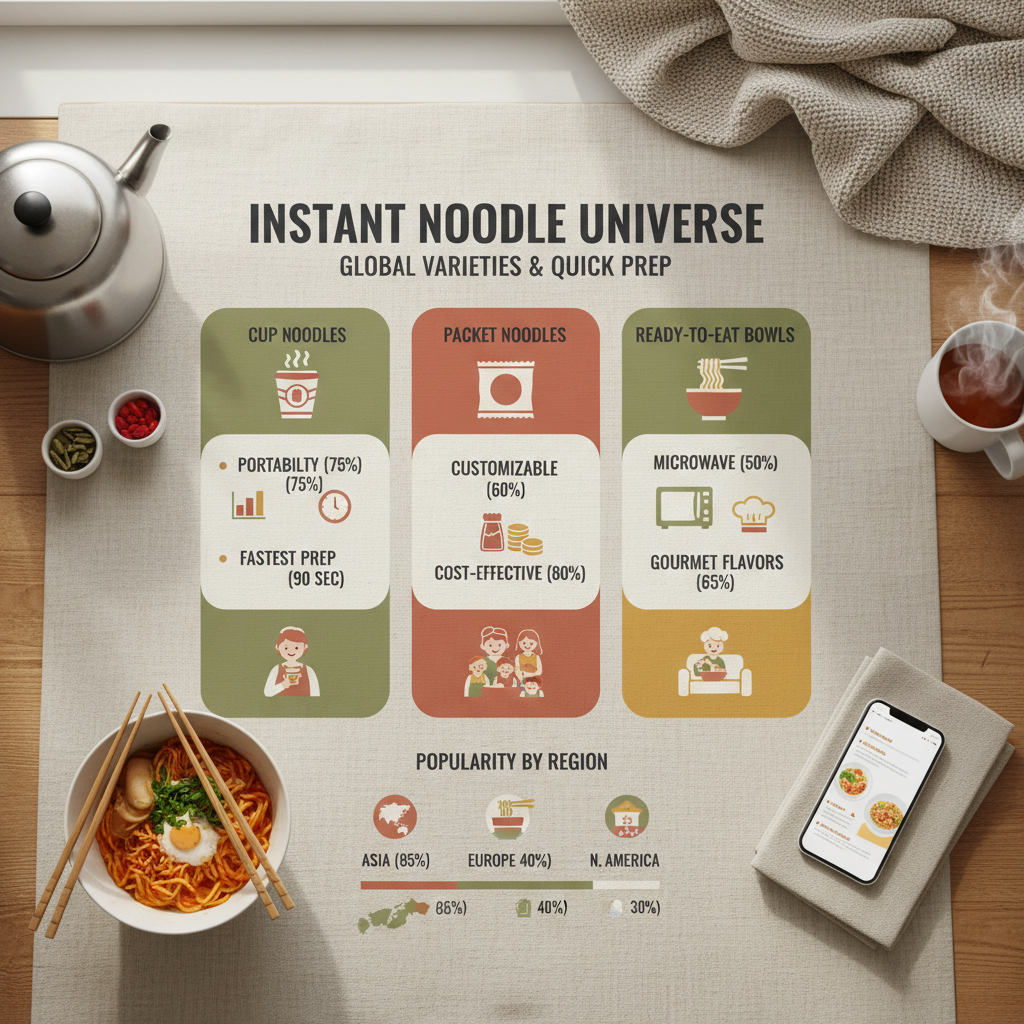
Instant Noodles Preparation Methods Rating
Advantages and Long-Term Value
The primary advantage of instant noodles lies in their cost-effectiveness. Their affordability makes them a viable food option for individuals and families with limited budgets, contributing to food security in vulnerable populations.
From a logistical standpoint, instant noodles offer significant scalability. Their compact packaging and long shelf life enable efficient storage and transportation, making them readily available in diverse settings and supporting rapid distribution during emergencies.
Future Trends and Innovations
Sustainable packaging is a major area of innovation. Companies are exploring biodegradable and compostable packaging materials to reduce the environmental impact of instant noodle consumption. Research is also focused on developing plant-based packaging alternatives.
Nutritional enhancements are gaining traction. Manufacturers are incorporating more vegetables, proteins, and vitamins into instant noodle formulations to improve their nutritional profile and address health concerns. Fortification with essential micronutrients is also being explored.
Digital transformation is influencing the instant noodle industry, with online ordering platforms and personalized flavor options becoming increasingly popular. Data analytics are also being used to optimize production and distribution processes.
Challenges and Solutions
One of the main challenges is the high sodium content in many instant noodle varieties. To address this, manufacturers are developing low-sodium formulations and offering seasoning packets with adjustable salt levels. Consumer education regarding sodium intake is also crucial.
The environmental impact of plastic packaging is a significant concern. Solutions include transitioning to biodegradable materials, implementing recycling programs, and exploring reusable packaging options. Collaboration between manufacturers, governments, and consumers is essential.
Addressing the perception of instant noodles as an unhealthy food option requires a focus on nutritional improvements and transparent labeling. Promoting balanced diets and encouraging consumers to supplement instant noodles with fresh ingredients can enhance their nutritional value.
Analysis of Instant Noodle Sustainability Factors
| Packaging Material |
Carbon Footprint |
Water Usage |
Waste Management |
| Traditional Plastic |
8/10 |
6/10 |
3/10 |
| Biodegradable Polymers |
6/10 |
7/10 |
8/10 |
| Recycled Plastic |
5/10 |
5/10 |
7/10 |
| Paper-Based Packaging |
7/10 |
8/10 |
9/10 |
| Compostable Materials |
4/10 |
9/10 |
10/10 |
| Reusable Containers |
2/10 |
10/10 |
10/10 |
FAQS
While convenient, most instant noodles are relatively low in essential nutrients like vitamins and minerals. They tend to be high in carbohydrates, sodium, and saturated fats. However, many brands are now offering healthier options with added vitamins, lower sodium content, and more fiber. It's crucial to check the nutrition label and consider supplementing with fresh ingredients like vegetables and protein to create a more balanced meal.
Yes, increasingly, brands are focusing on sustainability. This includes using biodegradable or compostable packaging, reducing their carbon footprint in production, and sourcing ingredients responsibly. Look for certifications like Fair Trade or organic labels and research brands committed to eco-friendly practices. Reducing plastic use in the packaging is a key focus.
Unopened instant noodles typically have a shelf life of 6 to 18 months, depending on the brand and ingredients. This is due to the dehydration and flash-frying process that inhibits bacterial growth. However, it’s always best to check the ‘best before’ date printed on the packaging. Storing them in a cool, dry place will help maintain their quality.
Absolutely! Adding vegetables (like broccoli, spinach, or carrots), protein sources (like eggs, tofu, or chicken), and healthy fats (like avocado or sesame oil) can significantly boost the nutritional value of instant noodles. This transforms a simple, convenient meal into a more balanced and satisfying option. Consider adding spices for flavor without excessive salt.
Common allergens found in instant noodles include wheat (gluten), soy, eggs, and shellfish (in some flavorings). It’s crucial to carefully read the ingredient list if you have any allergies or dietary restrictions. Many brands now offer gluten-free and vegan options to cater to diverse needs. Cross-contamination during manufacturing is also a potential concern.
The process begins with mixing flour, water, and salt to create a dough. This dough is then rolled into thin sheets and cut into strands. The noodles are steamed and then flash-fried to partially cook them, creating pores that allow for quick rehydration. Finally, they are cooled, seasoned, and packaged with flavoring packets. The entire process is highly automated for mass production.
Conclusion
Instant noodles have evolved from a post-war food solution to a global culinary staple. Their affordability, convenience, and durability have cemented their place in diets worldwide, particularly in rapidly urbanizing regions and during times of crisis. The continued innovation in sustainable packaging, nutritional enhancements, and diverse flavor profiles ensures their enduring relevance.
Looking ahead, the future of instant noodles lies in balancing convenience with sustainability and health consciousness. By embracing eco-friendly practices, fortifying nutritional content, and responding to evolving consumer preferences, the industry can continue to provide a valuable food source while minimizing its environmental impact. Explore the delicious possibilities at instant noodles.