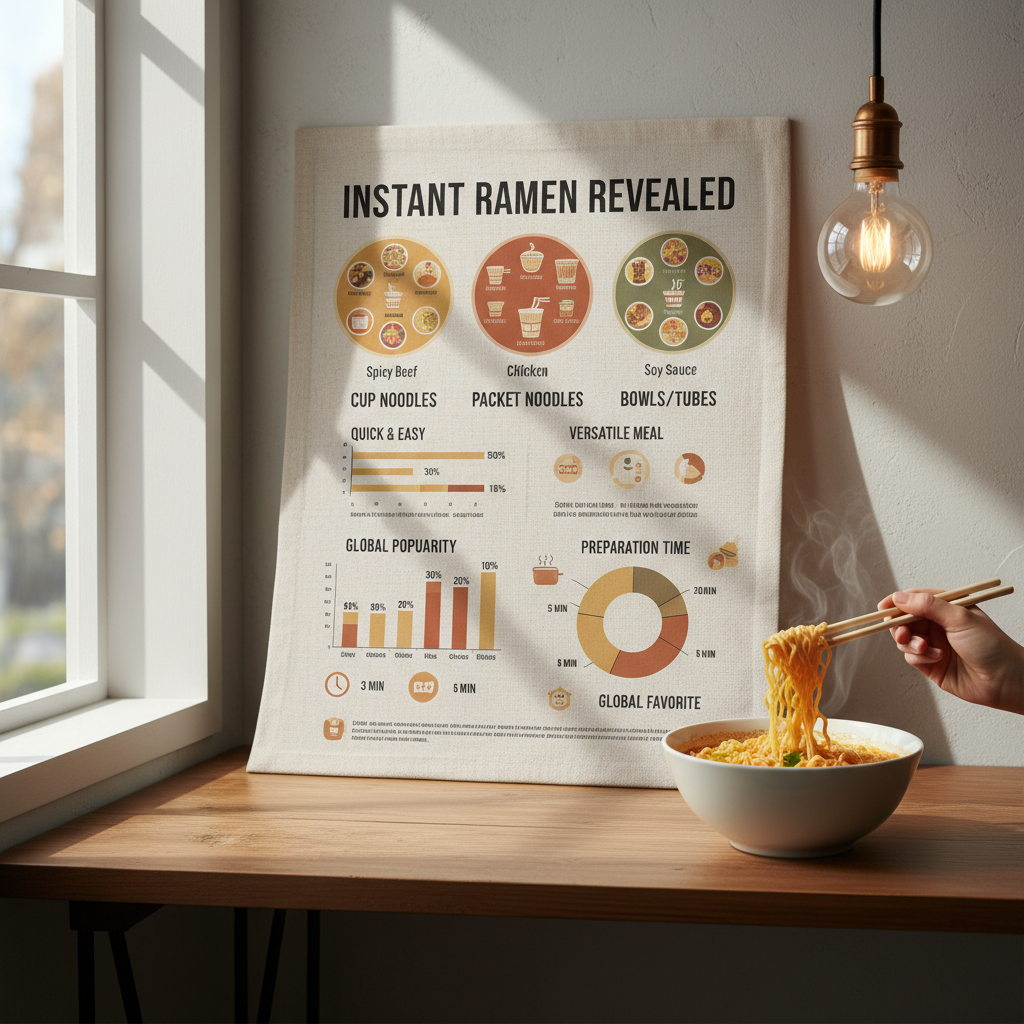
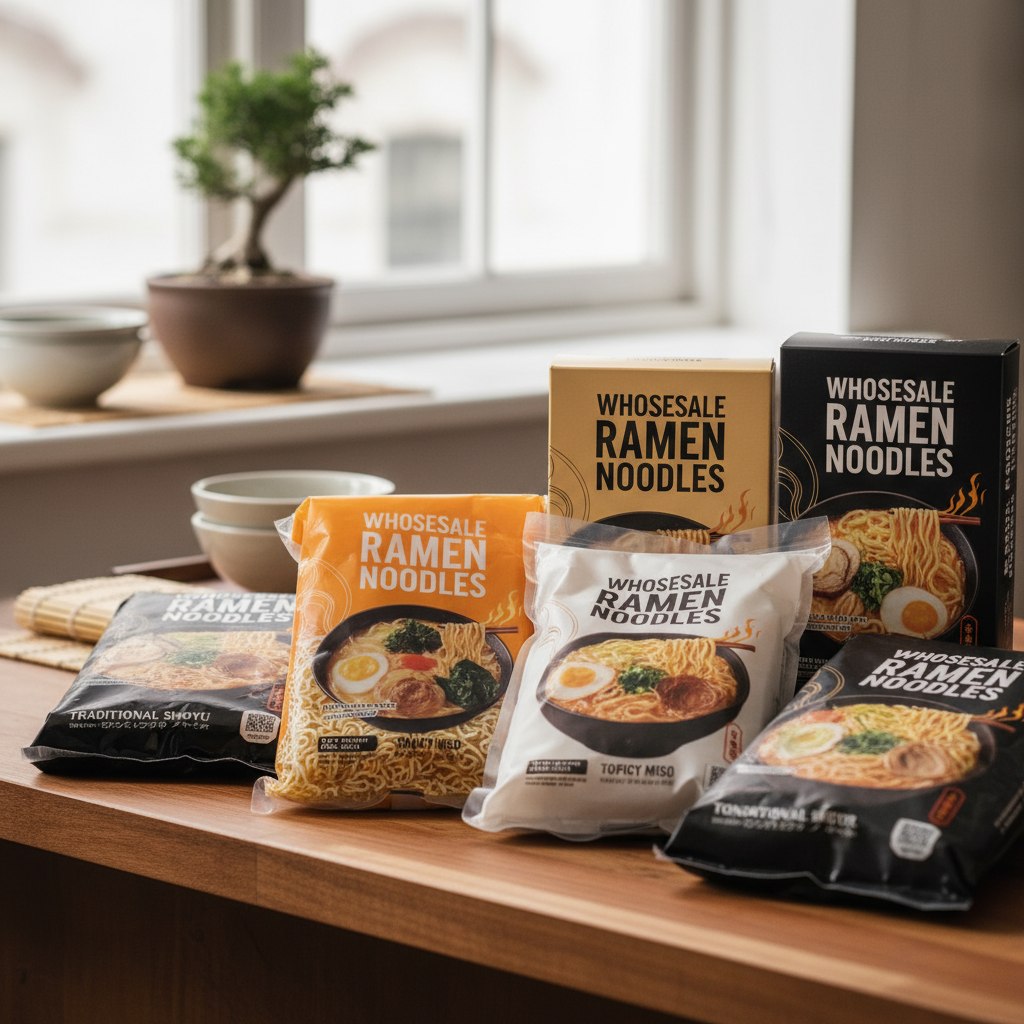
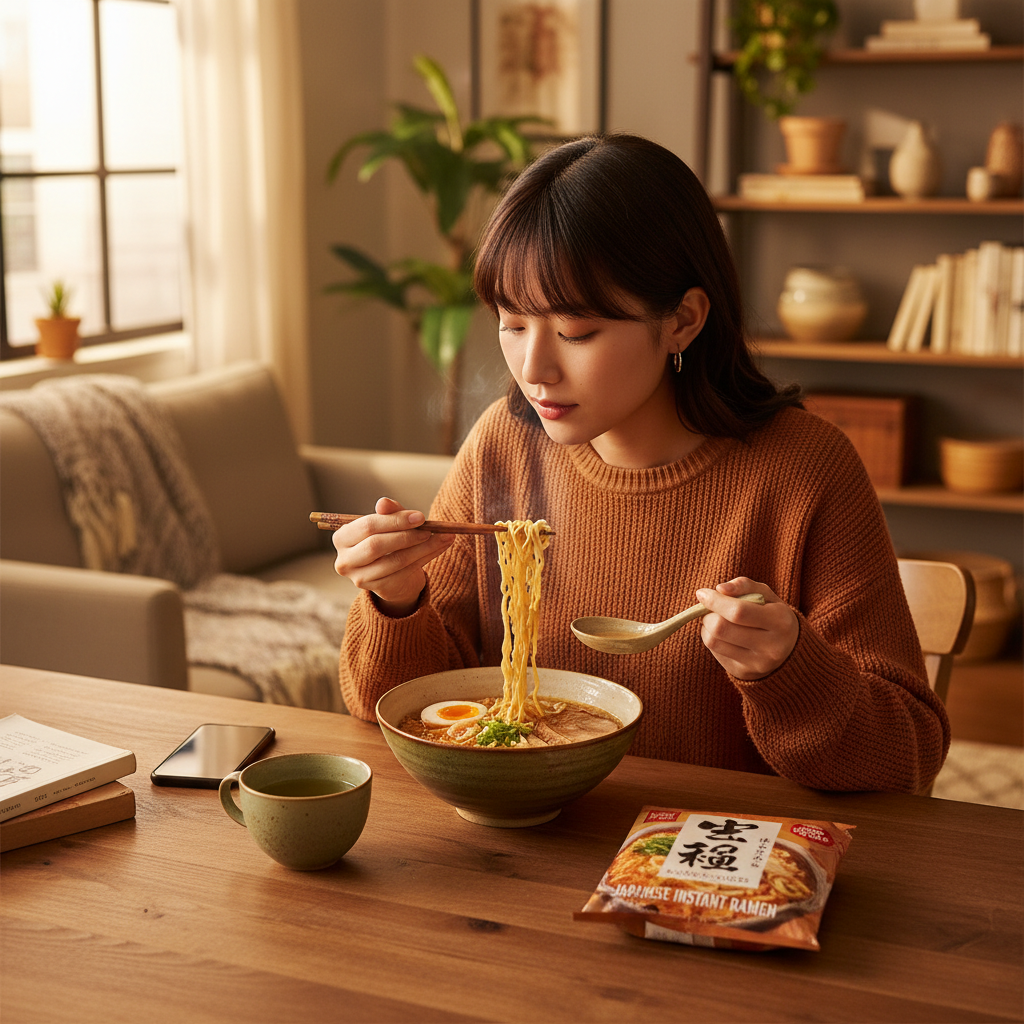
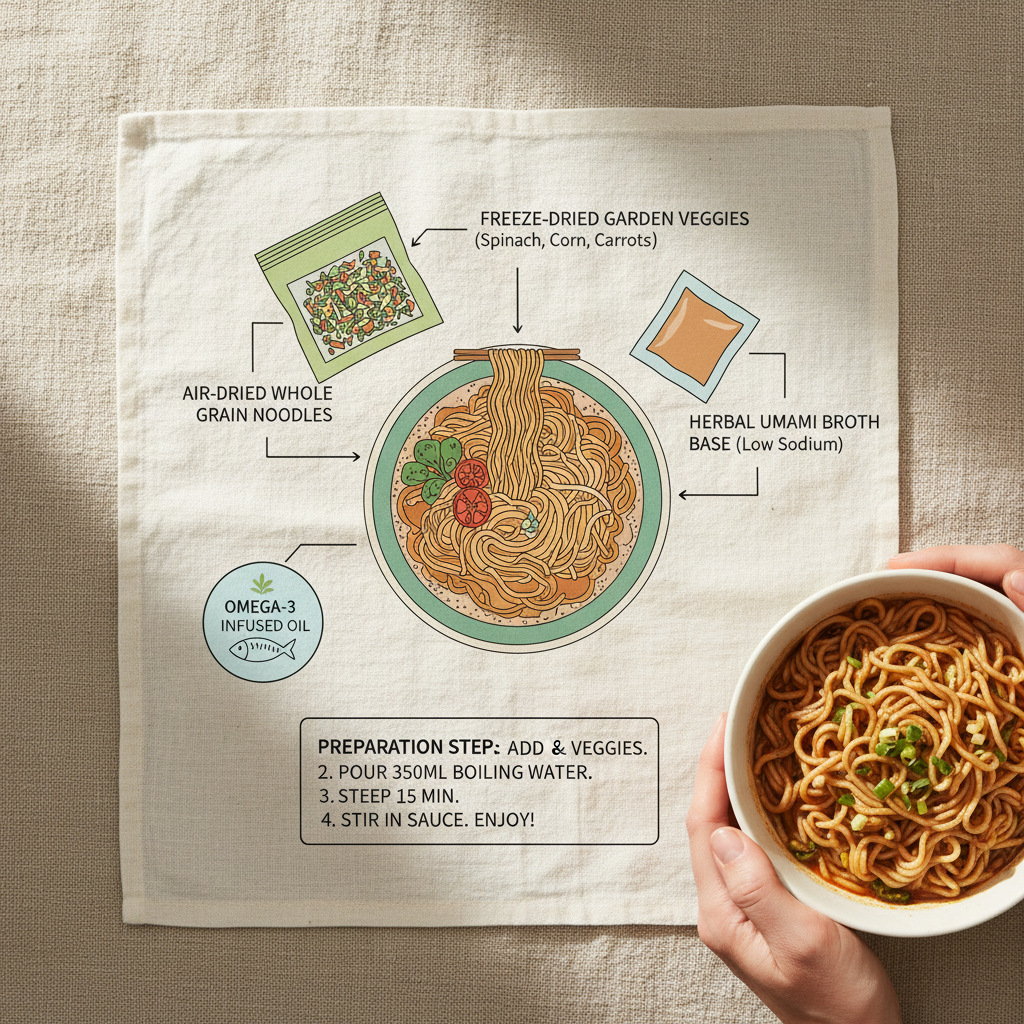
Instant ramen, a globally beloved food, has evolved from a post-war necessity in Japan to a culinary staple enjoyed across cultures. Its convenience, affordability, and increasingly diverse flavors have cemented its place in modern diets, offering a quick and satisfying meal solution for individuals and families alike. Understanding its origins, production, and impact provides valuable insight into global food systems and consumer trends.
The widespread appeal of instant ramen stems from its remarkable durability and long shelf life, making it an ideal food source in situations ranging from busy weeknights to emergency relief efforts. Its simple preparation method requires minimal equipment, widening its accessibility to populations with limited resources. This inherent practicality has transformed it into more than just a food product; it's a symbol of adaptability and resourcefulness.
From humble beginnings to its current status as a multi-billion dollar industry, instant ramen's story reflects innovation in food technology and marketing. It continues to evolve, catering to changing consumer preferences with healthier options, gourmet flavors, and sustainable packaging. This constant evolution ensures its continued relevance in a rapidly changing world.
The Global Significance of instant ramen
Instant ramen transcends mere culinary appeal; it’s a reflection of global socio-economic forces. With over 100 billion servings consumed annually worldwide, according to the World Instant Noodle Association (WINA), it’s a staple in diets across Asia, Europe, and the Americas. The United Nations has even utilized instant ramen as a cost-effective food source in emergency relief efforts, highlighting its importance in addressing food security challenges.
This widespread consumption isn’t accidental. It’s a testament to the product’s affordability, ease of preparation, and adaptability to diverse culinary preferences. However, this global demand presents challenges regarding sustainable sourcing of ingredients, packaging waste, and nutritional content, issues the industry is increasingly addressing.
Defining instant ramen: Beyond Convenience
Instant ramen is a pre-cooked noodle product, typically made from wheat flour, that is dehydrated or freeze-dried and packaged with seasoning powder, often containing salt, monosodium glutamate (MSG), and flavorings. This process allows for rapid rehydration with hot water, resulting in a quick and convenient meal. The innovation lies in the flash-frying or drying process that preserves the noodles and provides a longer shelf life.
While initially conceived as a solution to food shortages in post-war Japan, instant ramen’s connection to modern industry extends far beyond emergency food provision. It’s a product of efficient mass production, advanced food processing technologies, and sophisticated packaging solutions. The development of instant ramen spurred innovations in these areas, influencing the broader food industry.
Furthermore, the versatility of instant ramen has allowed it to integrate into various culinary traditions. From simple, straightforward preparations to elaborate gourmet creations, instant ramen serves as a blank canvas for chefs and home cooks to express their creativity.
Core Components of instant ramen Production
The creation of instant ramen relies on a precise sequence of steps, starting with the formulation of the noodle dough. The blend of wheat flour, water, salt, and kansui (an alkaline mineral water) imparts the characteristic texture and elasticity. Different ratios of these ingredients contribute to variations in noodle firmness and flavor profiles.
Next, the dough undergoes a steaming process to partially cook the noodles, followed by molding and cutting into the desired shape. Crucially, the noodles are then flash-fried or freeze-dried to reduce their moisture content significantly, extending their shelf life. The seasoning packet, comprising a complex blend of flavorings, is developed concurrently.
Finally, the noodles and seasoning are carefully packaged, typically in a polystyrene or polypropylene container, ensuring protection against moisture and physical damage. Ongoing research focuses on utilizing more sustainable packaging materials to reduce environmental impact.
Key Factors: Durability, Cost, and Scalability
The enduring success of instant ramen hinges on a confluence of practical factors. Its exceptional durability, attributed to the dehydration process, allows for extended storage without significant quality degradation. This is especially critical in regions with limited refrigeration infrastructure or during emergency situations.
Cost-effectiveness is another cornerstone. The relatively inexpensive ingredients and efficient production methods translate into an accessible price point for consumers across various income levels. This affordability has made it a popular choice for students, budget-conscious individuals, and families.
Cost Comparison of Instant Ramen Preparation Methods
Global Applications and Humanitarian Impact
Instant ramen plays a crucial role in addressing food insecurity and providing sustenance during emergencies. Organizations like the World Food Programme and various NGOs regularly include it in disaster relief packages due to its portability, long shelf life, and nutritional value (albeit limited). In post-disaster relief operations in regions impacted by earthquakes, floods, or conflicts, it provides a readily available source of calories for affected populations.
Beyond humanitarian aid, instant ramen is also prevalent in remote industrial zones where access to fresh food is limited. Construction workers, miners, and other laborers often rely on it as a convenient and affordable meal option. Its ease of preparation and minimal cleanup are particularly valuable in these demanding environments.
Advantages & The Long-Term Value Proposition
The advantages of instant ramen extend beyond its convenience and affordability. Its consistent quality control and standardized production processes ensure a reliable food source, minimizing the risk of spoilage or contamination. This reliability is paramount in situations where food safety is a concern.
Furthermore, the industry is increasingly embracing sustainable practices, such as reducing packaging waste, sourcing ingredients responsibly, and developing healthier formulations. These efforts enhance the long-term value proposition of instant ramen, aligning it with growing consumer demand for ethical and environmentally conscious products.
On a social level, instant ramen fosters a sense of familiarity and comfort, often evoking nostalgic memories for individuals across generations. This emotional connection, coupled with its practical benefits, solidifies its place as a culturally significant food product.
Future Trends & Sustainable Innovation in instant ramen
The future of instant ramen hinges on continued innovation and a commitment to sustainability. Research and development are focused on utilizing alternative protein sources, such as plant-based proteins, to create more nutritious and environmentally friendly products. The exploration of biodegradable and compostable packaging materials is also gaining momentum.
Digital transformation is playing a role, with companies leveraging data analytics to optimize production processes, personalize flavor profiles, and enhance supply chain efficiency. Automation and robotics are being implemented to reduce labor costs and improve quality control.
Ultimately, the long-term viability of instant ramen depends on adapting to changing consumer preferences and embracing sustainable practices that minimize its environmental footprint while maintaining its affordability and convenience.
Summary of Sustainability Initiatives in Instant Ramen Production
| Initiative Category |
Implementation Details |
Impact Assessment (1-10) |
Cost of Implementation (USD) |
| Packaging Materials |
Transition to recycled polypropylene and biodegradable films |
7 |
$50,000 |
| Water Usage |
Implementation of closed-loop water recycling systems |
8 |
$75,000 |
| Energy Consumption |
Investment in renewable energy sources (solar, wind) |
6 |
$100,000 |
| Ingredient Sourcing |
Prioritizing locally sourced and sustainably grown ingredients |
9 |
$20,000 |
| Waste Reduction |
Implementation of food waste composting and recycling programs |
7 |
$15,000 |
| Carbon Footprint |
Offsetting carbon emissions through reforestation projects |
5 |
$30,000 |
FAQS
Unopened instant ramen generally has a shelf life of 6-12 months, though some brands may last up to 2 years. This extended shelf life is due to the dehydration process and sealed packaging. However, flavor and texture may degrade over time. It’s best to check the ‘best before’ date printed on the package for optimal quality.
Instant ramen, in its basic form, is not considered a nutritionally balanced meal. It tends to be high in sodium and carbohydrates, with limited protein and essential vitamins. However, nutritional value can be significantly improved by adding ingredients like eggs, vegetables, and lean proteins. Many brands are now offering fortified varieties with added vitamins and minerals.
Kansui is an alkaline mineral water containing sodium carbonate and potassium carbonate. It’s a crucial ingredient in authentic ramen noodles, giving them their characteristic yellowish color, chewy texture, and distinctive flavor. Kansui alters the starch structure in the wheat flour, creating a unique noodle elasticity.
Yes, there is a growing number of environmentally conscious instant ramen options. These brands are utilizing sustainable packaging materials like compostable or recycled containers, sourcing ingredients responsibly, and reducing water and energy consumption during production. Look for brands that prioritize eco-friendly practices and certifications.
While technically possible, freezing cooked instant ramen is generally not recommended. The noodles tend to become mushy and lose their texture upon thawing. If you must freeze it, do so immediately after cooking and consume within a short period to minimize quality degradation.
MSG (monosodium glutamate) is a flavor enhancer commonly used in instant ramen. While some individuals may experience sensitivity to MSG, causing mild symptoms like headaches or flushing, it’s generally recognized as safe by regulatory bodies like the FDA. However, many brands now offer MSG-free instant ramen options for those who prefer to avoid it.
Conclusion
Instant ramen has evolved from a post-war solution to a global culinary phenomenon. Its enduring popularity is rooted in its convenience, affordability, and adaptability. Understanding its production, applications, and ongoing innovations reveals a story of ingenuity, resourcefulness, and a commitment to meeting evolving consumer needs. From emergency food relief to gourmet cuisine, instant ramen's impact is undeniable.
Looking ahead, sustainability will be key to the continued success of the instant ramen industry. Embracing eco-friendly packaging, responsible sourcing, and innovative formulations will ensure that this beloved food remains a viable and enjoyable option for generations to come. To learn more about our commitment to quality and innovation, visit our website: instant ramen.