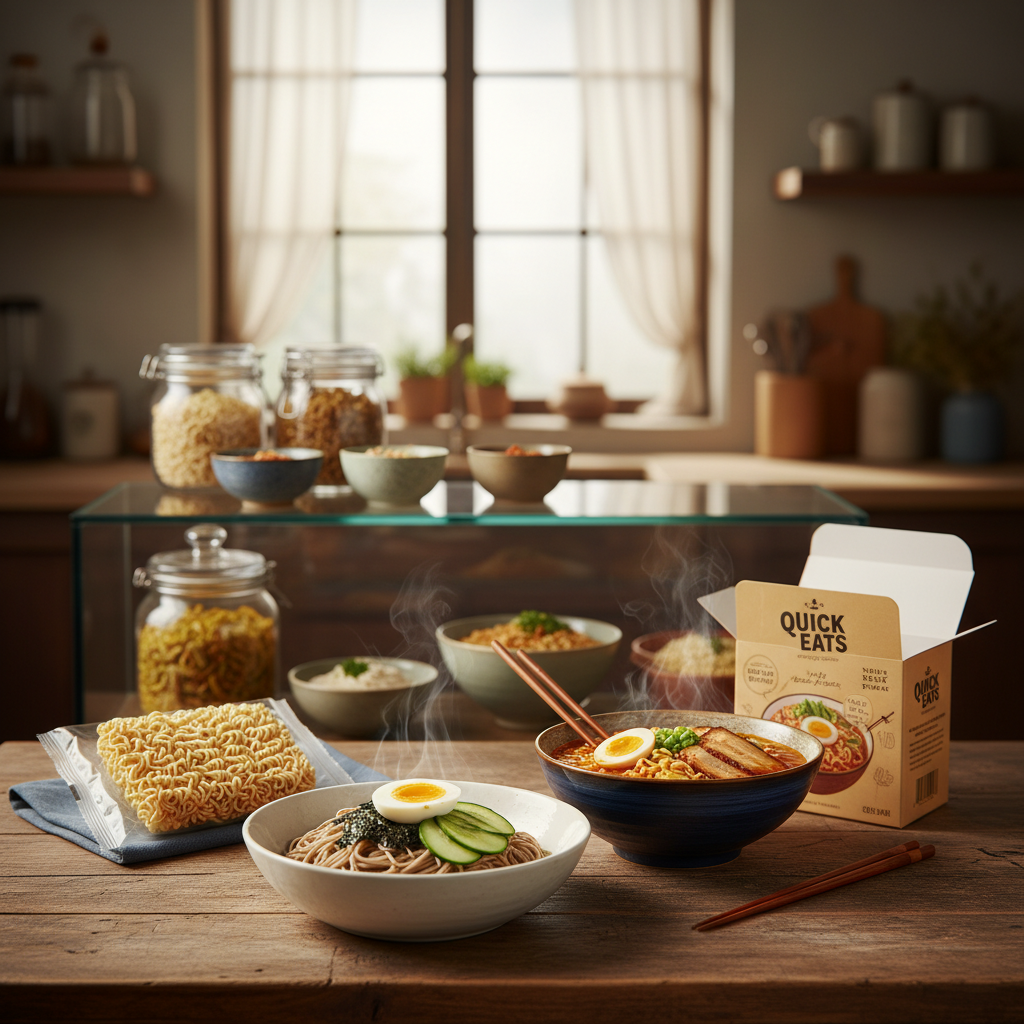
Fast noodles, a globally recognized and rapidly consumed food item, represent more than just a quick meal. They’ve become a cornerstone of convenience, affordability, and increasingly, a crucial element in addressing food security challenges worldwide. From bustling city centers to remote regions, the accessibility of fast noodles transcends socioeconomic boundaries, making them a staple for a diverse population. This widespread appeal demands a closer look at their impact and potential.
The evolution of fast noodles parallels the rise of globalization and the demand for readily available sustenance. Initially conceived as an affordable solution to post-war food shortages, they’ve transformed into a multi-billion dollar industry, with countless brands and flavors catering to varied palates. Understanding the production, distribution, and consumption patterns of fast noodles is critical for shaping sustainable food systems.
This exploration delves into the multifaceted world of fast noodles, analyzing their core components, diverse applications, and future trajectory. We'll investigate not only their convenience but also their role in emergency relief, their economic impact, and the innovations driving a more sustainable future for this ubiquitous food product.
The Global Significance of Fast Noodles
Fast noodles’ global significance is undeniable, reaching an estimated annual consumption of over 100 billion servings worldwide. Data from the UN Food and Agriculture Organization (FAO) highlights their importance in providing readily available calories, particularly in developing nations. They represent a substantial portion of daily caloric intake for millions, especially in areas facing economic hardship or food insecurity.
This widespread consumption presents both opportunities and challenges. While offering an affordable and accessible food source, concerns about nutritional value and potential health impacts necessitate continuous innovation and responsible production practices. Addressing these concerns is paramount to ensuring that fast noodles contribute to, rather than detract from, global well-being.
Defining Fast Noodles and Their Context
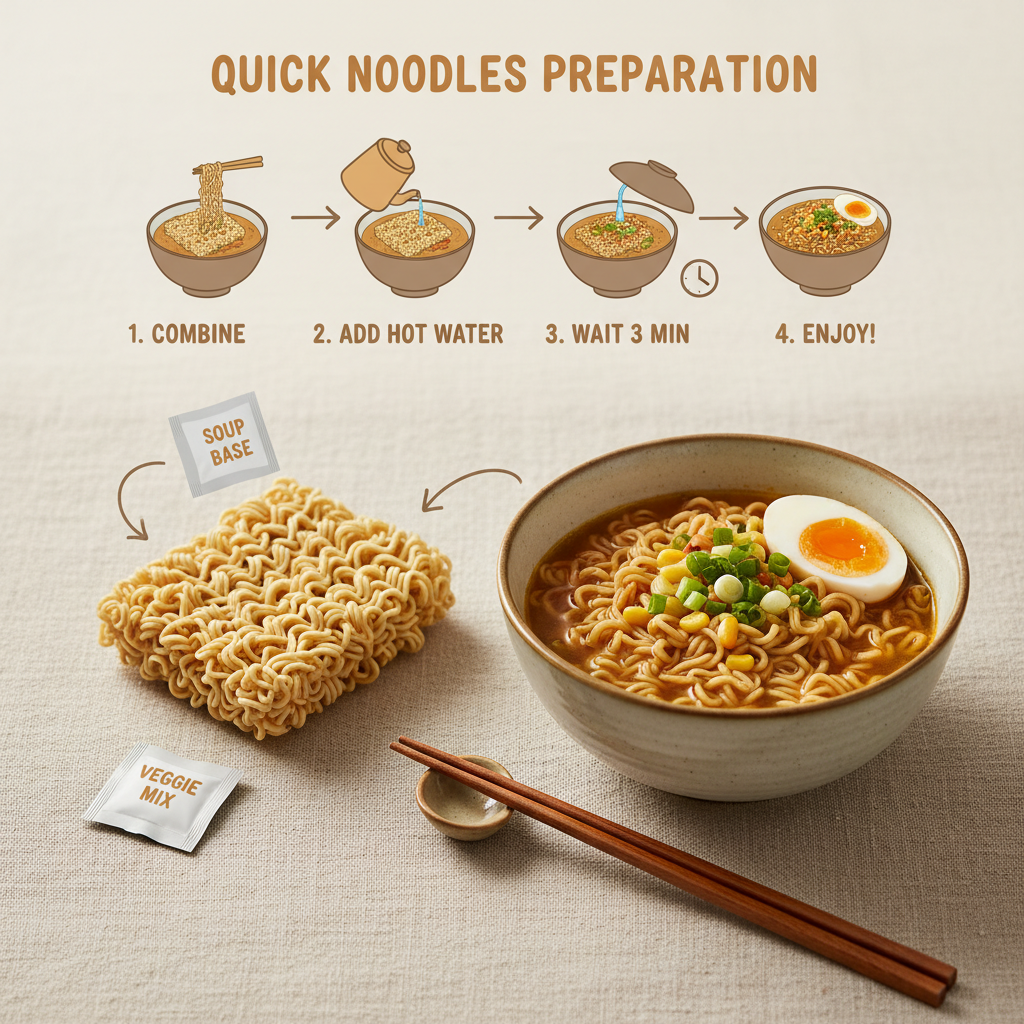
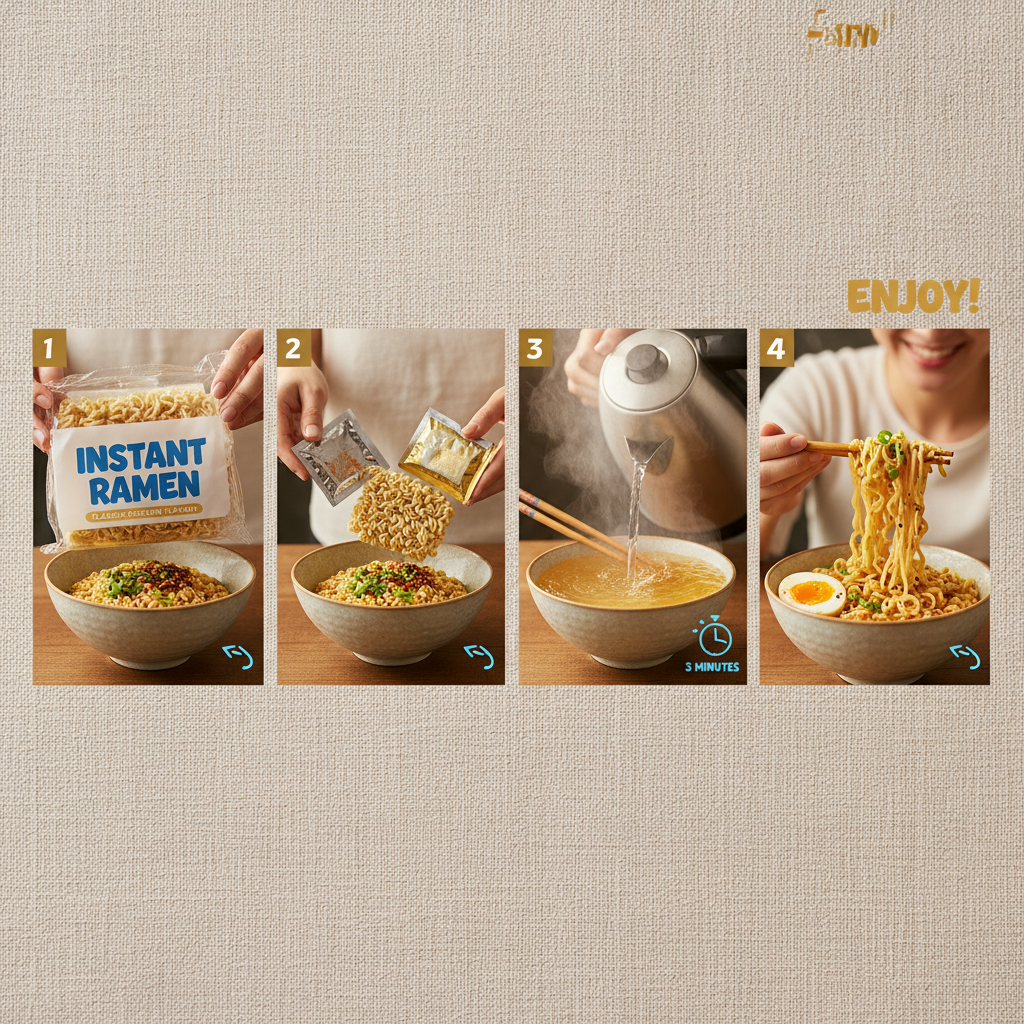
Fast noodles are typically dehydrated or pre-cooked wheat noodles, packaged with seasoning mixes. They are designed for rapid preparation, usually requiring only boiling water. Their simplicity and speed of preparation have made them a popular choice for busy individuals, students, and those seeking a convenient meal.
In the context of modern industry, fast noodles represent a highly efficient food production model. The streamlined manufacturing process, coupled with long shelf life and ease of transportation, allows for mass distribution to diverse markets. This efficiency has positioned them as a key component in emergency food aid, providing a vital source of sustenance in disaster-stricken areas.
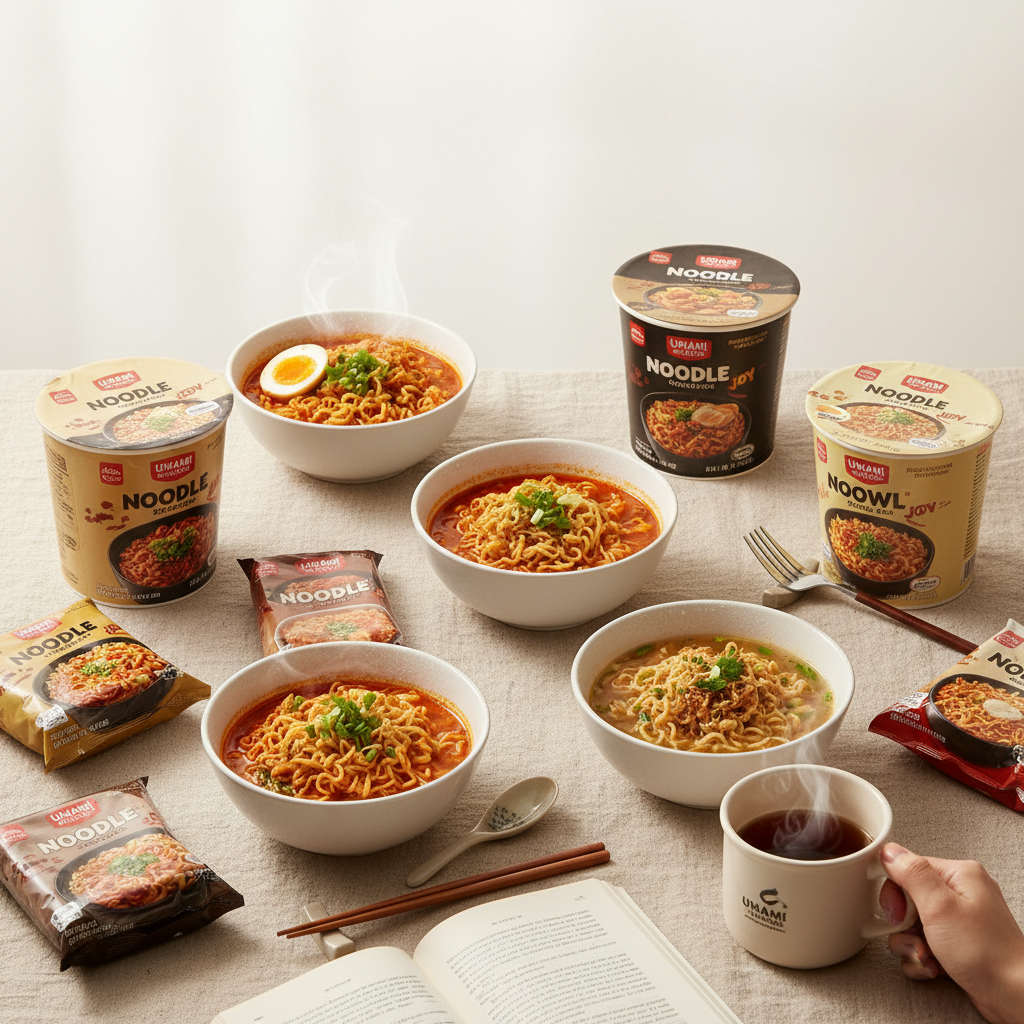
However, it’s crucial to recognize that the term ‘fast noodles’ encompasses a vast range of products, from basic, budget-friendly options to premium varieties with enhanced nutritional profiles. The industry is continuously evolving to meet changing consumer demands and address growing health consciousness.
Core Components of Fast Noodle Production
The production of fast noodles involves several key components. Primarily, wheat flour forms the base, often blended with starches like tapioca or potato starch to enhance texture. The dough undergoes a steaming or frying process to partially or fully cook the noodles, followed by dehydration to reduce moisture content and extend shelf life.
A critical element is the seasoning packet, which contains a blend of flavors, spices, salt, sugar, and often, monosodium glutamate (MSG). The composition of this packet varies significantly depending on the targeted flavor profile and regional preferences. More recently, producers are increasingly incorporating dehydrated vegetables and proteins to improve nutritional value.
Packaging plays a vital role in preserving freshness and ensuring product integrity during transportation and storage. Typically, fast noodles are packaged in polypropylene (PP) or polyethylene terephthalate (PET) containers, providing barrier properties against moisture and oxygen. The increasing focus on sustainability is driving research into more eco-friendly packaging alternatives.
Key Factors: Affordability, Shelf Life, and Preparation
Affordability is arguably the most significant factor driving the popularity of fast noodles. Compared to other prepared food options, they offer a remarkably low-cost meal, making them accessible to individuals with limited budgets. This affordability is particularly crucial in regions experiencing economic instability.
Extended shelf life is another critical advantage. The dehydration process significantly reduces moisture content, inhibiting microbial growth and allowing for long-term storage without spoilage. This makes fast noodles ideal for stockpiling, emergency preparedness, and distribution to remote areas.
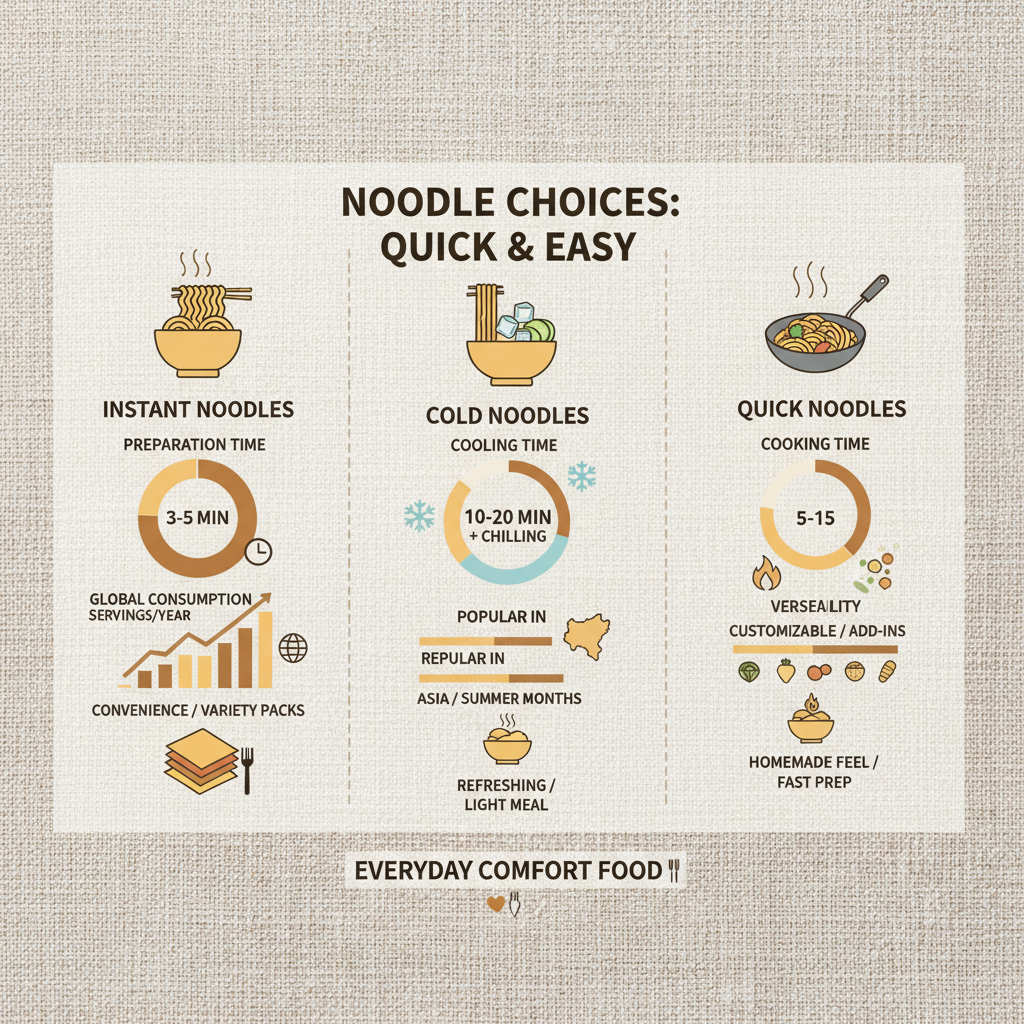
Fast Noodle Preparation Time Comparison
Global Applications of Fast Noodles
The applications of fast noodles extend far beyond individual consumption. In post-disaster relief operations, they serve as a vital source of immediate sustenance for affected populations. Organizations like the World Food Programme frequently include fast noodles in emergency food kits due to their portability, ease of preparation, and long shelf life.
In remote industrial zones, where access to fresh food is limited, fast noodles provide a convenient and affordable meal option for workers. This is particularly relevant in construction sites, mining operations, and other remote work environments. They also find widespread use in military rations and expeditions, where weight and space are critical considerations.
Advantages and Long-Term Value of Fast Noodles
The advantages of fast noodles are multifaceted. Economically, they offer a low-cost food solution, reducing the financial burden on individuals and families. Operationally, their long shelf life minimizes food waste and simplifies logistics. Socially, they provide a readily available source of nourishment in times of crisis.
Beyond these practical benefits, fast noodles offer a sense of security and convenience. Knowing that a quick and easy meal is always available can provide peace of mind, particularly for those facing unpredictable circumstances. Their widespread availability fosters a sense of community, offering a shared food experience across cultures and socioeconomic levels.
Furthermore, the constant innovation within the industry – including the development of fortified varieties and reduced-sodium options – enhances their nutritional value and promotes healthier consumption habits. This demonstrates a commitment to long-term sustainability and consumer well-being.
Future Trends and Sustainable Innovations in Fast Noodles
The future of fast noodles is focused on sustainability and enhanced nutritional value. Research is underway to develop noodles made from alternative grains, such as quinoa or millet, offering improved protein content and reduced allergenic potential. Biodegradable and compostable packaging materials are also gaining traction, addressing growing environmental concerns.
Digital transformation is playing a role in optimizing the supply chain, enhancing traceability, and improving quality control. Automation in manufacturing processes is increasing efficiency and reducing production costs. The integration of smart packaging technologies, such as QR codes providing nutritional information and cooking instructions, is enhancing consumer engagement.
Crucially, the development of nutritionally fortified fast noodles, incorporating vitamins, minerals, and essential amino acids, is addressing concerns about dietary deficiencies. This proactive approach aligns with global health initiatives and promotes healthier eating habits.
Analysis of Sustainable Innovation Approaches in Fast Noodle Production
| Innovation Area |
Implementation Cost (1-10) |
Environmental Impact (1-10) |
Consumer Acceptance (1-10) |
| Biodegradable Packaging |
7 |
9 |
8 |
| Alternative Grain Noodles (Quinoa) |
6 |
7 |
6 |
| Reduced Sodium Seasoning |
3 |
5 |
9 |
| Automated Production Lines |
8 |
6 |
7 |
| Nutrient Fortification (Vitamins) |
4 |
7 |
8 |
| Smart Packaging with QR Codes |
5 |
4 |
7 |
FAQS
Frequent consumption of traditional fast noodles can be low in essential nutrients like protein, fiber, and vitamins. They often contain high levels of sodium, saturated fat, and processed carbohydrates. This can contribute to nutritional imbalances and potential health issues if not balanced with a varied diet. Newer formulations are increasingly addressing these concerns through fortification and alternative ingredients.
Ingredient quality varies significantly between brands. Premium brands often utilize higher-quality wheat flour, real spices, and dehydrated vegetables, while budget brands may rely on more processed ingredients and artificial flavorings. Checking the ingredient list and nutritional information is crucial when comparing brands. Look for noodles with shorter ingredient lists and recognizable components.
Yes, several eco-friendly packaging alternatives are emerging. These include biodegradable materials made from plant-based sources (such as cornstarch or sugarcane), compostable packaging, and recycled plastic. However, the cost and performance of these alternatives are still being optimized. Some brands are also exploring reducing packaging altogether through innovative container designs.
Fast noodles generally have a longer shelf life than many other shelf-stable foods, typically ranging from 6 to 12 months, or even longer if stored properly in a cool, dry place. This is due to the low moisture content resulting from the dehydration process. This extended shelf life makes them ideal for emergency preparedness and long-term storage, surpassing many canned goods or fresh produce.
Fast noodles can be incorporated into a healthy diet if consumed in moderation and balanced with other nutrient-rich foods. Choosing brands with lower sodium content and adding protein sources (like eggs, tofu, or vegetables) can enhance their nutritional value. Treating them as an occasional convenience food rather than a dietary staple is key.
Several innovations are aimed at reducing sodium content. These include using potassium chloride as a partial sodium replacement, employing flavor-enhancing technologies that require less salt, and developing seasoning blends with natural herbs and spices to boost flavor without relying heavily on sodium. Some brands are also offering low-sodium or sodium-free fast noodle options.
Conclusion
Fast noodles have evolved from a post-war necessity to a globally consumed convenience food, playing a critical role in food security, emergency relief, and modern lifestyles. Their affordability, extended shelf life, and ease of preparation have cemented their place in diverse cultures and socioeconomic contexts. However, acknowledging and addressing concerns regarding nutritional value and environmental impact is crucial for ensuring their sustainable future.
Looking ahead, continued innovation in ingredients, packaging, and production processes is essential. By prioritizing sustainability, enhancing nutritional profiles, and leveraging digital technologies, the fast noodle industry can continue to provide a valuable food source while minimizing its environmental footprint and promoting healthier consumption habits. Visit our website at www.jxsemidrynoodles.com to learn more.