Quick noodles, a globally consumed convenience food, have become a staple in households worldwide, offering a fast and affordable meal solution. Their ease of preparation and long shelf life have made them particularly valuable in situations where time and resources are limited. Understanding the production, consumption patterns, and evolving innovations surrounding quick noodles is crucial in addressing global food security and nutritional needs.
The global quick noodles market is a multi-billion dollar industry, demonstrating the significant demand for this product across diverse cultures and socioeconomic groups. Driven by urbanization, changing lifestyles, and increasing disposable incomes, the consumption of quick noodles continues to rise, especially in developing nations. The impact of quick noodles extends beyond just a food source; it influences agricultural practices, packaging industries, and logistical networks.
Quick noodles represent a unique intersection of food technology, consumer convenience, and economic accessibility. From their humble beginnings as a post-war food solution in Japan, they’ve evolved into a customizable and adaptable food product. This evolution requires continuous innovation in ingredients, processing methods, and packaging to meet evolving consumer preferences and address health concerns, making quick noodles a perpetually relevant topic of study and development.
The Global Significance of quick noodles
Quick noodles have become a globally significant food item, particularly in regions facing food security challenges or rapid urbanization. According to the World Food Programme, instant noodles provide a crucial source of carbohydrates and calories for vulnerable populations. The convenience and affordability of quick noodles contribute to their widespread adoption, especially in areas with limited access to fresh ingredients or cooking facilities.
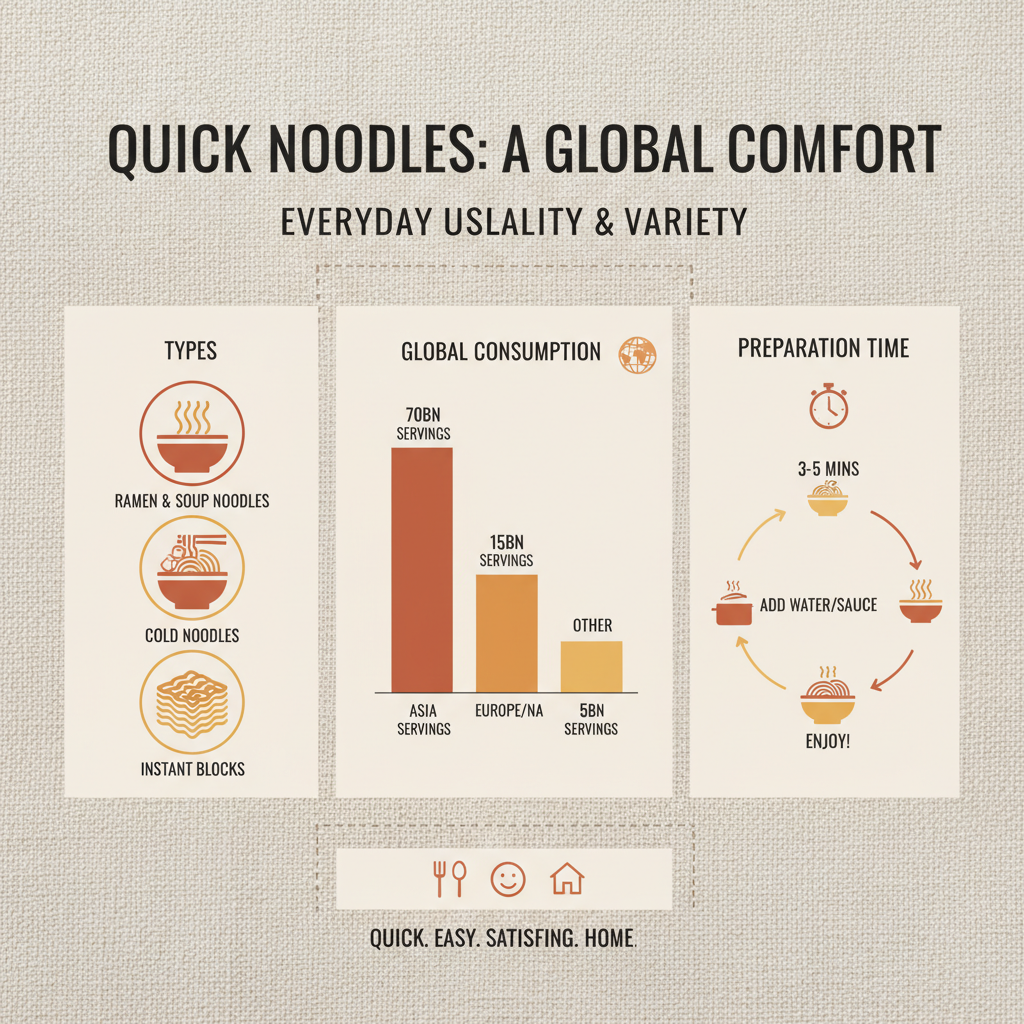
The sheer volume of quick noodles consumed annually is staggering. Estimates from the International Ramen Association indicate that over 100 billion servings of instant noodles are consumed worldwide each year, illustrating their profound impact on global food systems. This widespread demand highlights both the benefits and the potential downsides of relying on processed foods as a significant part of the global diet.
Defining Quick Noodles: A Modern Staple
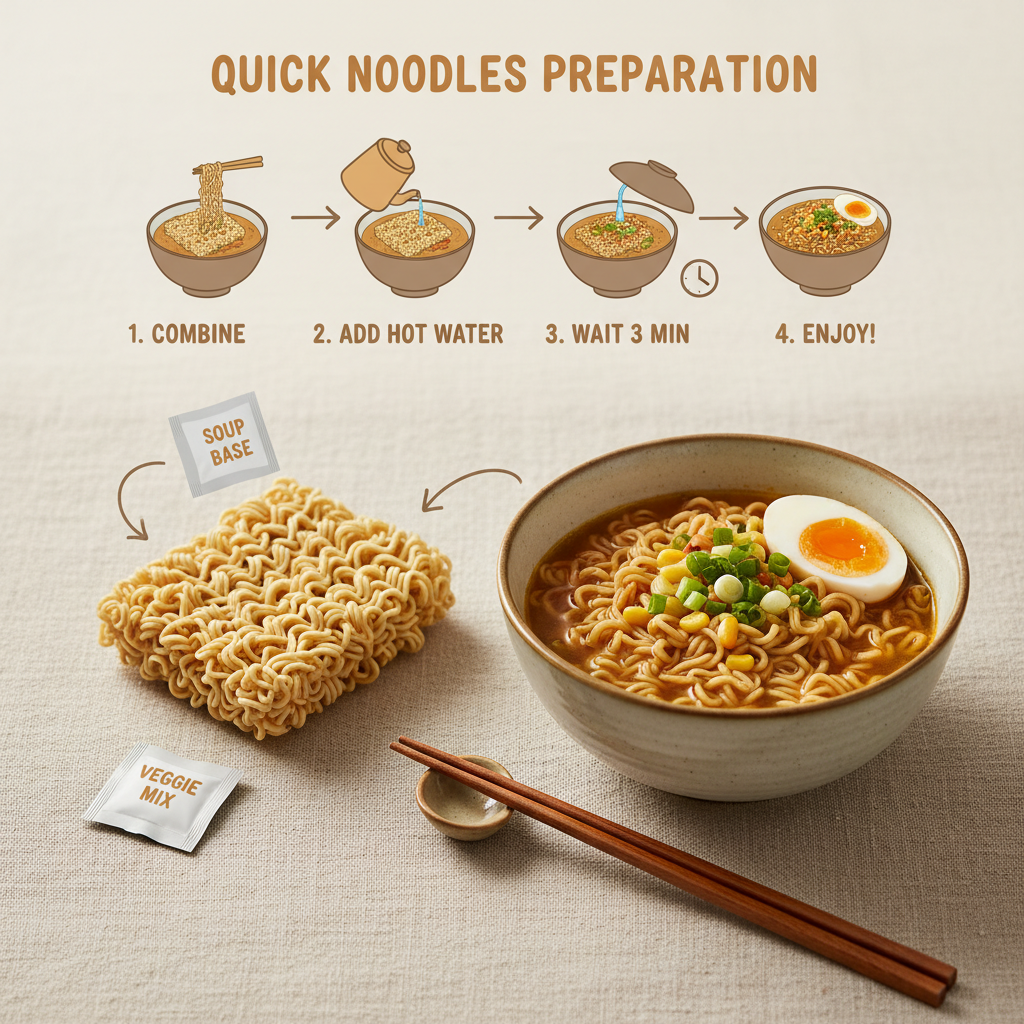
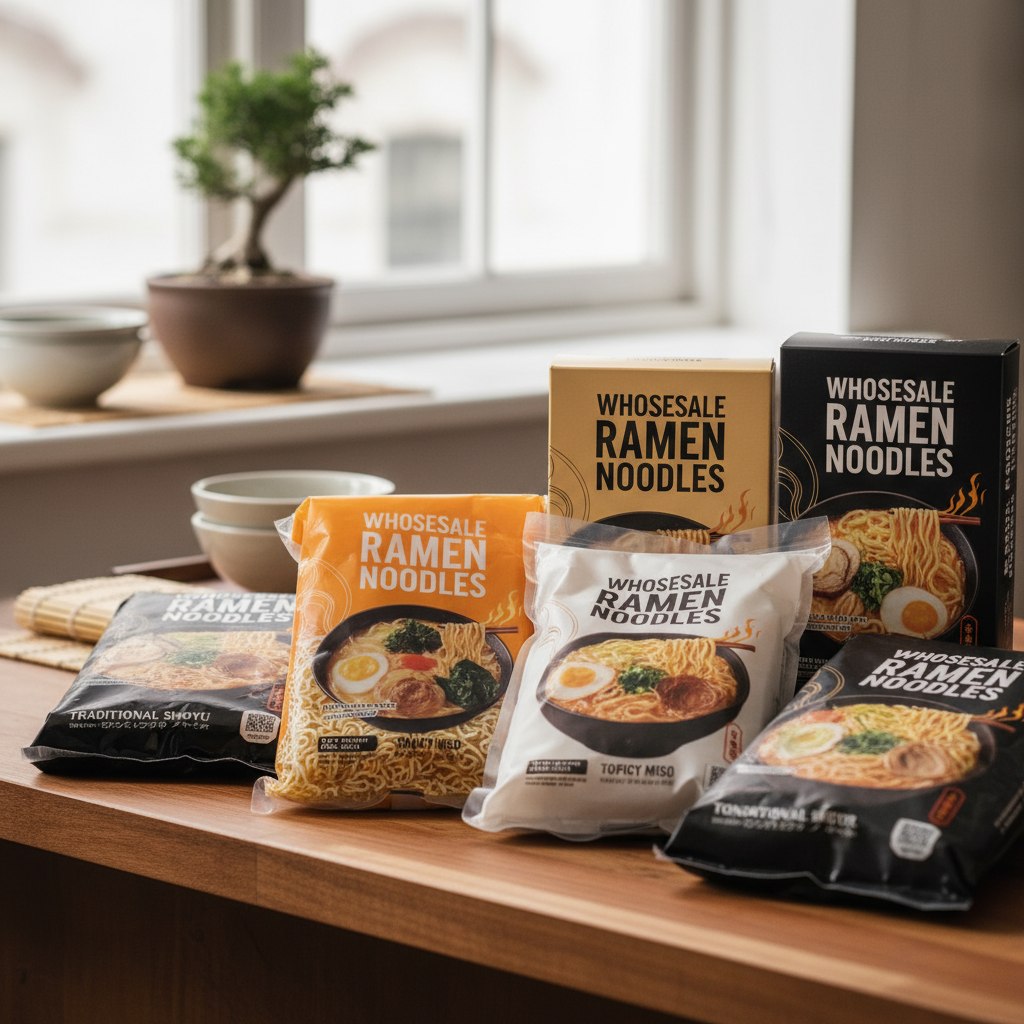
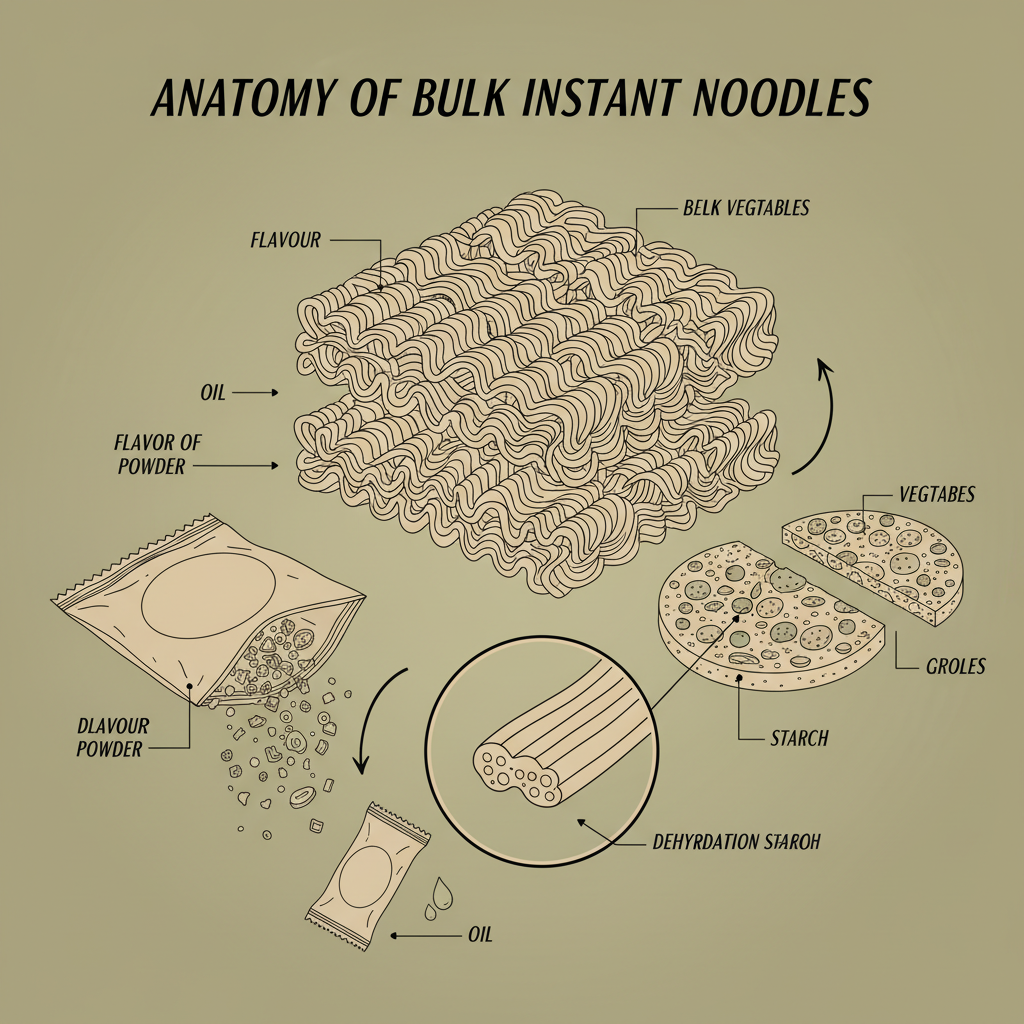
Quick noodles, also known as instant noodles or ramen (depending on regional variations), are pre-cooked noodles packaged with seasoning powder and often dehydrated vegetables. They are designed to be prepared quickly by simply adding hot water. The initial innovation, developed by Momofuku Ando in Japan after World War II, aimed to provide an accessible and affordable food source during a period of scarcity.
The connection to modern industry stems from the sophisticated food processing techniques employed in their production, encompassing noodle making, frying, drying, and flavoring. The packaging, often utilizing plastics and multilayer materials, requires advancements in material science and engineering. This also extends to logistical needs, from manufacturing to global distribution networks.
Their relevance to humanitarian needs arises from their long shelf life, lightweight nature, and ease of transport. Organizations frequently include quick noodles in emergency food aid packages due to their ability to provide a readily available source of sustenance in disaster-stricken areas. However, it’s important to note that their nutritional profile is often limited, prompting ongoing research into fortified and healthier versions of quick noodles.
Core Components of quick noodles Production
Durability is a key component, stemming from the dehydration and frying processes that significantly extend the shelf life of quick noodles. This reduces food waste and allows for storage in various conditions. Proper packaging also plays a critical role in maintaining product integrity during transportation and storage, ensuring it reaches consumers in optimal condition.
Cost efficiency is another vital aspect. The streamlined production process, combined with the use of readily available ingredients (wheat flour, palm oil, seasonings), keeps production costs low. This affordability makes quick noodles accessible to a wide range of consumers, particularly in developing nations. Economies of scale achieved through mass production further contribute to their cost-effectiveness.
Scalability is inherent in the production of quick noodles. Manufacturing facilities can readily increase output to meet fluctuating demand. The relatively simple manufacturing process also allows for the establishment of production plants in various locations, reducing transportation costs and responding to regional market needs. This flexibility is crucial for a product with global reach.
Applications of quick noodles in Diverse Sectors
In post-disaster relief operations, quick noodles are frequently included in emergency food aid packages due to their long shelf life, ease of preparation, and lightweight nature. They provide a readily available source of calories and carbohydrates for affected populations when access to fresh food and cooking facilities is limited. Several international aid organizations, like the Red Cross, routinely stock quick noodles in their emergency supplies.
Within the military sector, quick noodles serve as a convenient and portable meal option for soldiers in the field. Their ease of preparation and minimal requirement for cooking equipment are particularly advantageous in challenging operational environments. They are often included in MREs (Meals Ready to Eat) as a supplemental food source.
In remote industrial zones, such as mining camps or construction sites, quick noodles provide a quick and affordable meal solution for workers who may have limited access to other food options. The minimal cooking requirements and ease of cleanup make them a practical choice in environments where time and resources are constrained.
quick noodles Consumption Trends by Region
Advantages and Long-Term Value of quick noodles
The most tangible benefit of quick noodles is their cost-effectiveness. They provide a substantial caloric intake at a remarkably low price point, making them an accessible food source for low-income populations. This affordability contributes to food security, particularly in regions where economic resources are limited. They also minimize food waste, providing a lasting economical impact.
From a sustainability perspective, ongoing innovations aim to reduce the environmental footprint of quick noodles. This includes developing more eco-friendly packaging materials, reducing water and energy consumption in the production process, and sourcing sustainable ingredients. A commitment to responsible sourcing and production is crucial for ensuring the long-term viability of the quick noodles industry.
Future Trends and Innovations in quick noodles
The development of healthier quick noodles is a significant trend. Manufacturers are exploring ways to increase the nutritional value of the product by incorporating more vegetables, whole grains, and lean proteins. Reducing sodium content and eliminating artificial additives are also key priorities. Research into alternative noodle ingredients, such as those made from lentils or quinoa, is underway.
The integration of digital technologies, such as blockchain, is enhancing traceability and transparency in the quick noodles supply chain. This allows consumers to track the origin of ingredients and ensures adherence to ethical and sustainable sourcing practices. Furthermore, personalized quick noodle options, tailored to individual dietary needs and preferences, are emerging through online platforms and customized packaging.
Challenges and Solutions in quick noodles Supply Chains
A significant challenge in quick noodles production is the reliance on palm oil, which has been linked to deforestation and environmental degradation. Sustainable palm oil sourcing and the exploration of alternative vegetable oils are crucial solutions. Certifications like RSPO (Roundtable on Sustainable Palm Oil) can help ensure responsible sourcing practices.
Plastic packaging poses another environmental concern. Developing biodegradable or compostable packaging materials, as well as implementing recycling programs, can mitigate this issue. The use of innovative packaging technologies, such as plant-based plastics, is gaining traction. Collaboration between manufacturers, governments, and consumers is essential for promoting sustainable packaging solutions.
Supply chain disruptions, exacerbated by global events like pandemics or geopolitical instability, can impact the availability and price of quick noodles. Diversifying sourcing locations, building strategic reserves, and investing in resilient transportation infrastructure can help mitigate these risks.
Summary of Quick Noodles Supply Chain Challenges and Solutions
| Challenge Area |
Severity (1-10) |
Potential Impact |
Proposed Solutions |
| Palm Oil Sourcing |
8 |
Deforestation, Biodiversity Loss |
RSPO Certification, Alternative Oils |
| Plastic Packaging |
7 |
Environmental Pollution, Waste Accumulation |
Biodegradable Materials, Recycling Programs |
| Supply Chain Disruptions |
6 |
Price Fluctuations, Availability Issues |
Diversified Sourcing, Strategic Reserves |
| Nutritional Value |
5 |
Health Concerns, Dietary Imbalance |
Fortification, Whole Grain Options |
| Water Usage in Production |
4 |
Water Scarcity, Environmental Impact |
Water Recycling Systems, Efficient Processes |
| Transportation Costs |
3 |
Increased Product Price, Reduced Accessibility |
Regional Production, Optimized Logistics |
FAQS
Frequent consumption of quick noodles can be concerning due to their typically high sodium, fat, and carbohydrate content, coupled with low levels of essential vitamins, minerals, and protein. This can contribute to an unbalanced diet and potentially lead to health issues such as hypertension, obesity, and nutrient deficiencies. While convenient, they should not be the sole staple of one’s diet. Supplementing with fresh fruits, vegetables, and lean protein is recommended.
Yes, there are considerable variations in quality and ingredients between different quick noodle brands. Some brands prioritize lower costs, utilizing lower-quality ingredients and higher levels of preservatives. Others focus on healthier options, incorporating whole grains, natural seasonings, and reduced sodium levels. Checking the nutritional information and ingredient list is crucial for making informed choices. Look for brands committed to transparent sourcing and sustainable practices.
Quick noodles contribute to several environmental challenges, including the unsustainable sourcing of palm oil, the use of non-biodegradable plastic packaging, and the energy consumption involved in production and transportation. Efforts to mitigate these issues include promoting sustainable palm oil certifications, developing biodegradable packaging alternatives, and optimizing logistics for reduced carbon emissions. Consumer choices also play a role in supporting environmentally responsible brands.
Recent innovations focus on enhancing the nutritional profile of quick noodles. These include incorporating ingredients like brown rice flour, quinoa, or lentils into the noodles themselves. Manufacturers are also reducing sodium levels, eliminating artificial flavors and preservatives, and adding dried vegetables or protein sources to the seasoning packets. Fortification with vitamins and minerals is another growing trend.
Quick noodles generally have a shelf life of 6 to 12 months, depending on the brand and ingredients. They should be stored in a cool, dry place, away from direct sunlight and moisture. Properly sealed packaging is essential to prevent spoilage. While they can withstand a range of temperatures, extreme heat or humidity can shorten their shelf life. Always check the expiration date before consumption.
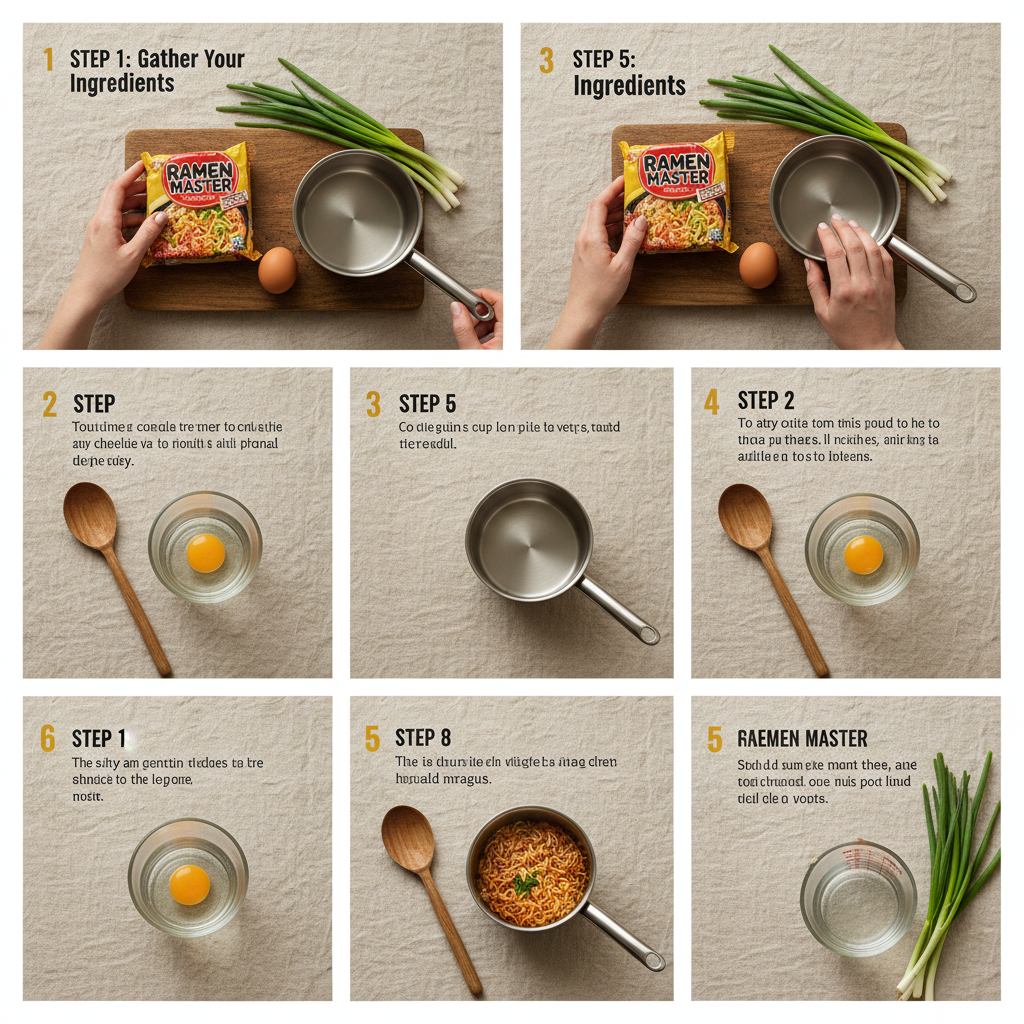
Quick noodles can be incorporated into a balanced diet as an occasional convenience food. However, it's crucial to supplement them with nutrient-rich foods. Add plenty of vegetables (fresh or frozen) to the noodles, and consider incorporating a source of lean protein like grilled chicken, tofu, or an egg. Controlling portion sizes and avoiding excessive use of the seasoning packet can also help promote a healthier meal.
Conclusion
In conclusion, quick noodles have evolved from a post-war food solution into a global culinary staple, impacting food security, economies, and consumer convenience. Understanding their production, consumption patterns, and the associated challenges—from nutritional concerns to environmental impacts—is essential for responsible innovation and sustainable growth. Addressing these issues through healthier formulations, eco-friendly packaging, and resilient supply chains will be crucial for ensuring the long-term viability of the quick noodles industry.
Looking ahead, the future of quick noodles lies in embracing innovation and prioritizing sustainability. Further research into alternative ingredients, advanced packaging technologies, and optimized production processes will be vital. Consumers are increasingly demanding healthier and more ethically sourced food options, and the quick noodles industry must adapt to meet these evolving expectations. Visit our website at quick noodles to learn more about our commitment to quality and innovation.