In a world increasingly focused on health and wellness, the demand for nutritious and convenient food options is soaring. low calorie noodles are emerging as a key solution, addressing the growing need for accessible and satisfying meals that align with health-conscious lifestyles. They represent a significant advancement in food technology, offering a palatable alternative to traditional carbohydrate sources, and contributing to better dietary habits globally.
The relevance of low calorie noodles extends beyond individual health goals. Globally, issues of food security, obesity, and diet-related diseases pose substantial challenges. The World Health Organization estimates that over 650 million adults worldwide are obese, leading to increased risk of cardiovascular diseases, type 2 diabetes, and certain cancers. low calorie noodles provide a viable option to combat these issues by offering a reduced-calorie, often fiber-rich alternative.
Understanding the science and applications of low calorie noodles is crucial for food manufacturers, nutritionists, healthcare professionals, and consumers alike. These innovative products offer a unique blend of taste, convenience, and nutritional value, enabling people to make healthier choices without compromising on enjoyment. Furthermore, their versatility allows for integration into diverse cuisines and dietary plans.
Global Significance of low calorie noodles
The global food market is undergoing a dramatic transformation, driven by shifting consumer preferences and a growing awareness of the link between diet and health. low calorie noodles are at the forefront of this change, offering a practical solution for those seeking to reduce their carbohydrate intake and manage their weight. The market for healthy foods and beverages is projected to reach \$1 trillion by 2027, reflecting the increasing demand for products like these.
This trend is particularly pronounced in developed nations where obesity rates are high and consumers are actively seeking healthier alternatives. However, the appeal of low calorie noodles extends to developing countries as well, where they can provide a more affordable and accessible source of nutrition. Addressing global challenges related to malnutrition requires innovative food technologies, and low calorie noodles represent a crucial step in the right direction.
Defining low calorie noodles
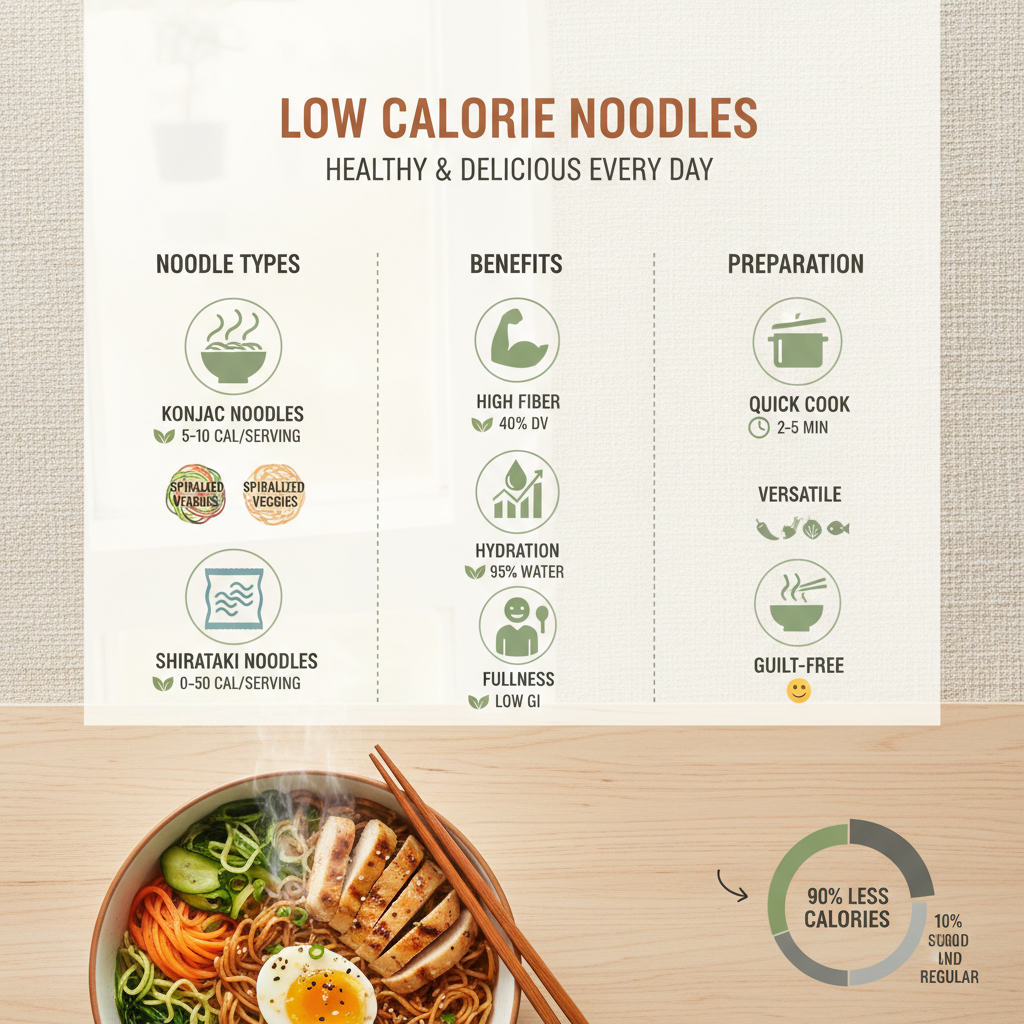
low calorie noodles are generally defined as noodle products that significantly reduce the caloric content compared to traditional wheat-based noodles. This is typically achieved through the use of alternative ingredients, modified manufacturing processes, or a combination of both. Common ingredients include konjac flour, glucomannan, and various vegetable-based fibers. These ingredients result in noodles with a lower carbohydrate load and higher fiber content.
The connection to modern industry and humanitarian needs is substantial. Food manufacturers are constantly seeking ways to create healthier products that appeal to a wider audience. Low calorie noodles offer a viable solution, allowing companies to expand their product lines and cater to the growing health-conscious market. From a humanitarian perspective, these noodles are easily transported, shelf-stable, and can provide essential nutrients in disaster relief situations or regions experiencing food scarcity.
It's important to note that the term "low calorie" isn't rigidly defined across all regions. Regulatory standards vary, but generally, a product qualifies as low calorie if it contains fewer than 40 calories per serving. low calorie noodles often fall far below this threshold, offering a significant advantage for those monitoring their caloric intake.
Core Components & Manufacturing
The core components of low calorie noodles vary depending on the specific product, but often center around konjac flour or other plant-based fibers. Konjac, a root vegetable native to Asia, is renowned for its high glucomannan content, a soluble fiber that expands in the stomach, promoting a feeling of fullness. This fiber is key to the low-calorie nature and satiety benefits of these noodles.
Manufacturing processes typically involve blending the primary fiber source with water and a minimal amount of binding agents. The mixture is then extruded through dies to form the noodle shape. Some manufacturers employ techniques such as flash freezing or drying to enhance the texture and shelf life of the product. Precise control over these parameters is critical for achieving optimal quality and consistency.
Beyond konjac, other commonly used ingredients include oat fiber, yam flour, and various vegetable purees. These additions can enhance the flavor, texture, and nutritional profile of the noodles. Continuous research and development are focused on exploring novel ingredients and manufacturing techniques to further improve the quality and appeal of low calorie noodles.
Key Characteristics of low calorie noodles
One defining characteristic of low calorie noodles is their remarkably low carbohydrate content. Compared to traditional wheat noodles, which can contain upwards of 70 grams of carbohydrates per serving, low calorie noodles often contain less than 10 grams. This makes them an ideal choice for individuals following low-carb diets, such as the ketogenic diet or paleo diet.
Another crucial aspect is their high fiber content. The soluble fiber found in ingredients like konjac and glucomannan promotes digestive health, regulates blood sugar levels, and contributes to a feeling of fullness, which can aid in weight management. This high fiber content also sets them apart from many other low-calorie food options.
Comparative Analysis of low calorie noodles Characteristics
Applications Across Industries
The food industry is witnessing a surge in the integration of low calorie noodles into diverse product categories. These noodles are increasingly utilized in instant noodle soups, stir-fry dishes, pasta alternatives, and even as a component in gluten-free or vegan meals. The versatility allows food manufacturers to appeal to a broader consumer base.
Beyond the food industry, these noodles find applications in specialized dietary programs and healthcare settings. Dieticians and nutritionists recommend them to patients managing weight, diabetes, or other health conditions. They also serve as a convenient and nutritious meal option for athletes and fitness enthusiasts.
Benefits & Long-Term Impact
The most immediate benefit of low calorie noodles is their contribution to weight management. By significantly reducing caloric intake, they empower individuals to achieve their weight loss or maintenance goals without sacrificing the satisfaction of a noodle-based meal. Furthermore, their high fiber content promotes fullness, reducing the likelihood of overeating.
From a long-term perspective, the regular consumption of these noodles can have a positive impact on overall health. By helping to regulate blood sugar levels and improve digestive health, they contribute to a reduced risk of chronic diseases. The sustainability aspect is also noteworthy, as certain production methods have a lower environmental footprint compared to traditional wheat farming.
The social impact is substantial. low calorie noodles provide a more accessible and affordable option for healthy eating, particularly for individuals with limited resources. This can help to reduce health disparities and promote better nutrition for all.
Innovations & Future Outlook
Ongoing research is focused on enhancing the texture and flavor profile of low calorie noodles. Scientists are exploring new ingredient combinations and processing techniques to create products that more closely mimic the sensory experience of traditional noodles. This includes efforts to improve chewiness and reduce any lingering aftertaste.
The integration of digital technologies is also playing a role in the future of these noodles. Smart packaging solutions can provide consumers with real-time nutritional information and personalized recipe recommendations. Supply chain optimization through blockchain technology can ensure traceability and transparency.
Looking ahead, we can expect to see greater adoption of sustainable packaging materials and more environmentally friendly manufacturing processes. The trend towards personalized nutrition will likely drive the development of customized low calorie noodles tailored to individual dietary needs and preferences.
Summary of Challenges and Potential Solutions for Low Calorie Noodles
| Challenge Area |
Current Limitations |
Potential Solutions |
Impact on low calorie noodles |
| Texture and Mouthfeel |
Can be perceived as rubbery or lacking the satisfying chewiness of wheat noodles. |
Blending with other fibers, optimizing extrusion processes, and surface treatment techniques. |
Significant improvement in consumer acceptance and product appeal. |
| Flavor Profile |
Often have a neutral or slightly bland flavor, requiring strong sauces for palatability. |
Incorporating natural flavorings, vegetable purees, and umami-rich ingredients. |
Enhanced taste experience, reducing reliance on unhealthy additives. |
| Shelf Life |
Some formulations can be prone to spoilage or texture changes over time. |
Optimized drying methods, modified atmosphere packaging, and the addition of natural preservatives. |
Extended product freshness and reduced food waste. |
| Cost Competitiveness |
Can be more expensive to produce than traditional wheat noodles. |
Sourcing sustainable and affordable ingredient alternatives, and optimizing manufacturing processes. |
Increased accessibility for a wider range of consumers. |
| Consumer Perception |
Some consumers may have preconceived notions about the taste or texture. |
Educational marketing campaigns, product sampling, and collaborations with chefs. |
Overcoming skepticism and building brand trust. |
| Scalability of Production |
Scaling up production can be challenging due to the specialized equipment and processes required. |
Investing in automation and streamlined manufacturing facilities, and developing partnerships with large-scale food producers. |
Meeting growing consumer demand and reducing production costs. |
FAQS
Low calorie noodles are commonly made from konjac flour, a root vegetable rich in glucomannan fiber. Other ingredients include oat fiber, yam flour, and vegetable purees. These ingredients provide a low-calorie base with a higher fiber content than traditional wheat noodles, contributing to feelings of fullness and supporting digestive health.
Generally, yes. Many low calorie noodles are naturally gluten-free, as they are not made from wheat. However, it’s crucial to always check the product label to confirm, as some brands may add ingredients containing gluten during processing. Look for products specifically labeled as “gluten-free” for peace of mind.
The taste and texture of low calorie noodles can vary depending on the brand and ingredients used. They often have a milder flavor than wheat noodles and can sometimes have a slightly chewier or rubbery texture. However, manufacturers are continually improving their products to enhance both taste and texture, and pairing them with flavorful sauces helps to overcome any perceived differences.
While versatile, low calorie noodles may not be ideal for all types of dishes. They work best in stir-fries, soups, and salads where they can absorb flavors from the sauce. They may not hold their shape as well as traditional noodles in certain baked dishes or those requiring a lot of handling.
Preparation methods vary depending on the type of noodle. Most require rinsing under warm water to remove any unusual odor before adding to your dish. Some may require boiling or briefly sautéing. Always follow the instructions on the product packaging for optimal results.
Low calorie noodles are becoming increasingly available in supermarkets, health food stores, and online retailers. You can also find them at Asian grocery stores, as konjac noodles are a staple in many Asian cuisines. Visit our website for a list of retailers near you!
Conclusion
low calorie noodles represent a significant innovation in the food industry, offering a healthier and more sustainable alternative to traditional carbohydrate sources. Their low caloric content, high fiber content, and versatility make them an ideal choice for individuals seeking to improve their diet and overall health. The growing demand for these noodles reflects a broader trend towards wellness and mindful eating.
As research and development continue to refine the taste, texture, and manufacturing processes, low calorie noodles are poised to play an increasingly important role in addressing global health challenges. We encourage consumers to explore the benefits of these innovative products and incorporate them into their diets. Visit our website at www.jxsemidrynoodles.com to learn more and discover our range of delicious and healthy noodle options!