Instant ramen noodles, a global culinary phenomenon, have evolved from a post-war food solution in Japan to a diverse and widely consumed convenience food. Understanding the various types of instant ramen noodles is crucial not only for food enthusiasts but also for appreciating their impact on global food security and cultural exchange. From basic noodle soups to gourmet, flavor-packed varieties, instant ramen represents an affordable and accessible meal option for billions worldwide.
The sheer volume of instant ramen consumption is staggering, with over 100 billion servings eaten annually. This popularity stems from its affordability, long shelf life, and ease of preparation. Beyond simply being a quick meal, types of instant ramen noodles have become a significant cultural element, influencing food trends and inspiring culinary creativity across the globe.
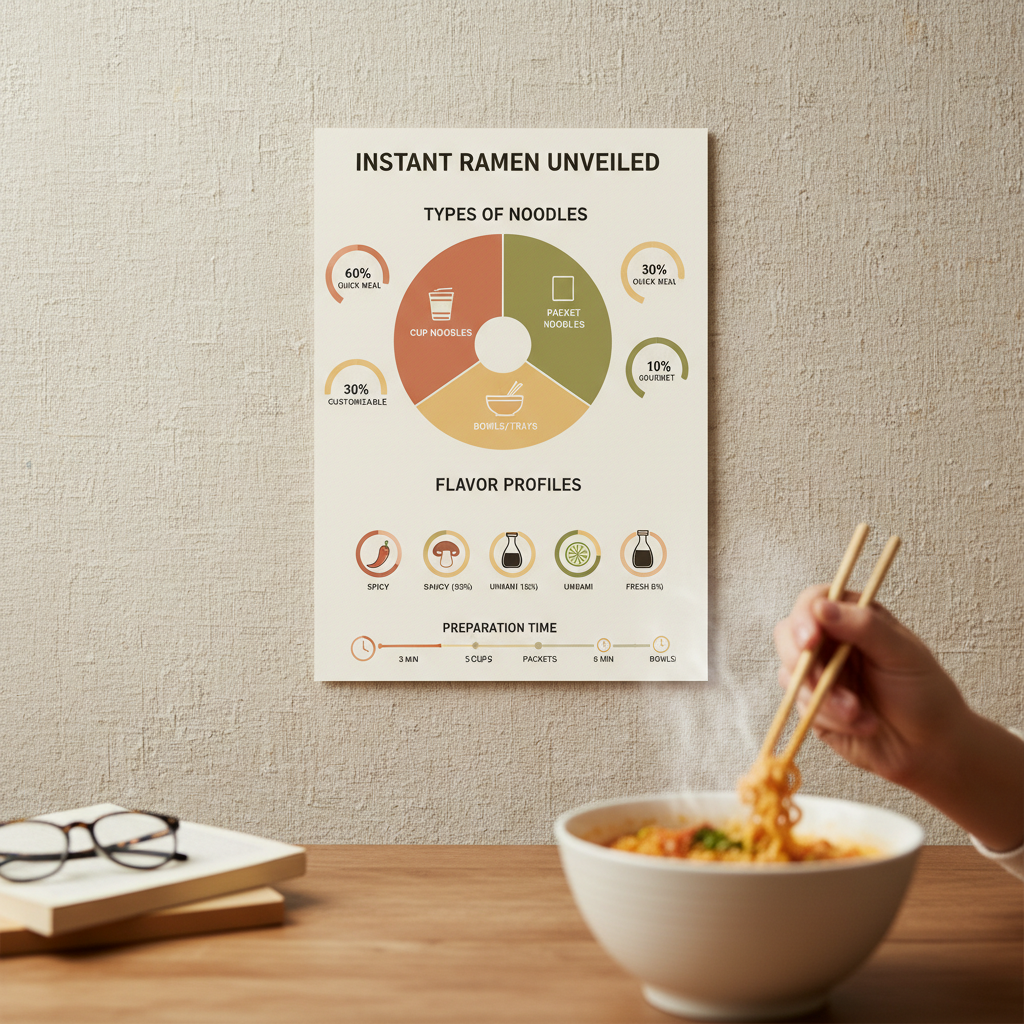
This exploration delves into the diverse world of instant ramen, categorizing the types of instant ramen noodles based on factors like noodle style, soup base, and regional variations. By understanding these distinctions, consumers and industry professionals alike can better appreciate the complexity and innovation within this seemingly simple food category.
The Evolution and History of types of instant ramen noodles
The story of instant ramen begins in 1958 with Momofuku Ando, who invented the first instant noodle product, Chicken Ramen. Facing post-war food shortages in Japan, Ando sought a way to provide a readily available and affordable food source. This invention revolutionized the food industry, offering a convenient and nutritious meal that could be prepared in minutes.
Over the decades, the types of instant ramen noodles have expanded exponentially. Initially a simple wheat noodle with a basic chicken flavor, it quickly diversified to include a range of flavors, noodle textures, and packaging styles. The introduction of cup noodles in 1971 further cemented its convenience and popularity, making it an ideal on-the-go meal.
Defining types of instant ramen noodles: Ingredients and Production
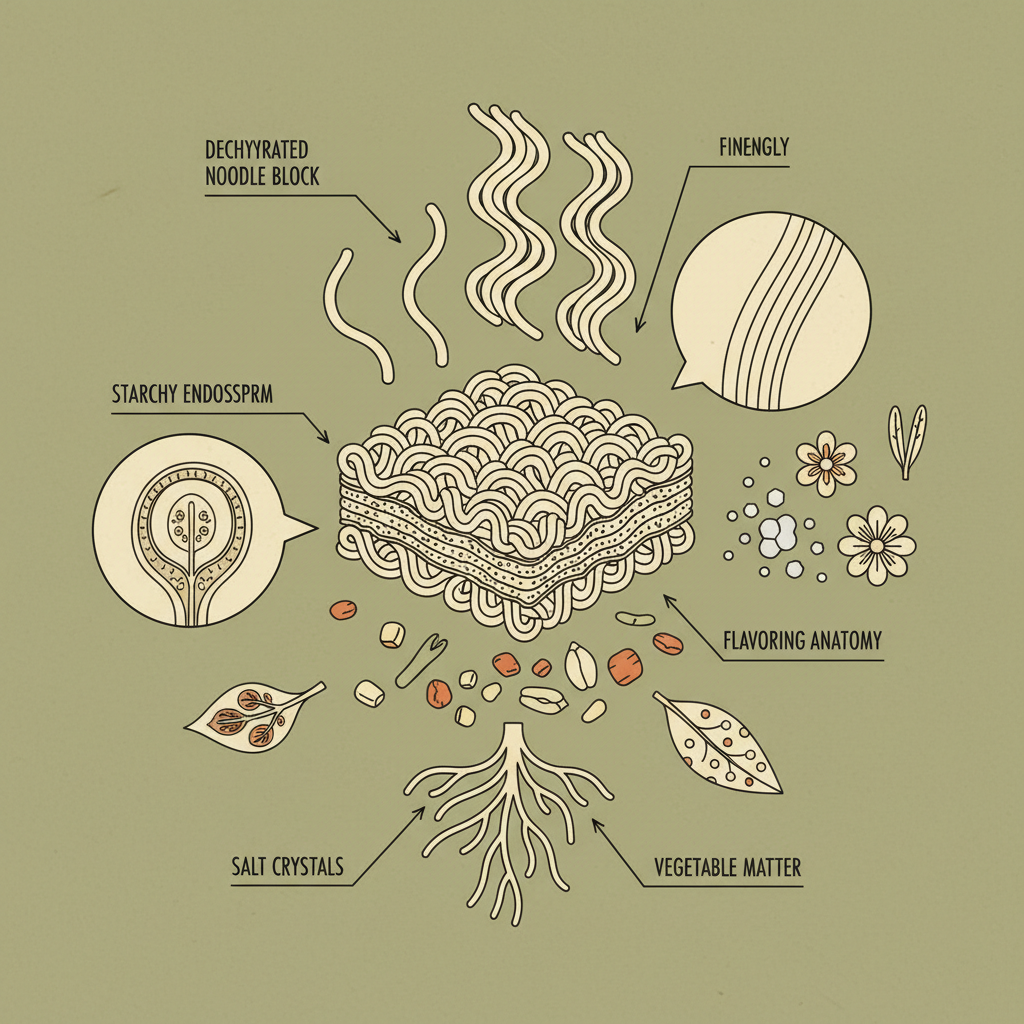
At its core, instant ramen consists of wheat noodles, a flavoring packet, and a drying process that allows for long-term storage. The noodles are typically made from wheat flour, water, salt, and kansui, an alkaline mineral water that gives ramen its distinctive texture and flavor. Different types of instant ramen noodles will utilize varying wheat flour grades to achieve different textures.
The flavoring packets contain a complex blend of seasonings, including salt, monosodium glutamate (MSG), spices, and dehydrated vegetables. These ingredients are carefully formulated to create a diverse range of flavors, from traditional soy sauce and miso to spicy chili and creamy seafood.
The production process involves steaming or frying the noodles, followed by a rapid drying technique. Fried instant ramen generally has a longer shelf life and a crispier texture, while steamed instant ramen tends to be softer and healthier. The choice of drying method significantly impacts the final product's characteristics.
Key Components: Noodles, Broth, and Flavorings
The noodles themselves are a defining characteristic of different types of instant ramen noodles. Some noodles are thin and straight, while others are thick and wavy. The composition of the noodles, including the wheat flour blend and kansui content, affects their texture and ability to absorb flavor.
The broth is arguably the most important component, as it provides the foundation for the overall flavor experience. Broth flavors range from light and delicate to rich and intense. Common broth bases include soy sauce (shoyu), miso, salt (shio), and tonkotsu (pork bone). The quality of the broth significantly influences the perception of the instant ramen's taste.
Flavorings, including spices, dehydrated vegetables, and MSG, contribute to the complexity and depth of flavor. Manufacturers often incorporate innovative flavor combinations to appeal to a wider range of palates. The quality and balance of these flavorings are crucial in creating a satisfying and addictive ramen experience.
Global Regional Variations in types of instant ramen noodles
While originating in Japan, types of instant ramen noodles have been adapted and localized around the world. Korean ramen (ramyeon) is known for its spicy and robust flavors, often featuring gochujang (fermented chili paste) and a bolder broth.
Indonesian instant noodles, known as Indomie, are incredibly popular and often come with a sweet soy sauce-based flavoring. In Mexico, instant ramen is frequently customized with hot sauce, lime juice, and other local ingredients. These regional variations demonstrate the adaptability of instant ramen to local tastes and preferences.
Popularity of types of instant ramen noodles by Regional Style
Applications and Consumer Trends in types of instant ramen noodles
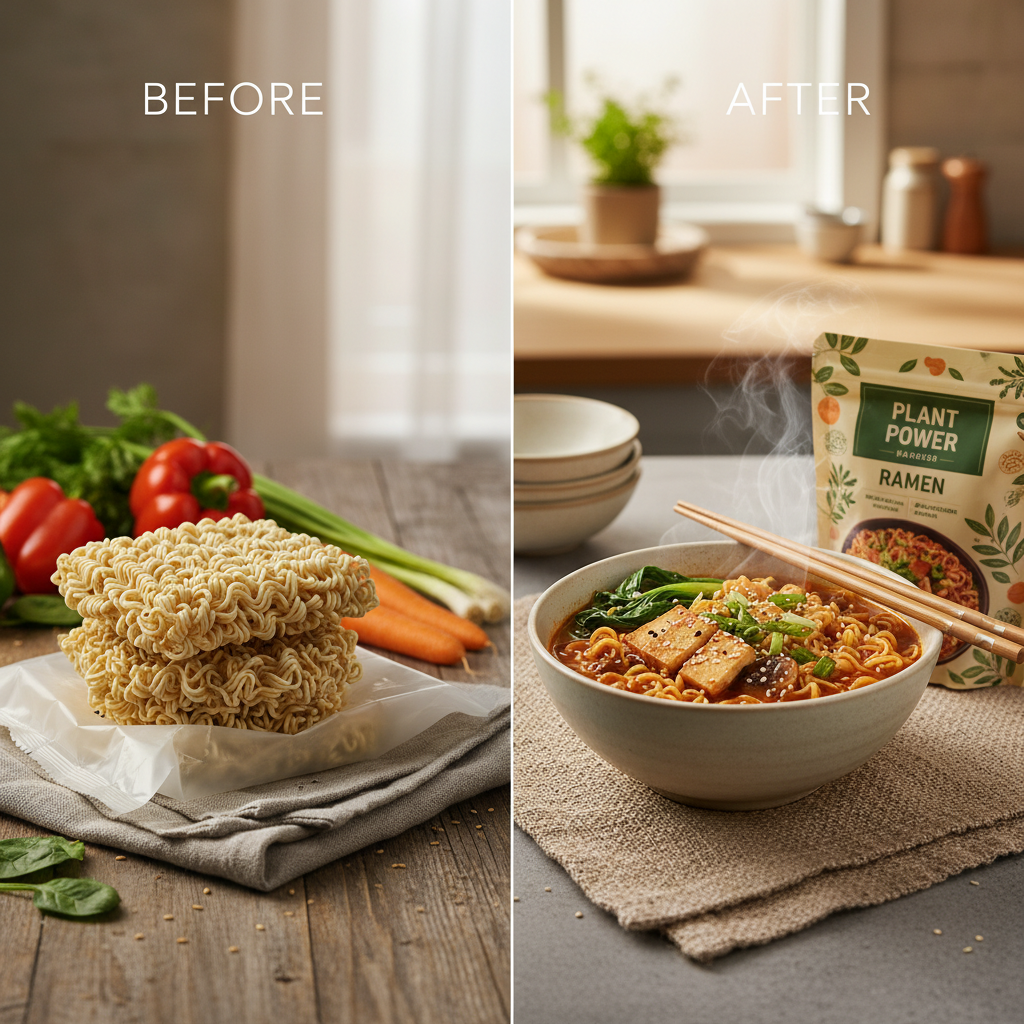
Beyond being a convenient meal, types of instant ramen noodles are increasingly used as a base for more elaborate culinary creations. Many home cooks and chefs utilize instant ramen noodles in stir-fries, soups, and even salads, adding their own ingredients and flavors to elevate the dish.
Current consumer trends indicate a growing demand for healthier and more premium instant ramen options. Manufacturers are responding by offering varieties with lower sodium content, organic ingredients, and more sophisticated flavor profiles. There's also a rise in demand for vegan and gluten-free instant ramen options.
Advantages and the Future of types of instant ramen noodles
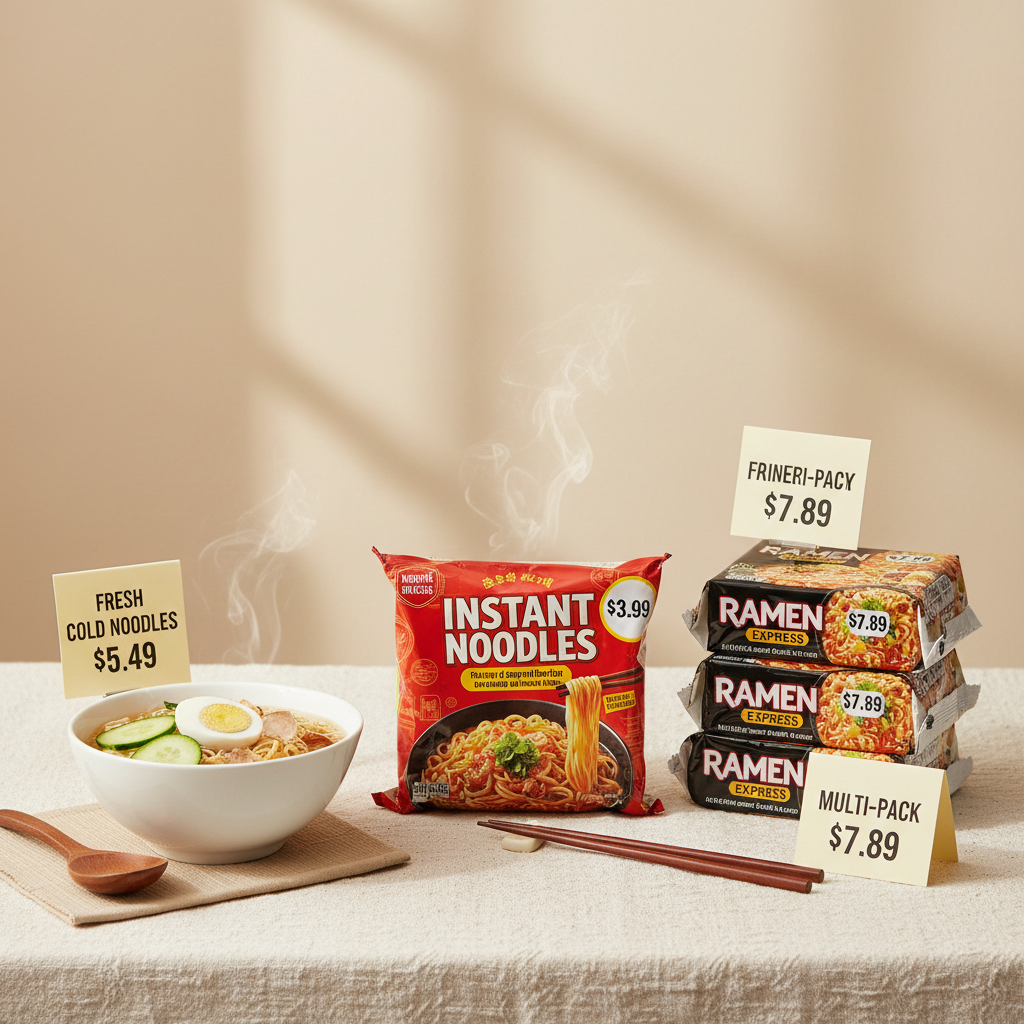
The primary advantage of types of instant ramen noodles remains its affordability and convenience. It provides a quick and easy meal solution for individuals and families on a budget. The long shelf life also makes it a valuable emergency food option.
The future of instant ramen lies in innovation and sustainability. We can expect to see further development of healthier options, more eco-friendly packaging, and the integration of advanced food technologies to enhance flavor and nutrition. The rise of personalized nutrition may also lead to customized instant ramen options tailored to individual dietary needs.
Technological advances may allow for on-demand flavor customization through integrated digital systems linked to smart packaging, allowing consumers to adjust seasoning levels or even create entirely new flavor profiles using their smartphones.
Challenges and Innovations in types of instant ramen noodles Production
One of the main challenges facing the instant ramen industry is its environmental impact, particularly regarding packaging waste. The majority of instant ramen is packaged in plastic or polystyrene containers, which contribute to landfill waste.
Innovations in packaging are crucial, with companies exploring biodegradable and compostable materials. Reducing sodium content and eliminating artificial additives are also key areas for improvement. Moreover, optimizing the production process to minimize energy consumption and water usage is essential for sustainability.
Research into alternative noodle ingredients, such as those derived from legumes or vegetables, could also address nutritional concerns and appeal to a broader range of consumers, diversifying the landscape of types of instant ramen noodles.
Summary of Innovations in types of instant ramen noodles Production
| Innovation Area |
Current Status |
Potential Impact |
Implementation Challenges |
| Biodegradable Packaging |
Early stages of adoption, limited options available |
Significant reduction in plastic waste |
Cost, durability, and barrier properties |
| Sodium Reduction |
Gradual reduction through ingredient optimization |
Improved health profile and wider consumer appeal |
Maintaining flavor and shelf life |
| Alternative Noodle Ingredients |
Research phase, exploring legume and vegetable-based noodles |
Enhanced nutritional value and dietary options |
Texture, taste, and cost-effectiveness |
| Energy Efficiency in Production |
Implementation of energy-saving technologies |
Reduced carbon footprint and operating costs |
Investment in new equipment and infrastructure |
| Water Conservation |
Implementation of water recycling systems |
Reduced water usage and environmental impact |
Water treatment costs and regulatory compliance |
| Flavor Customization Technology |
Conceptual stage, exploring digital flavoring systems |
Personalized ramen experience and increased consumer engagement |
Technological complexity and consumer adoption |
FAQS
Japanese ramen often focuses on a balanced, umami-rich broth, while Korean ramyeon is known for its spice and bolder flavors due to ingredients like gochujang. Indonesian Indomie typically features a sweet soy sauce flavoring and is often enjoyed as a snack. Each region has adapted the base concept to suit local tastes and ingredients, resulting in distinctive flavor profiles and noodle styles.
Traditional instant ramen can be high in sodium and often contains MSG and palm oil. However, many brands now offer healthier options with reduced sodium content, organic ingredients, and whole-wheat noodles. Adding fresh vegetables, lean protein, and controlling portion sizes can also make instant ramen a more balanced meal. The nutritional value heavily depends on the specific brand and preparation method.
Instant ramen generally has a shelf life of 6 to 12 months, depending on the brand and storage conditions. Properly stored in a cool, dry place, away from direct sunlight, it can remain safe to eat for an extended period. The expiration date printed on the package is the best guide for determining its freshness. However, quality may degrade over time.
When choosing instant ramen, look for options with lower sodium content, whole-wheat noodles, and fewer artificial additives. Ingredients like real vegetables and lean protein sources are also beneficial. Try to avoid products high in MSG, saturated fats, and palm oil. Reading the nutrition label and ingredient list is crucial for making informed choices.
Absolutely! Instant ramen is a versatile base for customization. Popular additions include eggs, vegetables (spinach, mushrooms, carrots), meat (chicken, pork, beef), and toppings like scallions, sesame seeds, and chili oil. Adding your own ingredients allows you to create a more flavorful and nutritious meal tailored to your preferences.
Increasingly, brands are offering eco-friendly instant ramen options with biodegradable or compostable packaging. Some companies are also focusing on reducing their carbon footprint through sustainable sourcing of ingredients and energy-efficient production methods. Look for certifications and brands committed to environmental responsibility when making your purchase.
Conclusion
From its humble beginnings as a post-war food solution, instant ramen has become a global culinary staple, boasting a diverse range of types of instant ramen noodles. Its affordability, convenience, and adaptability have cemented its place in cultures worldwide. Understanding the various types, production methods, and emerging trends is crucial for both consumers and industry professionals alike.
The future of instant ramen lies in innovation and sustainability. By prioritizing healthier ingredients, eco-friendly packaging, and cutting-edge technologies, the industry can continue to evolve and meet the changing needs of consumers. Explore the world of instant ramen and discover the endless possibilities it offers. Visit our website at www.jxsemidrynoodles.com to learn more.