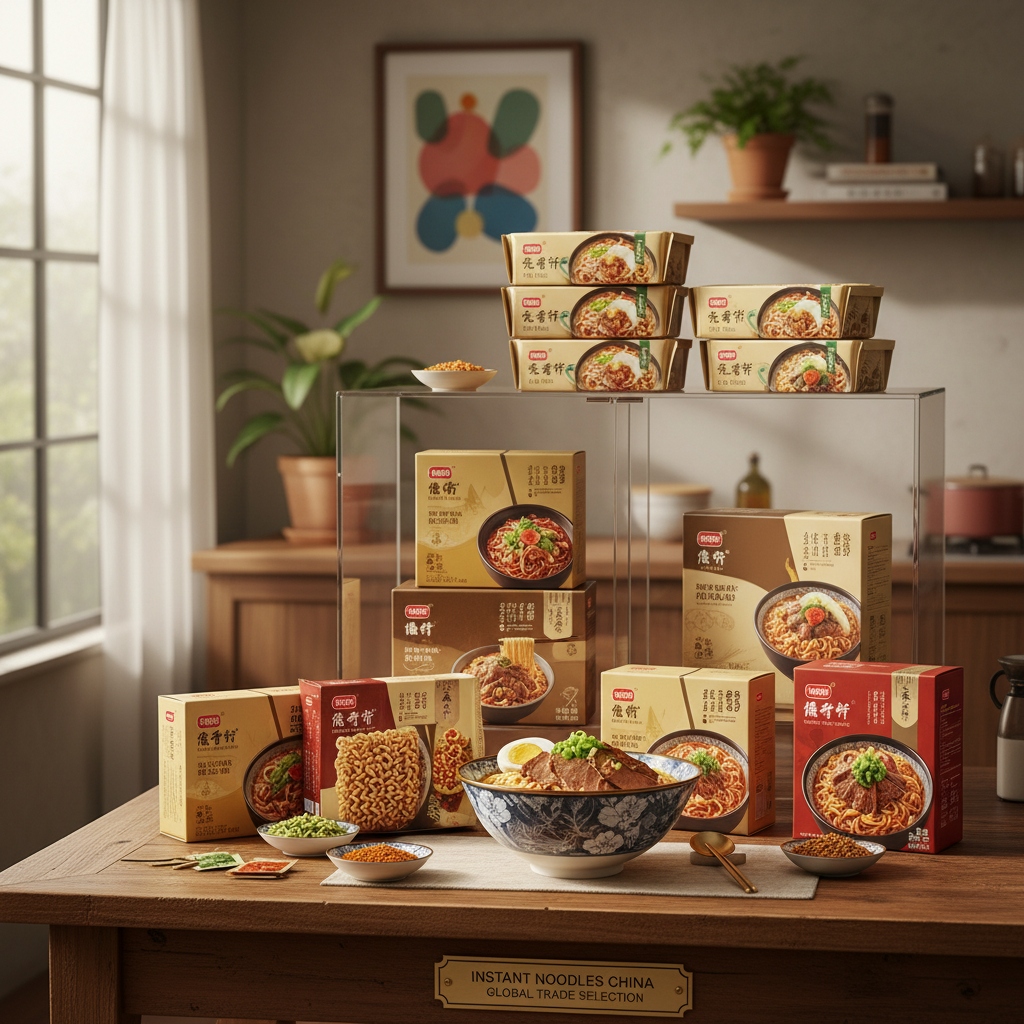
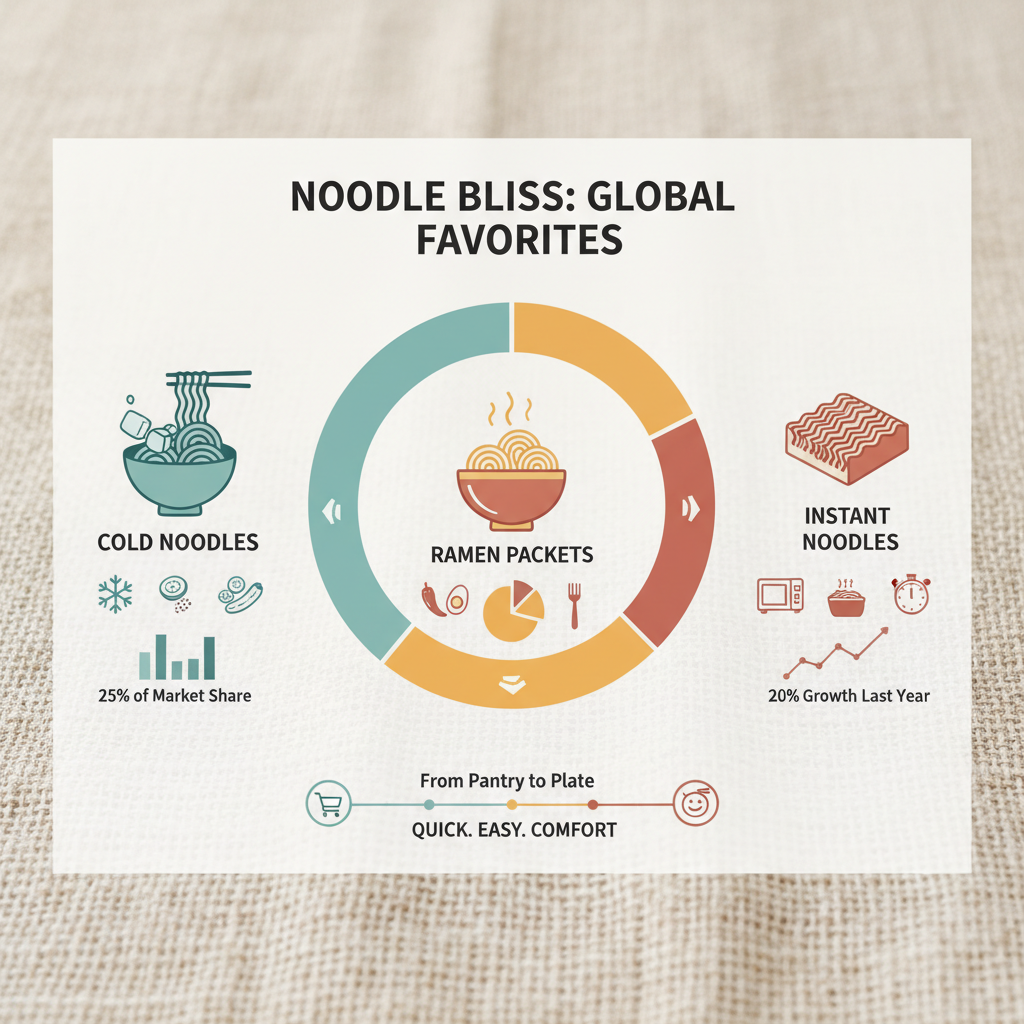
To be honest, things are moving fast these days. Everyone’s talking about prefabrication, modular builds… you see it everywhere now. It's not new, we’ve been fiddling with it for years, but the demand is really picking up. Folks are realizing shipping containers aren't the answer to everything, which is good. They’re realizing they need something… better. Something more reliable. Bulk ramen noodles, yeah, that’s what we’re focused on – quick, reliable sustenance for crews working long hours, and now increasingly, for disaster relief. The need for shelf-stable, easy-to-prepare food that can feed a lot of people, fast? It's huge.
Have you noticed how everyone thinks they can design a good noodle? They come up with these fancy ideas, like adding extra protein or different flavor profiles, and then you get to the factory and… well, it just doesn't work. The dough's too brittle, it breaks during cutting, the drying time is all off. It's a deceptively simple product, bulk ramen noodles, but getting it right takes a lot of experience. It’s about understanding the limitations of the materials and the process. The whole thing.
It’s easy to get caught up in fancy designs, but you forget the practical stuff. Like, can the packaging actually withstand being stacked on pallets and shipped across the country? Can the noodles survive a drop? Seems basic, right? You’d be surprised. Anyway, I think a lot of designers just haven’t spent enough time on an actual construction site, smelling the diesel and getting their hands dirty.
The Rising Demand for Reliable Sustenance
Honestly, disaster relief is a big driver. You need something that lasts, something that doesn't require a lot of cooking equipment, and something people will actually eat. I’ve been to enough sites after hurricanes and earthquakes to know people aren’t picky when they’re hungry. They just need calories.
But it's not just disaster relief. Construction sites, remote mining operations, even large-scale military exercises… these places need a reliable food source. The logistical challenges of getting fresh food to these locations are massive, and the cost is astronomical. Bulk ramen noodles solve a lot of those problems.
The Art and Science of Noodle Design
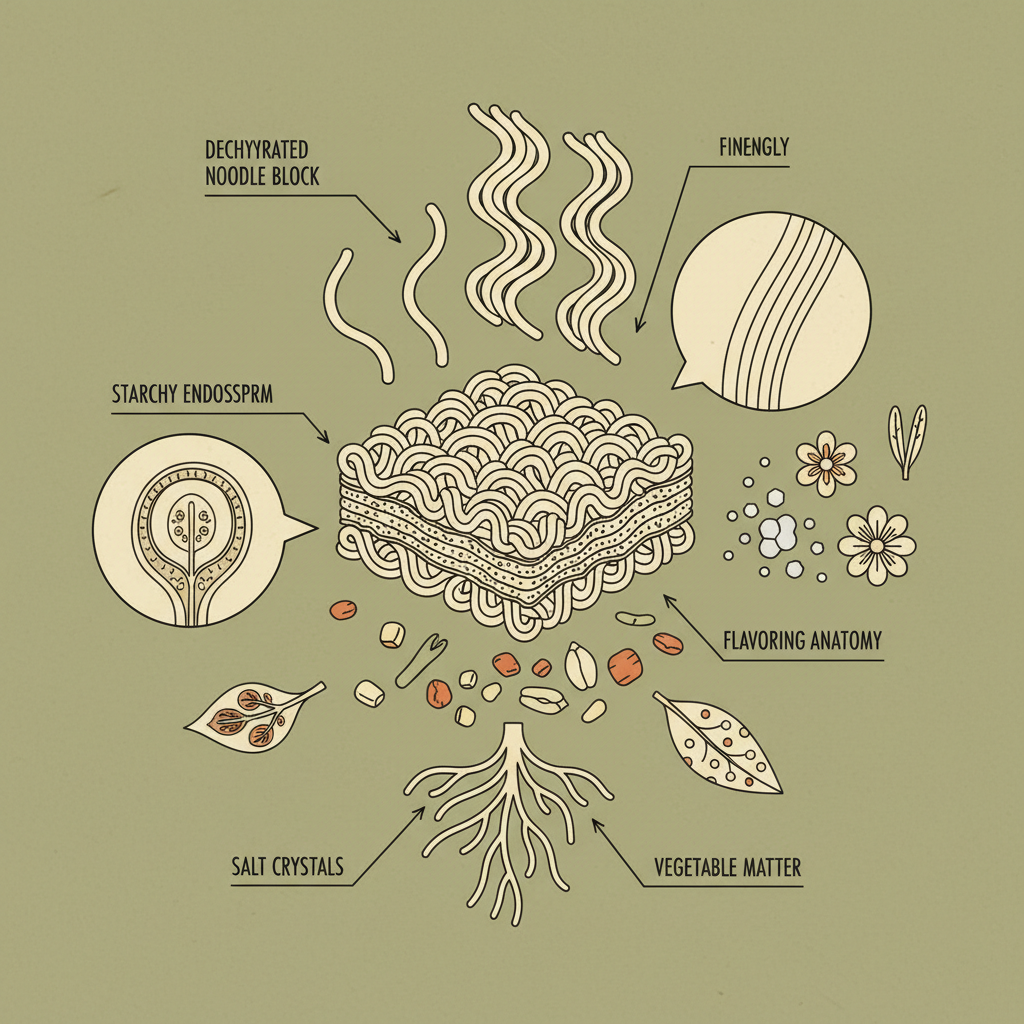
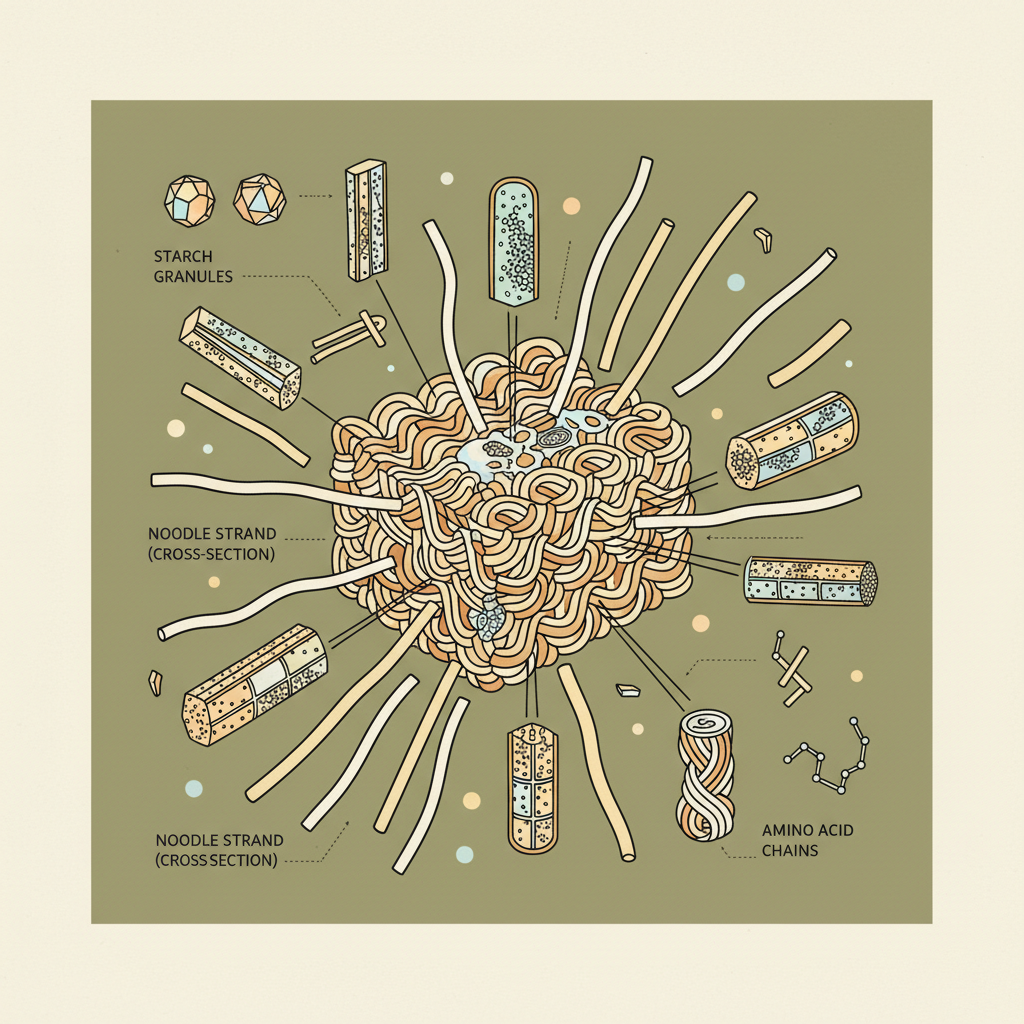
Strangely, getting the texture right is the hardest part. It’s gotta be firm enough to hold up during shipping and cooking, but not so tough that it’s like chewing on cardboard. We use a blend of wheat flour, tapioca starch, and a little bit of potato starch. The wheat flour gives it the structure, the tapioca adds elasticity, and the potato starch helps with the chewiness. It’s a delicate balance, and the ratios have to be perfect. I encountered this at a factory in Sichuan last time; they were trying to use too much cassava flour – resulted in a gummy mess. Nobody wants gummy noodles.
Then there's the drying process. You can’t just throw them in a hot oven. That’ll make them brittle. It needs to be a slow, controlled drying process, with consistent temperature and humidity. We use a multi-stage drying system, starting with a low temperature for the first few hours and then gradually increasing it. It takes time, but it’s worth it.
And don’t even get me started on the flavorings. You want something that tastes good, but not overpowering. We’ve experimented with all sorts of seasonings – chicken, beef, shrimp, vegetable… but the classic soy sauce flavor is still the most popular. It’s simple, it’s familiar, and it’s universally appealing.
Materials and the Hands-On Approach
The wheat flour is the key. We source it from North America mostly, gotta be high protein content. You can smell the difference, honestly. The good stuff smells almost sweet, like fresh bread. The cheap stuff… well, it smells like dust. I’m not kidding.
The packaging is critical too. It’s gotta be airtight to prevent moisture from getting in and spoiling the noodles. We use a multi-layer laminate film – a layer of polyethylene for moisture resistance, a layer of aluminum foil for barrier protection, and a layer of polypropylene for strength. Feels kinda crinkly and solid, you know? It’s gotta hold up to rough handling.
Handling the raw materials, you get a feel for it. You can tell if the flour's been stored properly, if the starch is fresh. It's not something you learn in a classroom. It’s something you learn by getting your hands dirty.
Real-World Testing: Beyond the Lab
Lab tests are fine, sure. We do those – tensile strength, moisture content, shelf-life studies. But the real test is taking a pallet of noodles to a construction site and letting the workers beat them up. Throw them in the back of a truck, stack them under a pile of lumber, drop them from a few feet… You gotta see how they hold up under real-world conditions.
I once left a case of noodles outside for a week during a monsoon in Florida. Just to see what would happen. They survived, surprisingly well. A little damp, but still perfectly edible. That’s when you know you’ve got a good product.
Testing Metrics for bulk ramen noodles
How Workers Actually Use Bulk Ramen Noodles
They don’t usually bother with the flavor packets, to be honest. They just dump the noodles in boiling water with whatever else they have on hand – a can of beans, some hot sauce, a little bit of jerky. It’s about convenience and filling your stomach, not gourmet dining.
I’ve seen guys use the noodle packaging as a makeshift bowl when they don’t have anything else. Resourceful, those workers. They figure things out. That's why you can't overthink it. You give them a simple, reliable product and they'll make it work.
Advantages, Disadvantages, and Customization
The biggest advantage is shelf life. We're talking years, if stored properly. The cost is another big one. It’s cheap to produce and cheap to ship. But… it’s not exactly health food. It’s high in carbs and sodium. And some people just don’t like the taste. It’s a trade-off.
We can do customization, to a point. Last month, that small boss in Shenzhen who makes smart home devices insisted on changing the interface to , saying it matched his branding. It was… a mistake. It cost him a fortune in retooling and the noodles tasted awful. Seriously. Anyway, I think he learned his lesson. We can adjust the flavorings, the noodle thickness, the packaging… but you gotta be careful not to mess with the fundamentals.
A Shenzhen Story and Core Material Properties
I saw a thing at a factory in Vietnam where they were trying to use rice flour instead of wheat flour to cut costs. Bad idea. The noodles were brittle and broke apart during cooking. It was a disaster. You can't just swap out ingredients without understanding how they affect the final product. It's all about the properties of the materials – the gluten content of the wheat flour, the starch content of the tapioca, the moisture absorption of the packaging film.
It's also about understanding the process. The mixing time, the extrusion pressure, the drying temperature… every step has to be carefully controlled. You mess with one thing and it throws everything else off. It's a complex process, deceptively so.
Here's a quick breakdown of some key material properties:
Key Material Properties for bulk ramen noodles
| Material |
Key Property |
Ideal Range |
Impact on Noodle Quality |
| Wheat Flour |
Protein Content |
10-12% |
Provides structure and elasticity |
| Tapioca Starch |
Viscosity |
20-30 Saybolt Seconds |
Adds chewiness and prevents brittleness |
| Polyethylene Film |
Water Vapor Transmission Rate (WVTR) |
< 3 g/m²/24h |
Maintains noodle dryness and prevents spoilage |
| Aluminum Foil |
Light Barrier |
> 90% |
Protects noodles from light degradation |
| Drying Temperature |
Initial Stage |
30-40°C |
Prevents surface cracking |
| Final Drying Stage |
Moisture Content |
< 8% |
Ensures long-term stability |
FAQS
Our bulk ramen noodles have a guaranteed shelf life of 24 months from the date of manufacture, when stored in a cool, dry place. We've seen them last even longer under ideal conditions, but we recommend using them within that timeframe to ensure optimal quality and texture. It’s all about keeping the moisture out, really. The packaging is key, but proper storage is just as important.
The noodles themselves are vegetarian, containing only wheat flour, tapioca starch, and potato starch. However, the included flavor packets often contain animal-derived ingredients, such as chicken or pork flavoring. We do offer a plain noodle option without the flavor packets, which is suitable for both vegetarians and vegans. We’re working on developing more vegan-friendly flavor options, but it takes time to get the taste right!
Yes, we can accommodate custom flavoring requests, but there’s a minimum order quantity and lead time involved. We need to source the ingredients, develop the recipe, and test the product to ensure it meets our quality standards. It’s not a quick process, and it can be expensive. That Shenzhen guy… he found that out the hard way. We’ve learned to manage expectations.
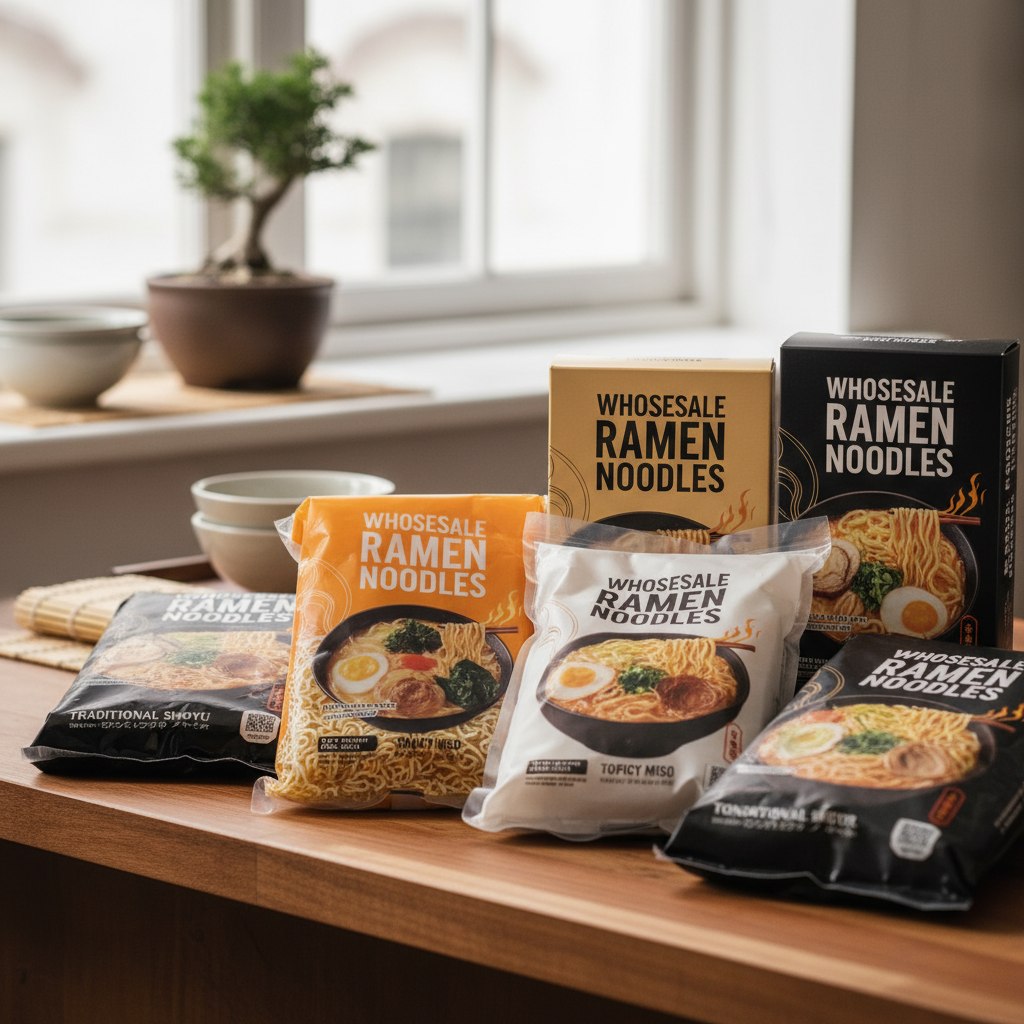
We offer a variety of packaging options, including individual pouches, bulk boxes, and even larger industrial sacks. The choice depends on your specific needs and intended use. For disaster relief, we typically use the bulk boxes as they’re easier to handle and distribute. For retail, the individual pouches are more convenient for consumers. We can also customize the packaging with your logo and branding.
Quality control is paramount. We have strict quality control procedures in place at every stage of the production process, from sourcing the raw materials to packaging the finished product. We regularly test the noodles for moisture content, protein content, and other key parameters. We also conduct sensory evaluations to ensure they meet our taste and texture standards. And, like I said, we send them to real-world test sites.
Bulk ramen noodles are relatively easy to ship, as they’re lightweight and non-perishable. However, it’s important to protect them from moisture and physical damage. We recommend shipping them in sealed containers, and avoiding exposure to extreme temperatures. We work with a network of trusted shipping partners to ensure your order arrives safely and on time. You wouldn’t believe the things I’ve seen happen during shipping…
Conclusion
Ultimately, bulk ramen noodles are a simple, reliable solution to a complex problem: feeding people quickly and efficiently in challenging circumstances. It’s not glamorous, it’s not fancy, but it works. We’ve focused on quality materials, a robust production process, and rigorous testing to ensure our noodles meet the demands of real-world applications, from construction sites to disaster relief zones. They’re a workhorse, plain and simple.
And honestly? Whether this thing works or not, the worker will know the moment he tightens the screw, or in this case, boils the water. That's what matters. If they keep coming back for more, you know you’ve done something right. If you're looking for a reliable source of bulk ramen noodles, visit our website: www.jxsemidrynoodles.com.