Bagged noodles represent a significant advancement in convenient and accessible food solutions globally. From bustling urban centers to remote disaster zones, these pre-portioned, easily prepared meals offer a crucial food security solution, bridging gaps in traditional food supply chains. The simplicity of preparation – requiring only boiling water – makes them invaluable in situations where cooking facilities are limited or non-existent. Understanding the nuances of bagged noodles, from their production to their diverse applications, is paramount in addressing modern food challenges.
The global demand for quick and affordable food options continues to rise, driven by factors like increasing urbanization, busy lifestyles, and growing concerns about food security. Bagged noodles have emerged as a cornerstone of this market, particularly in regions facing economic hardship or logistical challenges. Innovations in packaging, ingredient sourcing, and nutritional content are continually evolving the industry, making bagged noodles a dynamic and impactful component of the global food landscape.
Furthermore, the scalability and cost-effectiveness of producing and distributing bagged noodles make them uniquely suited for large-scale humanitarian aid efforts. They provide a readily available and relatively nutritious food source for populations affected by natural disasters, conflict, or famine, offering a vital lifeline when it’s needed most.
Introduction to Bagged Noodles
Bagged noodles have transcended their initial image as a simple convenience food to become a critical element in addressing global food security and emergency response. Their shelf-stable nature, coupled with ease of preparation, makes them ideal for distribution in areas with limited infrastructure. The evolution of bagged noodle formulations has also led to improvements in nutritional value, catering to a wider range of dietary needs.
Beyond immediate relief, bagged noodles play a crucial role in providing sustenance to vulnerable populations in developing countries, acting as an affordable and readily available source of carbohydrates and essential nutrients. This makes them a fundamental part of many food aid programs and a crucial component in combating malnutrition, especially in regions prone to recurring crises.
Defining Bagged Noodles
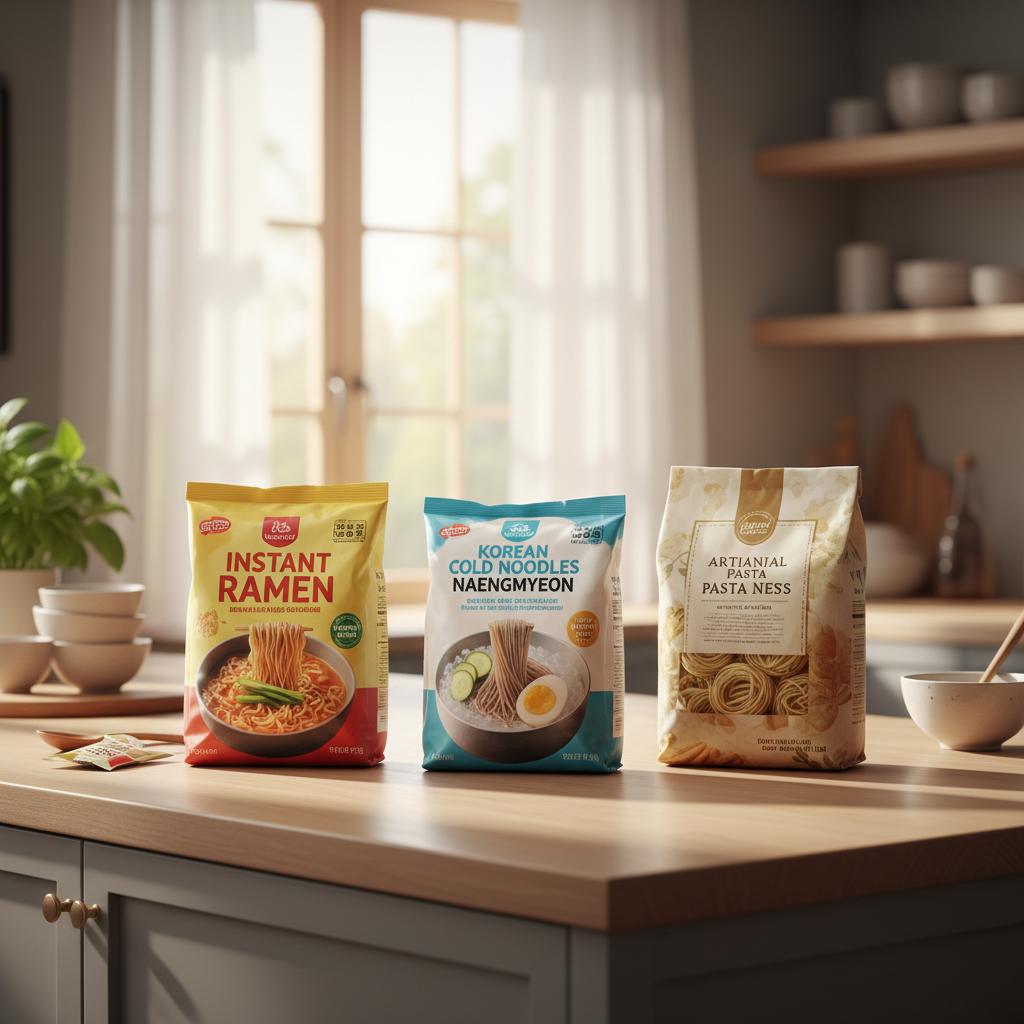
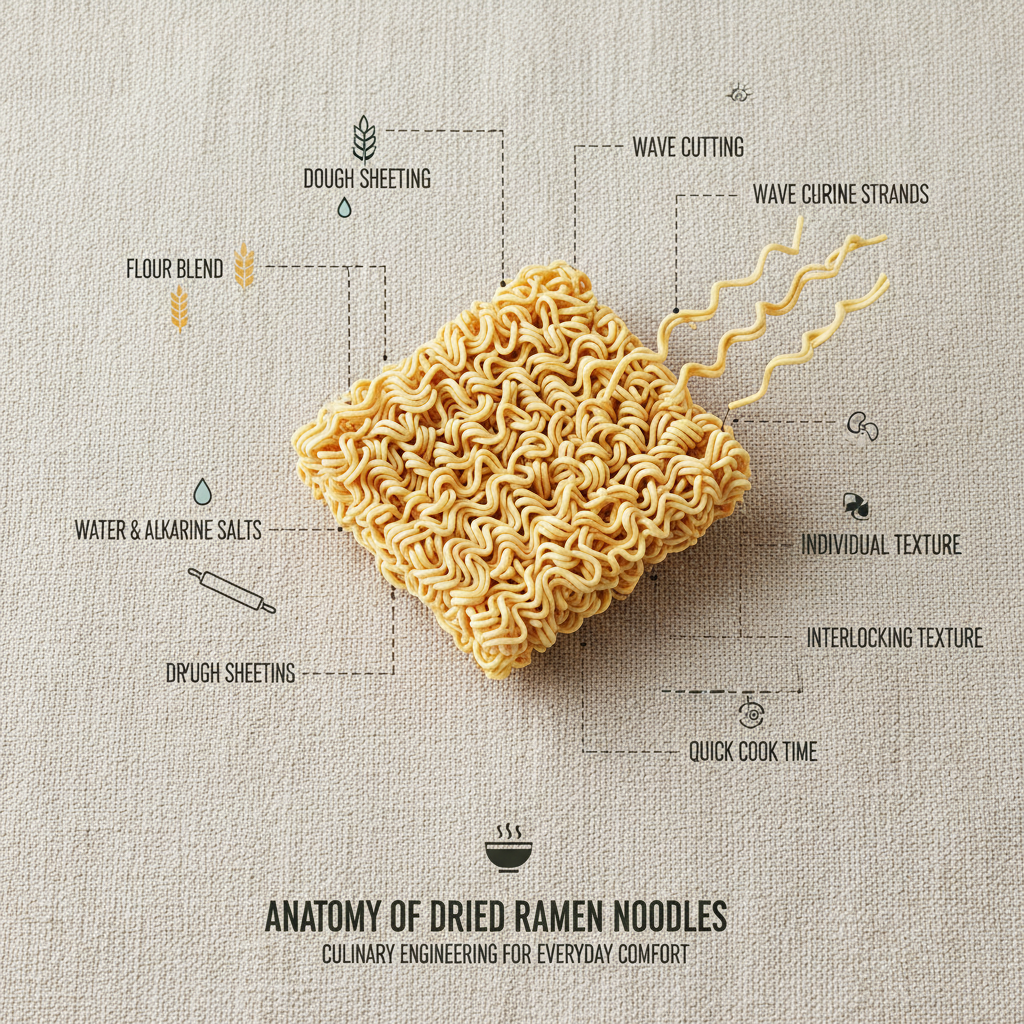
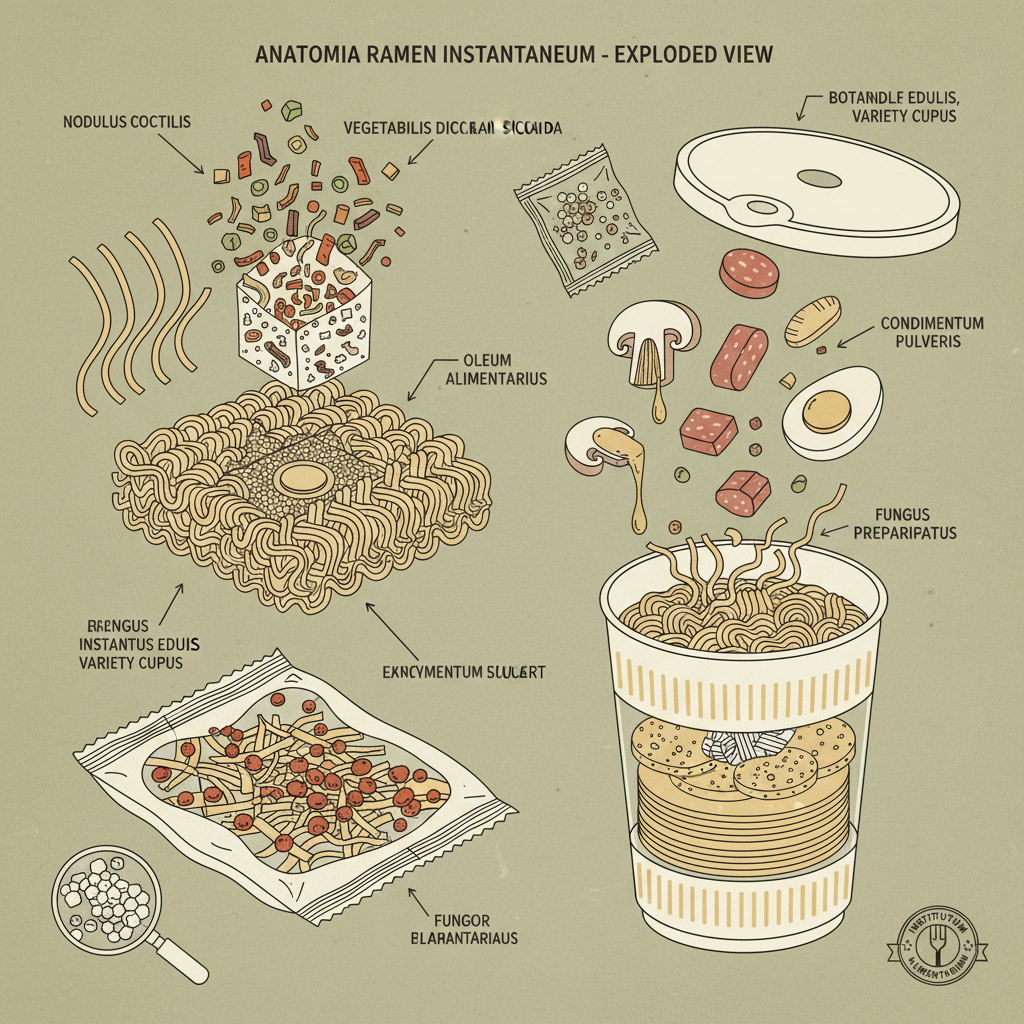
Bagged noodles, in their simplest form, are dried noodle strands, typically made from wheat flour, packaged in individual serving sizes. These noodles are often pre-seasoned with flavorings, seasonings, and sometimes dehydrated vegetables, requiring only boiling water for preparation. The packaging is designed to be lightweight, durable, and airtight, ensuring a long shelf life and protecting the contents from contamination.
Their connection to modern industry lies in efficient mass production techniques, advanced packaging materials, and streamlined supply chains. The development of retort pouch technology, for example, has significantly extended the shelf life of bagged noodles and facilitated their global distribution. In terms of humanitarian needs, they represent a cost-effective and practical solution for providing calories and basic nutrition to populations facing food scarcity.
Furthermore, the versatility of the product allows for customization – manufacturers can adapt formulations to meet specific dietary requirements or cultural preferences, making bagged noodles a truly adaptable food solution on a global scale.
Core Components of Bagged Noodles
Several key factors contribute to the widespread utility of bagged noodles. Firstly, Durability is paramount. The packaging must withstand rough handling during transportation and storage, ensuring the noodles remain edible and uncompromised. Secondly, Scalability in production is crucial to meet the demands of both commercial markets and emergency aid organizations. Efficient manufacturing processes and readily available raw materials are essential.
Thirdly, Cost Efficiency makes bagged noodles accessible to low-income populations and enables large-scale procurement for humanitarian efforts. Minimizing production costs without sacrificing quality is a significant challenge. Fourthly, Ease of Preparation simplifies consumption, requiring minimal resources and skills. This is particularly important in situations where cooking facilities are limited. Finally, Nutritional Value, although historically a concern, is increasingly being addressed through fortification and the inclusion of healthier ingredients.
These components work in concert to deliver a readily available, affordable, and increasingly nutritious food solution that addresses diverse needs across the globe. Optimizing each component is vital for maximizing the impact of bagged noodles as a tool for food security and disaster relief.
Global Applications and Use Cases
Bagged noodles are utilized extensively in a variety of real-world contexts. In post-disaster relief operations, they are often among the first food items distributed to affected communities, providing immediate sustenance to those displaced or without access to cooking facilities. Organizations like the World Food Programme frequently include bagged noodles in their emergency food rations.
In remote industrial zones, such as mining camps or construction sites, they offer a quick and convenient meal for workers with limited access to traditional cooking facilities. They are also widely used in military rations due to their lightweight nature, long shelf life, and ease of preparation.
Furthermore, bagged noodles are a staple food in many developing countries, particularly in Asia and Africa, providing an affordable source of calories for millions of people. They are also increasingly popular as a quick meal option for students and busy professionals in urban areas worldwide.
Bagged Noodle Production Methods - Global Distribution
Advantages and Long-Term Value
The tangible benefits of utilizing bagged noodles are numerous. From a cost perspective, they provide an extremely affordable food source, especially when compared to alternative options requiring extensive preparation or refrigeration. In terms of sustainability, advancements in biodegradable packaging are reducing the environmental impact. The social impact is profound, providing immediate food security to vulnerable populations and aiding in disaster recovery.
Beyond the practical advantages, bagged noodles offer a sense of safety and dignity to those receiving aid, providing a familiar and comforting food source in times of crisis. Their reliability as a consistent food supply fosters trust between aid organizations and the communities they serve, and their continued innovation inspires confidence in their long-term viability.
Future Trends and Innovations
Several exciting trends are shaping the future of bagged noodles. The development of plant-based noodle alternatives is catering to the growing demand for vegetarian and vegan options. Furthermore, research into fortified noodles with enhanced nutritional profiles, including added vitamins and minerals, is addressing concerns about dietary deficiencies.
Digital transformation is also playing a role, with the implementation of blockchain technology to track the supply chain and ensure transparency and authenticity. Automation in production processes is increasing efficiency and reducing costs, while sustainable packaging solutions are minimizing environmental impact.
Challenges and Solutions
Despite their advantages, bagged noodles face certain challenges. Concerns about the nutritional value of traditional formulations, often high in sodium and carbohydrates, remain a significant issue. The reliance on single-use plastic packaging also contributes to environmental pollution.
Solutions include developing healthier noodle formulations with reduced sodium content and increased protein and fiber. Investing in biodegradable and compostable packaging materials is crucial for minimizing environmental impact. Furthermore, promoting local sourcing of ingredients can support sustainable agriculture and reduce transportation costs.
Addressing these challenges will require collaboration between manufacturers, researchers, and policymakers to ensure that bagged noodles continue to be a viable and sustainable food solution for the future.
Summary of Challenges & Solutions in Bagged Noodle Production
| Challenge Area |
Severity (1-10) |
Proposed Solution |
Implementation Cost (USD) |
| Nutritional Deficiency |
8 |
Fortification with Vitamins & Minerals |
50,000 |
| Plastic Packaging Waste |
9 |
Biodegradable/Compostable Packaging |
100,000 |
| Sodium Content |
7 |
Reduced Sodium Formulations |
25,000 |
| Supply Chain Transparency |
6 |
Blockchain Implementation |
75,000 |
| Production Efficiency |
5 |
Automation of Processes |
150,000 |
| Local Sourcing of Ingredients |
4 |
Establish Relationships with Local Farmers |
10,000 |
FAQS
The shelf life of bagged noodles generally ranges from 6 to 24 months, depending on the packaging material and storage conditions. Properly sealed packages stored in a cool, dry place will maintain optimal quality for the longest duration. Always check the “best before” date printed on the packaging. Factors like humidity and temperature fluctuations can affect the longevity of the product, so proper storage is crucial for maximizing its usability, especially in emergency situations where a reliable food source is paramount.
Traditionally, bagged noodles were often criticized for their limited nutritional value, primarily providing carbohydrates with minimal protein or vitamins. However, many manufacturers are now fortifying their products with essential nutrients. While not a complete meal on their own, fortified bagged noodles can contribute to daily nutritional intake. It’s advisable to supplement them with other food sources, such as fruits, vegetables, or protein-rich foods, for a balanced diet.
The packaging of bagged noodles is designed to withstand a wide range of temperatures. The sealed packaging protects the noodles from moisture and air, minimizing degradation during transport. While extreme temperatures may slightly affect the flavor or texture, the noodles generally remain safe to eat. They can withstand freezing temperatures without significant damage and are stable in hot climates, making them ideal for deployment in diverse geographical regions.
The traditional packaging for bagged noodles often utilizes plastic, which contributes to environmental pollution. However, there is a growing trend toward more sustainable packaging options, such as biodegradable or compostable materials. Some manufacturers are also exploring the use of recycled plastics and reducing the overall amount of packaging used. Consumers can also play a role by properly disposing of packaging waste and supporting brands committed to sustainable practices.
Bagged noodles commonly contain wheat, which is an allergen for individuals with gluten intolerance or celiac disease. Additionally, flavorings and seasonings may contain other allergens, such as soy, peanuts, or shellfish. Always carefully review the ingredient list on the packaging before consuming bagged noodles, especially if you have known allergies. Manufacturers are increasingly offering gluten-free and allergen-free options to cater to diverse dietary needs.
Bagged noodles are a staple in emergency disaster relief efforts due to their long shelf life, ease of preparation, and affordability. They are quickly deployable to areas affected by natural disasters, providing immediate sustenance to displaced populations. Aid organizations often include them in food rations, alongside other essential supplies. The simplicity of preparation – requiring only boiling water – makes them invaluable when cooking facilities are limited or unavailable.
Conclusion
In conclusion, bagged noodles represent a remarkable intersection of convenience, affordability, and global food security. From their humble beginnings as a quick meal option, they have evolved into a vital tool for addressing hunger, providing disaster relief, and supporting vulnerable populations worldwide. Their durability, scalability, and ease of preparation make them uniquely suited for challenging environments and large-scale distribution. The ongoing innovation in formulation, packaging, and sustainability promises to further enhance their role in building a more food-secure future.
Looking ahead, continued investment in research and development, coupled with a commitment to sustainable practices, will be essential for maximizing the benefits of bagged noodles. Collaboration between manufacturers, aid organizations, and policymakers will drive further innovation and ensure that this valuable food source continues to reach those who need it most. For more information and to explore our range of products, visit our website: www.jxsemidrynoodles.com