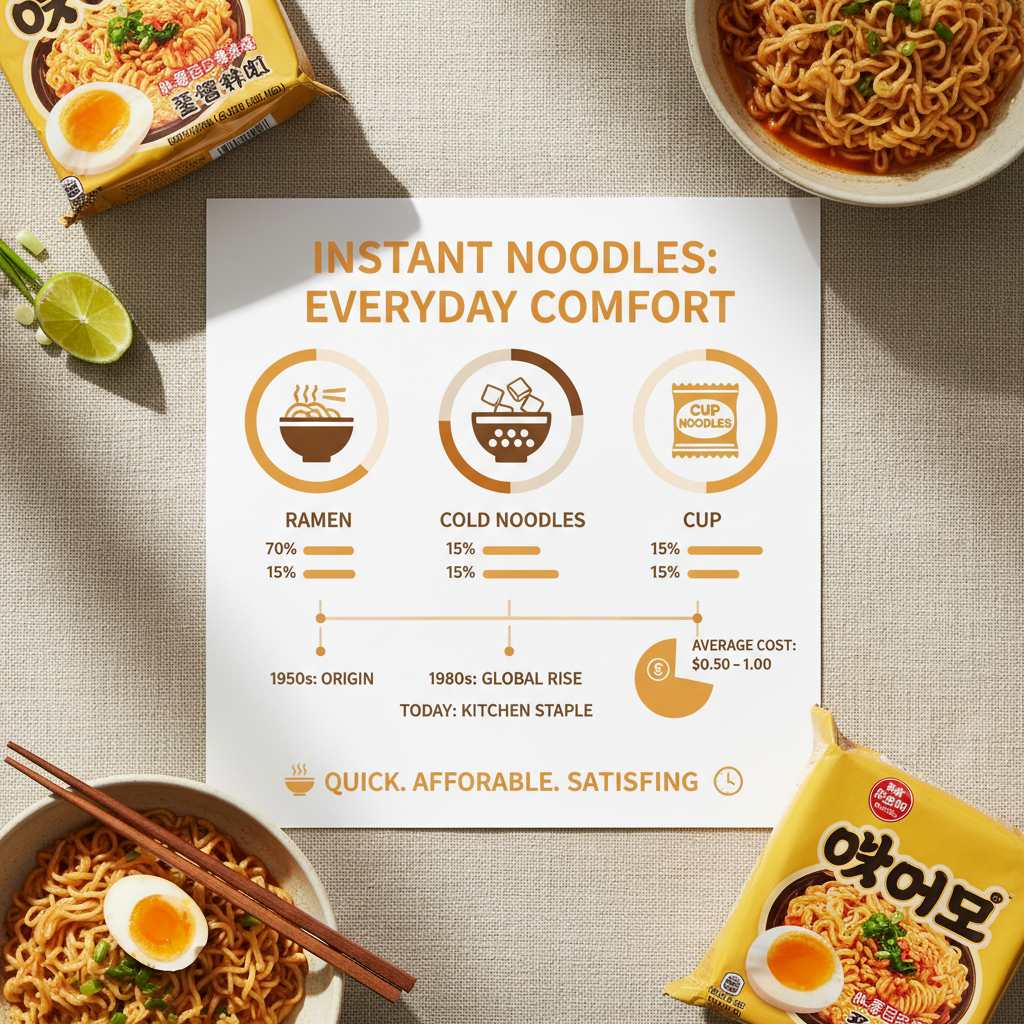
Cheap instant noodles represent a globally accessible and affordable food source, evolving from a post-war convenience to a staple in diets worldwide. Their significance extends beyond mere sustenance, offering a readily available option during times of crisis, economic hardship, or simply for a quick meal. Understanding the production, distribution, and impact of cheap instant noodles is crucial in addressing global food security and nutritional challenges, particularly within vulnerable populations.
The demand for cheap instant noodles is driven by factors like urbanization, increasing disposable incomes in developing nations, and busy lifestyles. They are particularly popular in Asia, Africa, and increasingly, in Western countries, serving as a budget-friendly alternative to more elaborate meals. However, concerns about nutritional value and potential health impacts necessitate ongoing research and development to create healthier and more sustainable options.
This exploration delves into the multifaceted world of cheap instant noodles, examining their key characteristics, applications, advantages, future trends, and challenges. From humanitarian aid distribution to everyday convenience, understanding the role of these noodles is vital in a world grappling with food access and affordability.
The Significance of Cheap Instant Noodles
Cheap instant noodles are more than just a convenient meal; they represent a crucial element in global food systems. Their affordability makes them accessible to a wide range of consumers, particularly in developing countries where food insecurity is a significant concern. The noodles’ long shelf life and ease of preparation are invaluable in emergency situations and disaster relief efforts, providing a readily available source of calories.
The proliferation of cheap instant noodles is intricately linked to socio-economic factors. They serve as a cost-effective food option for low-income households and a quick solution for individuals with limited time for meal preparation. This widespread adoption has established them as a cultural phenomenon in many parts of the world, influencing dietary habits and consumer preferences.
Defining Cheap Instant Noodles
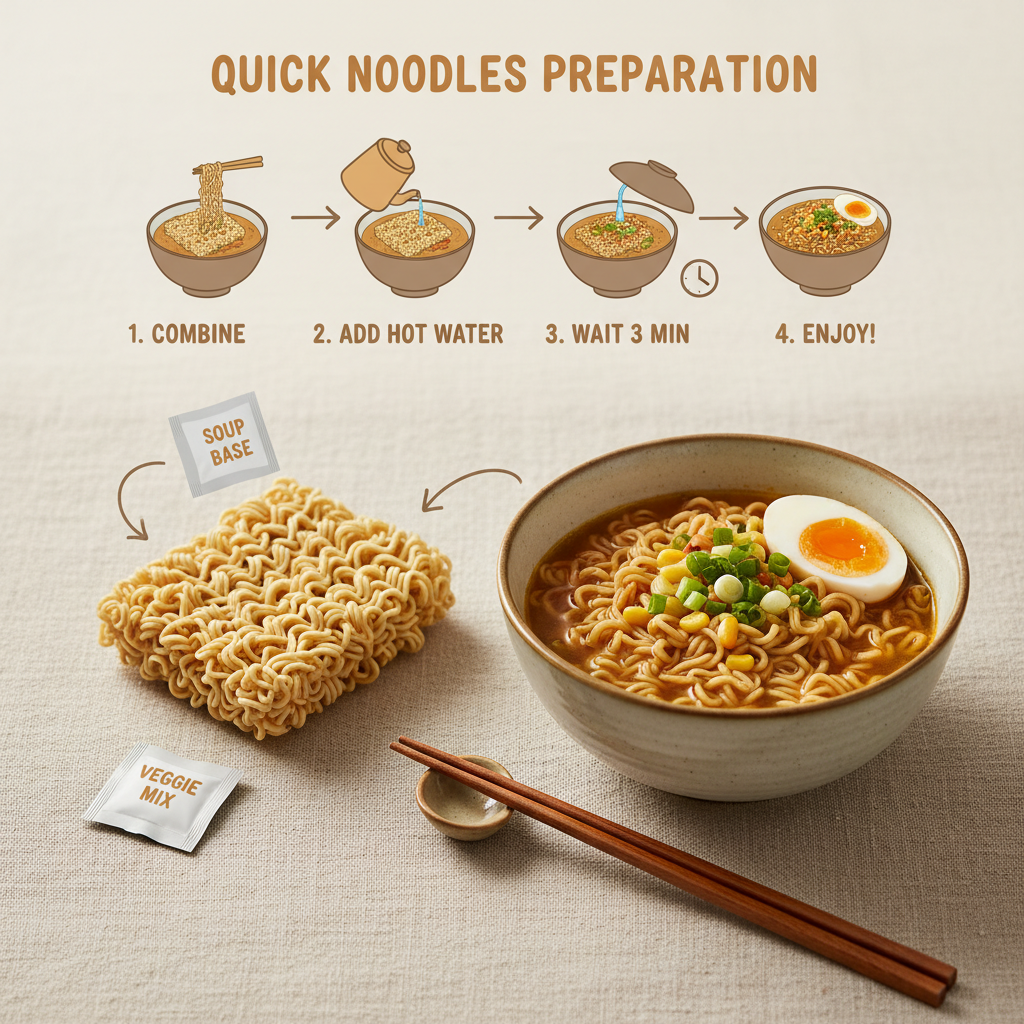
Cheap instant noodles are pre-cooked, dried noodles packaged with seasoning powders and often dehydrated vegetables or meat. The defining characteristic is their quick preparation – typically requiring only boiling water – making them a convenient and readily available food option. The noodles themselves are primarily made from wheat flour, though variations using rice or other starches exist.
Their connection to modern industry lies in mass production techniques and sophisticated packaging. The ability to produce large quantities of noodles at a low cost, combined with efficient distribution networks, has made them a globally accessible commodity. This efficiency is crucial for addressing food security concerns and providing emergency food assistance.
In the context of humanitarian needs, cheap instant noodles often serve as a first response food aid due to their portability, long shelf life, and nutritional value (albeit limited). Organizations rely on them to quickly provide sustenance to affected populations in disaster zones or areas experiencing food shortages, offering a vital lifeline during critical times.
Core Components and Characteristics
The core of cheap instant noodles lies in their simplicity and functionality. The primary component, the noodle itself, undergoes a steaming and frying process to achieve its characteristic texture and extended shelf life. This process significantly reduces moisture content, inhibiting microbial growth and allowing for prolonged storage. The seasoning packets, containing flavor enhancers and nutritional additives, complete the package.
Crucially, these noodles possess several key characteristics: affordability, convenience, portability, and a long shelf life. These attributes make them ideally suited for a variety of applications, from quick meals for busy individuals to emergency food rations. The manufacturing process is also highly scalable, allowing for mass production to meet global demand.
However, it’s important to acknowledge inherent limitations. While convenient, cheap instant noodles often lack essential nutrients and can be high in sodium and processed ingredients. Ongoing innovation focuses on addressing these nutritional shortcomings and improving the overall health profile of the product, without sacrificing affordability or convenience.
Key Factors for Optimal Performance
Durability is paramount. Cheap instant noodles must withstand varying storage conditions and transportation stresses. Packaging plays a critical role, protecting the noodles from moisture, physical damage, and contamination. This is especially important for distribution in challenging environments.
Cost efficiency is, naturally, a driving factor. Maintaining a low production cost is essential to ensure accessibility to low-income consumers. This necessitates efficient sourcing of raw materials, optimized manufacturing processes, and streamlined distribution networks.
Cheap Instant Noodle Quality Analysis
Global Applications and Real-World Use Cases
In post-disaster relief operations, cheap instant noodles are frequently included in emergency food supplies due to their ease of preparation and long shelf life. Organizations like the World Food Programme and Red Cross often utilize them to provide immediate sustenance to affected populations following natural disasters.
In remote industrial zones or military outposts, where access to fresh food is limited, cheap instant noodles offer a practical and affordable meal solution for workers and personnel. Their portability and minimal preparation requirements make them ideal for these environments.
Furthermore, within urban settings, cheap instant noodles are widely consumed by students, individuals with limited cooking facilities, and those seeking a quick and convenient meal option. They've become an ingrained part of many cultures’ fast food landscape, available in diverse flavors and varieties.
Advantages and Long-Term Value Proposition
The primary advantage of cheap instant noodles is their cost-effectiveness. They provide a substantial caloric intake at a significantly lower price point than many other food options, making them accessible to a broader population. This affordability contributes to food security, particularly in regions facing economic challenges.
Beyond cost, their long shelf life reduces food waste and simplifies logistics. This is particularly valuable in disaster relief and for maintaining food stockpiles. The convenience factor—requiring only boiling water for preparation—adds to their appeal and practicality, offering a quick meal for busy individuals.
Future Trends and Innovations in Cheap Instant Noodles
Innovation is focusing on improving the nutritional profile of cheap instant noodles. Research is underway to incorporate higher levels of protein, vitamins, and minerals into the noodles and seasoning packets, addressing concerns about their limited nutritional value.
Sustainable packaging is another key area of development. Manufacturers are exploring biodegradable and compostable packaging materials to reduce environmental impact. Digital transformation is also playing a role, with companies utilizing data analytics to optimize production processes and supply chains, reducing waste and improving efficiency.
The emergence of plant-based and gluten-free options caters to evolving dietary preferences and allergies, expanding the market appeal of cheap instant noodles. These innovations aim to make this affordable food source a healthier and more sustainable option for consumers worldwide.
Future Trends and Innovations in Cheap Instant Noodles
Innovation is focusing on improving the nutritional profile of cheap instant noodles. Research is underway to incorporate higher levels of protein, vitamins, and minerals into the noodles and seasoning packets, addressing concerns about their limited nutritional value.
Sustainable packaging is another key area of development. Manufacturers are exploring biodegradable and compostable packaging materials to reduce environmental impact. Digital transformation is also playing a role, with companies utilizing data analytics to optimize production processes and supply chains, reducing waste and improving efficiency.
The emergence of plant-based and gluten-free options caters to evolving dietary preferences and allergies, expanding the market appeal of cheap instant noodles. These innovations aim to make this affordable food source a healthier and more sustainable option for consumers worldwide.
Summarizing Core Challenges and Solutions in Cheap Instant Noodle Production and Distribution
| Challenge Area |
Specific Issue |
Proposed Solution |
Implementation Difficulty (1-10) |
| Nutritional Value |
Low protein and vitamin content |
Fortification with vitamins and protein isolates |
6 |
| Sodium Content |
High sodium levels contribute to health risks |
Reduced sodium seasoning formulations |
7 |
| Packaging Waste |
Traditional packaging is non-biodegradable |
Transition to biodegradable or compostable materials |
8 |
| Supply Chain Efficiency |
Distribution bottlenecks in remote areas |
Optimized logistics and decentralized storage hubs |
5 |
| Price Volatility |
Fluctuations in wheat flour prices |
Diversification of starch sources (rice, potato) |
4 |
| Consumer Perception |
Negative perceptions regarding health and quality |
Marketing campaigns highlighting nutritional improvements |
6 |
FAQS
Regularly consuming cheap instant noodles can be linked to a higher intake of sodium, unhealthy fats, and processed carbohydrates. This can contribute to health issues like high blood pressure, increased risk of cardiovascular disease, and weight gain. Many varieties are also low in essential nutrients like protein, fiber, and vitamins, leading to nutritional deficiencies over time. It's important to consume them in moderation and balance with a healthy diet.
Yes, several alternatives offer better nutritional value at a comparable cost. Oatmeal, lentil soup, and beans with rice are all inexpensive and packed with fiber, protein, and essential vitamins. Preparing simple meals from scratch with affordable ingredients like eggs, vegetables, and whole grains is also a healthier and more cost-effective long-term solution. cheap instant noodles should be enjoyed as a convenience, but not a dietary staple.
The production of cheap instant noodles can have significant environmental impacts. Wheat farming requires substantial land and water resources, and the frying process consumes considerable energy. Packaging, often plastic-based, contributes to landfill waste. While some companies are exploring biodegradable packaging, the majority still relies on non-recyclable materials. Choosing brands committed to sustainable practices can help mitigate these impacts.
Cheap instant noodles generally have a shelf life of 6-12 months, and sometimes longer. This is achieved through a combination of processing techniques. The noodles are steamed, then fried to reduce moisture content, which inhibits microbial growth. The seasoning packets are dehydrated, and the packaging is designed to be airtight, further extending shelf life. Storage conditions also play a role – keeping them in a cool, dry place is essential.
Absolutely! Cheap instant noodles are heavily adapted to regional tastes and cuisines. In Southeast Asia, you'll find flavors like Pad Thai and Tom Yum, while in Mexico, you might encounter chili lime or chicken flavors. Japan, the origin of instant noodles, offers a wider array of traditional broth-based options. The seasoning packets are customized to reflect local culinary preferences, making the experience culturally relevant.
Several innovative approaches are gaining traction. Companies are exploring alternative packaging materials like seaweed-based or mushroom packaging. Researchers are investigating ways to reduce water usage during noodle production and developing more efficient frying techniques. Additionally, there's a growing focus on sourcing ingredients locally to reduce transportation emissions and support local farmers. cheap instant noodles are constantly evolving.
Conclusion
Cheap instant noodles have undeniably become a global food staple, offering affordability, convenience, and long shelf life. While nutritional concerns and environmental impacts are valid, ongoing innovation is addressing these challenges. From improved formulations to sustainable packaging, the future of cheap instant noodles lies in balancing accessibility with health and environmental responsibility.
Looking ahead, continued research and development, coupled with consumer awareness and responsible manufacturing practices, will be crucial. Embracing these advancements will ensure that cheap instant noodles remain a valuable component of global food systems, providing a readily available and affordable food source for generations to come. Visit our website for more information: www.jxsemidrynoodles.com