
Discover the Refreshing Taste of Japanese Cold Buckwheat Noodles and Zaru Soba
Exploring the Delicious World of Japanese Cold Buckwheat Noodles
Japanese cold buckwheat noodles, known as zaru soba or mori soba, are a refreshing and flavorful dish perfect for warmer weather. These noodles, made from buckwheat flour, offer a unique texture and delicate taste. Their popularity stems not only from their deliciousness but also their health benefits. This article will delve into the history, preparation, variations, and nutritional value of these iconic Japanese noodles, and why JX Semi-Dry Noodles offers a convenient way to enjoy them. Discover why zaru soba is a must-try culinary experience!
A History of Japanese Cold Buckwheat Noodles
Buckwheat noodles have a rich history in Japan, dating back centuries. Originally a staple food in mountainous regions where rice cultivation was difficult, buckwheat proved to be a resilient and nutritious crop. The practice of serving these noodles cold developed as a way to enjoy them during the hot summer months. Zaru soba, served on a bamboo draining basket (zaru), and mori soba, served on a plate, became popular ways to showcase the noodles' delicate flavor and texture. The tradition has endured, with variations appearing throughout the country, reflecting regional preferences and culinary innovations.
Key Highlights: Buckwheat noodles originated as a staple food in mountainous areas. Serving them cold became popular during summer months. Zaru soba and mori soba are the classic presentation methods.
Preparing Japanese Cold Buckwheat Noodles: A Step-by-Step Guide
While traditionally made from scratch, preparing Japanese cold buckwheat noodles can be simplified with pre-made options, like those offered by JX Semi-Dry Noodles. Here’s a general guide to preparation:
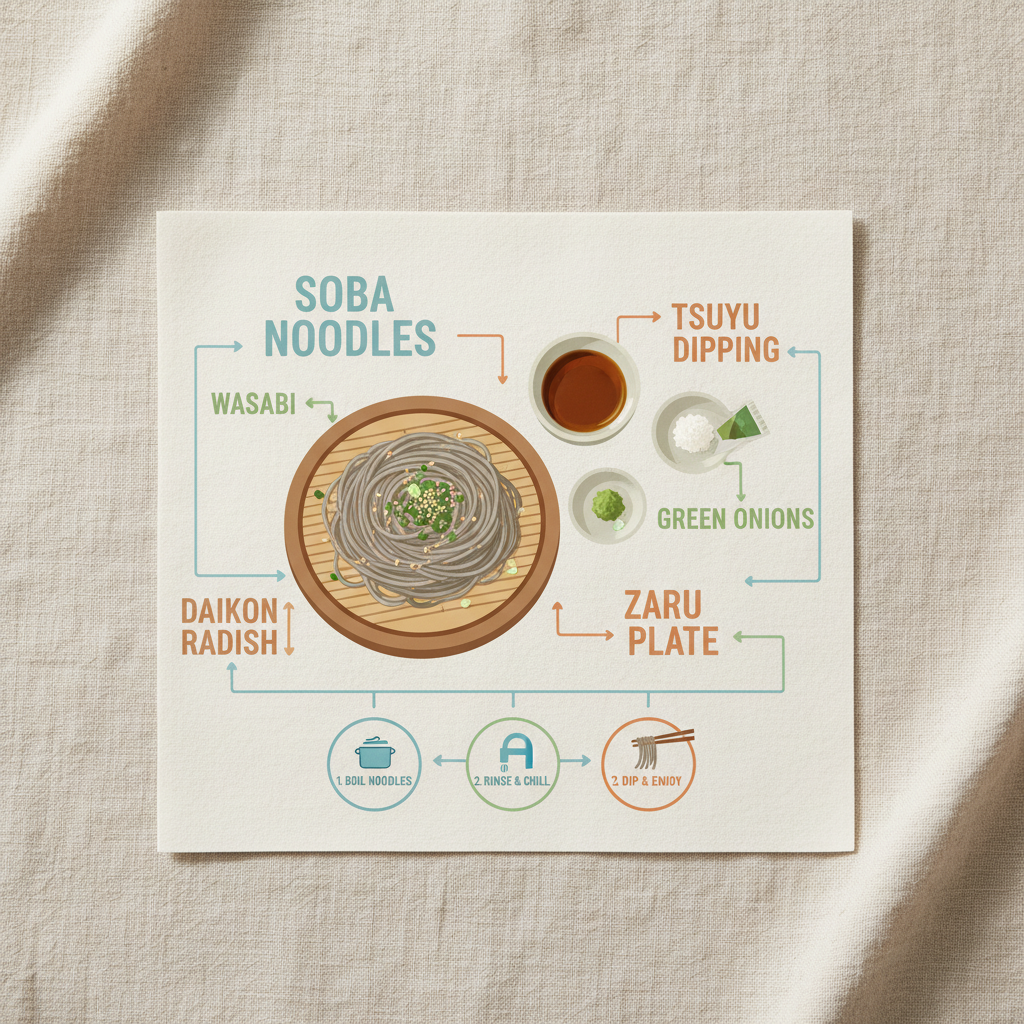
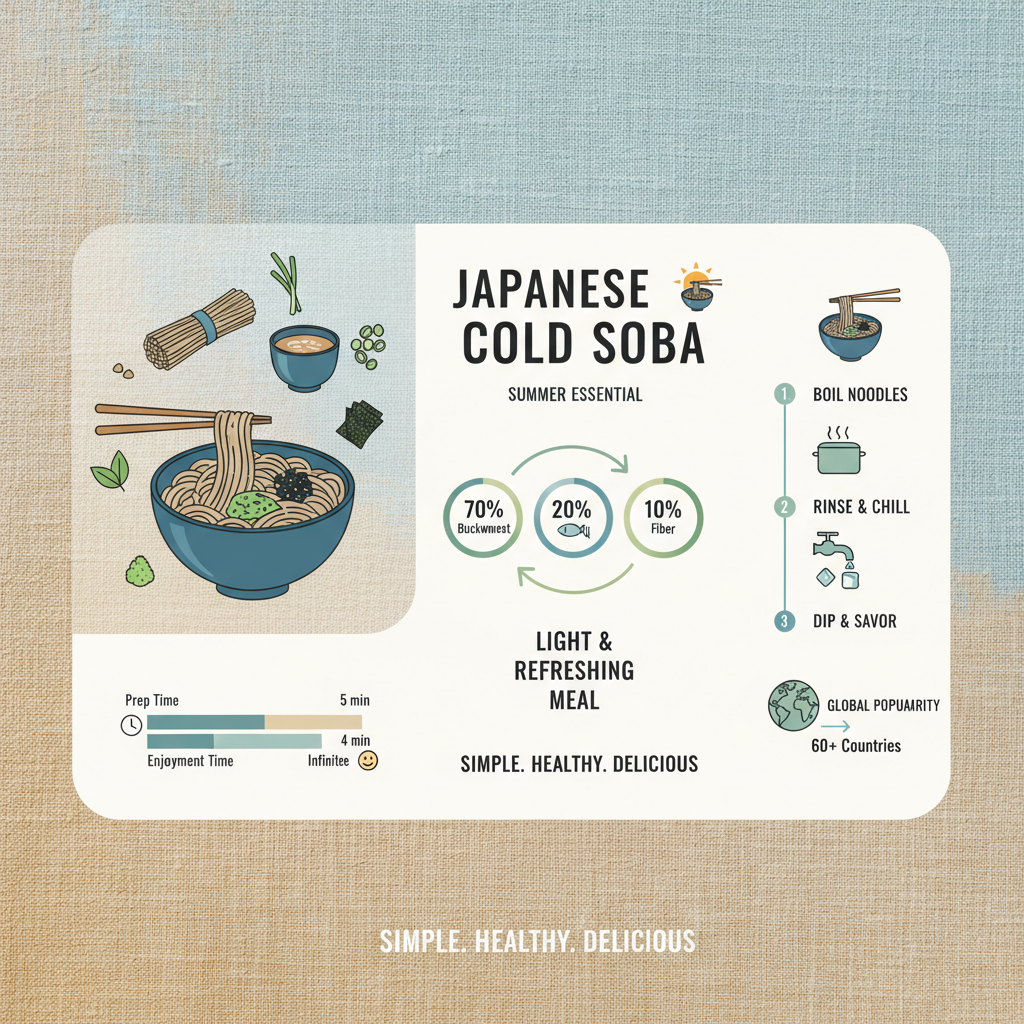
- Boil the Noodles: Bring a large pot of water to a boil. Cook the noodles according to package directions (usually 3-5 minutes).
- Shock in Cold Water: Immediately transfer the cooked noodles to a bowl of ice-cold water to stop the cooking process and firm up the texture.
- Drain and Arrange: Drain the noodles thoroughly. Arrange them neatly on a zaru (bamboo draining basket) or a plate.
- Prepare the Dipping Sauce (Tsuyu): Typically made from dashi, soy sauce, mirin, and sugar.
- Serve with Toppings: Common toppings include sliced scallions, wasabi, grated ginger, and tempura flakes.
Variations of Japanese Cold Buckwheat Noodles
While zaru soba and mori soba are the most common, there are several regional variations. Hiyamugi are thinner wheat noodles often served cold in a similar style. Tokoroten are incredibly thin, translucent noodles made from seaweed and served with a sweet and savory sauce. Different regions may also use unique dipping sauces or toppings, adding to the diversity of the dish. Experimenting with these variations can lead to a delightful culinary adventure.
Popular Variations:
• Zaru Soba: Served on a bamboo draining basket.
• Mori Soba: Served on a plate.
• Hiyamugi: Thin wheat noodles served cold.
• Tokoroten: Thin seaweed noodles.
Nutritional Benefits of Buckwheat Noodles
Buckwheat noodles aren't just delicious; they are also incredibly nutritious. Buckwheat is naturally gluten-free, making it a suitable option for those with gluten sensitivities. It’s a good source of protein, fiber, and essential amino acids. Additionally, buckwheat contains rutin, an antioxidant that may contribute to cardiovascular health. Compared to wheat noodles, buckwheat noodles often have a lower glycemic index, potentially aiding in blood sugar control.
Why Choose JX Semi-Dry Noodles for Your Zaru Soba?
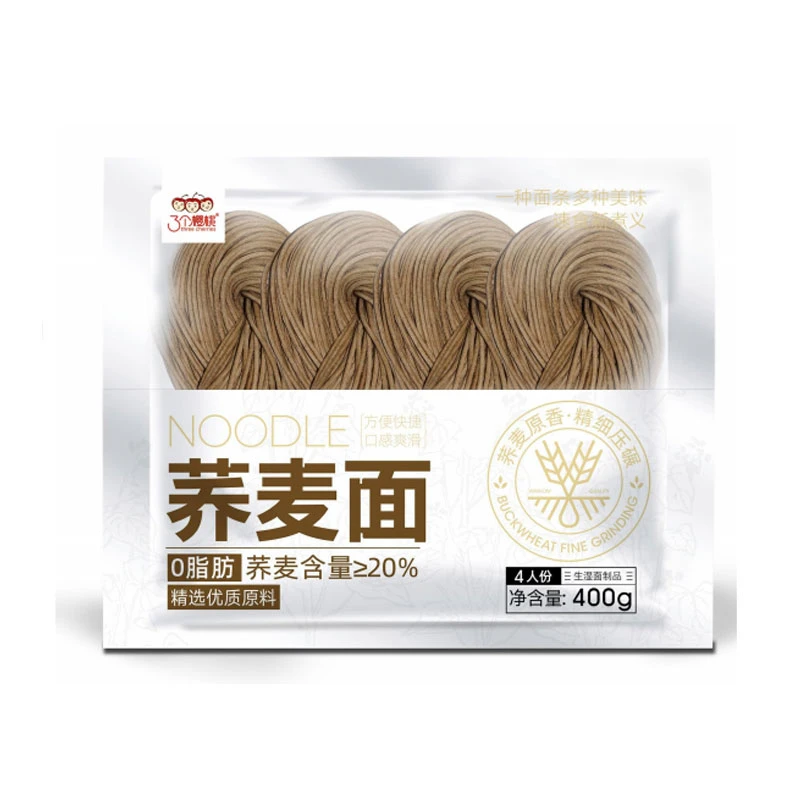
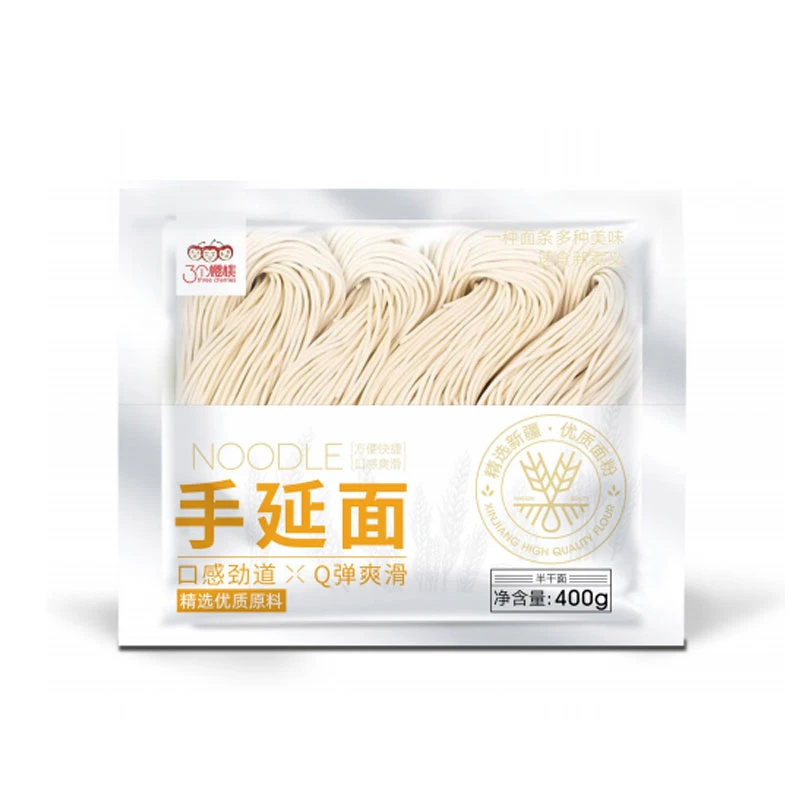
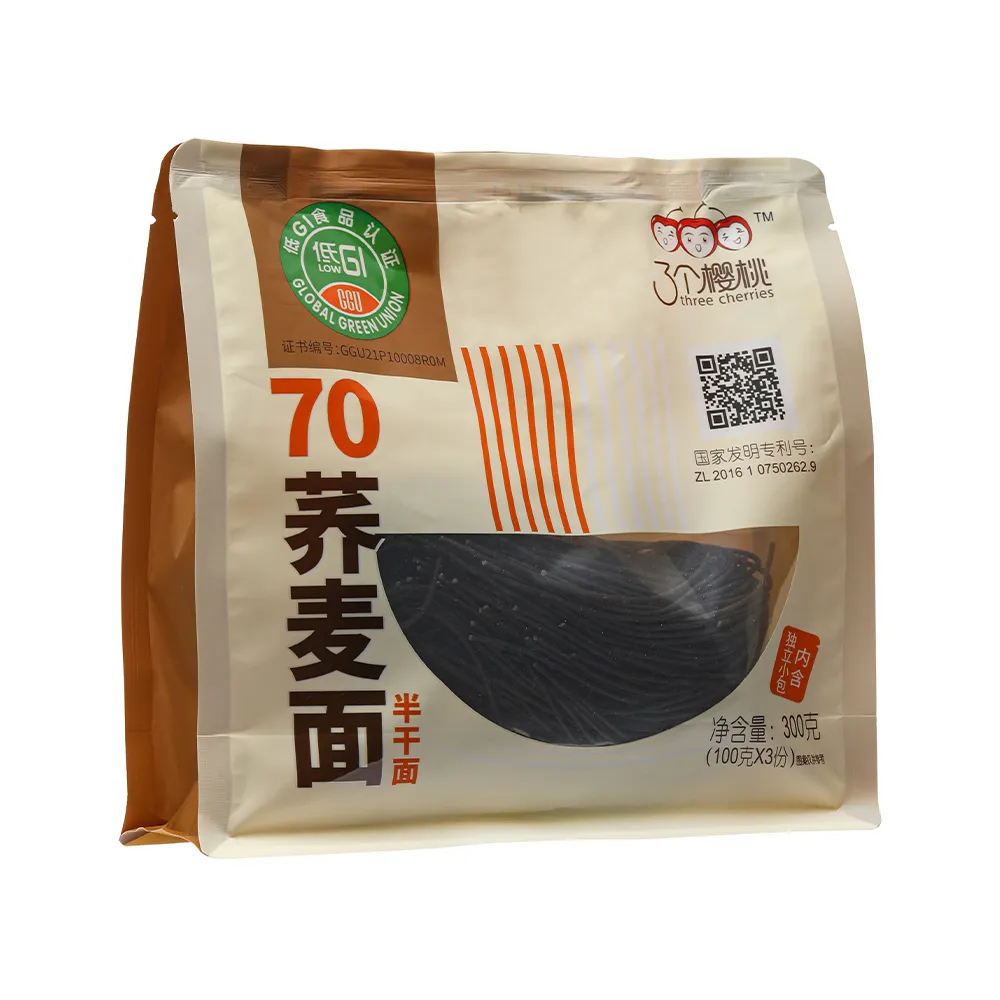
Creating authentic Japanese cuisine can be time-consuming. JX Semi-Dry Noodles offers a convenient solution without compromising on quality and flavor. Our semi-dry noodles offer a delightful texture and authentic taste, saving you the effort of making noodles from scratch. They are easy to prepare and readily available, making zaru soba a quick and satisfying meal option. We prioritize quality ingredients and traditional techniques to deliver a truly authentic experience.
Conclusion: Embrace the Refreshing Delight of Zaru Soba
Japanese cold buckwheat noodles offer a delightful blend of flavor, texture, and nutritional benefits. Whether you're a seasoned culinary enthusiast or a newcomer to Japanese cuisine, zaru soba is a dish worth exploring. With the convenience of JX Semi-Dry Noodles, you can easily enjoy this authentic Japanese experience at home. So, gather your ingredients, chill the noodles, and savor the refreshing taste of summer!
Frequently Asked Questions (FAQs)
What is the best way to store leftover cooked buckwheat noodles?
Leftover cooked buckwheat noodles are best stored in an airtight container in the refrigerator. To prevent them from sticking together, toss them with a little sesame oil or a splash of the dipping sauce (tsuyu). They can typically be stored for up to 2-3 days. Note that the texture may change slightly upon reheating, so it’s best to consume them as soon as possible. For longer storage, freezing is an option, but may further affect the texture.
Can I use different types of toppings with zaru soba?
Absolutely! While sliced scallions, wasabi, and ginger are traditional, feel free to experiment with other toppings. Popular options include tempura flakes (tenkasu), grated daikon radish, chopped nori seaweed, and even thinly sliced cucumber. You can also add protein sources like shrimp tempura or grilled chicken. Don't be afraid to get creative and personalize your zaru soba to your liking!
What is the ideal temperature for serving zaru soba?
The key to enjoying zaru soba is the contrast between the cold noodles and the warm dipping sauce. The noodles should be thoroughly chilled – ideally, after shocking them in ice water, they should be served immediately. The dipping sauce is typically served warm, but not scalding hot. This temperature contrast enhances the flavors and textures of the dish, providing a truly refreshing experience.
Where can I find high-quality buckwheat noodles?
For convenient access to authentic, high-quality buckwheat noodles, visit JX Semi-Dry Noodles. We specialize in providing delicious and easy-to-prepare noodles that capture the true essence of Japanese cuisine. Our semi-dry format makes it simple to enjoy a restaurant-quality zaru soba experience at home.
-
Discover the Refreshing Taste of Authentic Korean Cold SobaNewsApr.09,2026
-
Discover the Refreshing Taste of Korean Cold Buckwheat Noodles NaengmyeonNewsApr.07,2026
-
Discover the Cool and Refreshing World of Korean Buckwheat Noodles ColdNewsApr.04,2026
-
Exploring the Delicious World of Chinese Style Cold NoodlesNewsMar.28,2026
-
Discover the Cool and Refreshing World of Korean Cold Soba NoodlesNewsMar.26,2026
-
Discover the Refreshing World of Japanese Cold Soba Noodle CuisineNewsMar.24,2026
-
Discover the Refreshing Taste of Chilled Buckwheat Noodles This SummerNewsMar.21,2026
Browse qua the following product new the we