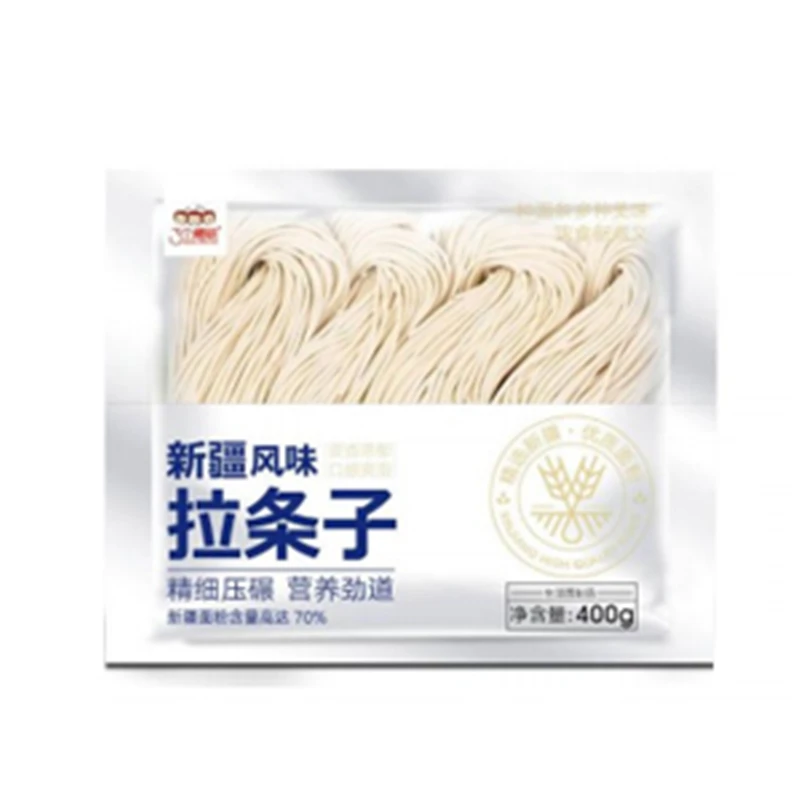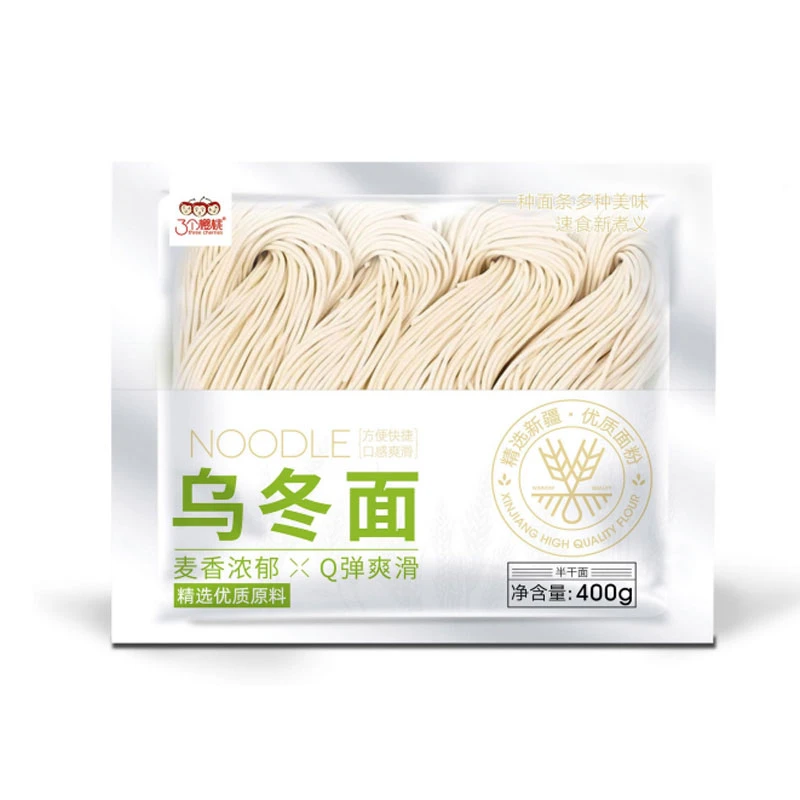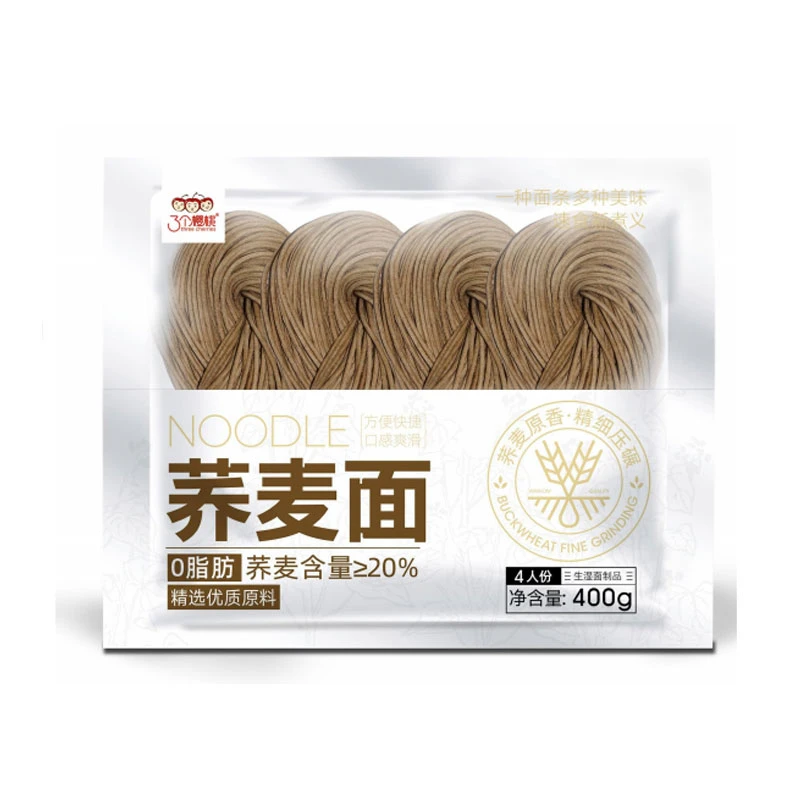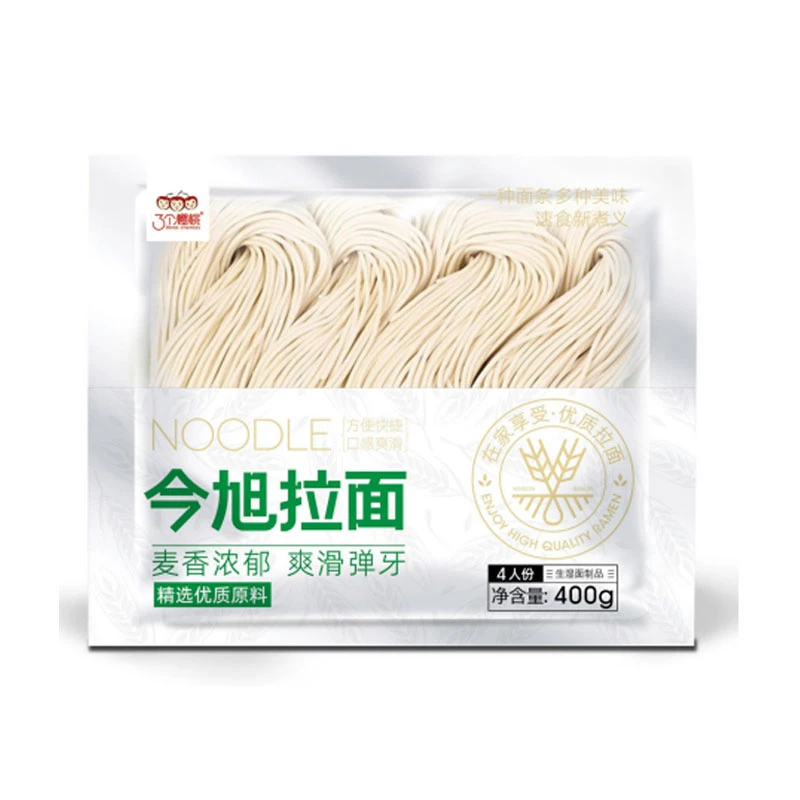

Discover the Cool and Refreshing World of Korean Cold Soba Noodles
Exploring the Delight of Korean Cold Soba Noodles
Korean cold soba noodles, known as naengmyeon, are a refreshing and flavorful dish perfect for warm weather. This beloved Korean staple features delicate, chewy noodles served in a chilled broth, often accompanied by a variety of toppings. Whether you're a seasoned Korean food enthusiast or new to its cuisine, naengmyeon offers a unique and satisfying culinary experience. This article will delve into the history, preparation, variations, and benefits of this delicious dish, and where to find high-quality soba noodles like those offered by JX Semi-Dry Noodles. Prepare to discover why Korean cold soba noodles are a summertime favorite!
A Historical Journey: The Origins of Naengmyeon
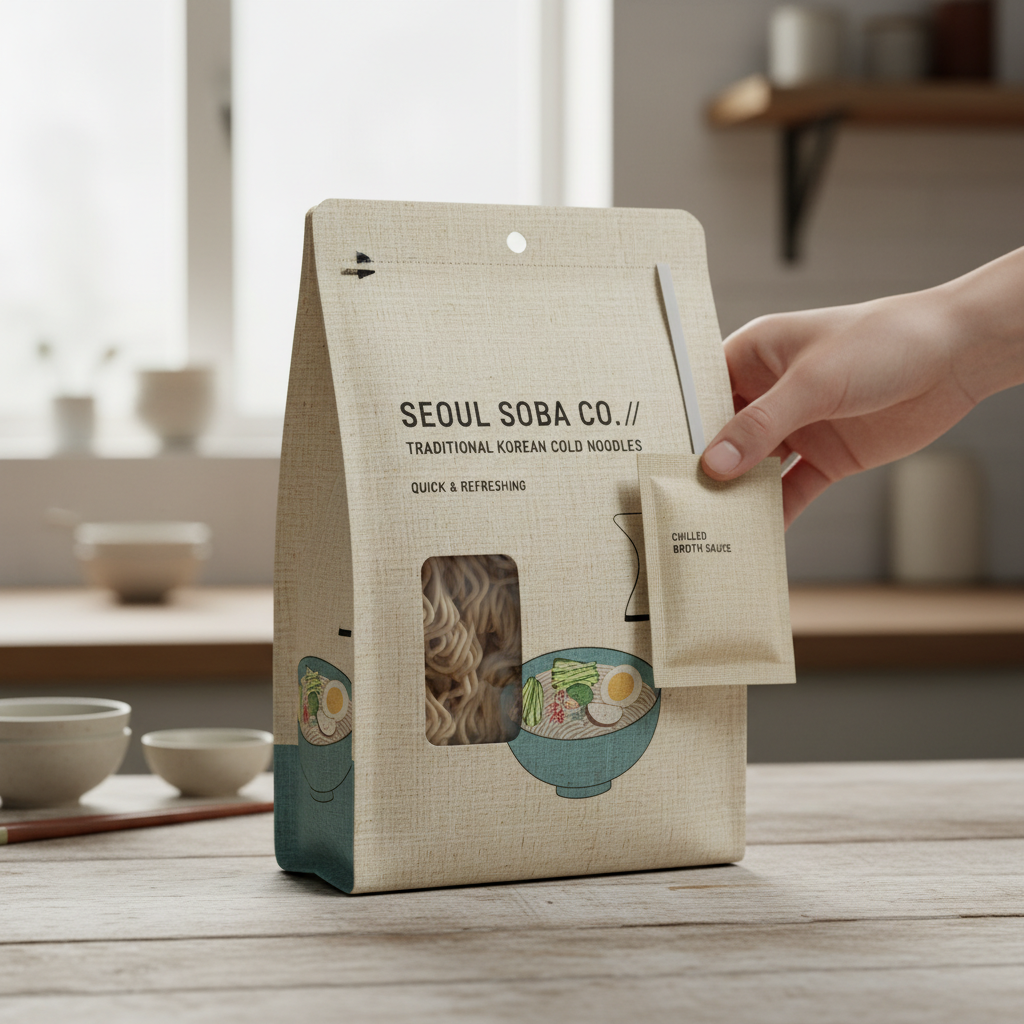
The origins of naengmyeon can be traced back to the Joseon Dynasty, though its early form differed significantly from the dish we know today. Initially, it was a luxury enjoyed by royalty and the upper class, featuring buckwheat noodles and served during the summer months. During the Korean War, the dish gained popularity among refugees who sought affordable and readily available sustenance. Over time, naengmyeon evolved, incorporating regional variations and becoming a staple in Korean cuisine. Its refreshing qualities quickly made it a popular choice for beating the heat. The dish is now enjoyed by people of all backgrounds across Korea and globally, and the demand for authentic soba noodles continues to rise.
Key Insight: Naengmyeon began as a royal dish and evolved to become a national favorite, demonstrating its adaptability and enduring appeal.
Understanding the Different Types of Korean Cold Soba Noodles
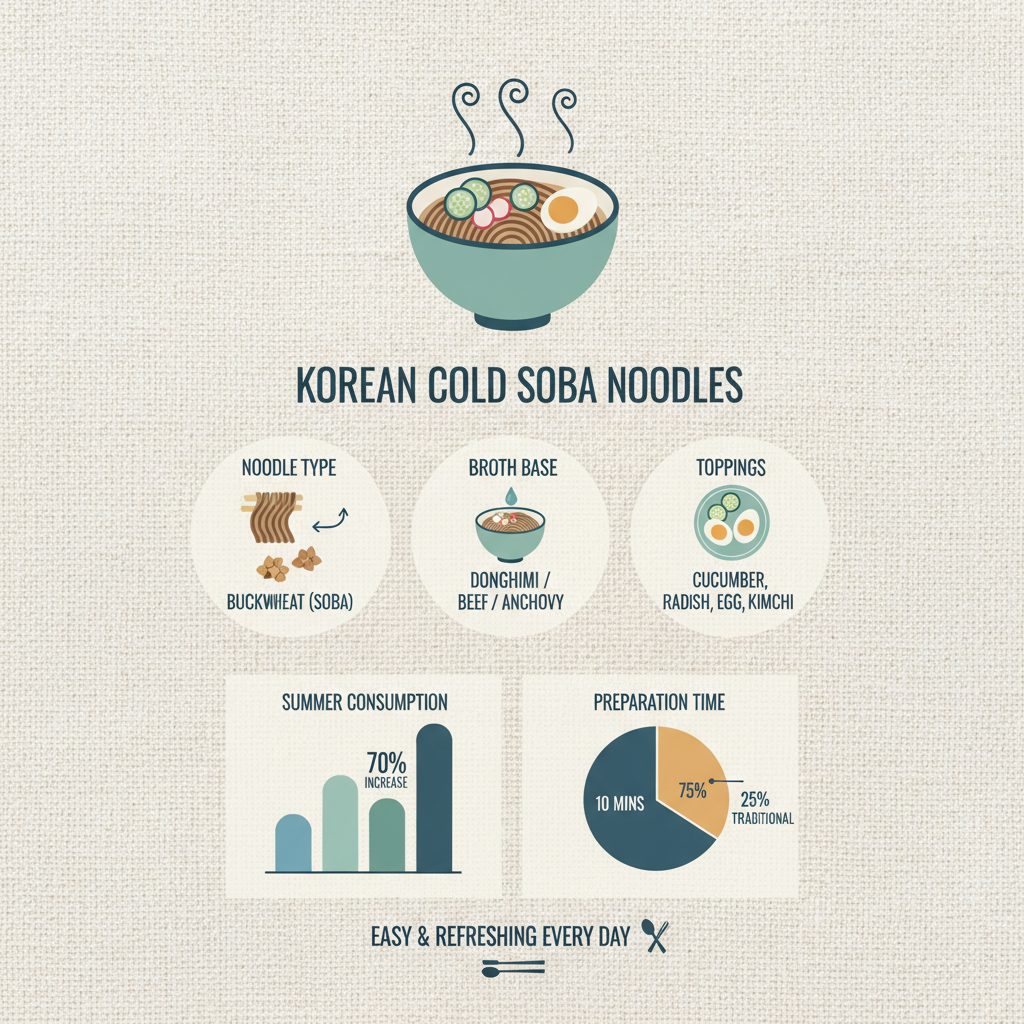
There are two primary types of naengmyeon: mul naengmyeon (water noodles) and bibim naengmyeon (mixed noodles). Mul naengmyeon features noodles served in a chilled, tangy broth made from beef, radish, or dongchimi (radish kimchi). Bibim naengmyeon, on the other hand, is served with a spicy gochujang-based sauce, often with a touch of vinegar and sugar. Both variations are typically topped with sliced cucumber, Korean pear, pickled radish, a boiled egg, and sometimes sliced beef or Korean radish greens. The choice between the two often comes down to personal preference – those who prefer a milder, more refreshing flavor may opt for mul naengmyeon, while spice lovers will gravitate toward bibim naengmyeon. Finding quality soba noodles is crucial for an authentic experience, regardless of the style.
Naengmyeon Variations:
• Mul Naengmyeon: Served in a chilled broth.
• Bibim Naengmyeon: Mixed with a spicy gochujang-based sauce.
• Hamheung Naengmyeon: A type of bibim naengmyeon known for its spicier sauce and the use of raw beef.
• Pyongyang Naengmyeon: Known for its clear broth and long, thin noodles.
Korean Cold Soba Noodles vs. Japanese Soba: A Comparative Look
While both Korean and Japanese cuisine feature soba noodles, there are key differences. Japanese soba noodles are traditionally made solely from buckwheat flour, resulting in a darker color and earthier flavor. Korean soba noodles, often referred to as memil guksu, frequently incorporate wheat flour or potato starch alongside buckwheat, creating a lighter, chewier texture. The broths and toppings also differ significantly. Japanese soba is often served in a warm dashi-based broth with simple toppings like scallions and tempura, while Korean naengmyeon is always served cold with a diverse range of toppings. Choosing the right noodles, like the high-quality options from JX Semi-Dry Noodles, is essential for creating an authentic Korean cold soba noodle dish.
Health Benefits of Enjoying Korean Cold Soba Noodles
Beyond its delicious flavor, Korean cold soba noodles offer several health benefits. Buckwheat, a key ingredient, is a good source of fiber, protein, and essential minerals. It's also naturally gluten-free, making it a suitable option for those with dietary restrictions. The lean proteins from toppings like beef or egg contribute to muscle health, and the vegetables provide essential vitamins and antioxidants. Furthermore, naengmyeon is a relatively low-calorie meal, especially when compared to other Korean dishes. Choosing healthier ingredients and portion control can maximize these benefits. Pairing it with high-quality soba noodles ensures a more wholesome experience.
Conclusion: A Refreshing Culinary Adventure
Korean cold soba noodles, or naengmyeon, are a delightful and versatile dish with a rich history and a range of health benefits. From its origins as a royal delicacy to its current status as a beloved summertime staple, naengmyeon continues to captivate food lovers around the world. Whether you prefer the tangy refreshment of mul naengmyeon or the spicy kick of bibim naengmyeon, there’s a variation to suit every palate. Sourcing high-quality soba noodles from providers like JX Semi-Dry Noodles is the first step to creating an authentic and satisfying experience. So, embrace the cool and flavorful world of Korean cold soba noodles!
Frequently Asked Questions (FAQs)
Where can I find authentic Korean soba noodles?
Finding authentic Korean soba noodles can be a challenge, but online retailers specializing in Korean ingredients are a great place to start. JX Semi-Dry Noodles offers a selection of high-quality soba noodles specifically designed for making naengmyeon. Look for noodles made with a blend of buckwheat and wheat flour for a traditional texture and flavor. Checking Korean grocery stores in your area is another excellent option.
How do I properly cook soba noodles for naengmyeon?
Cooking soba noodles for naengmyeon requires a bit of care. Bring a large pot of water to a rolling boil. Add the noodles and cook for the time indicated on the package (usually 4-6 minutes). Avoid overcooking, as the noodles will become mushy. Once cooked, immediately drain the noodles and rinse them thoroughly under cold water to stop the cooking process and remove excess starch. This step is crucial for achieving the desired chewy texture. After rinsing, drain well and set aside.
Can I make naengmyeon broth at home?
Yes, you can absolutely make naengmyeon broth at home! For mul naengmyeon, a common broth is made with beef or radish. Simmer beef bones or radish with kombu (dried kelp) and anchovies to create a flavorful base. Season with soy sauce, vinegar, and sugar to taste. For a simpler version, you can use pre-made beef broth and adjust the seasonings. Making the broth from scratch allows you to customize the flavor to your preferences.
What are some common toppings for naengmyeon?
Common toppings for naengmyeon include thinly sliced cucumber, Korean pear (or apple), pickled radish, a boiled egg (often halved), and slices of beef. Some variations also include Korean radish greens (mu saengchae) and a sprinkle of sesame seeds. The toppings add texture, flavor, and visual appeal to the dish. Feel free to experiment with different toppings to create your perfect bowl of naengmyeon!
-
Discover the Authentic Taste of Korean Buckwheat NoodlesNewsApr.16,2026
-
Discover the Refreshing Taste of Authentic Korean Cold SobaNewsApr.09,2026
-
Discover the Refreshing Taste of Korean Cold Buckwheat Noodles NaengmyeonNewsApr.07,2026
-
Discover the Cool and Refreshing World of Korean Buckwheat Noodles ColdNewsApr.04,2026
-
Discover the Refreshing Taste of Japanese Cold Buckwheat Noodles and Zaru SobaNewsMar.31,2026
-
Exploring the Delicious World of Chinese Style Cold NoodlesNewsMar.28,2026
-
Discover the Refreshing World of Japanese Cold Soba Noodle CuisineNewsMar.24,2026
Browse qua the following product new the we