
Discover the Authentic Taste of Korean Buckwheat Noodles
Discover the Authentic Taste of Korean Buckwheat Noodles
When exploring the rich tapestry of East Asian cuisine, few dishes are as refreshing and nutritionally dense as korean buckwheat noodles, widely known as Naengmyeon or Memil-guksu. These noodles are celebrated not only for their unique, chewy texture but also for their cooling properties, making them a staple during humid summer months. Whether served in a chilled tangy broth or mixed with a spicy gochujang sauce, they offer a sophisticated balance of flavors. In this guide, we will explore why these noodles are a global favorite and how to choose the highest quality buckwheat options for your culinary needs.
The Nutritional Power of Buckwheat in Korean Cuisine
The secret behind the health benefits of korean buckwheat noodles lies in the grain itself. Buckwheat is technically a pseudo-cereal, meaning it is gluten-free in its pure form and packed with rutin, a powerful antioxidant that supports cardiovascular health. These noodles provide a slower release of energy compared to refined wheat noodles, making them an excellent choice for those managing blood sugar levels. The earthy, nutty flavor profile complements fresh vegetables and lean proteins, creating a meal that is as nourishing as it is delicious.
Health Highlight: Buckwheat is rich in magnesium and fiber, which aids in digestion and helps maintain healthy blood pressure levels, distinguishing it from standard pasta or white noodles.
Comparing Different Types of Korean Buckwheat Noodles
Not all buckwheat noodles are created equal. Depending on the region and the desired texture, the ratio of buckwheat flour to potato or corn starch varies. For instance, Mul-naengmyeon requires a more elastic noodle to withstand the ice-cold broth, while Makguksu typically features a higher buckwheat content for a rustically grainy texture. Understanding these differences is key to achieving the authentic dining experience. When sourcing from jxsemidrynoodles.com, you can find specifications that cater to both professional chefs and home enthusiasts.
Mastering the Art of Preparing Korean Buckwheat Noodles
Preparing korean buckwheat noodles requires a delicate touch to avoid overcooking. The most critical step is the rinsing process. After boiling, the noodles must be vigorously rinsed under cold running water. This removes excess surface starch and "shocks" the noodles, creating that signature springy texture. For a truly professional result, many chefs recommend a final dip in ice water. This technique ensures the noodles stay firm and do not clump together, preserving the elegant presentation of the dish.
Sourcing Quality Buckwheat Noodles for Wholesale
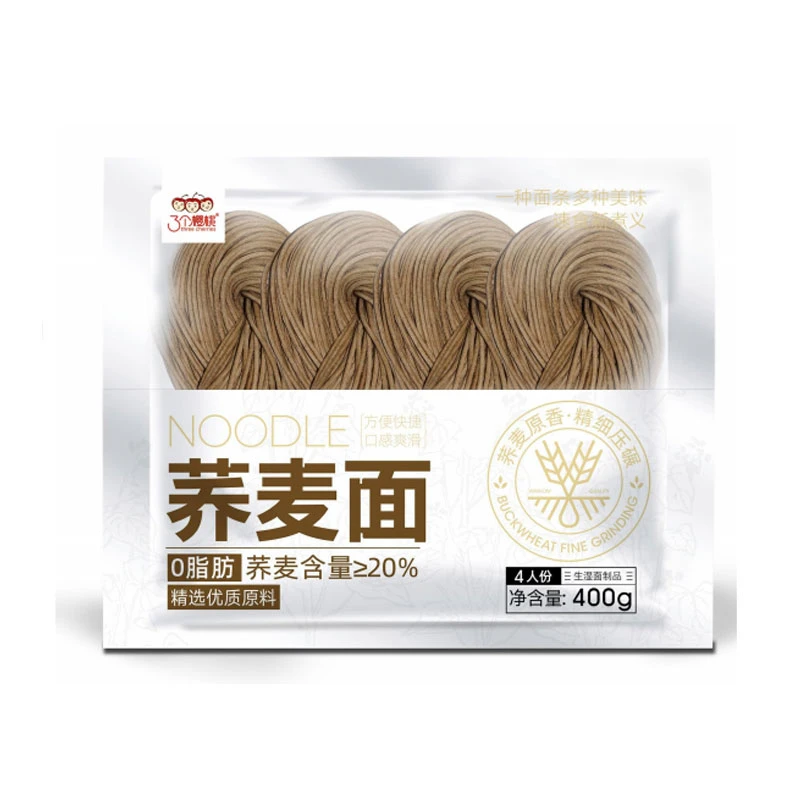
For businesses in the food service industry, the consistency of the product is paramount. High-quality korean buckwheat noodles should have a uniform color and a balanced blend of ingredients. Semi-dry options are particularly popular in commercial kitchens as they offer a compromise between the freshness of handmade noodles and the convenience of dried products. By selecting a supplier that adheres to strict quality control standards, restaurants can ensure that every bowl served maintains the same high standard of taste and texture.
Product Specifications: Korean Buckwheat Noodles
When importing or purchasing in bulk, it is essential to review the technical specifications to ensure the product fits your menu's requirements. Whether you need a specific diameter for better sauce adhesion or a certain drying method for longer shelf life, transparency in specifications is key. Below is a typical specification table for premium grade korean buckwheat noodles available for export.
Conclusion: Elevating Your Menu with Premium Noodles
The allure of korean buckwheat noodles lies in their perfect intersection of tradition, health, and taste. By choosing high-quality buckwheat products, you provide your customers with a meal that is not only satisfying but also rich in nutrients. From the elastic chew of Naengmyeon to the earthy depth of Makguksu, these noodles bring a piece of Korean culture to the table. Invest in quality ingredients and precise preparation to deliver an unforgettable culinary experience.
Frequently Asked Questions (FAQs)
Are Korean buckwheat noodles naturally gluten-free?
Pure buckwheat is naturally gluten-free. However, many commercial korean buckwheat noodles contain a small percentage of wheat flour or other starches to improve the binding and elasticity of the noodle. If you have a strict gluten allergy, it is crucial to check the specific ingredient list on the packaging or contact the supplier for 100% buckwheat options. Always verify the manufacturing process to ensure there is no cross-contamination.
How should I store dried buckwheat noodles to maintain freshness?
To maintain the optimal quality of your noodles, store them in a cool, dry place away from direct sunlight. Moisture is the biggest enemy of dried noodles, as it can lead to mold or a degradation in texture. We recommend using airtight containers once the original packaging has been opened. For semi-dry varieties, refrigeration may be necessary depending on the moisture content; always follow the specific storage guidelines provided by jxsemidrynoodles.com to ensure the longest possible shelf life.
What is the difference between Naengmyeon and Makguksu?
While both are buckwheat-based, the primary difference lies in the texture and the serving style. Naengmyeon (cold noodles) often uses a mix of buckwheat and potato/sweet potato starch, resulting in a very chewy, elastic noodle served in a clear, icy broth. Makguksu, originating from the Gangwon province, typically has a higher buckwheat content, giving it a more granular, earthy texture. It is most commonly served with a spicy seasoning and fresh vegetables, offering a more rustic flavor profile compared to the refined taste of Naengmyeon.
Can these noodles be served hot?
Yes, although they are most famous as cold dishes, buckwheat noodles can be served hot. In Korea, warm buckwheat noodles (On-memil) are enjoyed during the winter months. They are typically served in a warm, savory dashi-based broth. The key is to ensure the noodles are not overcooked, as buckwheat can become mushy more quickly than durum wheat. Whether hot or cold, using premium noodles from jxsemidrynoodles.com ensures a consistent texture regardless of the serving temperature.
-
Discover the Refreshing Taste of Authentic Korean Cold SobaNewsApr.09,2026
-
Discover the Refreshing Taste of Korean Cold Buckwheat Noodles NaengmyeonNewsApr.07,2026
-
Discover the Cool and Refreshing World of Korean Buckwheat Noodles ColdNewsApr.04,2026
-
Discover the Refreshing Taste of Japanese Cold Buckwheat Noodles and Zaru SobaNewsMar.31,2026
-
Exploring the Delicious World of Chinese Style Cold NoodlesNewsMar.28,2026
-
Discover the Cool and Refreshing World of Korean Cold Soba NoodlesNewsMar.26,2026
-
Discover the Refreshing World of Japanese Cold Soba Noodle CuisineNewsMar.24,2026
Browse qua the following product new the we