Premium low calorie soba noodles Solutions for New Zealand

Integrating traditional grain craftsmanship with New Zealand's health-conscious culinary standards to deliver authentic, nutrient-dense noodles.

Premium low calorie soba noodles Solutions for New Zealand

Elevating the grain processing industry in Oceania with high-performance semi-dry technology tailored for the New Zealand market.

The Landscape of Noodle Consumption in New Zealand

Analyzing the shift toward functional grains and chilled convenience in the Kiwi market.

New Zealand's food industry is currently characterized by a strong preference for "Clean Label" products. With a high awareness of wellness and a growing interest in East Asian diets, the demand for buckwheat cold noodle options has surged, reflecting a shift away from refined flours toward complex carbohydrates.

The temperate climate of the North and South Islands supports a diverse culinary scene, but the logistics of fresh noodle distribution remain a challenge. Consequently, the adoption of chilled noodle technology has become essential for local retailers to maintain texture and freshness without excessive preservatives.

Furthermore, the "healthy eating" trend in cities like Auckland and Wellington has created a specific niche for cold soba, as consumers seek light, refreshing, and low-glycemic index meals that align with their active outdoor lifestyles.
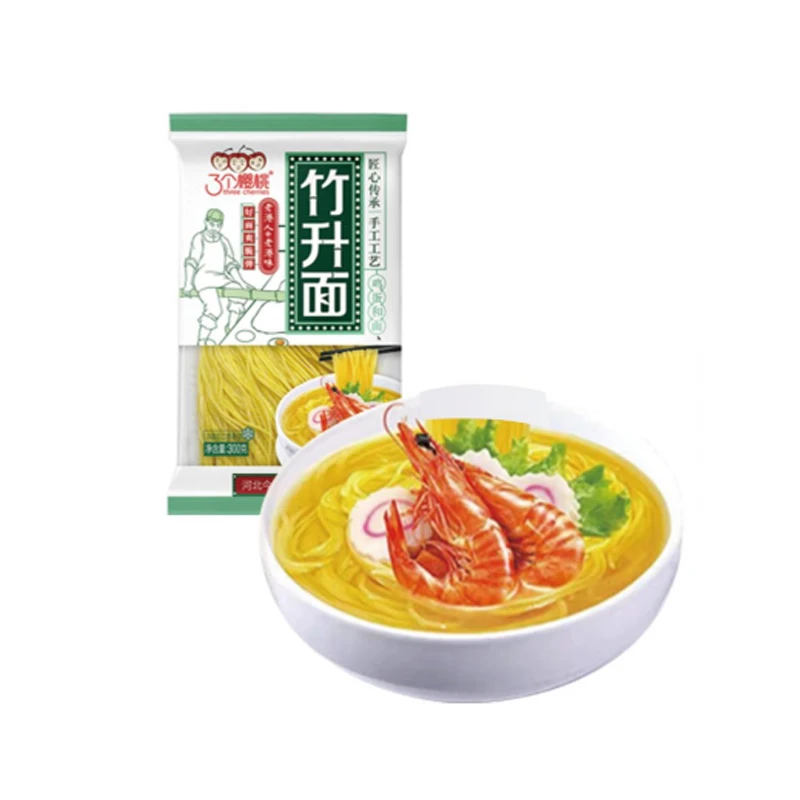
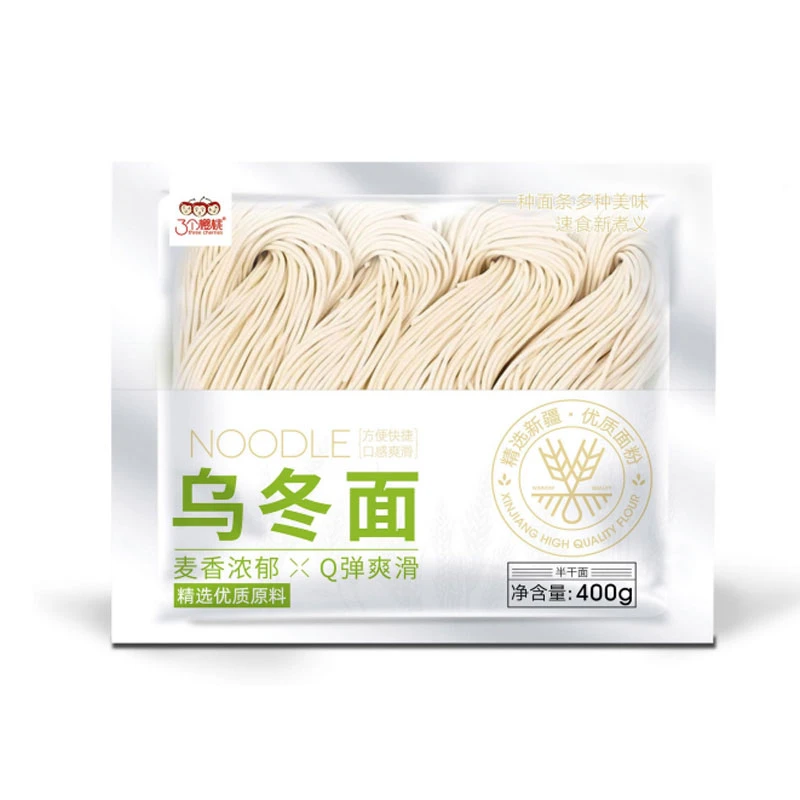
Evolution of Grain Processing: From Tradition to Precision

Tracking the technological trajectory of pasta and soba manufacturing.

Market Development History

In the early 2000s, the New Zealand market relied heavily on imported dried noodles or artisanal homemade pasta noodles. Production was fragmented, focusing on traditional extrusion methods that often compromised the nutritional integrity of the buckwheat.

Between 2010 and 2020, the introduction of semi-dry technology revolutionized the sector. Manufacturers shifted toward controlled dehydration processes, allowing for a product that mimics the taste of fresh noodles while extending shelf life for the expansive New Zealand distribution network.

Today, the industry has entered the era of "Functional Nutrition," where precision milling and temperature-controlled drying ensure that the bioactive compounds in buckwheat are preserved, catering to the modern health-conscious demographic.

Future Development Trends

Plant-Based Protein Integration

Combining buckwheat with pea or soy proteins to create high-protein, gluten-free alternatives for the vegan community in Oceania.

Smart Vacuum Drying

Implementing AI-driven vacuum drying to further reduce calories and preserve natural pigments, enhancing the visual appeal of chilled products.

Hyper-Local Supply Chains

Developing modular production units that allow for localized "Fresh-to-Shelf" delivery, reducing the carbon footprint across the islands.

Future Trends & Industry Outlook

Strategic forecasting for the flour-based product industry in New Zealand.

Glycemic Index Control
Increasing demand for low-GI buckwheat solutions to combat metabolic syndromes in urban populations.
Preservative-Free Tech
Adoption of high-pressure processing (HPP) to ensure safety without chemical additives.
Eco-Friendly Packaging
Transitioning to compostable biofilms to align with New Zealand's strict plastic-free goals.
Customized Nutrition
Development of fortified noodles tailored for athletes and the aging population.

Industry Outlook

Based on Google search trends in Oceania, there is a marked increase in queries related to "gluten-free alternatives" and "low calorie noodles." This indicates that the future of the grain industry in New Zealand will be driven by medical-grade nutrition and dietary restriction support.

We predict that within 3-5 years, the synergy between automated production and personalized nutrition will lead to a "subscription-based" model where noodles are tailored to a consumer's specific caloric needs.

Localized Application Scenarios in New Zealand

Practical implementations of our noodle solutions across various Kiwi sectors.

01. High-End Auckland Bento Cafes

Supplying chilled buckwheat options for premium corporate lunch boxes, focusing on rapid preparation and high nutritional density for office workers.

02. Health-Focused Fitness Centers

Implementing low-calorie soba as a post-workout recovery meal in gym cafes, emphasizing lean protein pairings and low-GI energy.

03. Specialized Gluten-Free Retailers

Providing a consistent, high-quality alternative to traditional wheat pasta, ensuring the texture meets the expectations of gourmet home cooks.

04. Tourist Hub Quick-Service Restaurants

Offering authentic cold soba in Queenstown and Rotorua, catering to international tourists seeking healthy, authentic Asian cuisine.

05. School Nutrition Programs

Introducing nutrient-fortified noodles into school cafeterias to provide a healthier, more sustainable alternative to fried noodles.

Brand Story

Global Development Journey of Hebei Jinxu Noodle Industry Co., Ltd.

The Foundation of Craftsmanship

Started with a commitment to traditional grain selection, focusing on the purity of wheat and buckwheat to solve the problem of inconsistent noodle texture.

Technological Breakthrough

Pioneered semi-dry processing technology, effectively bridging the gap between the short life of fresh noodles and the toughness of dried ones.

Global Quality Standardization

Achieved international food safety certifications, allowing our products to enter strict markets like Oceania with full compliance.

Sustainable Expansion

Integrated eco-friendly production lines to reduce water waste, aligning our growth with global environmental sustainability goals.

The Vision for New Zealand

Establishing a localized supply strategy to empower New Zealand food manufacturers with precision noodle technology.

Comprehensive Noodle Portfolio for the New Zealand Market

From artisanal buckwheat to high-efficiency chilled solutions.

Frequently Asked Questions in New Zealand

Expert answers to common industry and product inquiries.

How do you ensure the quality of chilled noodle products during shipping to Oceania?

We utilize advanced semi-dry technology and vacuum packaging, which significantly reduces moisture activity and inhibits microbial growth, ensuring the noodles remain fresh and textural during transit.

Are your buckwheat cold noodle options suitable for gluten-free diets?

We offer specialized 100% buckwheat versions that are naturally gluten-free. Please check the specific product label for certification details.

What makes low calorie soba noodles better than traditional wheat pasta?

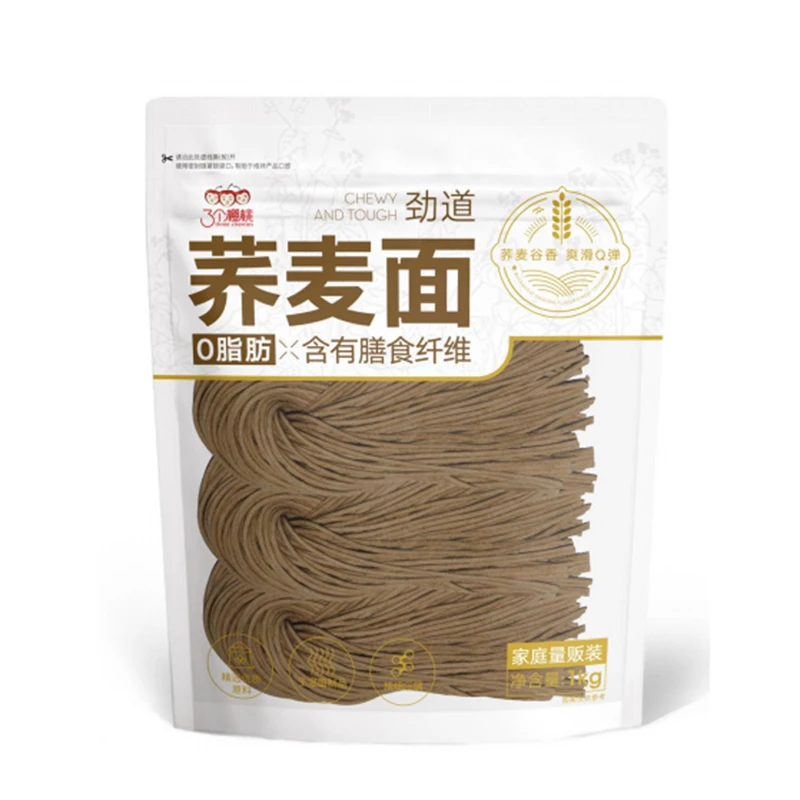
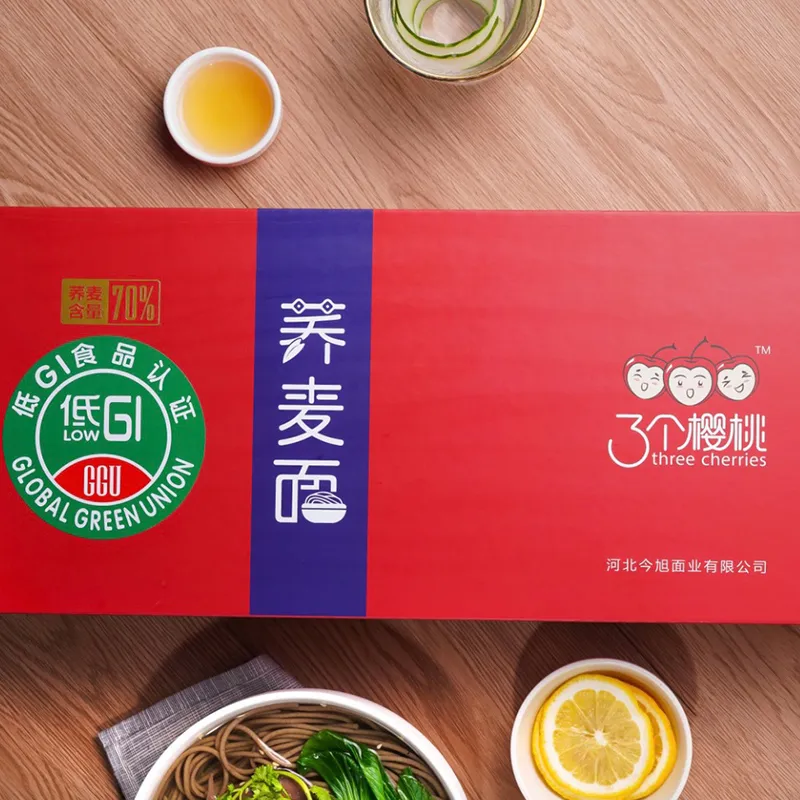
Our soba noodles have a lower glycemic index and contain more fiber and rutin, making them an ideal choice for blood sugar management and weight control.

Can these products replace homemade pasta noodles in commercial kitchens?

Yes, our semi-dry solutions provide the same "al dente" quality as handmade noodles but with significantly lower labor costs and consistent quality across batches.

How should cold soba be stored to maintain the best texture?

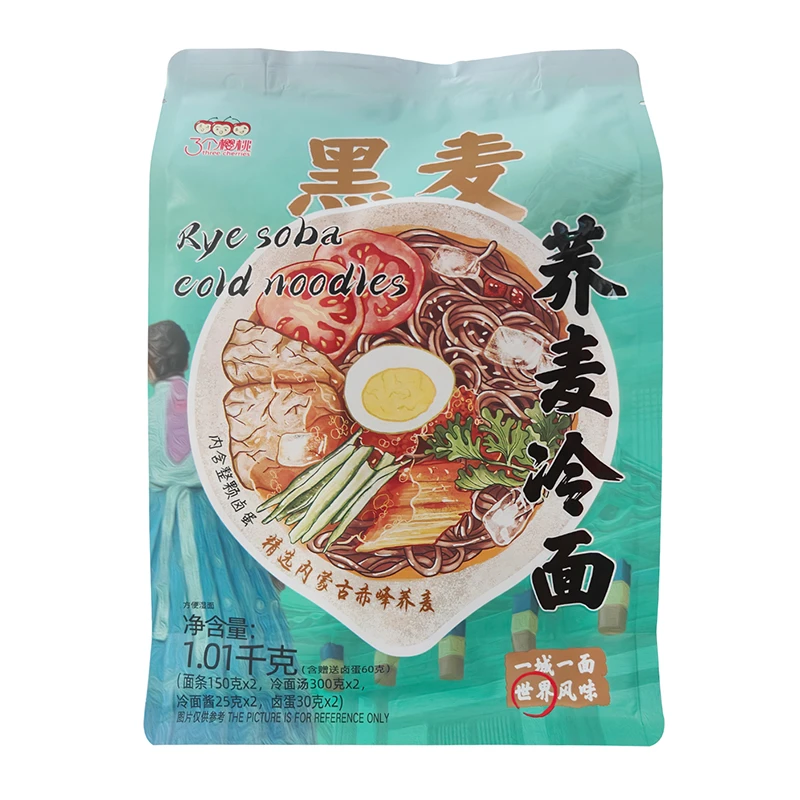
We recommend storage at 2-5°C in an airtight environment. For best results, rinse with ice-cold water immediately after boiling to remove excess starch.

Do you provide customized formulations for the New Zealand health market?

Absolutely. We can adjust the buckwheat-to-wheat ratio or incorporate functional additives to meet specific nutritional requirements of your target audience.

Connect with Our Grain Experts

Ready to optimize your noodle supply chain in New Zealand? Our technical team is here to provide tailored solutions for the Oceania market.

Contact Us Now

If you are interested in our products, you can choose to leave your information here, and we will be in touch with you shortly.