
Exploring the Refreshing World of Korean Cold Noodles A Culinary Journey
Exploring the World of Cold Noodles: A Korean Culinary Delight
Cold noodles, or naengmyeon (냉면) in Korean, are a refreshing and flavorful dish particularly popular during the hot summer months. This culinary staple boasts a unique texture and a delightful balance of sweet, savory, and spicy flavors. More than just a meal, naengmyeon represents a cornerstone of Korean food culture. If you’re looking for authentic Korean noodles for your own culinary creations, explore the range offered by JX Semi-dry Noodles – a premier supplier of high-quality Korean noodles. Let’s dive deeper into the fascinating world of Korean cold noodles!

What Makes Korean Cold Noodles Unique?
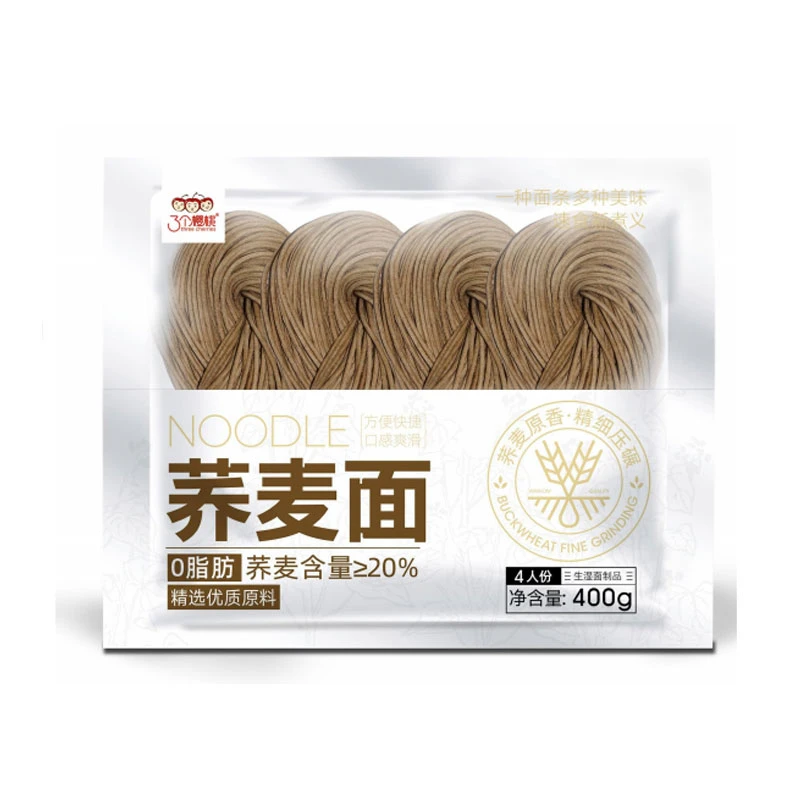
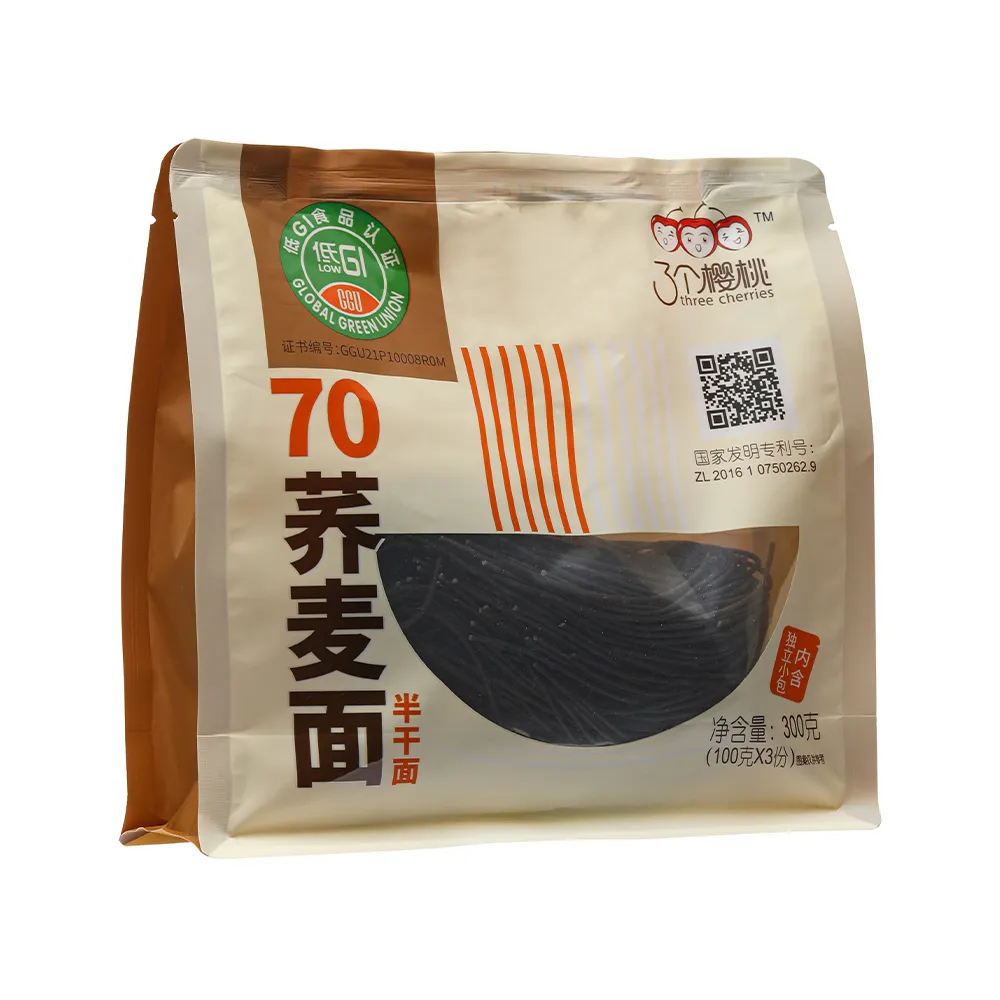
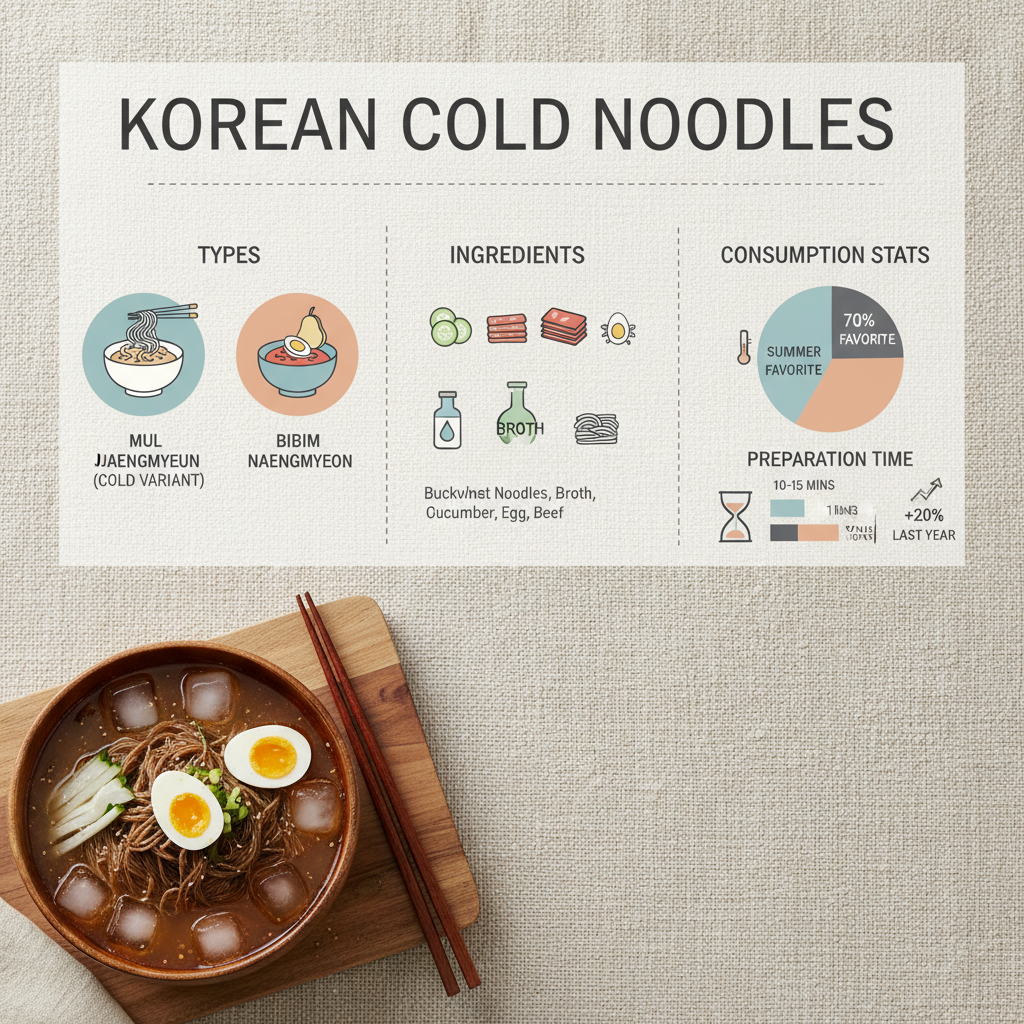
What sets naengmyeon apart from other noodle dishes? Firstly, the noodles themselves are traditionally made from buckwheat flour, which gives them a distinct greyish color and a slightly chewy texture. However, variations using potato starch and sweet potato starch are also common. The broth, usually a chilled beef or chicken-based stock, is subtly flavored, allowing the noodles and toppings to shine. Finally, the addition of vibrant toppings like sliced cucumber, pickled radish, Korean pear, a boiled egg, and a dollop of gochujang (Korean chili paste) adds layers of texture and flavor. JX Semi-dry Noodles offers the foundation for crafting this authentic dish with high-quality Korean noodles.
Key Characteristics: Buckwheat flour noodles with a chewy texture, chilled broth (beef or chicken), and vibrant toppings for a refreshing meal.
Types of Cold Noodles: A Flavorful Spectrum
There are primarily two main types of naengmyeon: mul naengmyeon (물냉면) and bibim naengmyeon (비빔냉면). Mul naengmyeon features noodles served in a chilled, clear broth, providing a light and refreshing experience. Bibim naengmyeon, on the other hand, is a dry noodle dish tossed in a spicy gochujang-based sauce, offering a bolder, more fiery flavor. Both variations offer a unique and delicious experience, appealing to different palates. Using the correct noodle type is crucial for achieving the desired texture and flavor, making JX Semi-dry Noodles a reliable source for both styles.
Naengmyeon Variations:
• Mul Naengmyeon: Noodles in a chilled broth – light and refreshing.
• Bibim Naengmyeon: Noodles tossed in a spicy gochujang sauce – bold and fiery.
Cold Noodles Korean: Regional Differences
While naengmyeon originated in North Korea, it's become immensely popular throughout the Korean peninsula, leading to regional variations. Pyongyang naengmyeon (평양냉면) is known for its simple, elegant broth and delicate noodle texture. Hamheung naengmyeon (함흥냉면) typically features a spicier sauce and chewier noodles made from potato starch. These regional differences showcase the versatility of the dish and the diverse culinary traditions within Korea. Finding the right noodles can help you replicate these regional specialties; JX Semi-dry Noodles offers a variety of options.
Choosing the Right Noodles with JX Semi-dry Noodles
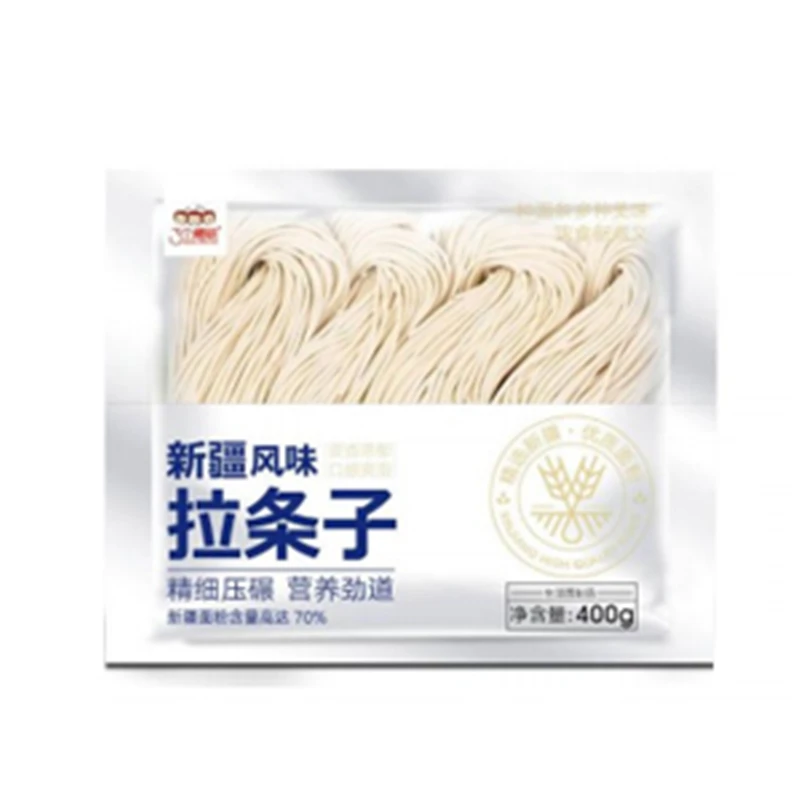
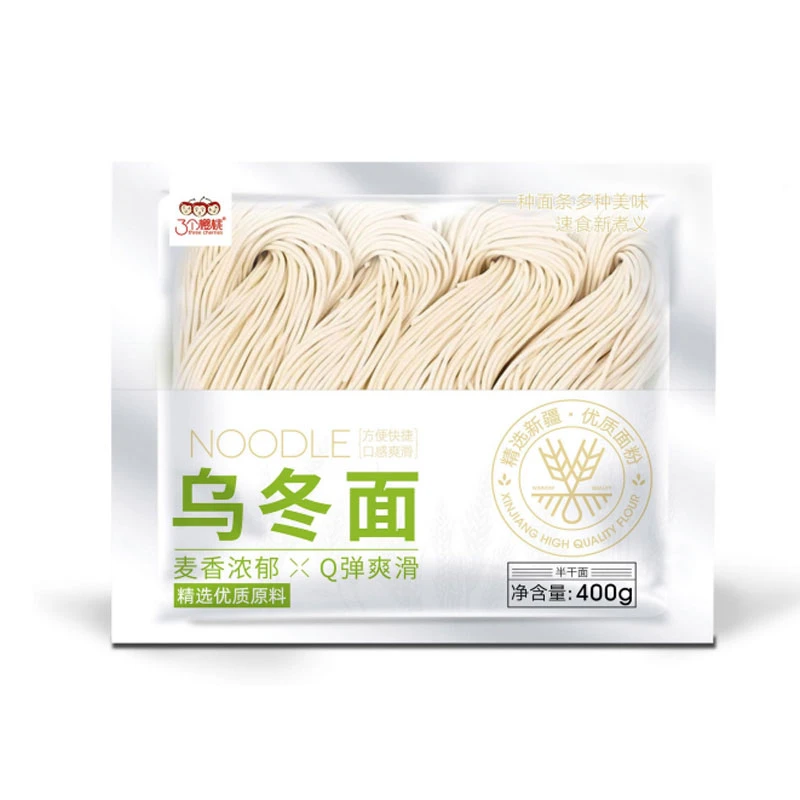
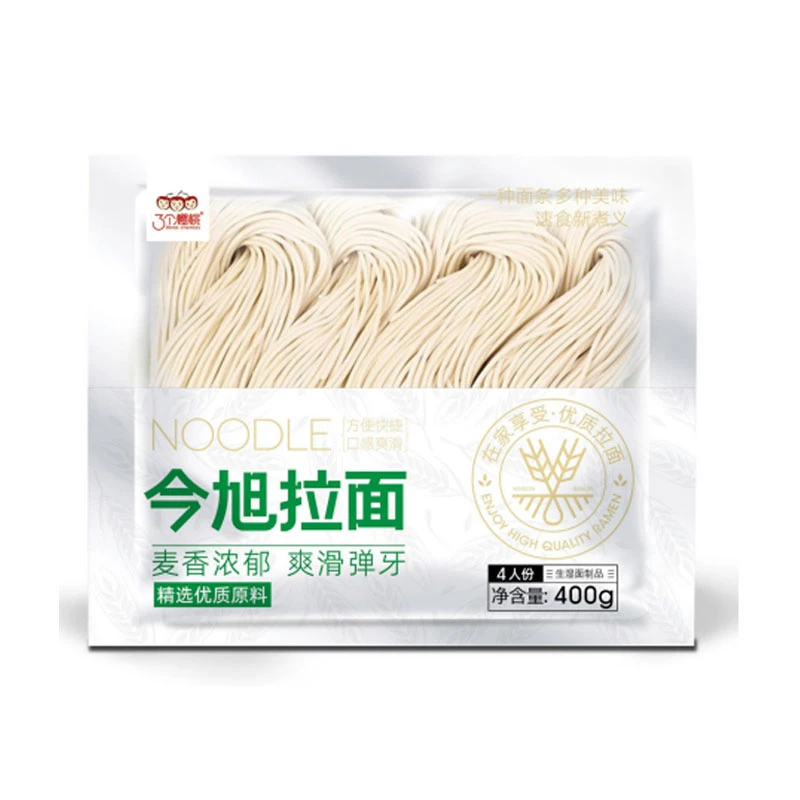
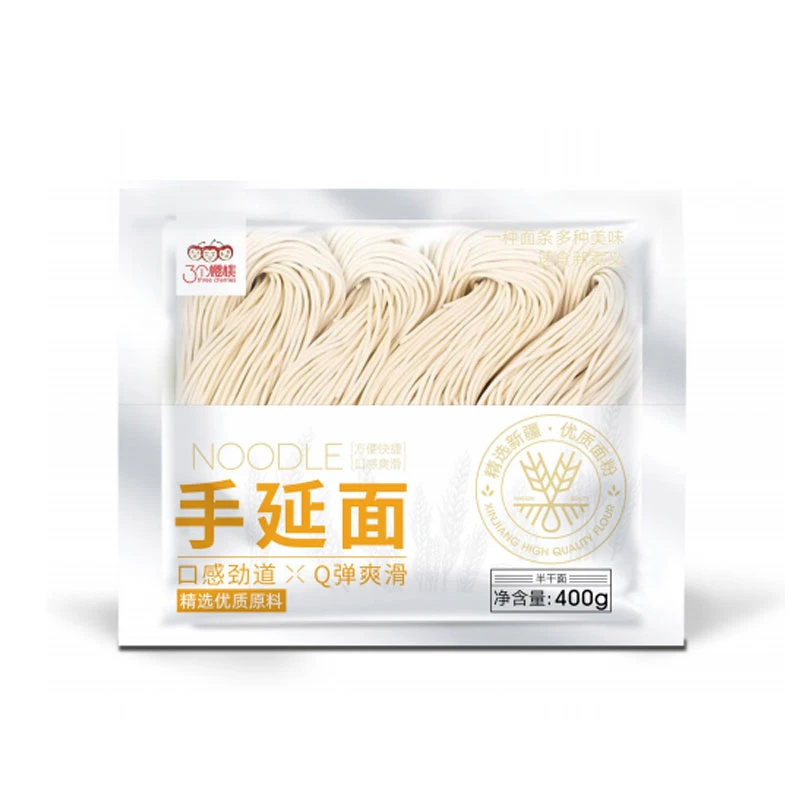
Selecting the correct noodles is paramount to achieving an authentic naengmyeon experience. JX Semi-dry Noodles provides a range of Korean noodles specifically suited for naengmyeon, including buckwheat noodles for a traditional flavor and potato starch noodles for a chewier texture. Their semi-dry format offers convenience and a long shelf life without compromising on quality. Whether you’re aiming for a Pyongyang or Hamheung style naengmyeon, JX Semi-dry Noodles has you covered.
Conclusion: A Refreshing Taste of Korea
Naengmyeon is more than just a dish; it's a cultural experience. From the unique noodle texture to the flavorful broth and vibrant toppings, every element contributes to a truly refreshing and satisfying meal. With high-quality noodles from JX Semi-dry Noodles, you can easily recreate this Korean delicacy in your own kitchen and enjoy a taste of summer all year round.
Frequently Asked Questions (FAQs)
What is the best way to store semi-dry Korean noodles?
Semi-dry noodles, like those from JX Semi-dry Noodles, should be stored in a cool, dry place away from direct sunlight. Once opened, it’s best to transfer the noodles to an airtight container to maintain their quality and prevent them from drying out further. Proper storage ensures the noodles retain their texture and flavor for longer. Avoid storing them in humid environments, as this can lead to spoilage. You can also refrigerate them for extended storage, though this may slightly affect the texture.
How do I cook JX Semi-dry Noodles for naengmyeon?
Cooking JX Semi-dry Noodles is simple! First, bring a pot of water to a boil. Add the noodles and cook for approximately 3-5 minutes, or until they reach your desired level of tenderness. Immediately drain the noodles and rinse them under cold water to stop the cooking process. This rinsing is crucial for achieving the refreshing texture characteristic of naengmyeon. Finally, prepare your broth and toppings and combine everything for a delicious meal.
Can I substitute ingredients in a naengmyeon recipe?
While authenticity is key for some, naengmyeon is a versatile dish, and substitutions are often possible. If you can't find Korean pear, you can use apple or Asian pear as a substitute. Similarly, you can adjust the amount of gochujang to control the spiciness. However, the type of noodle significantly impacts the final result, so using quality noodles like those from JX Semi-dry Noodles is highly recommended.
What is the traditional accompaniment to naengmyeon?
Traditionally, naengmyeon is often enjoyed with kimchi (Korean fermented vegetables), especially during the summer months. The spicy and tangy flavors of kimchi complement the coolness of the noodles perfectly. Some also enjoy it with slices of Korean beef (bulgogi) or boiled eggs. It’s a complete and balanced meal, offering a delightful combination of flavors and textures.
-
Discover the Authentic Taste of Korean Buckwheat NoodlesNewsApr.16,2026
-
Discover the Refreshing Taste of Authentic Korean Cold SobaNewsApr.09,2026
-
Discover the Refreshing Taste of Korean Cold Buckwheat Noodles NaengmyeonNewsApr.07,2026
-
Discover the Cool and Refreshing World of Korean Buckwheat Noodles ColdNewsApr.04,2026
-
Discover the Refreshing Taste of Japanese Cold Buckwheat Noodles and Zaru SobaNewsMar.31,2026
-
Exploring the Delicious World of Chinese Style Cold NoodlesNewsMar.28,2026
-
Discover the Cool and Refreshing World of Korean Cold Soba NoodlesNewsMar.26,2026
Browse qua the following product new the we