
Exploring the Refreshing World of Korean Noodle Cold and its Culinary Delights
Delving into the World of Korean Noodle Cold: A Culinary and SEO Guide
Korean noodle cold, known as naengmyeon (냉면), is a refreshing and beloved dish, particularly during the hot summer months. It's characterized by thin, chewy noodles served in a chilled broth, often accompanied by slices of meat, pickled vegetables, and a hard-boiled egg. Beyond its delightful taste, understanding the nuances of this dish – from its regional variations to sourcing quality ingredients – is key. This article explores everything you need to know about Korean noodle cold, offering insights for food enthusiasts and businesses alike. For those seeking authentic Korean noodles for their culinary creations, visit JX Semi-Dry Noodles, a trusted supplier of high-quality noodles.
The Two Main Styles of Korean Noodle Cold
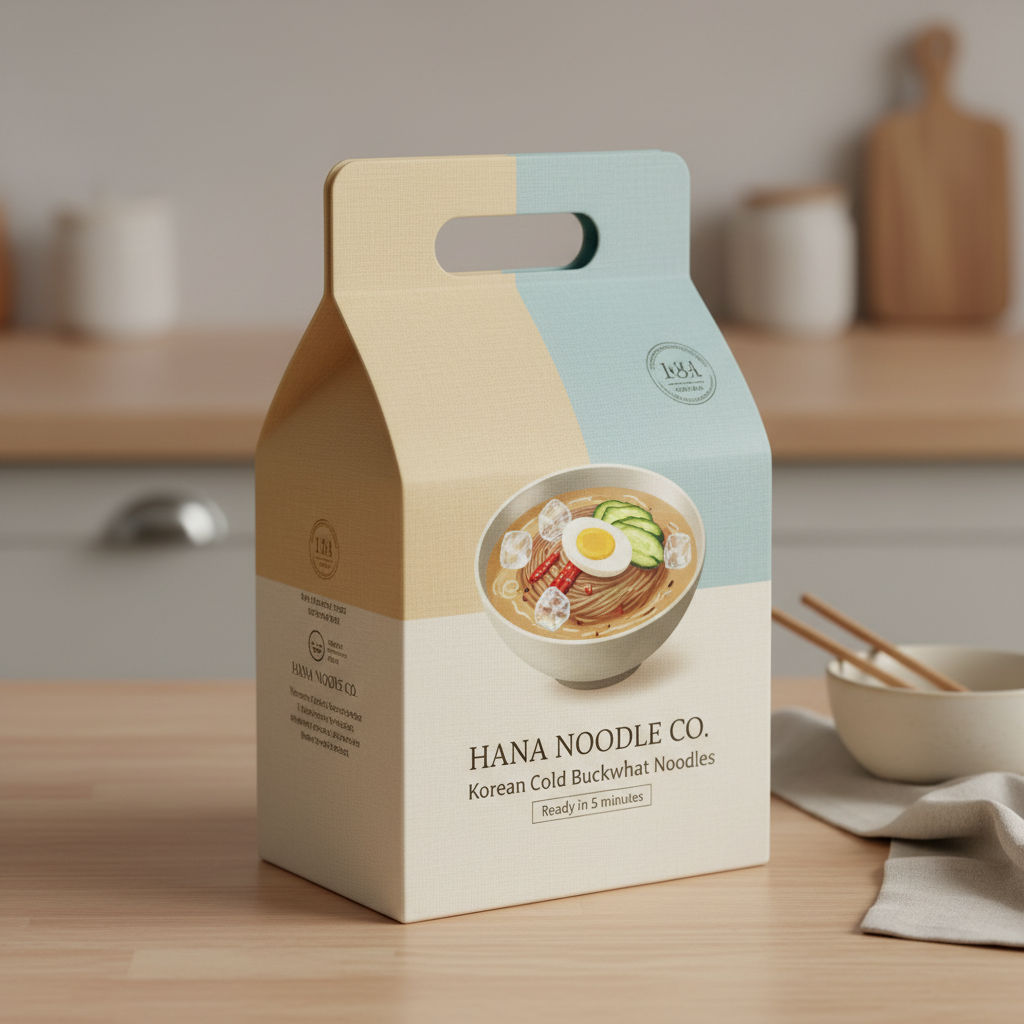
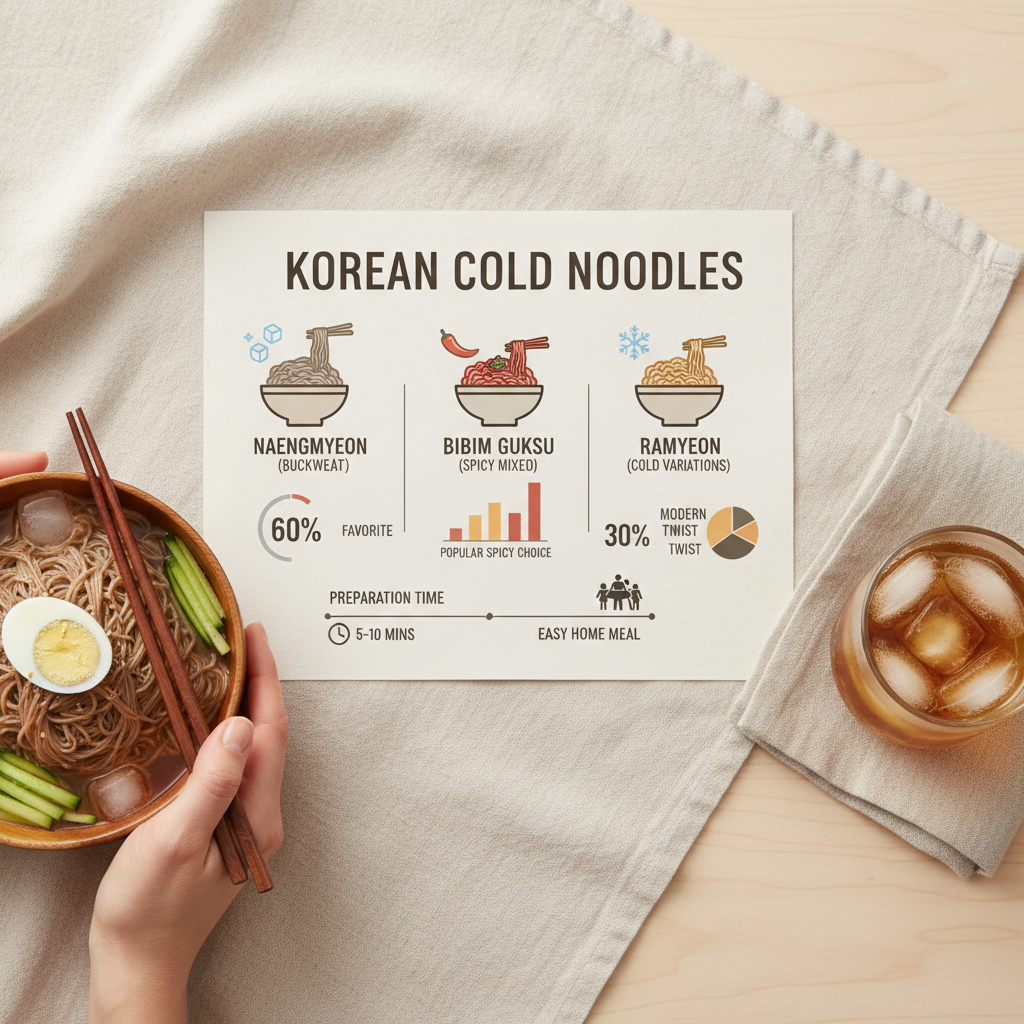
There are two primary types of naengmyeon: mul naengmyeon (물냉면) and bibim naengmyeon (비빔냉면). Mul naengmyeon features noodles served in a chilled, often beef or radish-based broth. It's known for its light, refreshing flavor. Bibim naengmyeon, on the other hand, is served with a spicy gochujang-based sauce. This version packs a punch and is a favorite among those who enjoy a bit of heat. Understanding these differences is crucial when exploring this culinary delight. Sourcing the right noodles is vital for achieving an authentic taste and texture, and JX Semi-Dry Noodles provides options suited for both styles.
Key Takeaway: The difference between mul and bibim naengmyeon lies in the broth or sauce. Mul is broth-based and refreshing, while bibim is sauce-based and spicy.
Regional Variations in Korean Noodle Cold
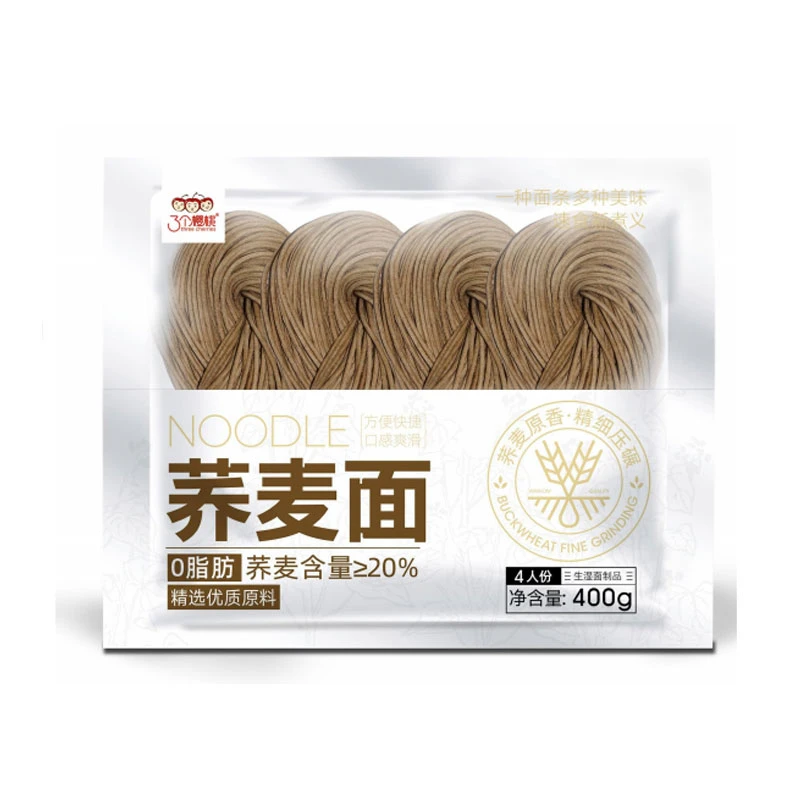
While mul and bibim represent the two main styles, regional variations add even more complexity to the world of naengmyeon. Hamheung-style naengmyeon (함흥냉면), originating from North Korea, typically uses buckwheat noodles and is known for its slightly chewier texture. Pyongyang-style naengmyeon (평양냉면), from Pyongyang, utilizes a lighter broth and longer noodles. These regional specialties showcase the diverse culinary traditions within Korea. No matter the variation, using quality noodles, like those from JX Semi-Dry Noodles, will elevate your naengmyeon experience.
Regional Naengmyeon Highlights:
• Hamheung: Buckwheat noodles, chewier texture
• Pyongyang: Lighter broth, longer noodles
• Each region often has unique topping combinations
Korean Noodle Cold vs. Other Asian Noodle Dishes
Compared to other chilled Asian noodle dishes, naengmyeon stands out with its unique flavor profile and texture. Unlike Japanese zaru udon which focuses on a simple dipping sauce, naengmyeon boasts a more complex broth or sauce. Compared to Vietnamese bún chả, which centers around grilled pork, naengmyeon often features sliced beef or other meats. The chewy texture of the noodles, especially in Hamheung-style naengmyeon, is also distinct. Using authentic Korean noodles is paramount; JX Semi-Dry Noodles offers a variety to suit different preferences.
Finding the Perfect Noodles with JX Semi-Dry Noodles
The key to an exceptional naengmyeon experience lies in the quality of the noodles. JX Semi-Dry Noodles offers a variety of Korean noodles that are perfect for both mul and bibim styles. Their semi-dry format allows for easy storage and quick preparation. Whether you’re a home cook looking to recreate this classic dish or a restaurant seeking a reliable supplier, JX Semi-Dry Noodles provides the authentic taste and texture you need.
Conclusion: A Refreshing Culinary Journey
Embrace the Cool: Discovering the World of Korean Noodle Cold
Korean noodle cold is more than just a dish; it’s a cultural experience. From its regional variations to its unique flavors, naengmyeon offers a delightful culinary journey. Sourcing high-quality ingredients, especially authentic Korean noodles from JX Semi-Dry Noodles, will ensure an unforgettable and refreshing dining experience.
Frequently Asked Questions (FAQs)
What is the best way to store Korean noodle cold noodles?
Proper storage is key to maintaining the quality of your Korean noodle cold noodles. JX Semi-Dry Noodles are designed for convenient storage. After opening, it's best to transfer the noodles to an airtight container and store them in a cool, dry place. Avoid exposure to moisture and direct sunlight. Properly stored noodles can last for several weeks without significant loss of texture or flavor. For longer-term storage, consider freezing them in an airtight bag or container.
How long do JX Semi-Dry Noodles take to cook?
JX Semi-Dry Noodles are designed for quick and easy preparation. Typically, they require only 3-5 minutes of boiling in water to achieve the perfect chewy texture. Always follow the specific cooking instructions provided on the packaging, as cooking times may vary slightly depending on the noodle type. Be sure to rinse the noodles with cold water after boiling to stop the cooking process and remove excess starch.
Can I make Bibim Naengmyeon with any type of Korean noodle?
While you can technically use any Korean noodle for bibim naengmyeon, the texture will vary. Buckwheat noodles are traditionally preferred for their slightly rough texture which helps the spicy sauce adhere well. JX Semi-Dry Noodles offers a selection of noodles specifically suited for bibim naengmyeon. Using the right noodle will result in a more authentic and satisfying flavor experience.
Where can I find more Korean noodle recipes?
There are numerous online resources and cookbooks dedicated to Korean cuisine. Websites like Maangchi and Korean Bapsang offer a wealth of authentic recipes, including various naengmyeon variations. You can also find inspiration on food blogs and YouTube channels specializing in Korean cooking. Don’t forget to check JX Semi-Dry Noodles’ website, which may feature recipe suggestions and cooking tips.
-
Discover the Refreshing Taste of Authentic Korean Cold SobaNewsApr.09,2026
-
Discover the Refreshing Taste of Korean Cold Buckwheat Noodles NaengmyeonNewsApr.07,2026
-
Discover the Cool and Refreshing World of Korean Buckwheat Noodles ColdNewsApr.04,2026
-
Discover the Refreshing Taste of Japanese Cold Buckwheat Noodles and Zaru SobaNewsMar.31,2026
-
Exploring the Delicious World of Chinese Style Cold NoodlesNewsMar.28,2026
-
Discover the Cool and Refreshing World of Korean Cold Soba NoodlesNewsMar.26,2026
-
Discover the Refreshing World of Japanese Cold Soba Noodle CuisineNewsMar.24,2026
Browse qua the following product new the we