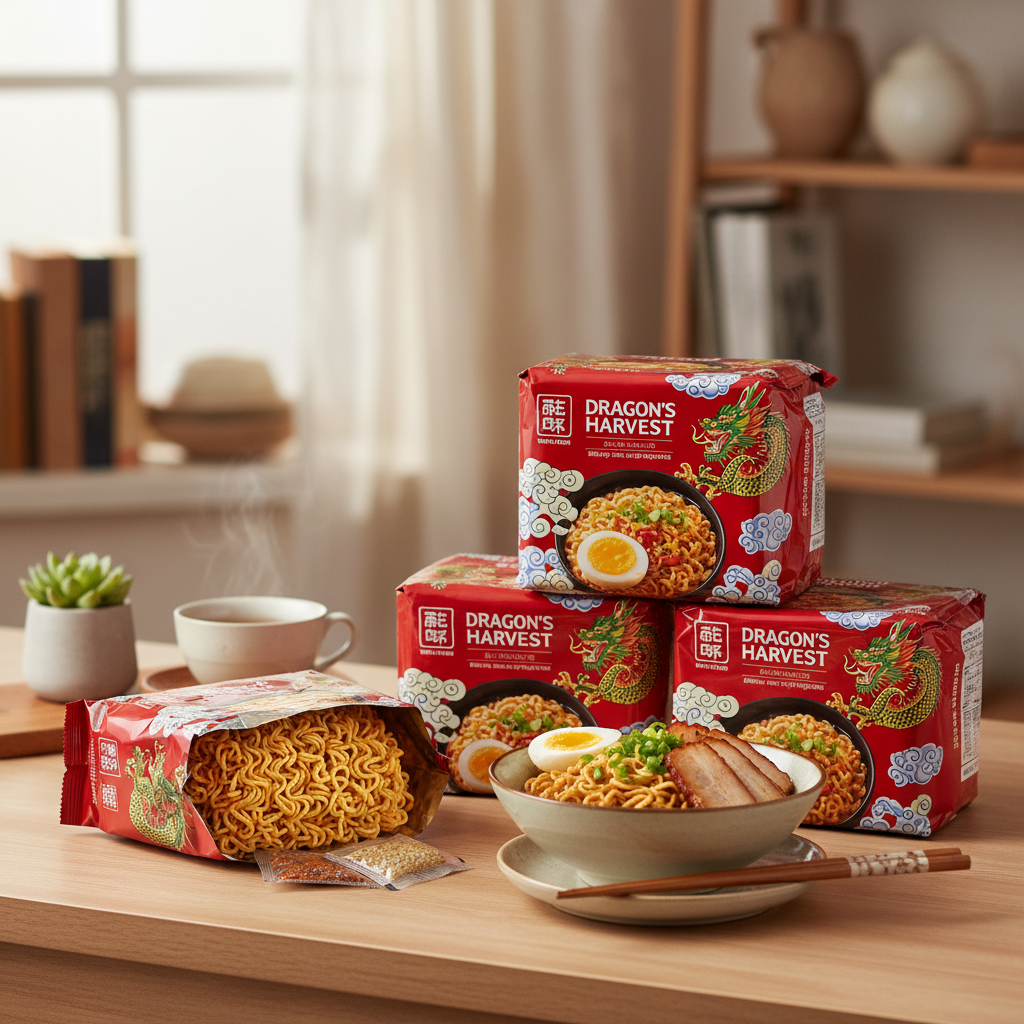
Packet noodles, a globally accessible and affordable food source, have become a staple in countless households. Their convenience, long shelf life, and low cost make them particularly valuable in regions facing food insecurity or logistical challenges. Understanding the nuances of packet noodles—from their nutritional content to their environmental impact—is crucial for addressing both immediate hunger needs and long-term sustainability goals.
The prevalence of packet noodles reflects a broader trend towards convenience foods in a fast-paced world. However, their affordability and ease of preparation also mean they are frequently relied upon by vulnerable populations, making them an important consideration in disaster relief efforts and humanitarian aid programs. This accessibility is further enhanced by continuous innovation in flavors and ingredients.
The impact of packet noodles extends beyond mere sustenance. They represent a complex interplay of global food systems, economic accessibility, and cultural adaptation. Analyzing their role offers valuable insights into issues like food security, nutritional deficiencies, and the challenges of providing affordable, convenient meals to a growing global population. Ultimately, the humble packet noodle embodies a significant aspect of modern food culture.
The Global Significance of Packet Noodles
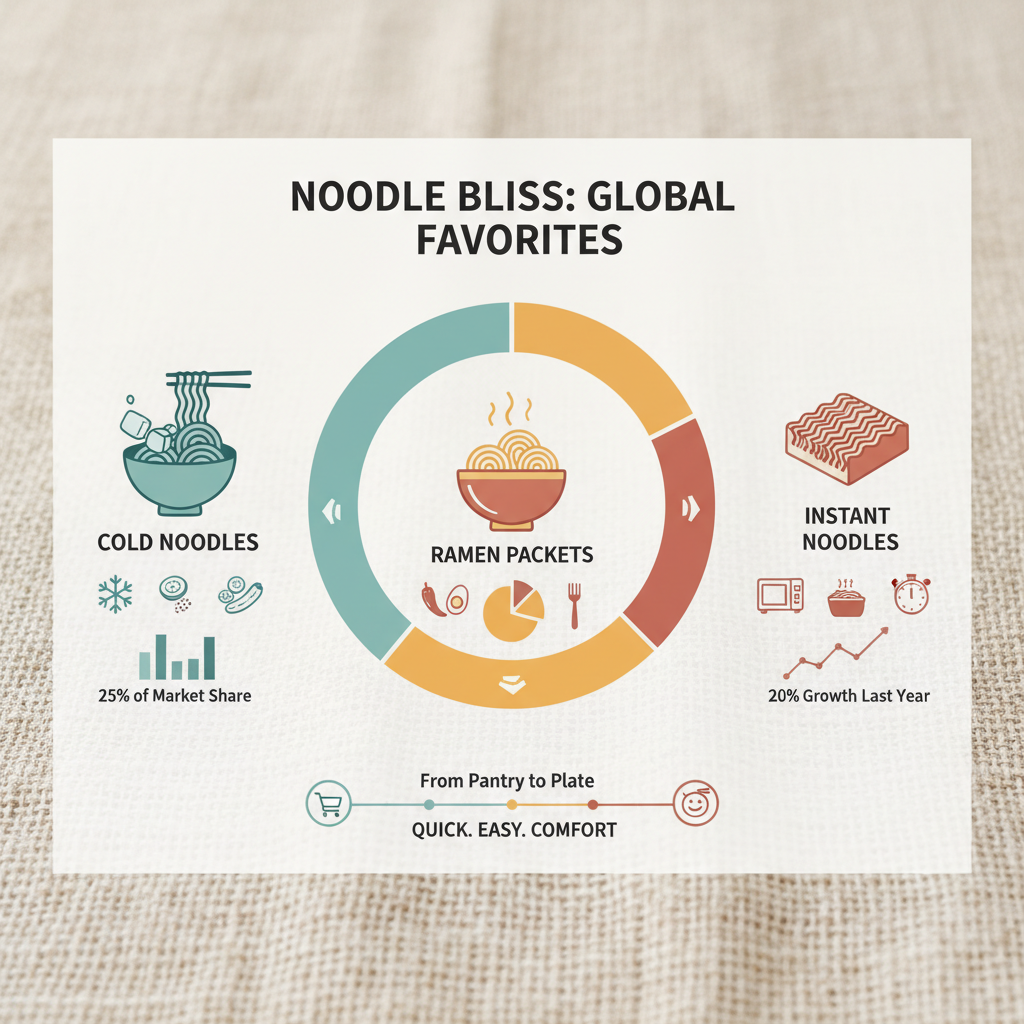
The global market for packet noodles is immense, with billions of servings consumed annually. According to World Bank data, these noodles are a crucial food source in developing nations, providing a readily available source of calories for populations facing economic hardship. Their affordability and ease of preparation often make them the most accessible option during times of crisis.
Packet noodles transcend geographical boundaries, being a common sight in homes across Asia, Africa, and increasingly, in Western countries. Their popularity isn't solely due to cost, but also to cultural adaptation – with numerous variations catering to local tastes and preferences. This widespread demand emphasizes the role of packet noodles as a critical element in global food security and dietary habits.
Defining Packet Noodles: Convenience and Accessibility
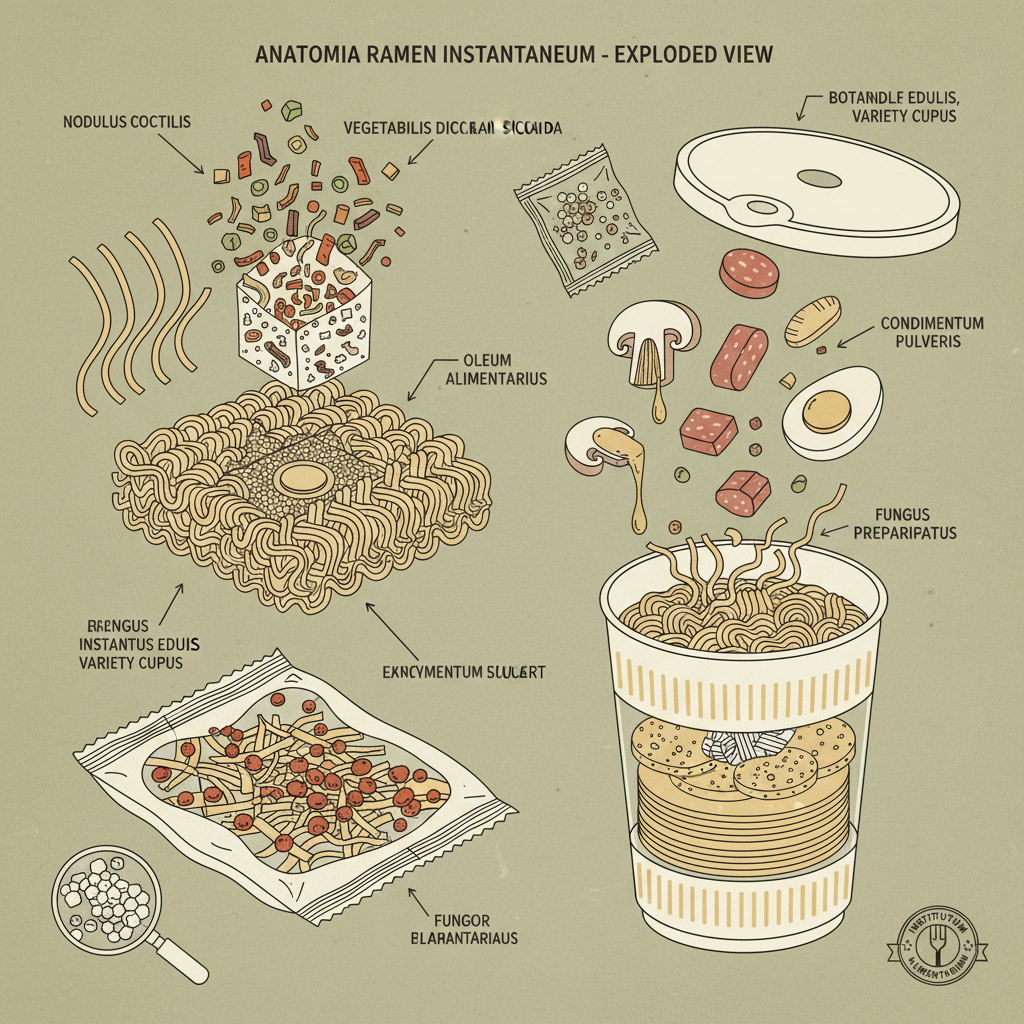
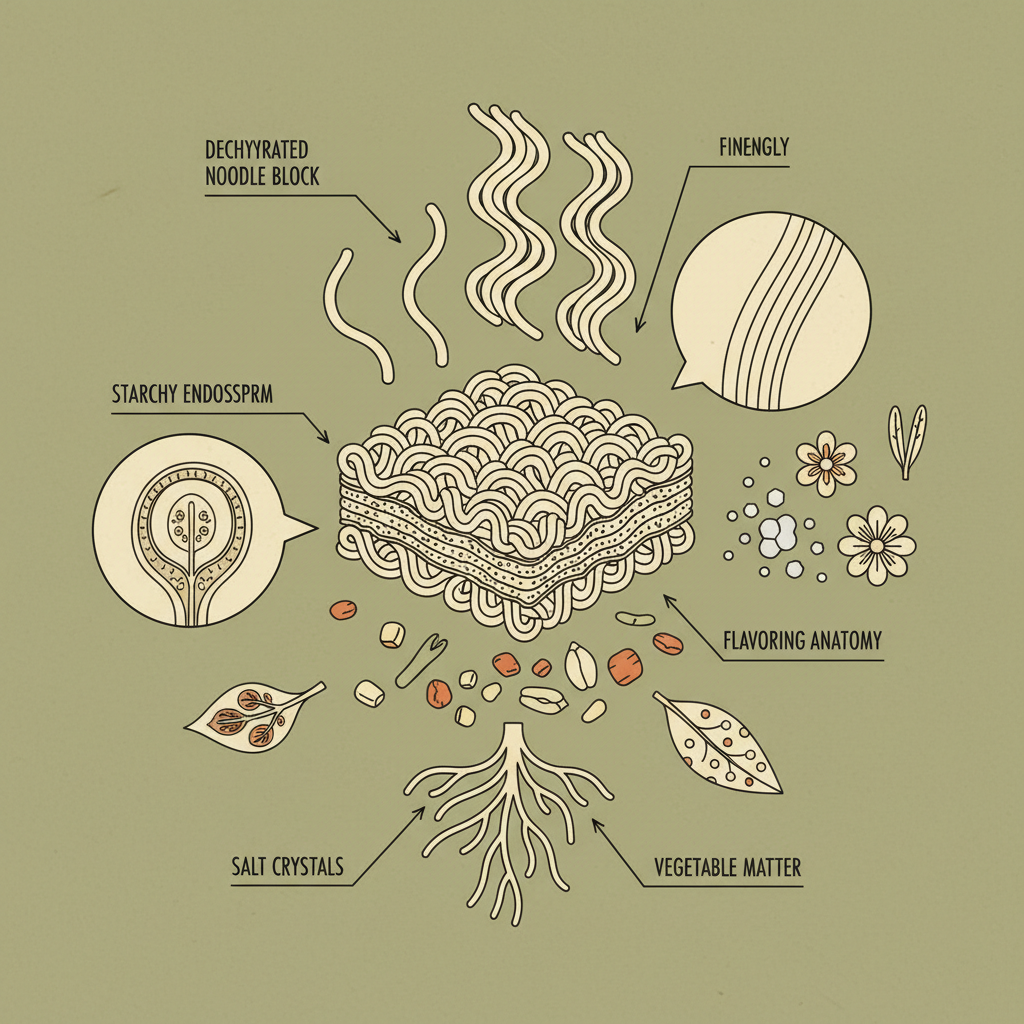
Packet noodles are typically dehydrated or pre-cooked noodles, often made from wheat flour, packaged with a flavoring packet containing seasoning, spices, and often a dried vegetable component. They are designed to be quickly prepared by simply adding hot water, making them an ideal solution for individuals with limited time or cooking facilities. Their long shelf life and compact packaging contribute to their ease of storage and transportation.
The modern packet noodle has evolved from its origins in post-war Japan, where Momofuku Ando invented the instant ramen in 1958. Initially designed to address food shortages, it quickly gained popularity for its convenience. The core principle behind packet noodles – providing a readily available, affordable meal – remains central to their relevance in today’s world.
This concept aligns directly with modern logistical needs and humanitarian requirements. Packet noodles represent a practical and efficient solution for feeding large populations in emergency situations, offering a stable food supply when other options are limited or unavailable. Their ease of distribution and minimal preparation requirements make them a vital tool for disaster relief organizations.
Core Components of Packet Noodle Production
The production of packet noodles involves several key components, starting with the sourcing of raw materials. Wheat flour is the primary ingredient for the noodles themselves, with variations utilizing rice flour or other starches. The flavoring packets are a complex blend of ingredients, including salt, monosodium glutamate (MSG), spices, dehydrated vegetables, and flavor enhancers. The quality of these components significantly impacts the final product's taste and nutritional value.
Beyond the ingredients, the manufacturing process itself is crucial. This includes noodle extrusion, steaming, frying (or air-drying for healthier options), cutting, and packaging. Modern facilities employ automated systems to ensure consistent quality and high production volumes. The packaging material, designed to maintain freshness and protect against damage, also plays a critical role in the overall product lifecycle.
Finally, quality control measures are essential throughout the entire process, from raw material inspection to final product testing. These measures ensure that packet noodles meet safety standards and maintain their intended flavor and texture. Regulations and certifications, like ISO standards, are frequently implemented to assure consumer confidence.
Key Factors Influencing Packet Noodle Quality
Several factors contribute to the quality of packet noodles. The type of wheat flour used directly affects the noodle’s texture and chewiness. High-gluten flour results in a firmer noodle, while lower-gluten flour yields a softer product. The quality of the oil used in the frying process impacts the noodle’s taste and shelf life.
The composition of the flavoring packet is also paramount. The balance of salt, MSG, and spices determines the overall flavor profile. The use of high-quality dehydrated vegetables can enhance the nutritional value and visual appeal of the noodles. Furthermore, packaging integrity is vital for preserving freshness and preventing spoilage.
Packet Noodle Quality Assessment
Global Applications and Humanitarian Use
Packet noodles are indispensable in disaster relief operations, providing a quick and easy source of sustenance to affected populations. Organizations like the Red Cross and World Food Programme frequently include packet noodles in emergency food rations due to their portability, long shelf life, and minimal preparation requirements. In post-disaster scenarios, they can be life-saving.
Beyond emergency situations, packet noodles are relied upon by individuals in remote industrial zones, construction sites, and military deployments where access to traditional cooking facilities is limited. Their convenience makes them a practical option for workers and personnel requiring quick and filling meals.
Advantages and the Long-Term Value Proposition
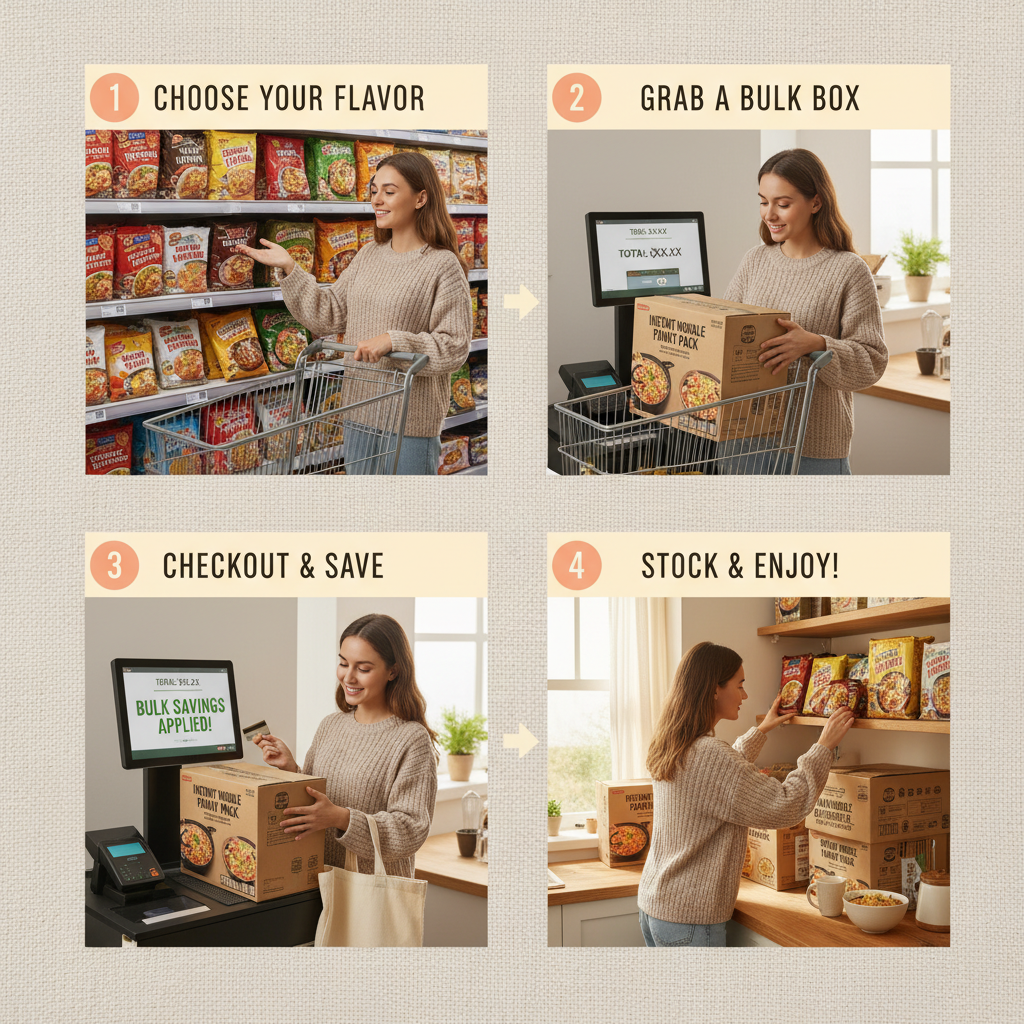
The primary advantage of packet noodles lies in their cost-effectiveness. They offer a substantial caloric intake for a relatively low price, making them accessible to individuals with limited budgets. Their long shelf life minimizes food waste, and their ease of preparation saves time and energy.
From a logistical perspective, packet noodles are incredibly efficient to transport and store. Their lightweight packaging reduces shipping costs, and their compact size allows for efficient use of storage space. This is particularly important for humanitarian organizations operating in remote or challenging environments.
However, it’s crucial to acknowledge the nutritional limitations. While providing calories, packet noodles often lack essential vitamins and minerals. Ongoing research focuses on fortifying packet noodles with these nutrients to improve their overall health value.
Future Trends and Innovations in Packet Noodles
The future of packet noodles lies in innovation focused on improving nutritional value and reducing environmental impact. Researchers are exploring alternative noodle ingredients, such as those derived from pulses or vegetables, to enhance protein and fiber content. Efforts are also underway to develop more sustainable packaging materials, reducing reliance on plastic.
Another trend is the development of healthier preparation methods, such as air-drying instead of frying, to reduce fat content. Furthermore, personalized flavoring options, catering to individual dietary needs and preferences, are gaining traction. Digital technologies, like QR codes on packaging providing nutritional information and cooking instructions, are also expected to become more prevalent.
The integration of sustainable practices throughout the entire supply chain, from sourcing raw materials to manufacturing and distribution, will be crucial for ensuring the long-term viability of packet noodles as a responsible food source.
Analysis of Future Packet Noodle Innovations
| Innovation Type |
Potential Impact |
Implementation Cost (1-10) |
Market Adoption Rate (1-10) |
| Nutrient Fortification |
Improved nutritional value; addresses deficiencies |
4 |
8 |
| Sustainable Packaging |
Reduced environmental impact; appeals to eco-conscious consumers |
7 |
7 |
| Air-Drying Process |
Lower fat content; healthier alternative |
6 |
6 |
| Alternative Flour Sources |
Increased protein and fiber content; caters to dietary restrictions |
5 |
5 |
| Personalized Flavoring |
Greater consumer choice; addresses individual preferences |
3 |
9 |
| Digital Information Integration |
Enhanced consumer engagement; provides nutritional details |
2 |
7 |
FAQS
The shelf life of packet noodles typically ranges from 6 to 12 months, depending on the packaging and storage conditions. Properly sealed packets stored in a cool, dry place will maintain their quality for the longest duration. Checking the expiration date printed on the packaging is crucial for ensuring food safety and optimal taste.
While convenient and affordable, standard packet noodles aren’t generally considered a highly nutritious food. They are often high in sodium, carbohydrates, and processed ingredients, while being low in essential vitamins and minerals. However, there are increasingly healthier options available, fortified with vitamins or made with alternative flours, that offer a better nutritional profile.
Packet noodles are a staple in disaster relief efforts due to their portability, long shelf life, and ease of preparation. They can be quickly distributed to affected populations without requiring extensive cooking facilities or refrigeration. Their caloric content provides a vital energy source during emergencies when access to other food sources is limited.
The most common allergens found in packet noodles include wheat (gluten), soy, and MSG. Some flavoring packets may also contain traces of peanuts or other nuts. Individuals with allergies should carefully review the ingredient list on the packaging before consuming packet noodles.
Yes, there is growing research and development into sustainable packaging alternatives for packet noodles. These include biodegradable and compostable materials made from plant-based sources, as well as recyclable plastics. However, scaling up production and maintaining cost-effectiveness remain challenges for wider adoption.
To reduce the sodium content, use only a portion of the flavoring packet or dilute it with water. You can also add fresh vegetables, lean protein, and spices to enhance the flavor and nutritional value. Consider rinsing the noodles after cooking to remove some of the excess sodium. Experimenting with alternative seasonings can also help you create a healthier meal.
Conclusion
Packet noodles have evolved from a post-war necessity to a globally consumed staple, representing a complex intersection of convenience, affordability, and food security. Their enduring popularity is testament to their adaptability and ability to meet the needs of diverse populations, from providing quick meals for busy individuals to serving as a crucial food source in times of crisis. Understanding their production, application, and potential for future innovation is paramount to maximizing their benefits while mitigating their limitations.
Looking ahead, continued research and development focused on nutritional enhancement, sustainable packaging, and responsible sourcing practices will be essential. By embracing innovation and prioritizing consumer well-being, the packet noodle can continue to play a valuable role in addressing global food challenges and promoting a more sustainable food system. Visit our website: www.jxsemidrynoodles.com for more information.