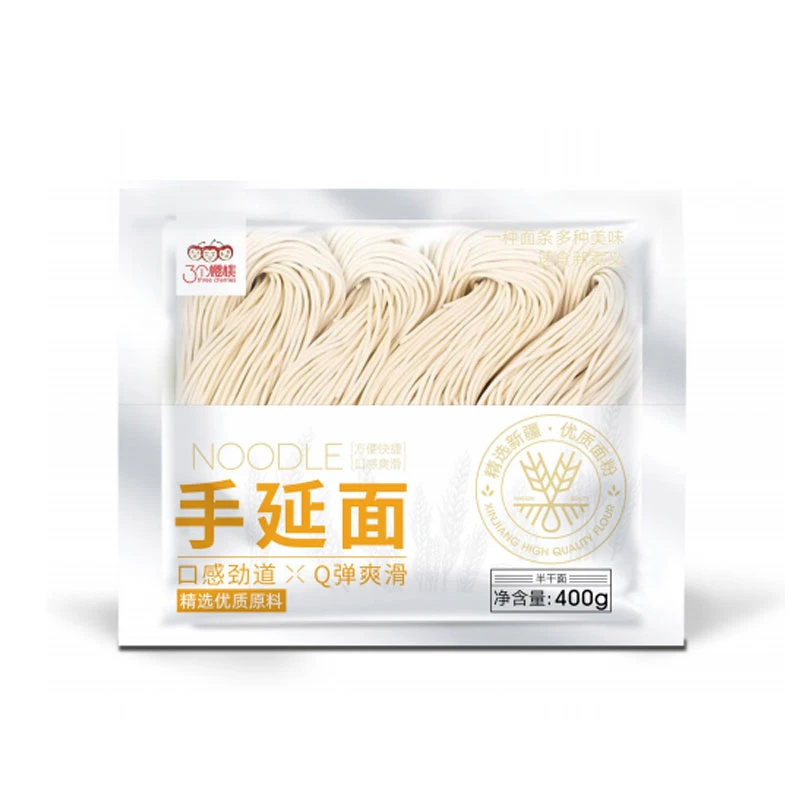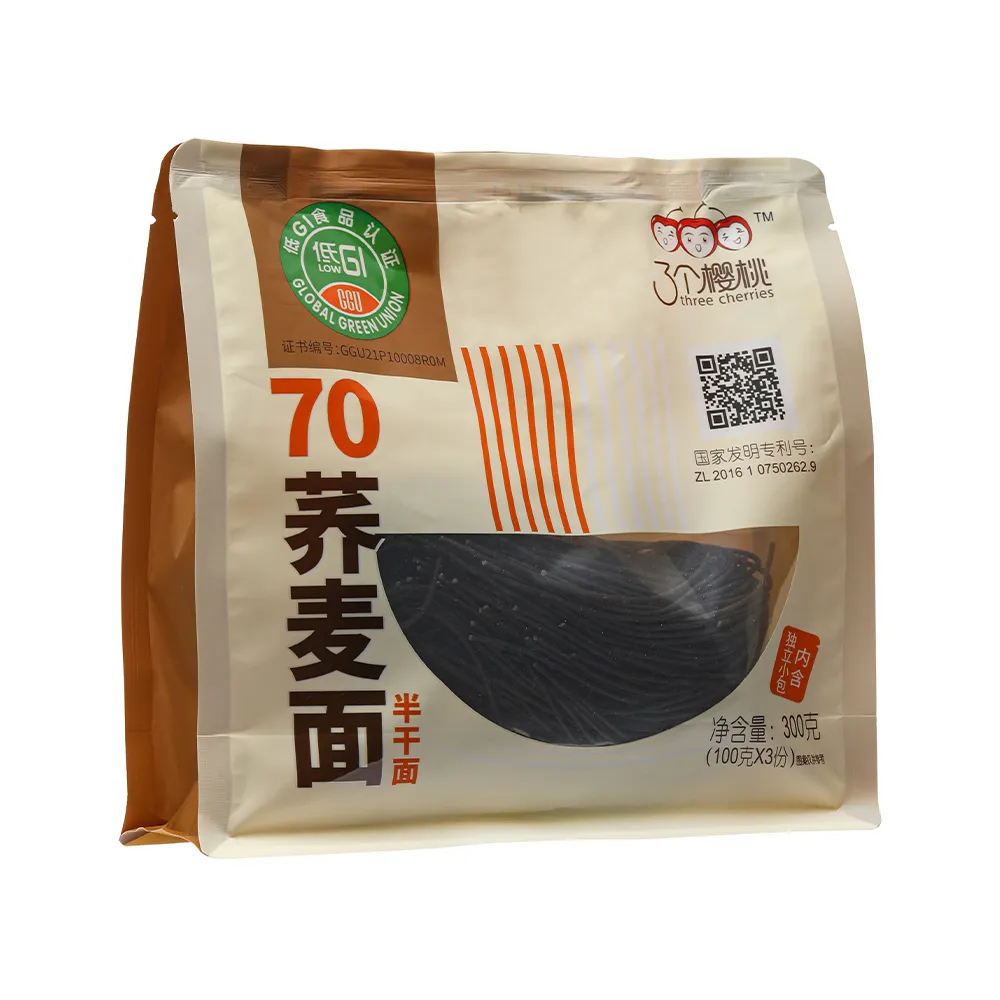

Hand Pulled Lanzhou Noodles: Authentic Craftsmanship & Global Culinary Trend
Hand Pulled Lanzhou Noodles: A Culinary Tradition with Global Appeal
Hand pulled Lanzhou noodles are more than just a dish; they represent a culinary art form deeply embedded in Chinese culture and increasingly appreciated worldwide. Understanding the craft and global fascination of hand pulled Lanzhou noodles provides insight into how tradition meets modern food trends, fostering cultural exchange and culinary innovation.
Introduction: The Global Relevance of Hand Pulled Lanzhou Noodles
In recent years, Chinese cuisine has taken center stage on the international food scene, with dishes like hand pulled Lanzhou noodles leading the pack. According to a market study by the World Food Organisation (WFO), the demand for authentic regional noodles surged by over 20% globally in the past decade. The challenge, however, lies in preserving the integrity of this artisan method amidst scalable industrial practices.
Why does this matter? Well, as the world becomes a melting pot of cultures and cuisines, the authenticity of foods like hand pulled Lanzhou noodles bridges cultural divides, promotes sustainable artisan food practices, and supports local economies.
What Are Hand Pulled Lanzhou Noodles?
Simply put, hand pulled Lanzhou noodles are a traditional Chinese noodle variety originating from Lanzhou, in Gansu province. Made by repeatedly stretching and folding dough by hand, these noodles boast a unique texture—elastic, chewy, and silky. Unlike machine-made noodles, these are prized for their freshness and the craftsmanship behind each strand.
This craft aligns closely with modern culinary industries emphasizing artisan techniques, small-batch production, and traceable food sources, increasingly important in a globalized food market.
Key Components of Hand Pulled Lanzhou Noodles
Dough Quality
Dough ingredients typically include high-gluten wheat flour, water, salt, and sometimes additives like baking soda. The gluten content dictates the dough’s elasticity, essential for successful noodle pulling.
Stretching Technique
The stretching and folding process requires dexterity and timing. Master chefs pull the dough into multiple thin strands, showcasing years of skill refinement. Oddly enough, the rhythm of dough pulling almost feels like a dance—fluid and deliberate.
Cooking Method
Immediately after pulling, the noodles are boiled in clear broth or water, preserving their springy texture. Traditional toppings include beef slices, coriander, and chili oil, but regional variations abound.
Cultural Authenticity
Every bowl tells a story—of tradition, history, and regional identity. Protecting this authenticity is key to maintaining the dish’s global appeal and soulful taste.
Product Specification Table for Hand Pulled Lanzhou Noodles
| Specification | Detail |
|---|---|
| Origin | Lanzhou, Gansu, China |
| Primary Ingredients | High-gluten wheat flour, water, salt |
| Preparation Time | Approx. 30 minutes (including pulling and cooking) |
| Shelf Life | Best fresh; refrigeration up to 2 days |
| Texture | Elastic, chewy, silky |
Global Applications and Real-World Use Cases
You might wonder, aside from being a delicious meal, how do hand pulled Lanzhou noodles fit into broader contexts? Well, their rising popularity shows up in various arenas.
- Food Festivals and Cultural Exchange: Cities across North America and Europe often feature hand pulled Lanzhou noodles as showcase dishes. They invite cross-cultural appreciation and invite Asian diaspora communities to celebrate heritage.
- Cooking Schools & Culinary Innovation: Culinary institutes incorporate hand pulling techniques to teach dough manipulation and artisan food craft skills.
- Restaurant Chains & Supply Chains: Some chain restaurants have adopted semi-automated hand-pulling methods, marrying tradition with efficiency.
In remote regions where industrial convenience food dominates, introducing hand pulled noodles community kitchens promotes nutrition and preserves cultural taste identities.
Vendor Comparison Table of Popular Lanzhou Noodle Brands
| Vendor | Authenticity | Price Range | Availability | Notes |
|---|---|---|---|---|
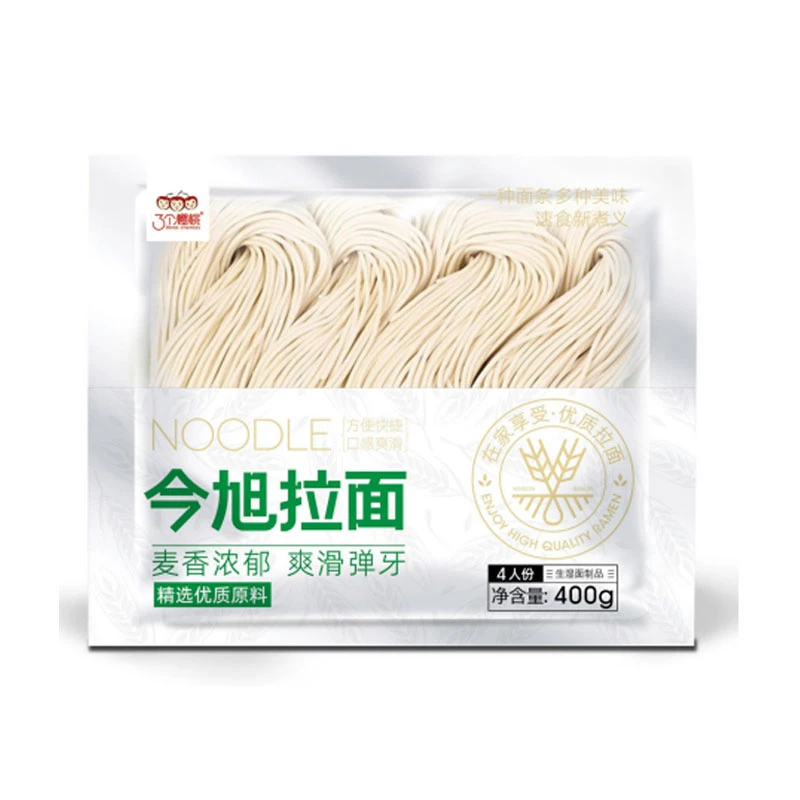
| JX Semi Dry Noodles | High (Traditional Method) | $$ | International Shipping | Popular with restaurateurs |
| Lanzhou Master | Medium (Semi-automated) | $ | Domestic China Only | Affordable for local markets |
| Global Noodle Co. | Low (Machine Made) | $$$ | Worldwide | Mass-market convenience |
Advantages and Long-Term Value of Hand Pulled Lanzhou Noodles
What keeps enthusiasts coming back to this noodle type? Frankly, it’s the blend of sensory delight and cultural depth. Here’s the lowdown:
- Superior Texture & Freshness: Unlike factory noodles, hand pulled aliquots deliver unmistakable bite and chewiness.
- Sustainable Craftsmanship: Supporting artisan noodle makers helps preserve culinary heritage and supports local economies.
- Health & Safety: Made fresh with limited additives, they appeal to health-conscious diners.
- Emotional Connection: Eating hand pulled noodles often feels like participating in a living tradition.
It’s not just about flavor—it’s about the story and the people behind every bowl.
Emerging Trends & Innovations
Oddly enough, even century-old techniques like hand pulling noodles are evolving thanks to modern tech and ideas:
- Digital Training Tools: Virtual reality is helping chefs learn pulling techniques remotely.
- Sustainable Ingredients: Experimentation with alternative flours (e.g., organic, gluten-free blends) to widen accessibility.
- Automation Assistance: Robots are assisting with initial dough dividing without sacrificing much of the handmade quality.
Challenges & Innovative Solutions
Scaling this craft isn’t without its hurdles. Labor intensity, skill shortages, and maintaining quality at scale can be real headaches. Some vendors solve this by:
- Implementing apprenticeship programs to pass down skills.
- Blending hand and machine processes to boost output while retaining texture.
- Creating more accessible starter kits or online tutorials for home cooks everywhere.
Frequently Asked Questions About Hand Pulled Lanzhou Noodles
1. Are hand pulled Lanzhou noodles healthier than machine-made noodles?
Generally, yes. Hand pulled noodles are made fresh with simple ingredients and no preservatives, which can mean fewer additives compared to some mass-produced noodles. The freshness also lends better nutrient retention, but overall impact depends on recipe and cooking method.
2. How long does it typically take to master the hand pulling technique?
Mastering the technique can take months to years. It demands practice to develop dough texture understanding and the rhythmic stretching skills. Many chefs apprentice under experts to gain proficiency.
3. Can I prepare hand pulled Lanzhou noodles at home without special tools?
Yes! While it helps to have a good countertop and strong arms, basic kitchen space suffices. There are many online tutorials that break down the pulling steps, and dough recipes require minimal ingredients.
4. Is there a way to order authentic hand pulled Lanzhou noodles internationally?
Absolutely. Vendors like JX Semi Dry Noodles offer international shipping options. However, freshness is best guaranteed locally or within short shipping times.
5. What can I serve with hand pulled Lanzhou noodles?
Traditional toppings include sliced beef, cilantro, chili oil, and radish. But the noodles are versatile and pair well with various broths, vegetables, or stir-fried dishes.
Conclusion: Savoring Tradition in a Modern World
Hand pulled Lanzhou noodles exemplify how cultural heritage can thrive in a globalized food landscape. Their unique craftsmanship, sensory joy, and deep traditions provide nourishment beyond just calories—offering connection and authenticity. Curious to try or source authentic noodles yourself? Visit our website to explore more and bring home the art of hand pulled Lanzhou noodles.
In the end, it’s a simple bowl of noodles that carries the weight of centuries—and a reminder that some things, done by hand, just taste better.
References
-
Discover the Authentic Taste of Korean Buckwheat NoodlesNewsApr.16,2026
-
Discover the Refreshing Taste of Authentic Korean Cold SobaNewsApr.09,2026
-
Discover the Refreshing Taste of Korean Cold Buckwheat Noodles NaengmyeonNewsApr.07,2026
-
Discover the Cool and Refreshing World of Korean Buckwheat Noodles ColdNewsApr.04,2026
-
Discover the Refreshing Taste of Japanese Cold Buckwheat Noodles and Zaru SobaNewsMar.31,2026
-
Exploring the Delicious World of Chinese Style Cold NoodlesNewsMar.28,2026
-
Discover the Cool and Refreshing World of Korean Cold Soba NoodlesNewsMar.26,2026
Browse qua the following product new the we