
The Art and Impact of Hand Made Noodles: Tradition Meets Global Relevance
Hand Made Noodles: An Age-Old Craft with Global Impact
When you hear hand made noodles, you might think of a busy kitchen where dough is stretched and pulled with skillful hands. But, strangely enough, this humble foodstuff carries a much broader significance beyond its delicious, comforting taste. Globally, hand made noodles are not just a staple dish but a cultural bridge and a living tradition that embodies craftsmanship, sustainability, and local economies. Understanding what hand made noodles are and why they continue to matter is more than about food — it's about preserving heritage, boosting small businesses, and even supporting food security in vulnerable communities.
Global Context: Why Hand Made Noodles Still Hold a Special Place
According to the Food and Agriculture Organization (FAO) of the United Nations, cereals like wheat are a key part of diets worldwide. Noodles, especially hand made ones, are a channel to utilize these staple crops in a form that connects heritage and nutrition. The noodle industry, broadly speaking, including both mass production and artisanal varieties, generated revenues surpassing $40 billion globally in recent years [1]. Oddly enough, even with advanced automation, hand made noodles hold a significant market share in regions such as East Asia and parts of Europe, valued for their unique textures and freshness.
However, challenges such as industrialization, loss of artisanal skills, and supply chain disruptions pose risks to this delicate craft. Understanding hand made noodles helps us appreciate the mats, skills, and the careful work that goes into these food traditions — skills that also empower small producers in rural areas to compete in a global market.
What Are Hand Made Noodles?
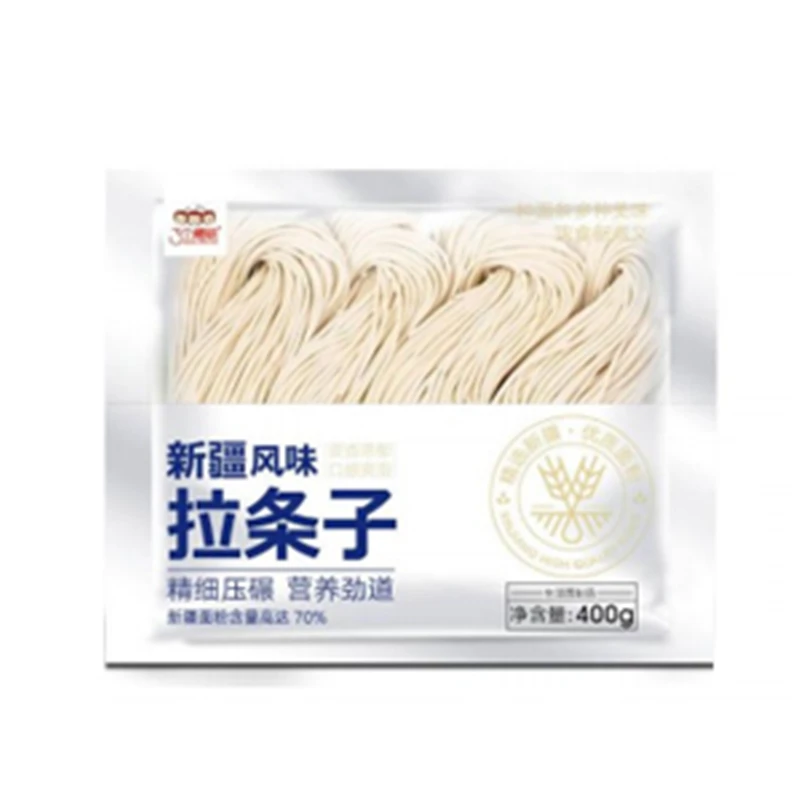
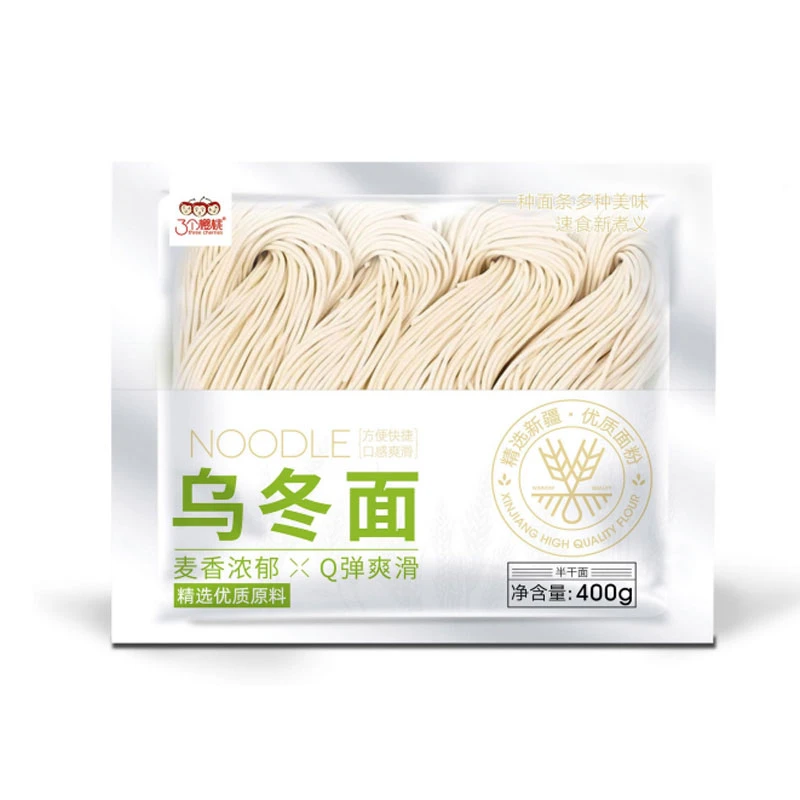
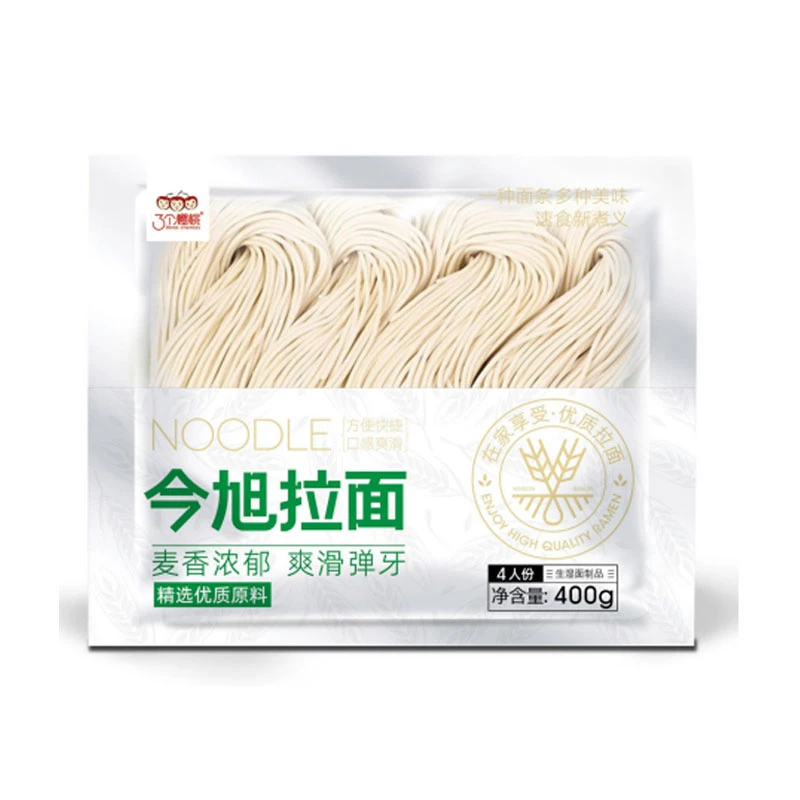
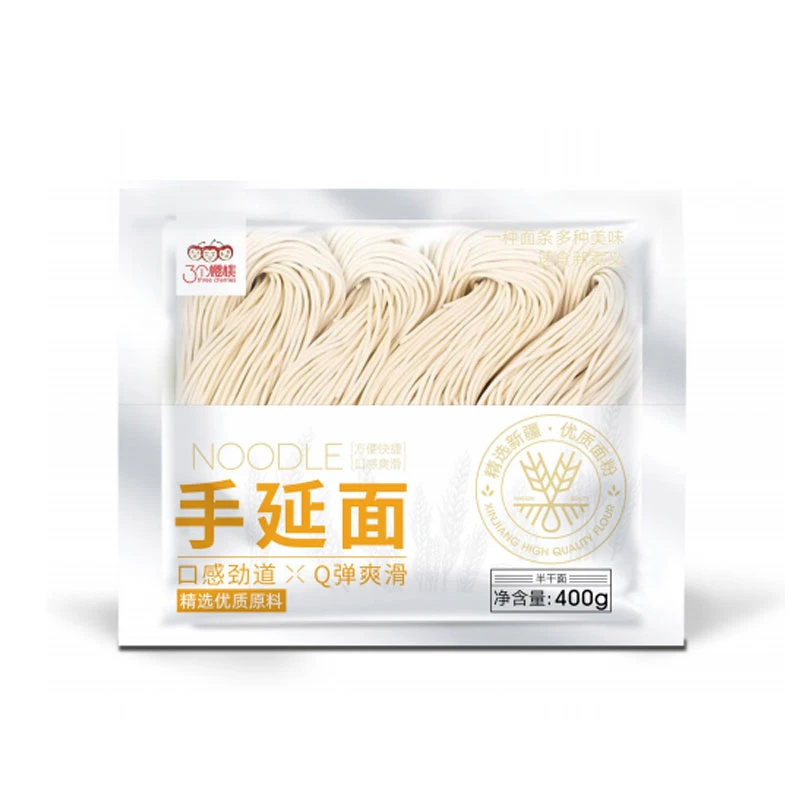
Simply put, hand made noodles are fresh noodles crafted by hand rather than automated machines. The process typically involves mixing flour, water, and sometimes eggs or other ingredients, kneading dough to the right consistency, and then rolling or stretching it by hand before cutting or pulling it into thin strands. The artistry lies in the dough’s elasticity and the cook’s practiced touch, making each batch slightly unique.
Besides culinary value, hand made noodles connect with modern food movements emphasizing artisanal quality, local sourcing, and minimal processing. They also serve humanitarian needs — for instance, community kitchens and food aid organizations often rely on handmade fresh foods to provide nourishing meals quickly without heavy industrial requirements.
Key Factors That Define Hand Made Noodles
1. Ingredient Quality
Flour type and freshness dramatically influence the texture and taste. Producers often use high-protein wheat flours, which give dough strength and elasticity. Water quality and even ambient humidity patterns impact the dough’s behavior during hand stretching or rolling.
2. Craftsmanship and Skill
Hand made noodles demand dexterity and experience. The stretching and pulling techniques develop over years. Consistency, thickness, and cooking time all depend on the artisan's judgment.
3. Freshness and Texture
Compared to industrially dried noodles, handmade fresh noodles are tender and soft but slightly chewy. This texture is often prized in traditional cuisines such as Chinese lamian or Japanese udon.
4. Production Scalability
While handmade production is inherently limited in scale, clever use of small batch methods allows local businesses to serve neighborhood markets or specialty restaurants efficiently. It reflects a balance between artisanal quality and production needs.
5. Cultural and Social Importance
Handmade noodles often carry symbolic value — from family recipes to festival foods — preserving intangible cultural heritage.
Product Specification Table: Typical Hand Made Noodles Attributes
| Attribute | Description | Typical Range |
|---|---|---|
| Flour | High-gluten wheat, sometimes mixed with egg | 60-70% protein content |
| Dough hydration | Amount of water relative to flour | 30-35% |
| Thickness | Variable by style and region | 1-3 mm |
| Processing time | From mixing to cooking | 30-90 minutes |
Global Applications & Use Cases
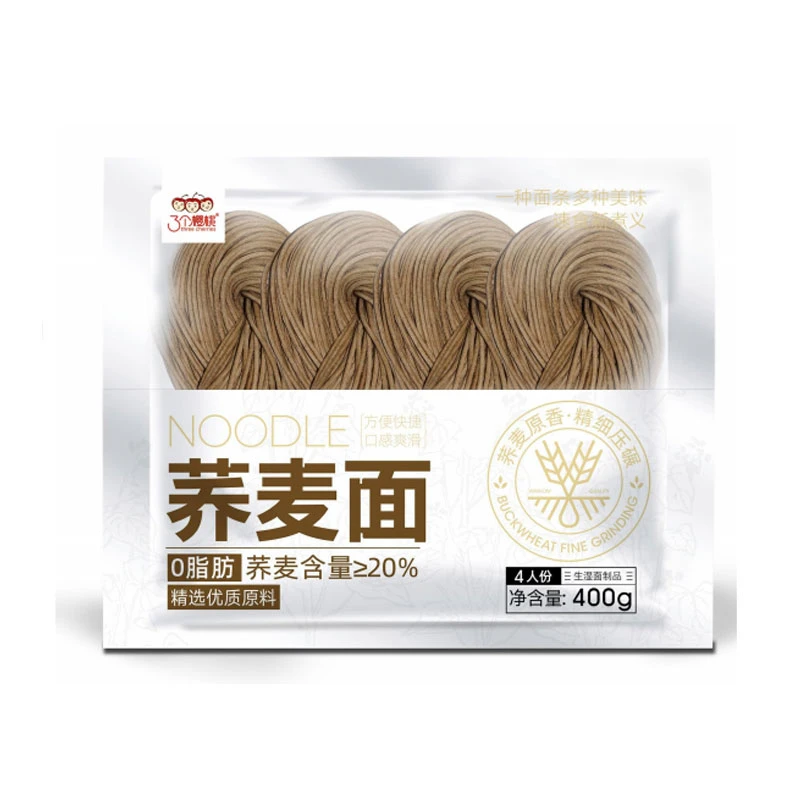
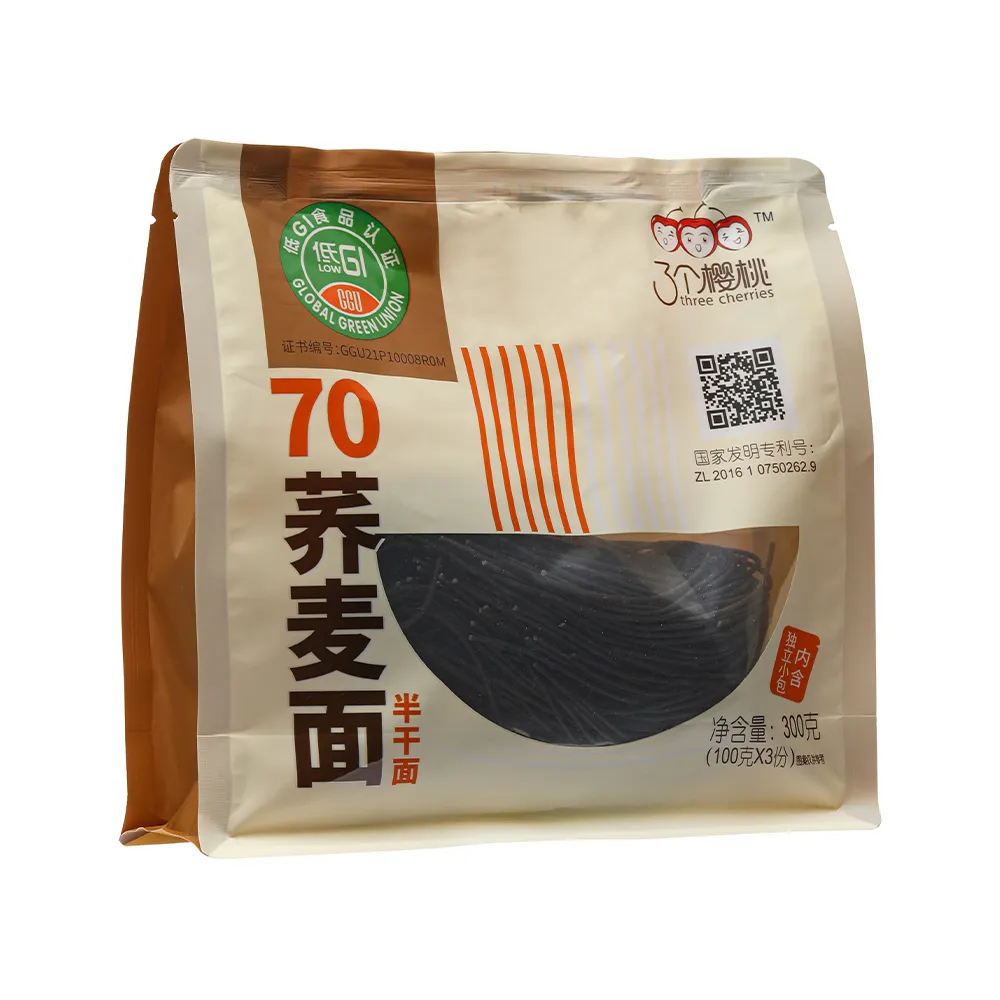
Hand made noodles play a notable role in diverse settings. East Asia has been the heartland — think Chinese night markets or Japanese soba makers laboring over fresh buckwheat dough. In Italy, though the pasta varieties differ, many artisans still hand cut classic tagliatelle or pappardelle, embodying similar craftsmanship values.
In disaster relief and humanitarian aid, freshly prepared noodles are practical for community kitchens in camps where electricity or machinery is scarce. They use simple ingredients and manual labor, elevating food dignity and nutrition simultaneously. In rural economies, promoting local noodle makers contributes to income generation and cultural tourism.
Vendor Comparison: Notable Hand Made Noodles Producers
| Vendor | Specialty | Production Scale | Price Range (per kg) |
|---|---|---|---|
| Qingdao Artisan Noodles | Traditional Chinese pulled noodles | Small to medium | $5 - $7 |
| Roma Pasta Artigianale | Hand-cut Italian pasta | Small | $8 - $12 |
| NoodleCraft Japan | Fresh udon and soba noodles | Medium | $6 - $9 |
Advantages & Long-Term Value of Hand Made Noodles
Beyond the obvious gustatory pleasures lies a range of benefits worth reflecting on. Hand made noodles promote small-scale economies, empowering artisans and preserving heritage skills. The relatively low environmental footprint — avoiding heavy mechanization and preservatives — aligns well with today's push for sustainability.
Emotionally, there is something profoundly reassuring about eating noodles made with care, to recipes passed down through generations. This tradition builds community bonds and fosters consumer trust, values that large-scale industrial products sometimes lack.
Future Trends and Innovations
Interestingly, innovations are emerging that blend tradition with technology. For example, some small producers use digital scales and moisture sensors to ensure consistent dough qualities. Advances in flour varieties — including ancient grains and gluten alternatives — open new texture and nutrition profiles.
Others experiment with more sustainable packaging or sourcing organic wheat. Sustainable food policies and consumer demand for artisanal goods suggest this niche will not just survive but thrive, albeit evolving gracefully.
Challenges & Solutions
Of course, hand made noodles face hurdles: labor intensity, inconsistent supply chain ingredients, or limited shelf life. But producers mitigate these by taking advantage of refrigerated distribution or combining partial mechanization with hand finishing.
Training programs and artisan cooperatives help preserve skills and reduce costs. Frankly, the charm of handmade noodles sometimes means embracing imperfection — something industrial products can't claim.
FAQ: Frequently Asked Questions About Hand Made Noodles
- Q: How do hand made noodles differ nutritionally from mass-produced ones?
A: Hand made noodles often use fresher, simpler ingredients without preservatives, which can lead to better nutrient retention and digestibility. Their freshness also means better taste and texture but shorter shelf life. - Q: Can handmade noodles be scaled for commercial production?
A: While inherently artisanal and small batch, scalable approaches exist through semi-automated stations combined with manual finishing that maintain quality but allow larger quantities. - Q: What is the shelf life of fresh handmade noodles?
A: Typically, fresh hand made noodles last 1-3 days refrigerated. Vacuum sealing or freezing can extend life but may affect texture. - Q: Are handmade noodles healthier?
A: Often yes, since they avoid additives and use fewer preservatives. But it depends on ingredients; for instance, egg noodles have more protein but also calories. - Q: How are hand made noodles integrated into modern culinary trends?
A: Chefs increasingly feature them in fusion dishes and farm-to-table menus, highlighting texture and artisanry in contrast to mass-produced pasta.
Conclusion & Call to Action
In the long run, hand made noodles represent more than food — they are a living culture, a source of livelihood, and a beacon of sustainability and taste. Whether you savor them in a bustling street market or at a fine table, you're partaking in history and craft that resonates worldwide.
If you're curious to explore authentic taste or engage with producers who truly honor the craft, don't hesitate to visit our website. Dive into the rich world of hand made noodles—a tradition worth savoring and preserving.
Mini takeaway: Hand made noodles might be simple at face value, yet they carry layers of cultural, economic, and nutritional importance that deserve recognition and support.
References:
-
Discover the Authentic Taste of Korean Buckwheat NoodlesNewsApr.16,2026
-
Discover the Refreshing Taste of Authentic Korean Cold SobaNewsApr.09,2026
-
Discover the Refreshing Taste of Korean Cold Buckwheat Noodles NaengmyeonNewsApr.07,2026
-
Discover the Cool and Refreshing World of Korean Buckwheat Noodles ColdNewsApr.04,2026
-
Discover the Refreshing Taste of Japanese Cold Buckwheat Noodles and Zaru SobaNewsMar.31,2026
-
Exploring the Delicious World of Chinese Style Cold NoodlesNewsMar.28,2026
-
Discover the Cool and Refreshing World of Korean Cold Soba NoodlesNewsMar.26,2026
Browse qua the following product new the we