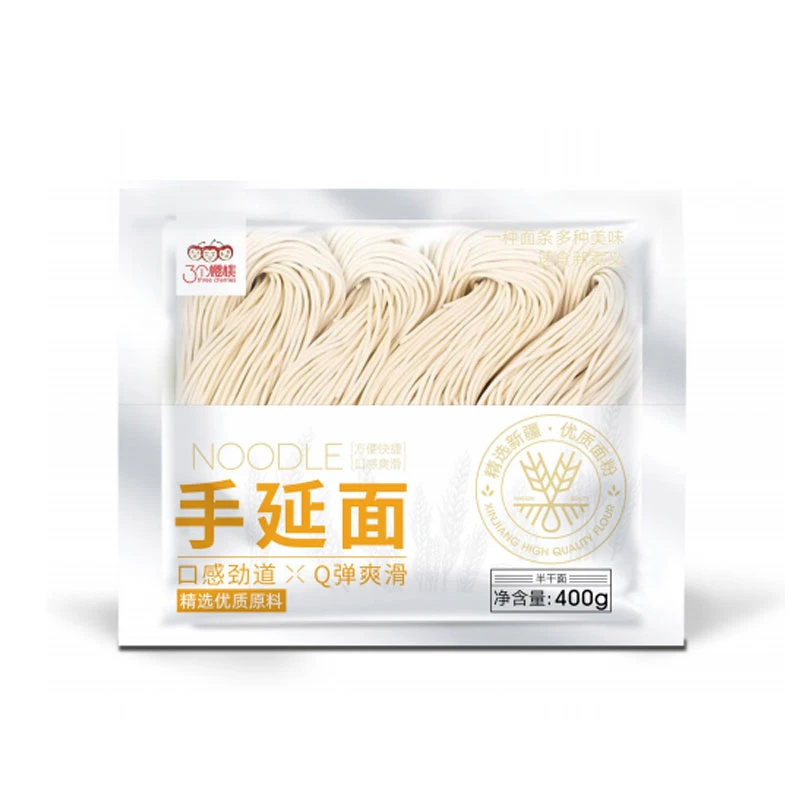

Hand Make Noodles: Insights from Industrial Experts
Hand Make Noodles: An Industrial Perspective
Having spent years in the industrial equipment business, I have to say, the art of hand make noodles fascinates me far more than I initially expected. Oddly enough, much of the precision and craftsmanship in industrial machinery translates interestingly into the humble noodle-making process. And trust me, it’s not just about rolling dough—there’s a subtle blend of materials, technique, and even testing that ensures the best results.
When I first saw traditional noodle makers at work in a small factory tucked away in a less-known industrial town, I noticed their almost mechanical rhythm, yet every batch felt unique. This balance—between handcraft and production efficiency—is a tricky one. But manufacturers today have started to understand that embracing the artisanal quality actually adds value, even in a market dominated by automation.
Hand make noodles remain popular because, frankly, the texture and taste are hard to replicate with large-scale machines. This is partly due to the choice of raw materials—mainly wheat flour of specific grades—and partly due to the process itself. In real terms, it’s all about how kneading, resting, and stretching are controlled. Many engineers I know swear by the subtle variations influenced by even ambient humidity or bowl temperature.
Key Product Specifications for Making Hand Noodles
| Specification | Details |
|---|---|
| Flour Type | High-protein wheat flour (11-13% protein) |
| Water Ratio | Typically 30%-35% by weight |
| Resting Time | 30 to 60 minutes for dough relaxation |
| Dough Temperature | Around 24-26°C ideal |
| Kneading Method | Manual with periodic folding for gluten development |
| Cutting Thickness | 2-3 mm preferred for chewy texture |
One thing I’ve noticed over the years is how even a small tweak in flour quality affects the noodle’s elasticity. You can’t always just trust the specs on the bag—not without testing. Some manufacturers go the extra mile, incorporating small quality checks for gluten strength and moisture before each batch. When you see hand make noodles done properly, it really highlights the blend of science and tradition at play.
Comparing Top Vendors in Hand Make Noodle Ingredients
| Vendor | Flour Protein % | Price per Ton | Moisture Content % | Availability |
|---|---|---|---|---|
| Jiangsu Flour Co. | 12.5% | $350 | 14.0% | In-stock |
| Golden Grain Mills | 11.8% | $370 | 13.7% | Limited |
| Northern Valley | 13.0% | $360 | 14.2% | Pre-order |
Honestly, when I worked with a local noodle maker last year, they shared how switching from a standard bulk flour to a premium supplier radically improved their product consistency. It’s the kind of shift that seems minor until you taste the results. The softer texture, the ease of stretching without breaking, and even how the noodles absorb broth—these qualities matter deeply to both producers and consumers.
I suppose the appeal of hand make noodles lies in that very blend of technique, ingredient integrity, and a little bit of soul. For anyone considering entering this space or improving their product line, investing time in ingredient selection and process tweaking is non-negotiable. Sure, machines can speed things up, but some nuances just won’t transfer—no matter the tech.
So, next time you bite into a bowl of those satisfyingly chewy, hand-pulled noodles, remember there’s a whole story behind them—of industrial knowledge, patient hands, and centuries-old tradition harmonized through modern insights. And honestly, that’s what makes this topic so endlessly interesting in my book.
After all, quality in hand make noodles isn’t just made, it’s crafted.
References:
1. Industrial Flour & Gluten Standards, Food Tech Journal 2022
2. Handcrafted Noodle Production Methods, Asian Culinary Magazine 2023
3. Jiangsu Flour Co. Quality Reports 2023
-
Discover the Authentic Taste of Korean Buckwheat NoodlesNewsApr.16,2026
-
Discover the Refreshing Taste of Authentic Korean Cold SobaNewsApr.09,2026
-
Discover the Refreshing Taste of Korean Cold Buckwheat Noodles NaengmyeonNewsApr.07,2026
-
Discover the Cool and Refreshing World of Korean Buckwheat Noodles ColdNewsApr.04,2026
-
Discover the Refreshing Taste of Japanese Cold Buckwheat Noodles and Zaru SobaNewsMar.31,2026
-
Exploring the Delicious World of Chinese Style Cold NoodlesNewsMar.28,2026
-
Discover the Cool and Refreshing World of Korean Cold Soba NoodlesNewsMar.26,2026
Browse qua the following product new the we