
Hand Making Noodles: Craft Meets Industry Insights
The Art and Craft of hand making noodles
After years on the industrial equipment floor, I never quite expected to end up fascinated by something as simple yet intricate as hand making noodles. Oddly enough, the parallels between large-scale manufacturing and this traditional craft are striking. From the feel of the dough to the rhythm of stretching and folding, every step has a story—and a science—all rolled into one.
In real terms, hand making noodles isn’t just about creating food; it’s about intimacy with materials and technique. It’s similar to how engineers get to know their equipment. For example, the dough’s texture matters as much as raw materials in machine parts, and minor tweaks can transform an average batch into exceptional noodles.
Many traditional craftsmen will tell you that this process has barely changed in centuries. Yet, I've noticed innovations creeping in, often inspired by industrial insights — better flour blends, hydration ratios, and temperature controls adapted from food processing tech. There's an interesting overlap between tradition and modernity here that I personally find compelling.
A quick glance at essential noodle dough specs:
| Specification | Typical Range | Notes |
|---|---|---|
| Flour Type | High-protein wheat flour (10-12%) | For optimal gluten development |
| Water Content | 35-40% by weight | Adjust based on humidity & flour |
| Salt | 1-2% by flour weight | Enhances dough strength & flavor |
| Kneading Time | 12-15 minutes | Until smooth & elastic |
| Resting | 30-60 minutes | Crucial for gluten relaxation |
Now, you might wonder how the world’s various noodle makers compare. While big industrial players have massive machines, those invested in hand making noodles emphasize precision and tactile feedback. Below, I’ve tossed together a quick vendor comparison to highlight these differences. Honestly, it’s like comparing a vintage manual lathe to CNC equipment—each has its place but delivers a different experience and outcome.
| Vendor/Method | Production Scale | Automation Level | Customization | Ideal For |
|---|---|---|---|---|
| Traditional Hand Making | Low to Medium | Manual | High (texture, thickness, length) | Artisanal & specialty markets |
| Semi-automated Machines | Medium | Partial | Medium | Small to mid-size producers |
| Fully Automated Industrial Lines | High | Full | Low (standard specs) | Mass market noodles |
During a recent visit to a small noodle workshop in Asia, I had the chance to try my hand at the dough. Let me tell you, the difference between hand and machine processing isn’t merely about speed—it’s sensory. You can literally feel the dough respond to your fingers, which helps decide when to pause or fold. Some engineers I spoke with joked that it’s like “touch-based quality control.” Quite poetic if you ask me.
What I appreciate most about hand making noodles is how it invites you to slow down and appreciate subtlety. In an industry often obsessed with efficiency metrics and throughput, this method reminds us why craftsmanship still matters. And frankly, the end product tastes noticeably richer, more textured—in a way machines haven’t quite replicated.
Whether you’re a home cook curious about the traditional art or an industrial professional bridging manual techniques with technology, hand making noodles offers insights into material science, process control, and even human factors. It’s a small-scale dance of chemistry and skill, and honestly, it’s kind of rewarding to be part of that.
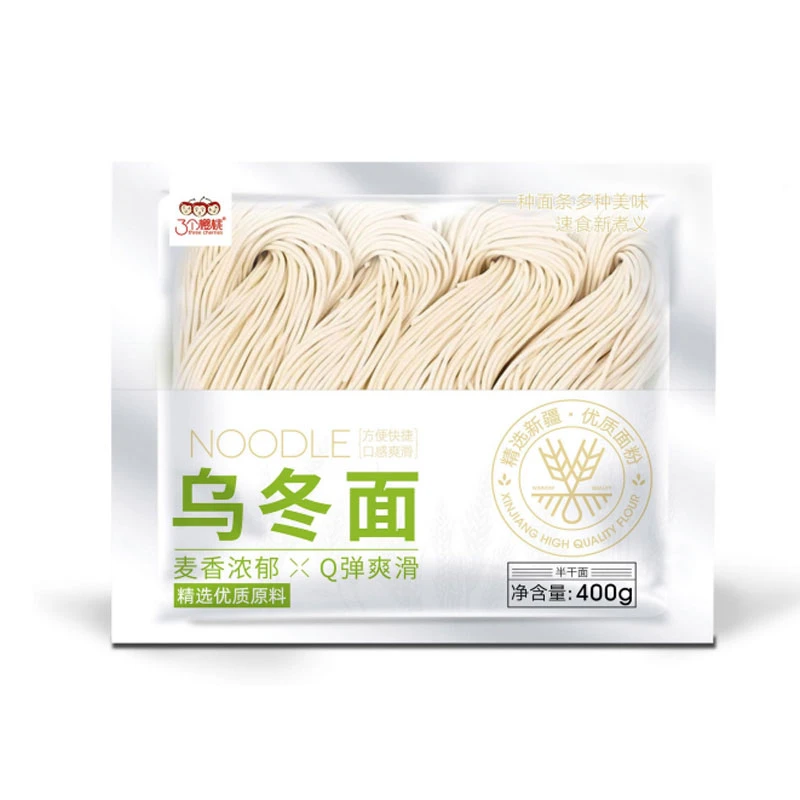
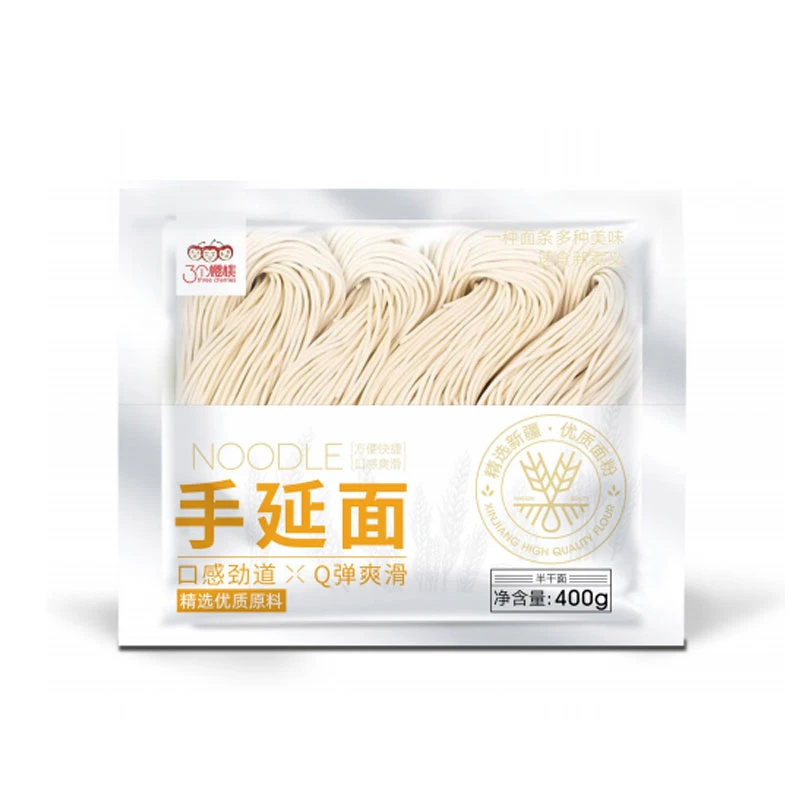
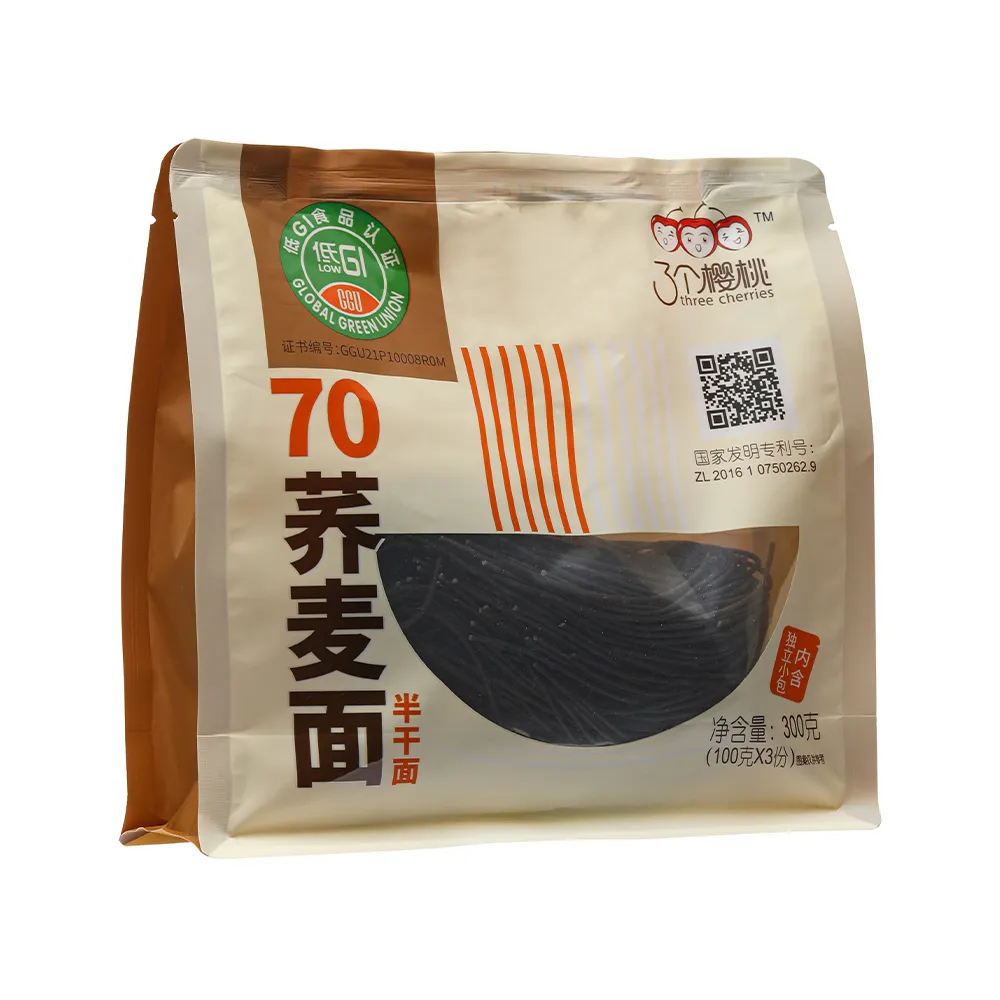
For anyone keen on exploring this hands-on craft, you’ll find resources and supplies, including semi-dry noodles and related equipment, that bridge traditional methods with modern convenience—an odd but helpful mashup of past and present.
-
Discover the Authentic Taste of Korean Buckwheat NoodlesNewsApr.16,2026
-
Discover the Refreshing Taste of Authentic Korean Cold SobaNewsApr.09,2026
-
Discover the Refreshing Taste of Korean Cold Buckwheat Noodles NaengmyeonNewsApr.07,2026
-
Discover the Cool and Refreshing World of Korean Buckwheat Noodles ColdNewsApr.04,2026
-
Discover the Refreshing Taste of Japanese Cold Buckwheat Noodles and Zaru SobaNewsMar.31,2026
-
Exploring the Delicious World of Chinese Style Cold NoodlesNewsMar.28,2026
-
Discover the Cool and Refreshing World of Korean Cold Soba NoodlesNewsMar.26,2026
Browse qua the following product new the we