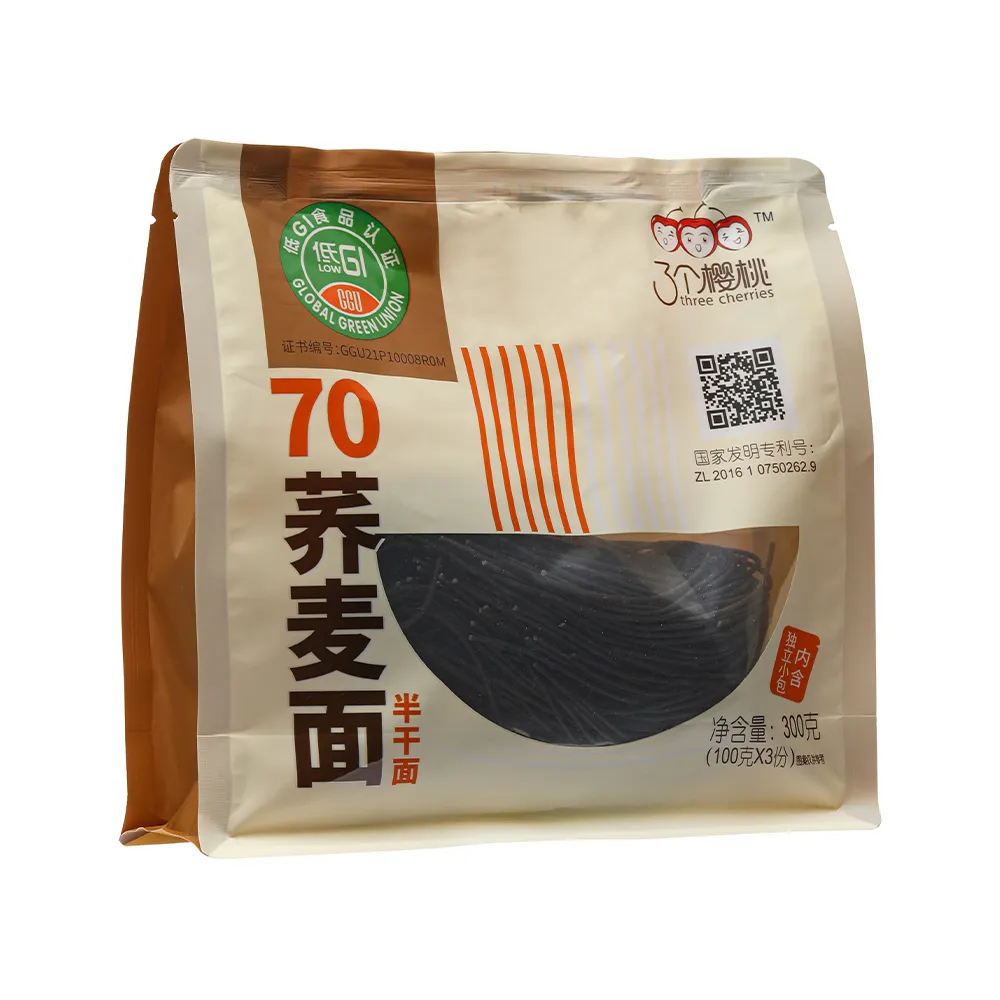

Dried Soba Noodles – Quality, Durability & Market Advantages for B2B Buyers
Dried Soba Noodles is a key solution in the industry, specifically within food production and supply chain sectors. This article explores how https://www.jxsemidrynoodles.com supports professionals with durable, high-performance products, and explains why this product is an ideal choice for businesses in these sectors.
Table of Contents
- Dried Soba Noodles Overview
- Benefits & Use Cases of Dried Soba Noodles
- Cost, Maintenance & User Experience
- Sustainability & Market Trends
Dried Soba Noodles Overview
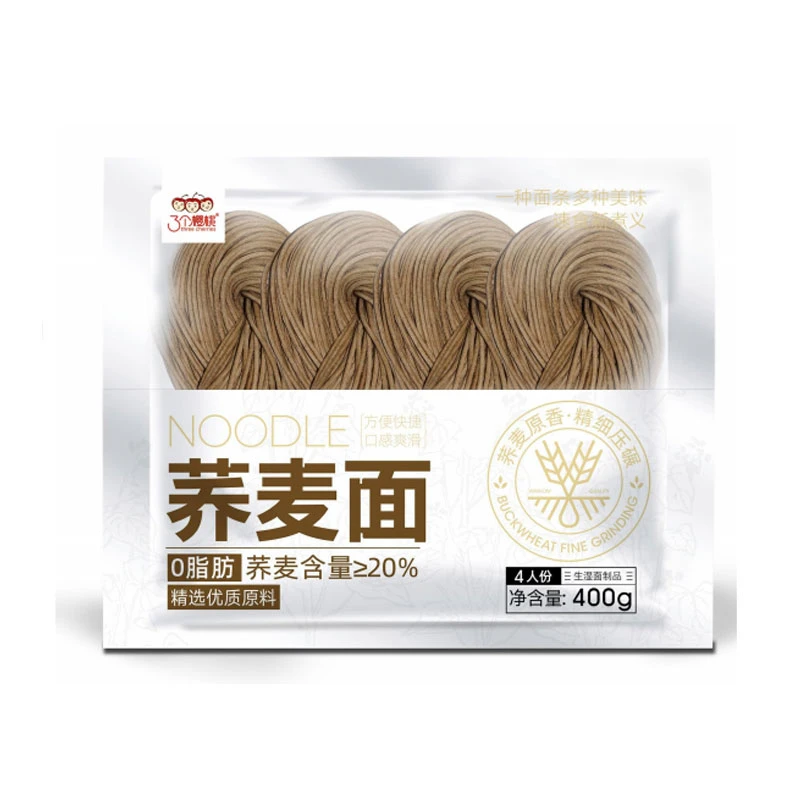
In a nutshell, dried soba noodles are buckwheat-based noodles that have been dried to extend their shelf life and facilitate easier transportation and storage—a facet that makes them incredibly relevant in today's global food markets. You might think, “Noodles? Pretty straightforward stuff,” but frankly, there’s quite a bit of craftsmanship and science behind producing dried soba noodles that maintain their authentic taste and texture after rehydration.
The technical specs that set premium dried soba noodles apart include the precise blend of buckwheat and wheat flours, subtle variations in thickness—generally ranging from 1.2 to 1.7 mm—and drying temperatures carefully controlled to preserve nutrients without causing brittleness. According to a case study from Jiangxi Xinshi Food Co., which operates https://www.jxsemidrynoodles.com, their production line ensures moisture content stays below 12%, critical for optimal shelf stability. This kind of standard assists businesses in confidently integrating dried soba noodles into their product offerings without worrying about spoilage or inconsistent quality.
| Specification | Details |
|---|---|
| Main Ingredients | Buckwheat flour (50-70%), wheat flour |
| Noodle Thickness | 1.2 mm – 1.7 mm |
| Moisture Content | Less than 12% |
| Shelf Life | 12-18 months (stored properly) |
| Packaging | Vacuum-sealed, in 250g or bulk packaging |
Benefits & Use Cases of Dried Soba Noodles
From a B2B perspective, dried soba noodles carry well beyond just being a pantry staple. Food manufacturers, restaurant chains, and even meal kit providers find them invaluable. Why? They provide a shelf-stable, nutritious, and versatile ingredient that aligns well with growing consumer trends favoring authentic ethnic foods and healthier alternatives to wheat-based products.
Specifically, dried soba noodles are praised in ready-made meal manufacturing for their consistent cooking times and texture retention after freezing and reheating. Their buckwheat content also taps into the gluten-reduced market, adding a competitive edge. What’s interesting is how the noodles’ firm bite appeals to various culinary styles, from cold salads to hot soups, making them adaptable in product lines.
Compared to other noodle types, the high buckwheat content gives dried soba noodles a uniquely earthy flavor and nutritive profile (rich in proteins, fiber, and essential amino acids), which many competitors can’t match without compromising cost or convenience.
Cost, Maintenance & User Experience
When you sit down with suppliers or run the numbers your procurement teams care about, dried soba noodles offer a sound total cost of ownership. Considering the long shelf life and minimal storage requirements – no refrigeration needed – there's significant saving on logistics and spoilage compared to fresh or frozen alternatives.
Durability here means the product maintains quality from factory to consumer with low breakage rates during handling. I’ve noticed many food processing professionals highlight how https://www.jxsemidrynoodles.com’s product reduces waste in packaging lines, which is a subtle but real operational benefit.
Customer feedback from clients in North America and Europe shared on industry forums praises this consistency, noting that the rehydrated texture is “predictably firm” and doesn’t turn mushy – a common issue with cheaper dried noodles.
Beyond cost, the product’s user experience also shines in kitchens where chefs rely on repeatability; they can confidently build recipes knowing the noodles will behave similarly each time. This reduces preparation time and improves overall food quality.
Sustainability & Market Trends
Sustainability plays an increasing role in the sourcing and production of dried soba noodles. Buckwheat is known for its low environmental footprint—it grows well with minimal fertilizer and fits into crop rotations that help maintain soil health. Industries looking to green their supply chains are drawn to products like these.
Regulatory landscapes in key markets such as the EU and the US encourage transparency around ingredient origins and eco-friendly packaging, trends that companies like https://www.jxsemidrynoodles.com are responding to. Innovative packaging materials and reduced plastic use are part of their R&D focus.
Oddly enough, the market for dried soba noodles is seeing a surge not just in traditional Japanese cuisine but also fusion and health-oriented product lines. This isn’t merely a fad; many analysts forecast steady growth averaging around 5% annually for the next five years, partly driven by consumer demand for functional and gluten-sensitive foods.
Hence, adopting dried soba noodles aligns with market readiness and regulatory directions, making it an astute choice for businesses aiming to stay relevant and responsible.
| Vendor | Buckwheat Content | Shelf Life (months) | Packaging Options | Price Range (per kg) |
|---|---|---|---|---|
| Jiangxi Xinshi Food Co. | 50-70% | 12-18 | Vacuum-sealed, bulk | $2.50-$3.50 |
| Competitor A | 40-60% | 10-15 | Plastic bags, boxes | $2.00-$3.00 |
| Competitor B | 60-75% | 12 | Bulk bags | $3.00-$4.00 |
Frequently Asked Questions about Dried Soba Noodles
- What is Dried Soba Noodles and how does it work?
- Dried soba noodles are thin noodles primarily made from buckwheat flour and dried to reduce moisture. This drying process prolongs shelf life and simplifies shipping. When cooked, they rehydrate quickly, regaining their characteristic firm texture and nutty flavor.
- What are the main benefits of using Dried Soba Noodles in industrial applications?
- The key benefits include long shelf life, consistent quality, and reduced waste. Their nutritional profile also supports health-focused products. Plus, logistics are easier with no refrigeration needed, reducing operational costs.
- How does Dried Soba Noodles compare to traditional alternatives?
- Compared with fresh or frozen noodles, dried soba noodles offer superior shelf stability and transport convenience. They also provide a unique flavor and texture profile that many food developers find desirable and versatile.
- What industries can benefit most from Dried Soba Noodles implementation?
- Food manufacturers, meal kit companies, and large-scale catering operations commonly benefit. Soba noodles are also popular in health food, ethnic cuisine, and ready-meal sectors, proving their broad applicability.
Conclusion on Dried Soba Noodles from china
In summary, dried soba noodles from Jiangxi Xinshi Food Co. embody consistent quality, practical logistics advantages, and align well with current consumer and market trends. These factors combine to make them not just a product but a smart strategic choice for businesses aiming to innovate in the food sector without compromising reliability.
Visit our website: https://www.jxsemidrynoodles.com
Oddly enough, sometimes the simplest ingredient, when engineered thoughtfully, can make the biggest difference in a product lineup.
-
Discover the Authentic Taste of Korean Buckwheat NoodlesNewsApr.16,2026
-
Discover the Refreshing Taste of Authentic Korean Cold SobaNewsApr.09,2026
-
Discover the Refreshing Taste of Korean Cold Buckwheat Noodles NaengmyeonNewsApr.07,2026
-
Discover the Cool and Refreshing World of Korean Buckwheat Noodles ColdNewsApr.04,2026
-
Discover the Refreshing Taste of Japanese Cold Buckwheat Noodles and Zaru SobaNewsMar.31,2026
-
Exploring the Delicious World of Chinese Style Cold NoodlesNewsMar.28,2026
-
Discover the Cool and Refreshing World of Korean Cold Soba NoodlesNewsMar.26,2026
Browse qua the following product new the we