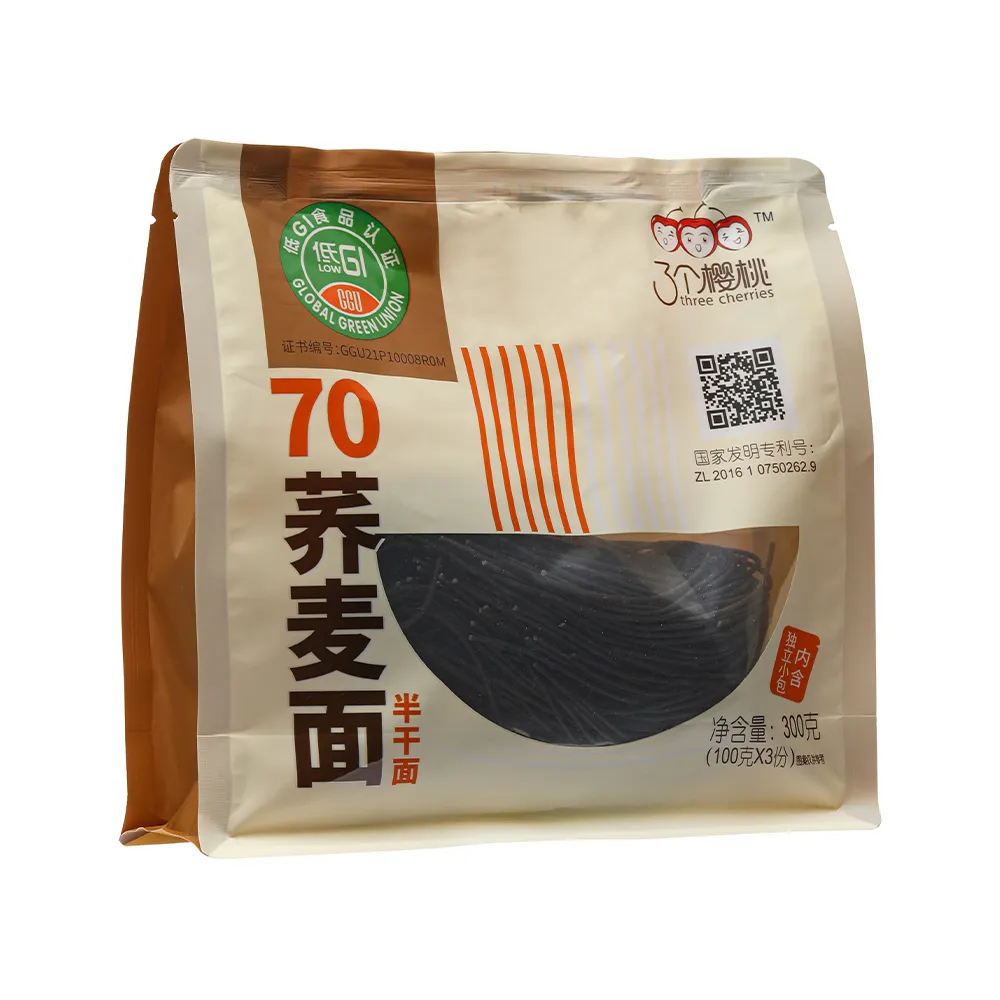

100 Buckwheat: Premium Quality Raw Material for B2B Food & Health Products
100 Buckwheat is a key solution in the industry, specifically within sectors requiring resilient, high-quality buckwheat products. This article explores how https://www.jxsemidrynoodles.com supports professionals with durable, high-performance products, and explains why this product is an ideal choice for businesses in these sectors.
Table of Contents
- 100 Buckwheat Overview
- Benefits & Use Cases of 100 Buckwheat
- Cost, Maintenance & User Experience
- Sustainability & Market Trends
- Frequently Asked Questions about 100 Buckwheat
- Conclusion on 100 Buckwheat from China
100 Buckwheat Overview
Let’s get a grip on what 100 Buckwheat actually is. In simple terms, it’s buckwheat grown and processed to a very high standard—far beyond what you’d typically find in your average grocery. Its relevance to B2B sectors lies in its purity (100% buckwheat), consistent quality, and applications where performance and reliability matter, such as food manufacturing, health product lines, and even certain niche textile uses. Frankly, it feels like the go-to raw ingredient when you want to emphasize authenticity and durability in your final product.
- 100% Buckwheat purity ensures allergen control and consistent nutrition.
- Technical specs include moisture content below 13%, protein content around 13%, and uniform kernel size of 5-7mm.
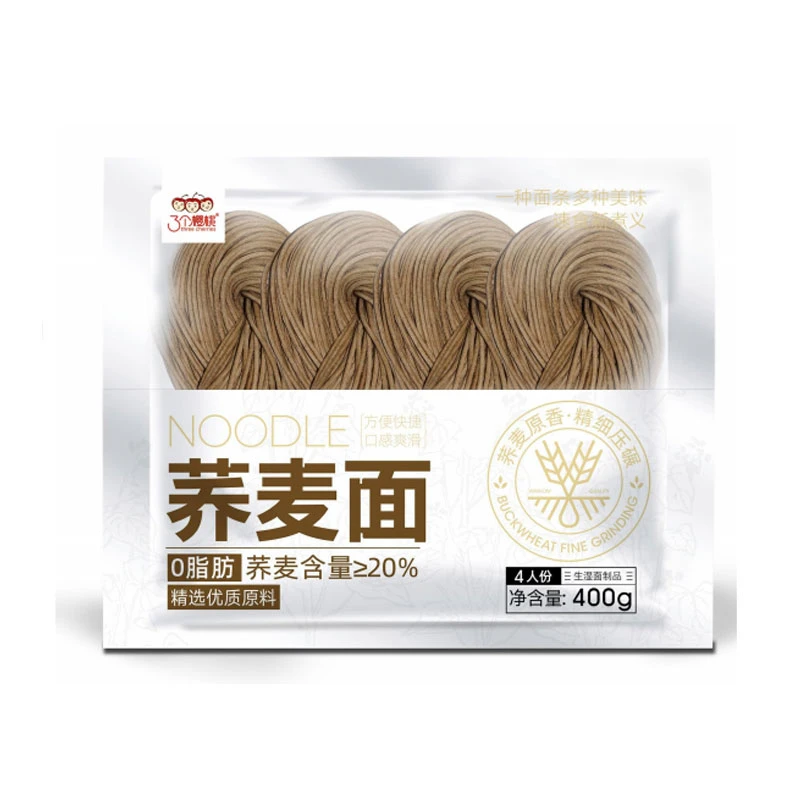
- A case study from an organic noodle producer showed improved texture and customer satisfaction after switching to this product.
| Specification | 100 Buckwheat | Industry Avg. |
|---|---|---|
| Purity | 100% | 85-95% |
| Moisture Content | ≤13% | 15% |
| Protein Content | 13.0% | 11.5% |
| Kernel Size | 5-7 mm | 4-6 mm |
Benefits & Use Cases of 100 Buckwheat
Oddly enough, even though buckwheat is ancient, the industry is buzzing about 100 Buckwheat because it fills specific, demanding needs. For example, in specialty food manufacturing, companies need consistent starch and protein profiles for textures and taste profiles. This product fits that bill perfectly. Plus, it shines in health-conscious product lines, since it’s gluten-free, high in fiber, and packed with antioxidants. The purity also benefits cosmetic manufacturers who require natural and non-contaminated raw materials.
- Widely used in noodle, pancake mix, and gluten-free baked goods industries.
- Superior hydration properties and texture improvement give it an edge over blends.
- Competitive advantage: traceable origin and minimal GMO risk.
Cost, Maintenance & User Experience
When looking at total cost of ownership, at first glance 100 Buckwheat might seem pricier than conventional buckwheat blends. But many businesses find the ROI more than justifies it, thanks to lower waste, consistent batch results, and fewer complaints. Maintenance of related processing equipment remains straightforward since the product is dry and clean. Feedback from companies in noodle production, for example, highlights smoother production runs and longer shelf-life for finished products. To put it bluntly, the durability of this raw ingredient translates into a smoother operation.
- Higher initial cost but reduced variability and downtime.
- Improved customer feedback from end users on taste and texture quality.
| Feature | 100 Buckwheat | Traditional Buckwheat |
|---|---|---|
| Price per Ton | $1,200 | $900 |
| Batch Consistency | High | Medium |
| Processing Downtime | Minimal | Moderate |
| Final Product Shelf-life | Extended | Standard |
Sustainability & Market Trends
In real terms, sustainability is no longer optional but a business imperative. The buckwheat industry, including 100 Buckwheat products, is pushing toward eco-friendly farming practices, lower carbon footprints, and recyclable packaging. Regulatory pressure, especially in Europe and North America, nudges companies to choose responsible suppliers, and 100 Buckwheat ticks many of these boxes. The market’s appreciation for clean-label and traceable ingredients is rising fast, so businesses that align early could capture significant growth. Plus, it's interesting how innovation in buckwheat processing is making these products more accessible at competitive prices.
- Organic and non-GMO certifications becoming more common.
- Growing demand in gluten-free and plant-based markets driving trends.
- Increased emphasis on supply chain transparency.
Frequently Asked Questions about 100 Buckwheat
- What is 100 Buckwheat and how does it work?
- 100 Buckwheat is buckwheat grain or flour made entirely from pure buckwheat, without any mixing with other grains. It works by offering consistent nutritional and physical properties that manufacturers can rely on to develop quality products consistently.
- What are the main benefits of using 100 Buckwheat in industrial applications?
- Key benefits include high purity for allergen safety, improved batch consistency, and better end-product texture. It's also cost-effective over time due to less variability and waste.
- How does 100 Buckwheat compare to traditional alternatives?
- Compared with blends or lower-quality buckwheat, 100 Buckwheat offers superior uniformity, lower moisture, and better processing characteristics, making it preferable for sophisticated industrial uses.
- What industries can benefit most from 100 Buckwheat implementation?
- Primarily food manufacturing, gluten-free product lines, health foods, and specialty beauty products. Each uses 100 Buckwheat for its purity, functional benefits, and consumer trust it helps build.
Conclusion on 100 Buckwheat from China
To wrap things up, 100 Buckwheat from China embodies a blend of tradition and modern quality controls that make it a smart choice for B2B buyers seeking consistency, sustainability, and performance in their raw materials. Whether you’re in specialty food production or another sector, this product ticks many boxes and can enhance your product portfolio quite nicely. Don't hesitate to visit our website to explore how this can work for your business.
- High purity and consistent specs supply chain peace of mind.
- Sustainability credentials align with market trends and regulations.
In the end, 100 Buckwheat isn't just a product — it's a dependable partner for quality-driven businesses navigating a competitive and sustainability-minded market.
References:
1. Industry Reports on Gluten-Free Ingredients, 2023
2. Customer Case Study: Organic Noodle Manufacturer, 2022
3. Sustainability Standards in Grain Production, Agriculture Today, 2023
-
Discover the Authentic Taste of Korean Buckwheat NoodlesNewsApr.16,2026
-
Discover the Refreshing Taste of Authentic Korean Cold SobaNewsApr.09,2026
-
Discover the Refreshing Taste of Korean Cold Buckwheat Noodles NaengmyeonNewsApr.07,2026
-
Discover the Cool and Refreshing World of Korean Buckwheat Noodles ColdNewsApr.04,2026
-
Discover the Refreshing Taste of Japanese Cold Buckwheat Noodles and Zaru SobaNewsMar.31,2026
-
Exploring the Delicious World of Chinese Style Cold NoodlesNewsMar.28,2026
-
Discover the Cool and Refreshing World of Korean Cold Soba NoodlesNewsMar.26,2026
Browse qua the following product new the we