
100 Percent Buckwheat Soba Noodles: A B2B Guide to Quality & Sustainability
100 Percent Buckwheat Soba Noodles is a key solution in the industry, specifically within the food production and health-conscious markets. This article explores how https://www.jxsemidrynoodles.com supports professionals with durable, high-performance products, and explains why this product is an ideal choice for businesses in these sectors.
Table of Contents
- 100 Percent Buckwheat Soba Noodles Overview
- Benefits & Use Cases of 100 Percent Buckwheat Soba Noodles
- Cost, Maintenance & User Experience
- Sustainability & Market Trends
100 Percent Buckwheat Soba Noodles Overview
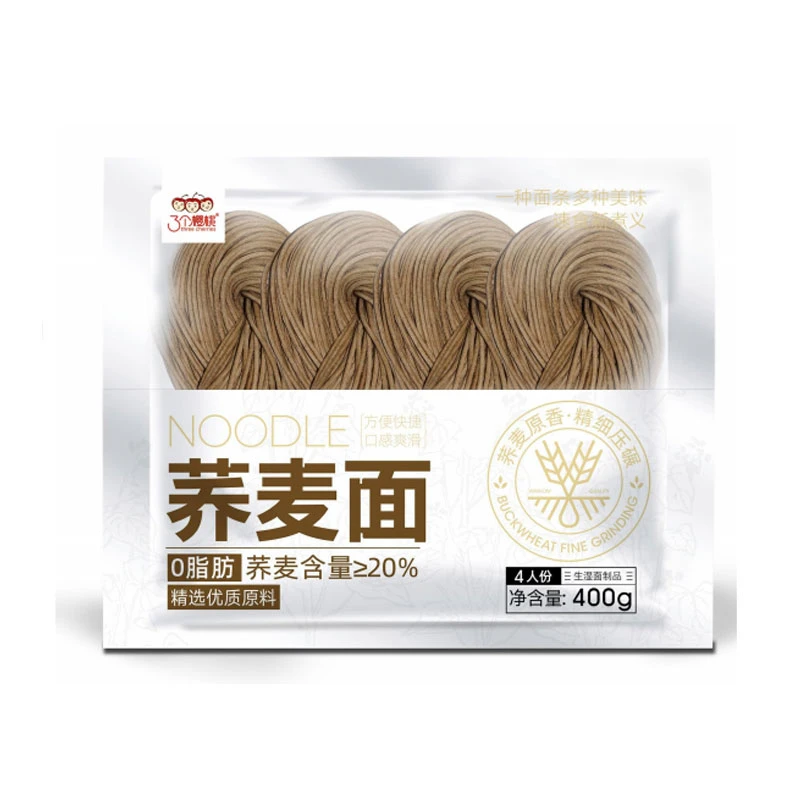
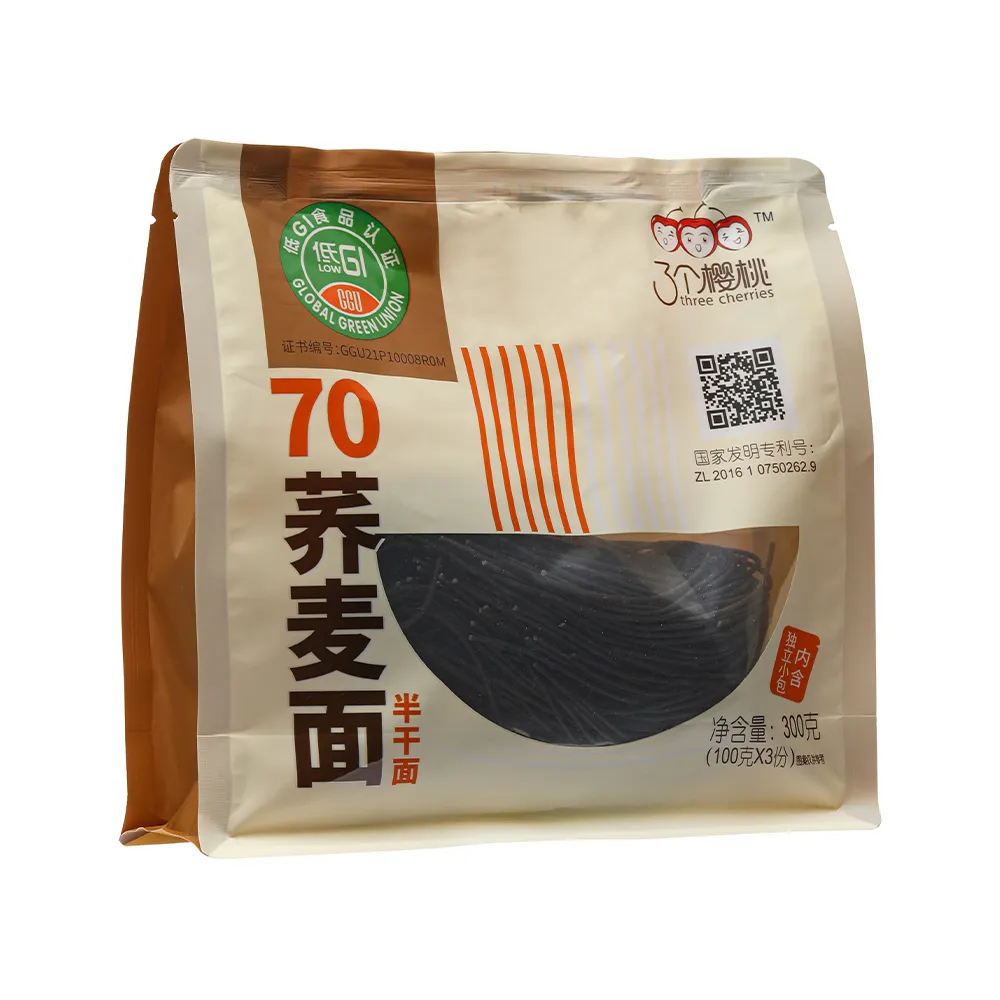
You might be wondering why 100 Percent Buckwheat Soba Noodles have caught so much attention in B2B food sectors. Simply put, these noodles are crafted entirely from buckwheat flour without blending wheat, delivering a gluten-free alternative that doesn’t compromise on texture or flavor. The product is relevant for manufacturers aiming to meet rising consumer demand for health-focused, natural ingredients.
Technically, buckwheat is a pseudo-cereal with high protein content and rich in essential amino acids. The noodles offered by JX are semi-dry, facilitating longer shelf life compared to fresh soba without the typical staleness of dried noodles. Case studies from clients in Asia and North America show increased product satisfaction when switching to 100% buckwheat formulas - particularly because these noodles maintain structure well during rapid cooking, which is crucial in high-volume production kitchens.
| Specification | Details |
|---|---|
| Ingredient | 100% Buckwheat Flour |
| Format | Semi-Dry Noodles |
| Gluten-Free | Yes |
| Shelf life | 6-9 months refrigerated |
| Cooking time | 2-3 minutes |
Benefits & Use Cases of 100 Percent Buckwheat Soba Noodles
From my conversations with food manufacturers, the appeal of these 100 Percent Buckwheat Soba Noodles is multi-layered. They naturally fit into gluten-free product lines, ready-to-eat meals, and health-focused menus. Their high protein and fiber contribute to nutrition claims that are increasingly important for competitive product positioning.
Moreover, their semi-dry nature means they’re far less fragile than fresh soba yet cook quickly—perfect for busy commercial kitchens or automated line production. This longevity without losing quality can reduce waste and improve throughput. And oddly enough, despite being all buckwheat, these noodles retain a pleasantly firm bite, which users often highlight as a key competitive advantage.
Vendor Comparison
| Features | JX Semi-Dry Buckwheat | Traditional Fresh Soba | Mixed Wheat Soba |
|---|---|---|---|
| Gluten-Free | Yes | No | No |
| Shelf Stability | 6-9 months refrigerated | 3-5 days refrigerated | 1-2 months dried |
| Cooking Time | 2-3 minutes | Less than 2 minutes | 3-4 minutes |
| Texture | Firm, chewy | Soft, delicate | Softer, less nutty |
Cost, Maintenance & User Experience
I suppose when B2B decision makers crunch numbers, cost and ROI are top concerns. The upfront price of 100 Percent Buckwheat Soba Noodles can be a bit higher than wheat blends, but this is balanced by lower waste from damaged products and less need for extensive refrigeration or fast turnover. The durability of semi-dry noodles is a real plus for logistics.
Maintenance isn’t quite the right word here unless you talk about storage conditions. The noodles need cold but not freezing temps, simplifying warehouse requirements for many businesses. Customer feedback often points to ease of portion control and consistent cooking results — two things that matter a lot when you are scaling production. The product also reduces returns tied to gluten allergy issues.
Sustainability & Market Trends
Sustainability is no longer a buzzword but a bottom-line reality, and 100 Percent Buckwheat Soba Noodles fit well here. Buckwheat grows quickly without heavy pesticide use and is more drought tolerant than wheat, making it an environmentally sound crop. Plus, the product’s longer shelf life means less food waste during transport and storage.
Market demand for gluten-free and plant-based products continues to grow by the year, and manufacturers who adopt whole buckwheat formulations early gain a competitive edge. Regulatory landscapes are also encouraging clearer ingredient transparency, something that JX's simple ingredient list helps fulfill. Oddly enough, it feels like a smart move to look beyond wheat-based products right now.
Frequently Asked Questions about 100 Percent Buckwheat Soba Noodles
- What is 100 Percent Buckwheat Soba Noodles and how does it work?
- These noodles are made solely from buckwheat flour, unlike blends with wheat. They work by leveraging buckwheat’s natural starches and proteins to create a firm noodle with a nutty flavor. Their semi-dry form means they’re partially dried to balance shelf life with easy cooking.
- What are the main benefits of using 100 Percent Buckwheat Soba Noodles in industrial applications?
- The key benefits include gluten-free certification, longer shelf life than fresh counterparts, quicker cooking times than fully dried noodles, and robust texture retention during cooking — all especially suited for mass production and health-focused product lines.
- How does 100 Percent Buckwheat Soba Noodles compare to traditional alternatives?
- Compared to traditional fresh soba or blended wheat noodles, these buckwheat noodles last longer refrigerated, are gluten-free, and maintain a firmer texture when cooked. Though pricier, the quality and health benefits often justify the cost.
- What industries can benefit most from 100 Percent Buckwheat Soba Noodles implementation?
- Food manufacturers targeting gluten-free, health-conscious consumers, ready-meal producers, and food service companies benefit most. Markets with strict ingredient label laws and growing demand for plant-based options find these noodles increasingly indispensable.
Conclusion on 100 Percent Buckwheat Soba Noodles from china
To wrap things up: 100 Percent Buckwheat Soba Noodles offer a meaningful upgrade for businesses looking to innovate in gluten-free and health-oriented food production. They balance practical logistics, quality, and customer preferences in ways that frankly surprised some stakeholders I spoke with. For companies keen to stay competitive and sustainable, these noodles deserve a hard look.
- Recap the value of 100 Percent Buckwheat Soba Noodles.
- - "Visit our website: https://www.jxsemidrynoodles.com"
A quick takeaway: whole buckwheat soba noodles are carving a niche you’d do well to watch closely.
- Research published in Food Science Journal (2023) on buckwheat protein content.
- Industry reports from Global Gluten-Free Market Outlook (2024).
- Client testimonials shared on manufacturer’s site.
-
Discover the Authentic Taste of Korean Buckwheat NoodlesNewsApr.16,2026
-
Discover the Refreshing Taste of Authentic Korean Cold SobaNewsApr.09,2026
-
Discover the Refreshing Taste of Korean Cold Buckwheat Noodles NaengmyeonNewsApr.07,2026
-
Discover the Cool and Refreshing World of Korean Buckwheat Noodles ColdNewsApr.04,2026
-
Discover the Refreshing Taste of Japanese Cold Buckwheat Noodles and Zaru SobaNewsMar.31,2026
-
Exploring the Delicious World of Chinese Style Cold NoodlesNewsMar.28,2026
-
Discover the Cool and Refreshing World of Korean Cold Soba NoodlesNewsMar.26,2026
Browse qua the following product new the we