
100 Buckwheat Noodle: Quality, Processing & Vendor Comparison
The Versatile 100 Buckwheat Noodle: A Culinary and Industrial Insight
Having spent years working in the industrial equipment sector, particularly with machinery involved in food production, I’ve gotten curious about the products themselves – beyond just the machines that make them. One product that caught my attention recently is the 100 Buckwheat Noodle. Oddly enough, it’s not just a simple buckwheat noodle but a fascinating blend of tradition and modern food engineering.
Usually, when we talk about food processing equipment, the focus is on efficiency and durability. But when it comes to buckwheat noodles, you also have to consider the raw ingredients’ quality, texture, and even how they react to different processing techniques. Frankly, buckwheat isn’t the easiest to handle—it’s gluten-free, which means the dough behaves differently than wheat. That’s why these noodles, especially ones labeled as 100% buckwheat, are quite special.
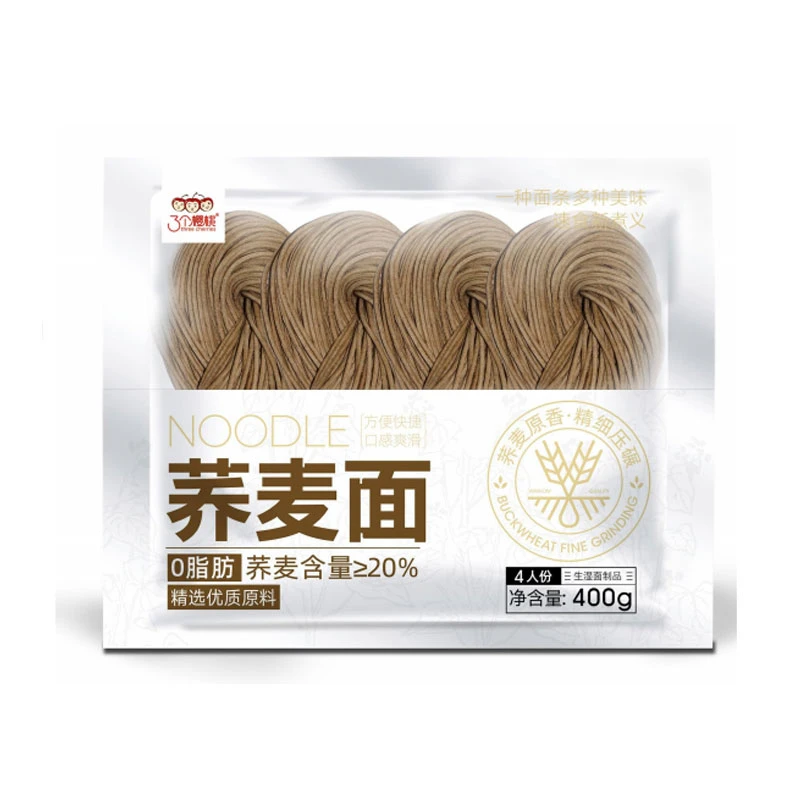
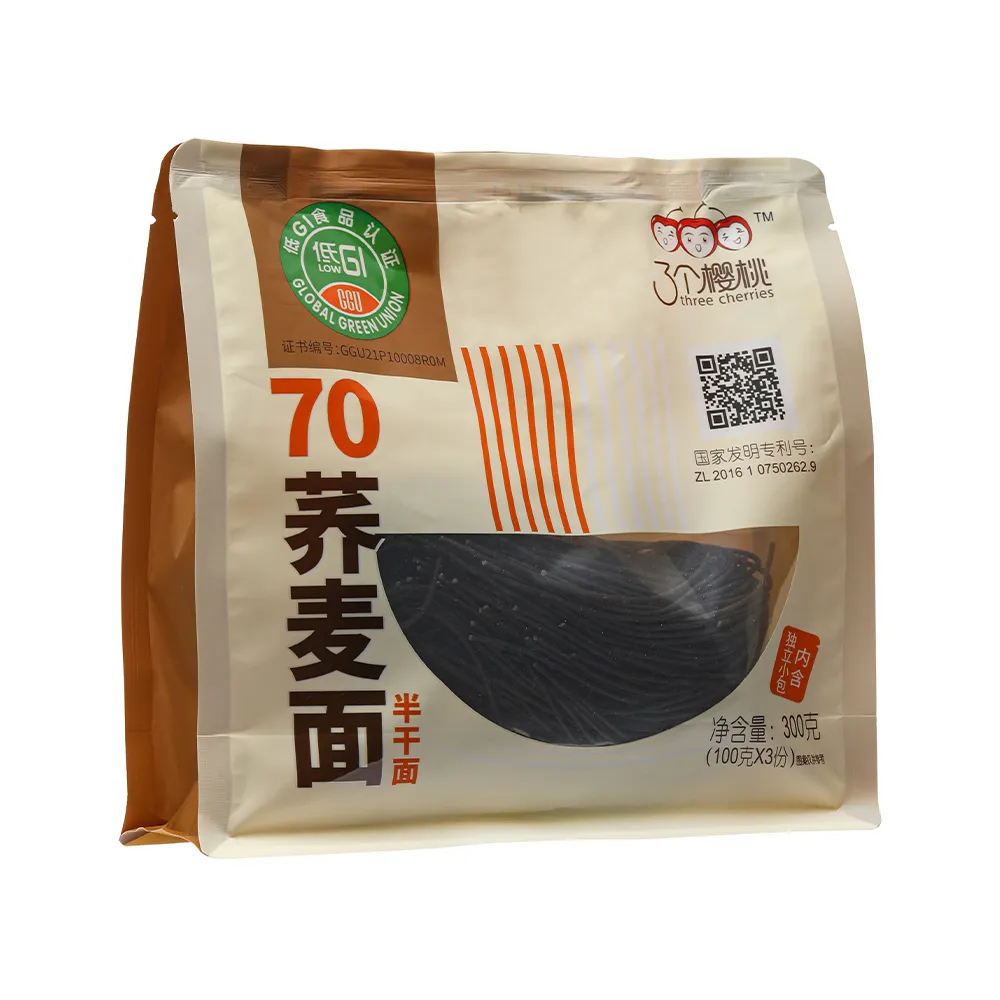
In real terms, the “100 Buckwheat Noodle” is prized for its rich, nutty flavor and somewhat chewy texture, which you don't get with regular wheat noodles. I noticed that manufacturers tend to use carefully calibrated drying techniques to preserve the noodle’s integrity without making it brittle. The resulting product strikes a balance between softness and firmness — ideal for both stir-fries and soups.
| Specification | Details |
|---|---|
| Main Ingredient | 100% Whole Buckwheat Flour |
| Net Weight | 250g per pack |
| Shelf Life | 12 months (dry storage) |
| Cooking Time | 4-6 minutes |
| Packaging | Vacuum-sealed pouch |
From an industrial standpoint, product consistency is crucial. Many engineers I’ve worked with often highlight how acceptable moisture content and flour particle size can directly impact noodle texture. For 100 Buckwheat Noodles, maintaining that texture requires fine-tuned drying machinery that prevents over-crispiness, which would otherwise lead to breakage during packaging or shipment.
Speaking of which, I remember visiting a factory in northern China that specialized in these buckwheat noodles. The production line was a perfect dance of precise temperature control and drying speed. The staff explained how the process was adjusted slightly whenever the buckwheat flour batch had minor variations – you know, nature’s unpredictability. That kind of bespoke attention is rare but pays off in product quality.
| Vendor | Origin | Price per kg | Packaging | Customization |
|---|---|---|---|---|
| JX Semi-Dry Noodles | China | $5.00 | Vacuum pouch (250g) | Yes - drying & packaging |
| NoodleCo Ltd. | Japan | $6.25 | Plastic wrapped bundle | Limited |
| Buckwheat Delights | South Korea | $5.75 | Vacuum pouch (200g) | Yes - noodle thickness |
In terms of pricing, vendors vary a bit due to origin, packaging, and customization options. JX Semi-Dry Noodles, for example, offers a balance between affordable pricing and customization — something that quite a few small- to mid-sized distributors appreciate. Customization here isn’t just about packaging but also drying speed and noodle thickness, which – I suppose you’d agree – can dramatically alter customer experience downstream.
As a small anecdote, one client I worked with recently used these 100% buckwheat noodles in a product they marketed as premium instant soba. Their customers responded enthusiastically to the undeniable texture difference compared to typical wheat blends. It’s a small reminder: manufacturing details sometimes really do shine through to the end user.
To sum it up, the 100 Buckwheat Noodle isn’t just food – it’s a confluence of grain quality, precise industrial processing, and consumer preferences. I’ve noticed more attention given lately to buckwheat noodles as consumers seek health-conscious, gluten-free options with authentic flavor. And, frankly, from an industry perspective, the challenge of maintaining consistent texture and packaging is part of what makes this product interesting to follow.
In the end, whether you’re a chef, distributor, or equipment specialist, there’s something to appreciate in buckwheat noodle manufacturing. It’s not every day that food processing combines tradition and modern precision so neatly.
1. “Buckwheat Processing & Innovations,” Journal of Food Science, 2022
2. “Industrial Drying of Gluten-Free Noodles,” Food Technology Review, 2021
3. “Consumer Trends in Gluten-Free Pasta,” MarketWatch, 2023
-
Discover the Authentic Taste of Korean Buckwheat NoodlesNewsApr.16,2026
-
Discover the Refreshing Taste of Authentic Korean Cold SobaNewsApr.09,2026
-
Discover the Refreshing Taste of Korean Cold Buckwheat Noodles NaengmyeonNewsApr.07,2026
-
Discover the Cool and Refreshing World of Korean Buckwheat Noodles ColdNewsApr.04,2026
-
Discover the Refreshing Taste of Japanese Cold Buckwheat Noodles and Zaru SobaNewsMar.31,2026
-
Exploring the Delicious World of Chinese Style Cold NoodlesNewsMar.28,2026
-
Discover the Cool and Refreshing World of Korean Cold Soba NoodlesNewsMar.26,2026
Browse qua the following product new the we