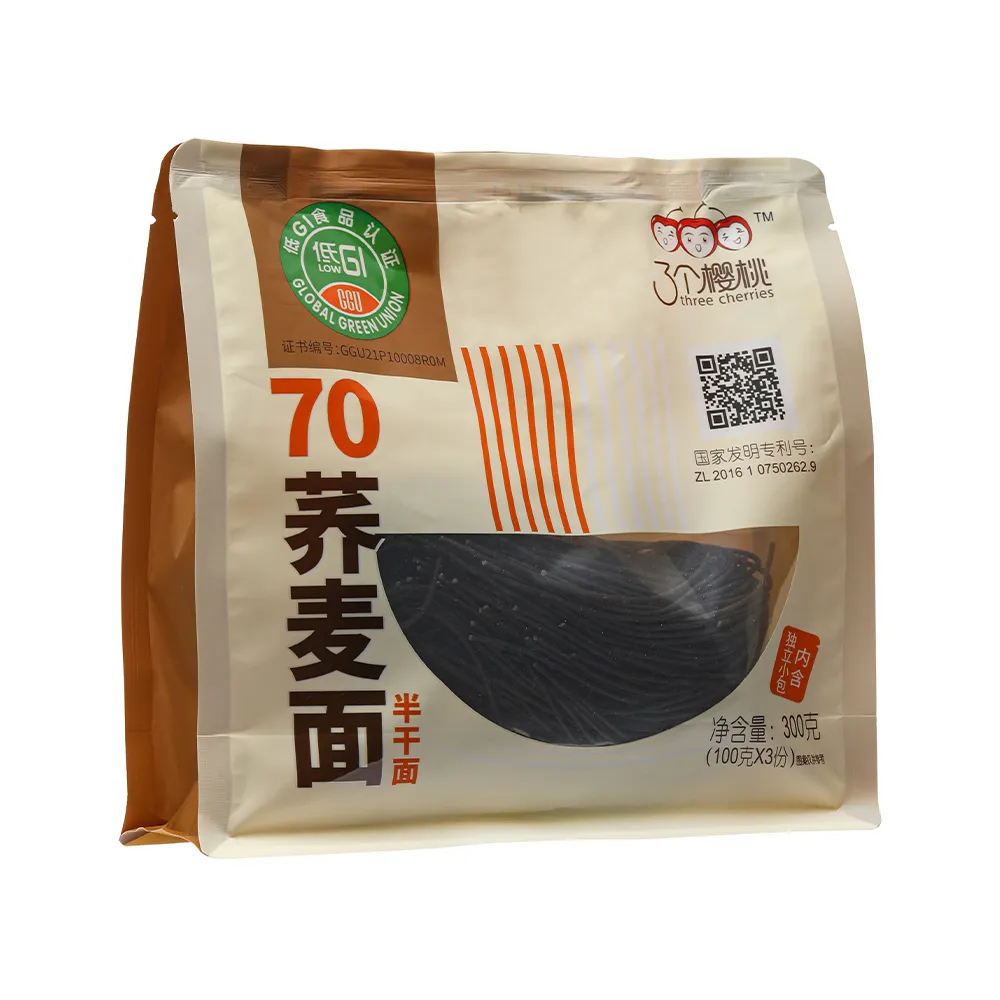

100% Buckwheat Pasta: Industrial Insights & Production Details
Understanding 100% Buckwheat Pasta: A Niche Industrial Perspective
Having spent more than a decade in the industrial equipment sector—mostly around food processing machinery—I’ve had my fair share of encounters with various specialty products. One that’s caught my eye lately is 100 buckwheat pasta. Frankly, it’s a fascinating product because, while buckwheat isn’t technically a grain, it offers some unique manufacturing challenges and culinary advantages that many don’t realize at first glance.
From raw material sourcing to extrusion and drying techniques, producing a high-quality 100% buckwheat pasta requires a combination of precision and adaptability. Oddly enough, buckwheat flour behaves quite differently than wheat-based flours; its texture and hydration needs often force producers to tweak their equipment settings extensively. I remember working alongside a team adjusting temperature profiles on a semidry noodle production line—they had to carefully maintain moisture levels to prevent brittleness and breakage.
What intrigues me most about this pasta variant is not just its gluten-free appeal, but how its nutty flavor and robust texture create a completely different eating experience. It’s got this sort of earthiness that feels authentic—like something rooted in tradition but brought forward with modern techniques. In real terms, these factors also influence machine parameters; the dough is less elastic, making extrusion a trickier task and requiring customized screw designs.
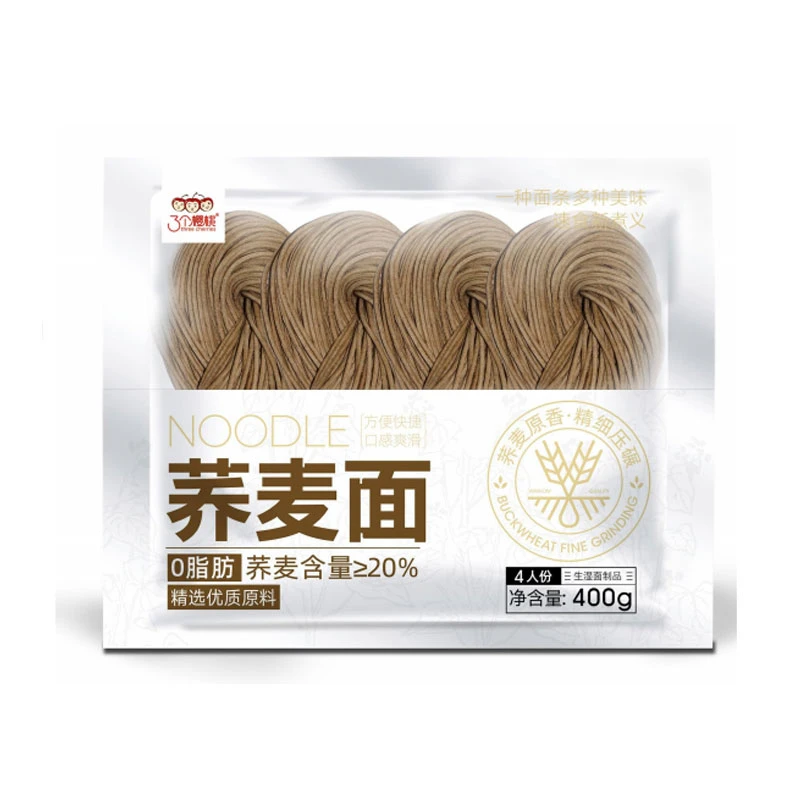
| Specification | Details |
|---|---|
| Ingredient | 100% Buckwheat Flour |
| Gluten Content | Gluten-Free |
| Typical Diameter | 2.5 mm - 3.0 mm |
| Moisture Content | ~12-14% |
| Drying Method | Semidry – controlled humidity |
| Shelf Life | 12 months (stored cool & dry) |
| Packaging | Vacuum sealed or air-tight pouches |
Just a heads-up for anyone intrigued: the vendor landscape for 100% buckwheat pasta is quite specialized. Not every supplier has the equipment fine-tuned for this particular product, so quality and consistency can vary. I’ve chatted with several operators who mentioned that some vendors don’t test enough for moisture control, resulting in pasta prone to cracking during transportation.
| Vendor | Experience (Years) | Specialized Equipment | Quality Control Certs | Customization Options |
|---|---|---|---|---|
| JX Semi-Dry Noodles | 15 | Advanced extrusion + moisture control | ISO 22000, HACCP | Tailored sizes & packaging |
| Buckwheat Producers Inc. | 7 | Standard pasta extruders | FDA Certified | Limited customization |
| Artisan Noodles Ltd. | 12 | Manual batch processing | Organic Certification | Custom recipes only |
I recall a client who shifted from wheat pasta to 100% buckwheat for their gluten-free product line. The initial run was a bit rocky—things like dough consistency and breakage rates needed adjustments. But after partnering with a well-equipped vendor, production smoothed out significantly. Their customers especially loved the nutritional benefits and distinctive flavor, which added market differentiation.
If you’re considering incorporating 100 buckwheat pasta into your product offerings, my advice is to focus on vendors with a history of specialized handling. Also, samples are worth testing through your specific equipment to judge extrusion and drying compatibility early on.
The technology behind semidry noodles and pasta—for something as delicate as pure buckwheat—remains a niche but growing field. It’s a reminder that even in industrial food systems, traditional ingredients still demand respect and modern engineering finesse.
So yeah, whether you’re a food machine engineer or a passionate product developer, working with 100% buckwheat pasta feels like balancing art and science. And honestly, that’s what industrial food production should feel like.
References:
1. Industry moisture control standards in semidry pasta manufacturing.
2. Vendor quality certification reports, 2023.
3. Food extrusion technology insights from JX Semi-Dry Noodles manufacturer data.
-
Discover the Authentic Taste of Korean Buckwheat NoodlesNewsApr.16,2026
-
Discover the Refreshing Taste of Authentic Korean Cold SobaNewsApr.09,2026
-
Discover the Refreshing Taste of Korean Cold Buckwheat Noodles NaengmyeonNewsApr.07,2026
-
Discover the Cool and Refreshing World of Korean Buckwheat Noodles ColdNewsApr.04,2026
-
Discover the Refreshing Taste of Japanese Cold Buckwheat Noodles and Zaru SobaNewsMar.31,2026
-
Exploring the Delicious World of Chinese Style Cold NoodlesNewsMar.28,2026
-
Discover the Cool and Refreshing World of Korean Cold Soba NoodlesNewsMar.26,2026
Browse qua the following product new the we