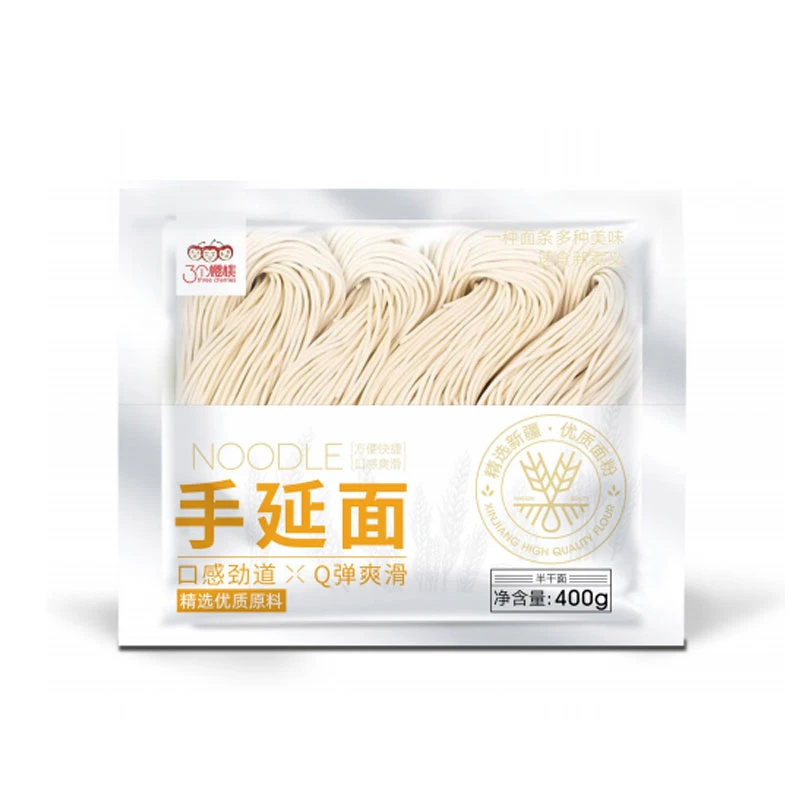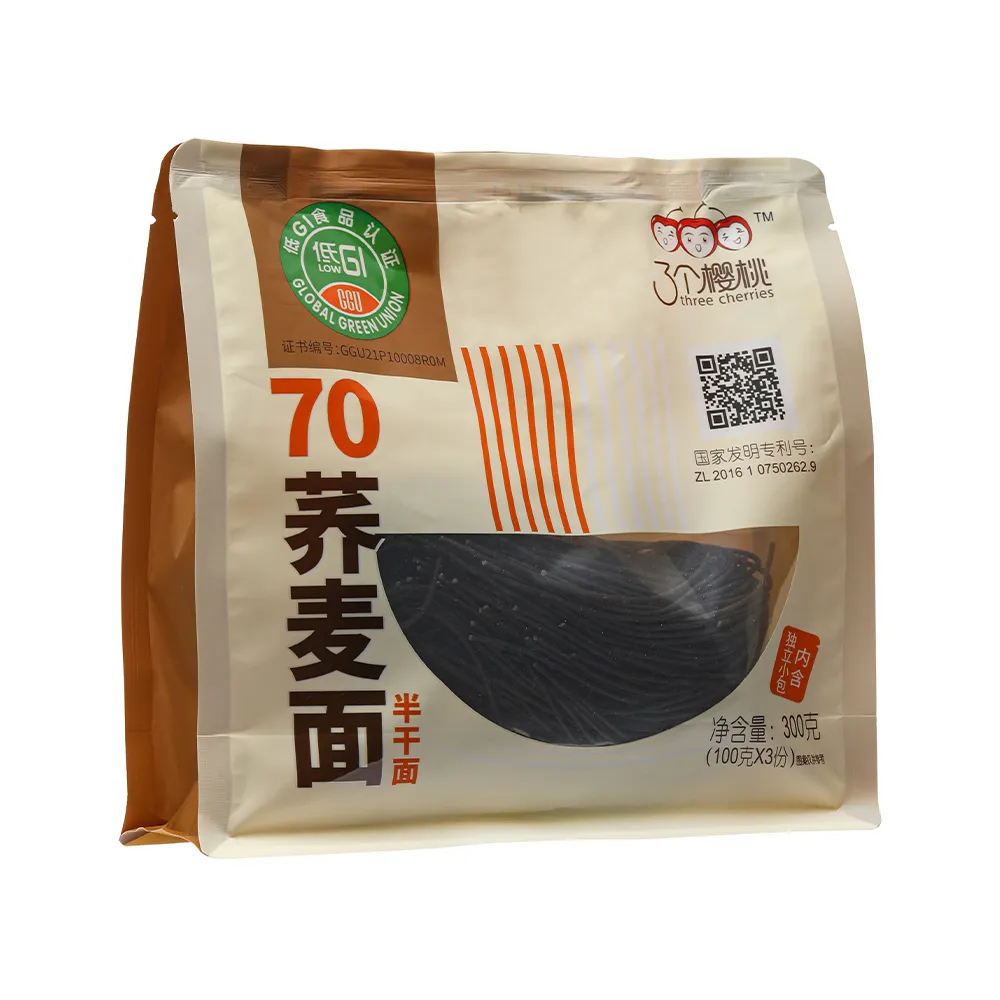

What Is Handpulled Noodle? Tradition, Technology & Global Trends Explained
Understanding Handpulled Noodle: A Global Culinary and Industrial Delight
When you hear “handpulled noodle,” what probably springs to mind is a steamy bowl of China’s famous culinary staple. But it’s not just a cultural icon—it’s a fascinating combination of artisanal craftsmanship and modern food technology, with global relevance. Why does it matter internationally? For starters, handpulled noodles bridge traditional food practices with contemporary food processing industries, supporting sustainable supply chains and local economies alike. Understanding the art and craft behind these noodles offers insights into food heritage preservation, innovative culinary techniques, and even emerging industrial applications worldwide.
Introduction: Handpulled Noodle’s Place in Global Food and Industry Trends
Across the globe, noodles are a staple for billions. According to the Food and Agriculture Organization (FAO), over half the world's population consumes wheat-derived products regularly, with noodles forming a significant portion. Handpulled noodles, specifically, have surged in popularity far beyond East Asia, finding fans in Europe, North America, and increasingly in international cuisines.[1]
Yet, the challenge lies in balancing authentic taste and texture with scalability in food production. Mass-produced noodles often sacrifice the delicate chewiness and nuanced irregularity that handpulling imparts. That’s where an understanding of the handpulled noodle’s craft and process becomes critical for innovators aiming to retain tradition while embracing modern supply chains. Oddly enough, these noodles also intersect with humanitarian food programs, providing culturally appropriate meals in aid contexts.
What Exactly Is a Handpulled Noodle?
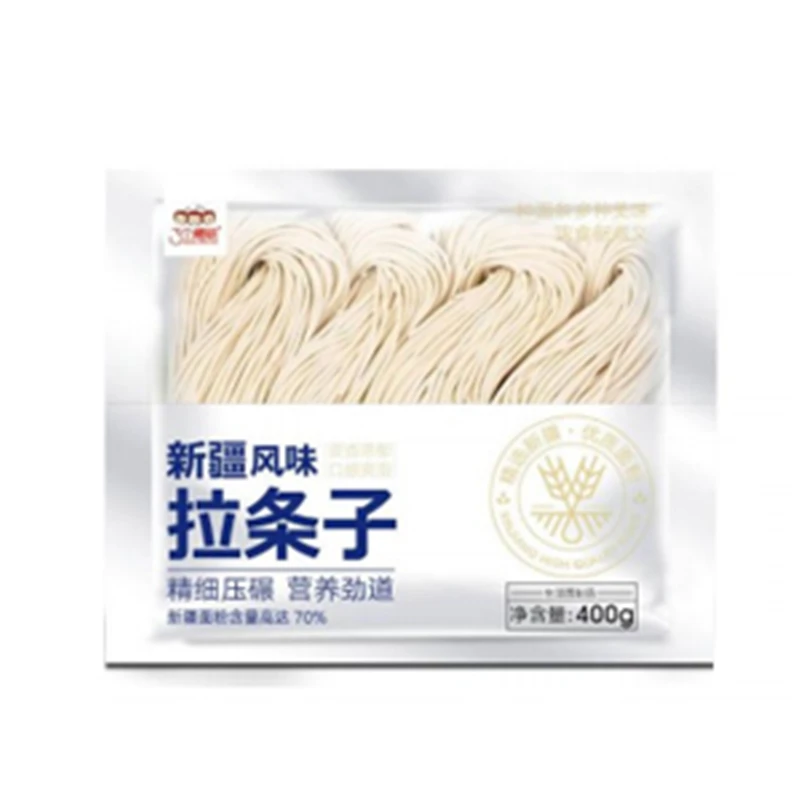
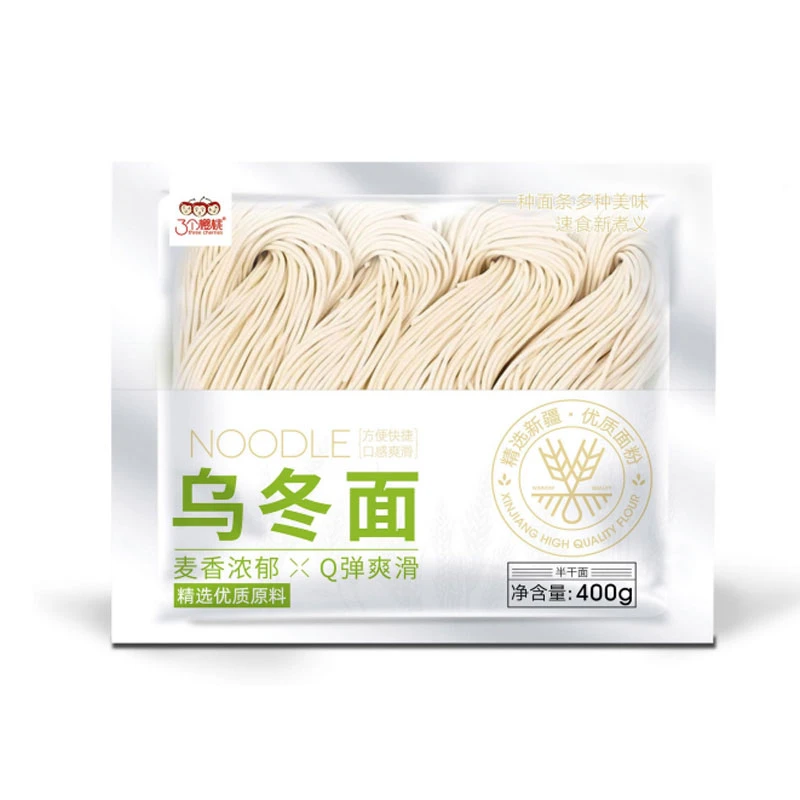
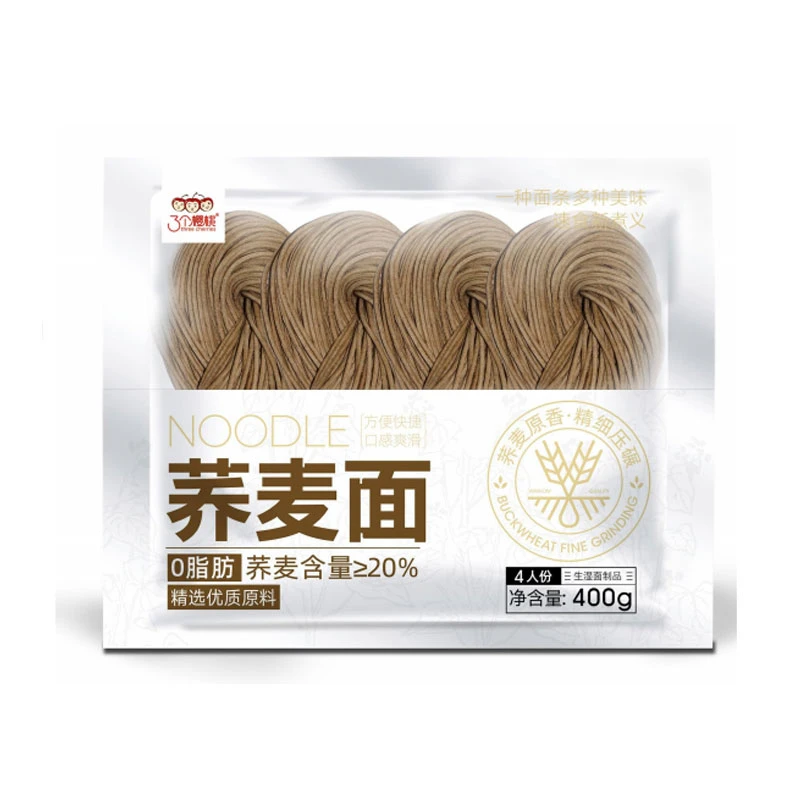
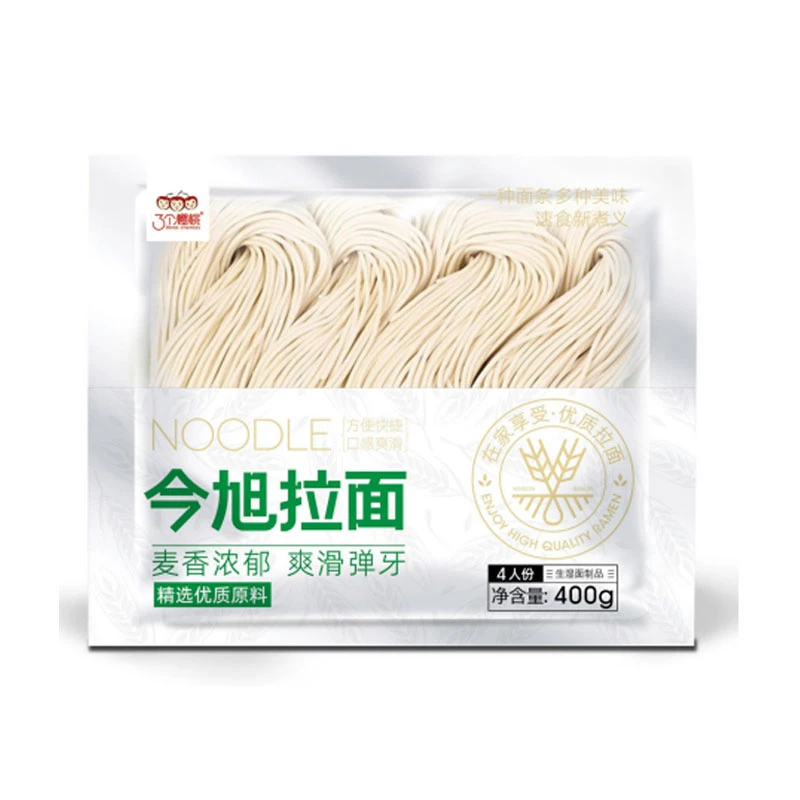
Simply put, handpulled noodles are strands of dough repeatedly stretched and folded by hand to create thin, chewy noodles with a unique texture. Unlike machine-cut noodles, the pulling technique influences the final noodle’s bite and elasticity. Traditionally crafted in regions like Shaanxi and Lanzhou in China, this noodle form is steeped in heritage but has leaped to industrial kitchens globally for its distinctive characteristics.
The process is labor-intensive, highlighting a blend of artisanal skill and precise dough formulation. Modern industry tries to capture this handcraft by mimicking tensile forces through machinery but often falls short in texture. This linkage to authenticity is crucial not only gastronomically but also for cultural preservation amid globalization pressures.
Core Components of Handpulled Noodle Production
Dough Composition
The foundation of any great handpulled noodle is the dough. Basic ingredients include high-protein wheat flour, water, and sometimes salt. The protein content influences gluten development, which provides the elasticity necessary for stretching. I noticed that subtle changes—like adding alkaline agents—can transform both texture and color, giving noodles their characteristic gloss and spring.
Pulling Technique and Texture
The rhythmic pulling, folding, and stretching play a pivotal role. It’s a bit like rhythmic craftsmanship meeting physics—stretch too much, and the dough breaks; too little, and the noodles stay thick and dense. This balance creates the ideal chewiness that sets handpulled noodles apart.
Scalability of Production
Traditional handpulling doesn’t scale easily, which is a concern for global producers. However, innovations in automated pulling machines increasingly mimic the technique, albeit imperfectly. In real terms, this opens doors for bringing authentic handpulled noodle texture to mass markets without losing appeal.
Shelf Life and Preservation
Naturally, fresh handpulled noodles have a limited shelf life, often just a day or two. Improving preservation through controlled drying or refrigeration without compromising texture remains an active challenge for industry experts.
Handpulled Noodle: Global Applications and Use Cases
From street vendors in Xi’an to upscale fusion restaurants in New York, handpulled noodles have found fans worldwide. Beyond dining, NGOs utilize culturally familiar foods like handpulled noodles in refugee camps to support nutritional and psychological well-being. In China’s industrial zones and increasingly abroad, semi-automated production serves millions daily.
For instance, in disaster relief programs, providing quick-cook handpulled noodles offers comfort and nourishment with minimal preparation—critical in crisis settings. Furthermore, chefs worldwide embrace these noodles for their versatility, boosting culinary tourism and cross-cultural exchange.
Product Specification Table: Typical Handpulled Noodle Characteristics
| Specification | Details |
|---|---|
| Main Ingredients | High-gluten wheat flour, water, salt (optional) |
| Typical Noodle Diameter | 1.5 - 3 mm, depending on stretching |
| Texture | Chewy, elastic, slightly uneven surface |
| Shelf Life (fresh) | 24–48 hours under refrigeration |
| Packaging | Plastic or vacuum packed for freshness |
Comparison of Leading Handpulled Noodle Equipment Vendors
| Vendor | Automation Level | Output Capacity | Texture Authenticity | Price Range |
|---|---|---|---|---|
| NoodlePro Machines | Semi-automated | 500 kg/day | High | $$$ |
| Stretch&Pull Co. | Fully automated | 1500 kg/day | Medium | $$$$ |
| ArtisanTech | Manual-assisted | 100 kg/day | Very High | $$ |
Advantages and Long-Term Value of Handpulled Noodles
There’s something innately satisfying about handpulled noodles, beyond their flavor and texture. They embody cultural heritage, craftsmanship, and a direct link between producer and consumer—a quality often lost in modern food processing. From a sustainability angle, handpulled noodles often use locally sourced flours and simple ingredients, reducing food miles and packaging waste.
Socially, supporting handpulled noodle production preserves livelihoods and promotes community dignity, especially in rural areas. Emotionally, the care embedded in handpulling resonates with consumers craving authenticity in a fast-food world. Innovatively, the rise of novel dough formulations and equipment keeps this tradition alive while serving modern demands.
Future Trends & Innovations in Handpulled Noodle Production
The future looks promising (and a bit unexpected) for handpulled noodles. Advances in dough rheology research are helping producers optimize recipes for improved texture and shelf-life. Automation, surprisingly, is becoming more respectful of tradition, with AI-powered machines fine-tuning stretch speed and thickness to replicate manual precision.
Sustainability efforts focus on organic wheat and reducing water use during production. There’s also growing interest in gluten-free or alternative grain handpulled noodles to cater to niche diets while maintaining that classic chew. Digitally, virtual cooking classes and augmented reality apps are helping preserve the craft and inspire the next generation.
Challenges & Solutions in Current Practice
Of course, there are hurdles. Maintaining texture consistency across batches is notoriously tricky. The skill requirement for traditional handmade noodles makes large-scale production expensive. Shelf life remains limited, and consumers often expect convenience alongside quality.
Solutions range from incremental ingredient tweaks to sophisticated equipment that assists without fully automating the protective art. Plus, better cold-chain logistics help extend freshness. Industry experts suggest hybrid models combining artisanal skill with tech innovation as the sweet spot.
FAQ: Frequently Asked Questions About Handpulled Noodle
- Q: How does handpulled noodle dough differ from regular noodles?
A: Handpulled noodle dough usually has higher gluten content and is kneaded longer to achieve elasticity needed for stretching and folding, unlike regular noodles which might be cut without stretching. - Q: Can handpulled noodles be mass produced without losing quality?
A: Fully replicating handpulling is challenging, but semi-automated machines are improving, balancing volume and texture. Still, artisanal handpulling remains superior in authenticity. - Q: Are handpulled noodles gluten-free?
A: Typically no, since wheat gluten is essential for their elasticity. However, some producers experiment with alternative flours and additives to mimic texture for gluten-sensitive markets. - Q: What is the ideal cooking method for handpulled noodles?
A: Usually boiled quickly in boiling water for 2–3 minutes, then rinsed to remove starch and served immediately for best texture. - Q: Where can I buy authentic handpulled noodles or equipment?
A: For food lovers, specialty Asian markets or online stores feature fresh or dried varieties. For businesses, consulting vendors like handpulled noodle equipment suppliers can help.
Conclusion: Why Embracing Handpulled Noodle Tradition Matters
To sum up, handpulled noodles are much more than a simple dish—they represent a fascinating intersection of tradition, innovation, culture, and industry. Their texture and flavor are beloved worldwide, and mastering their production offers economic and social benefits in local and global markets.
If you’re curious or involved in the food sector, I encourage you to explore more about handpulled noodle production and equipment innovations. To dive deeper or find your perfect machine, visit our website: handpulled noodle. After all, savoring tradition can be as satisfying as the noodles themselves.
Mini takeaway: Handpulled noodles blend artistry with evolving technology—keeping tradition alive while feeding a global palate.
References:
-
Discover the Authentic Taste of Korean Buckwheat NoodlesNewsApr.16,2026
-
Discover the Refreshing Taste of Authentic Korean Cold SobaNewsApr.09,2026
-
Discover the Refreshing Taste of Korean Cold Buckwheat Noodles NaengmyeonNewsApr.07,2026
-
Discover the Cool and Refreshing World of Korean Buckwheat Noodles ColdNewsApr.04,2026
-
Discover the Refreshing Taste of Japanese Cold Buckwheat Noodles and Zaru SobaNewsMar.31,2026
-
Exploring the Delicious World of Chinese Style Cold NoodlesNewsMar.28,2026
-
Discover the Cool and Refreshing World of Korean Cold Soba NoodlesNewsMar.26,2026
Browse qua the following product new the we