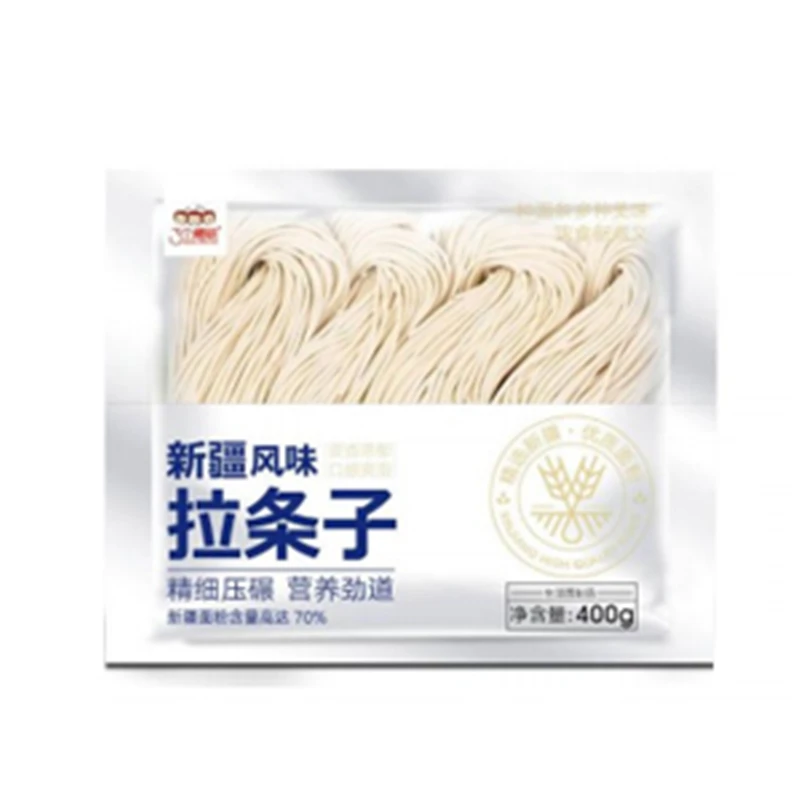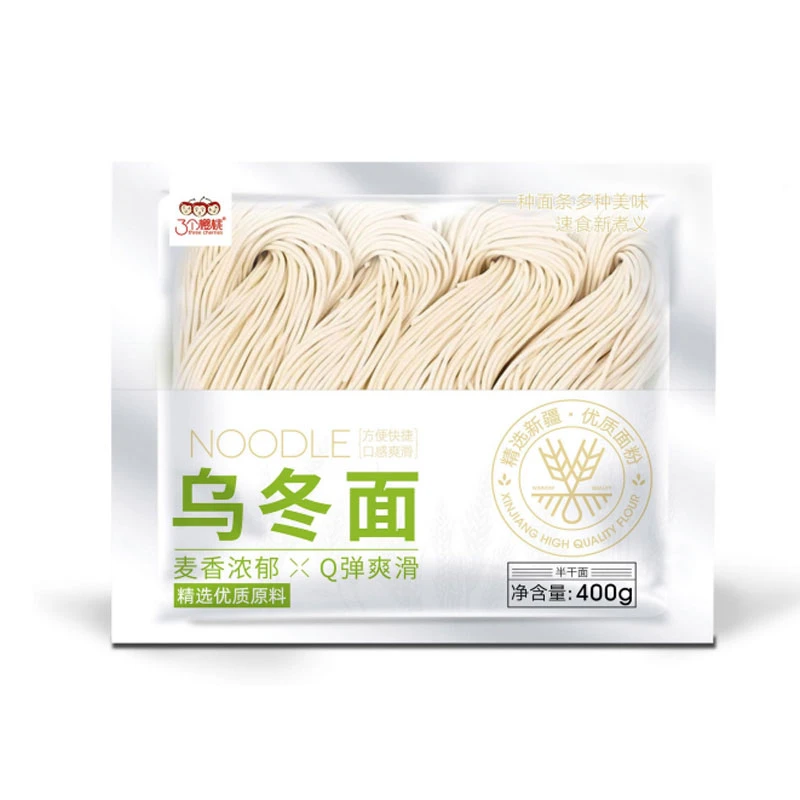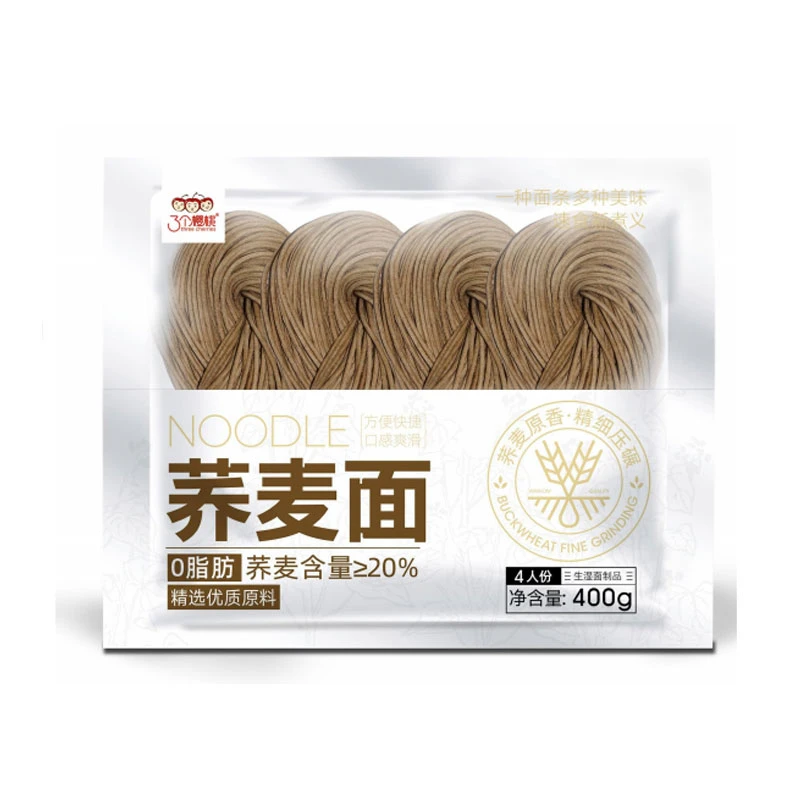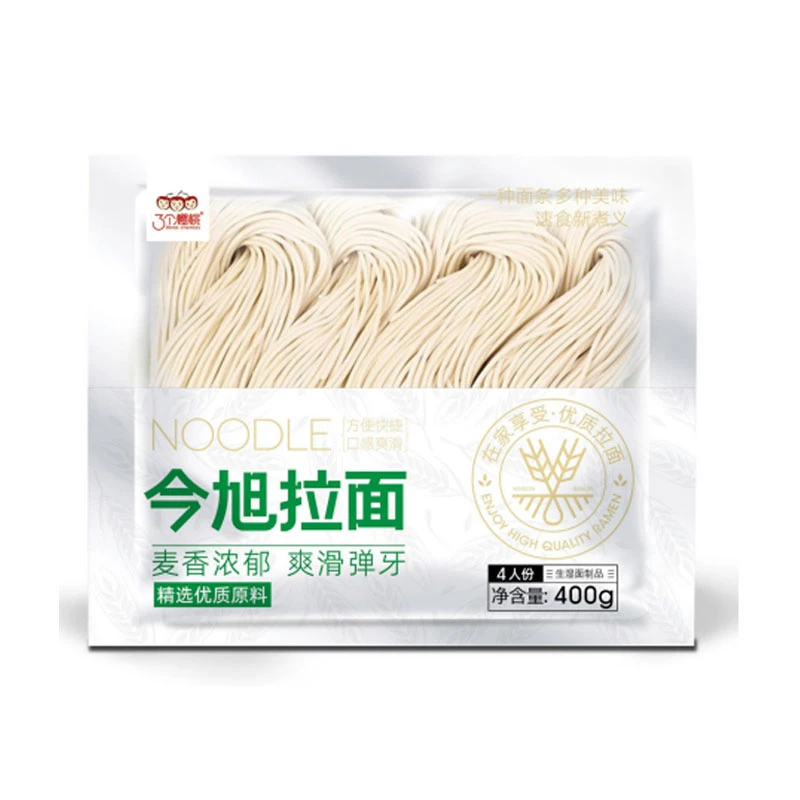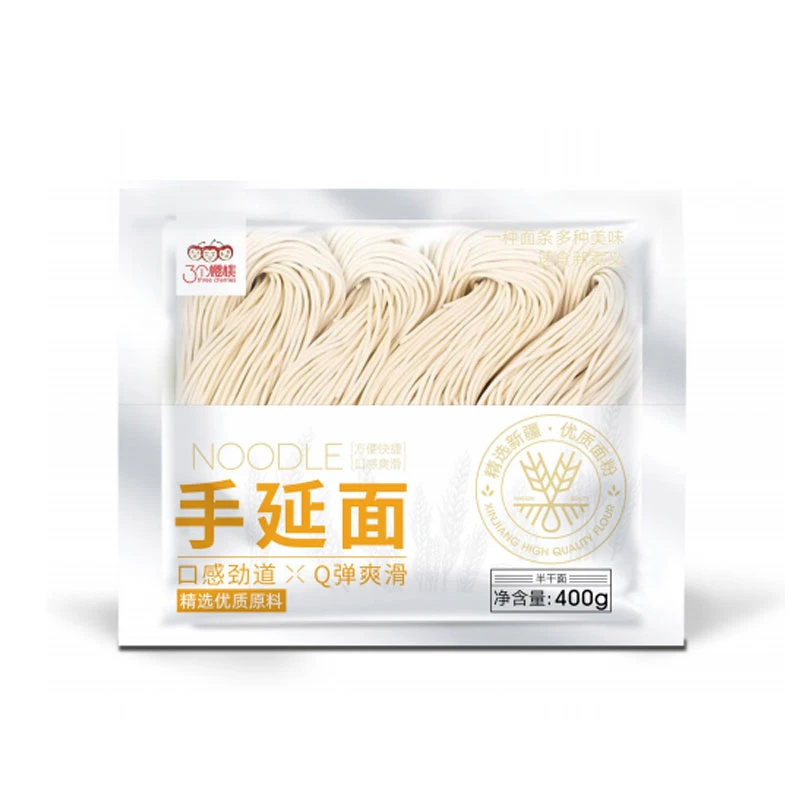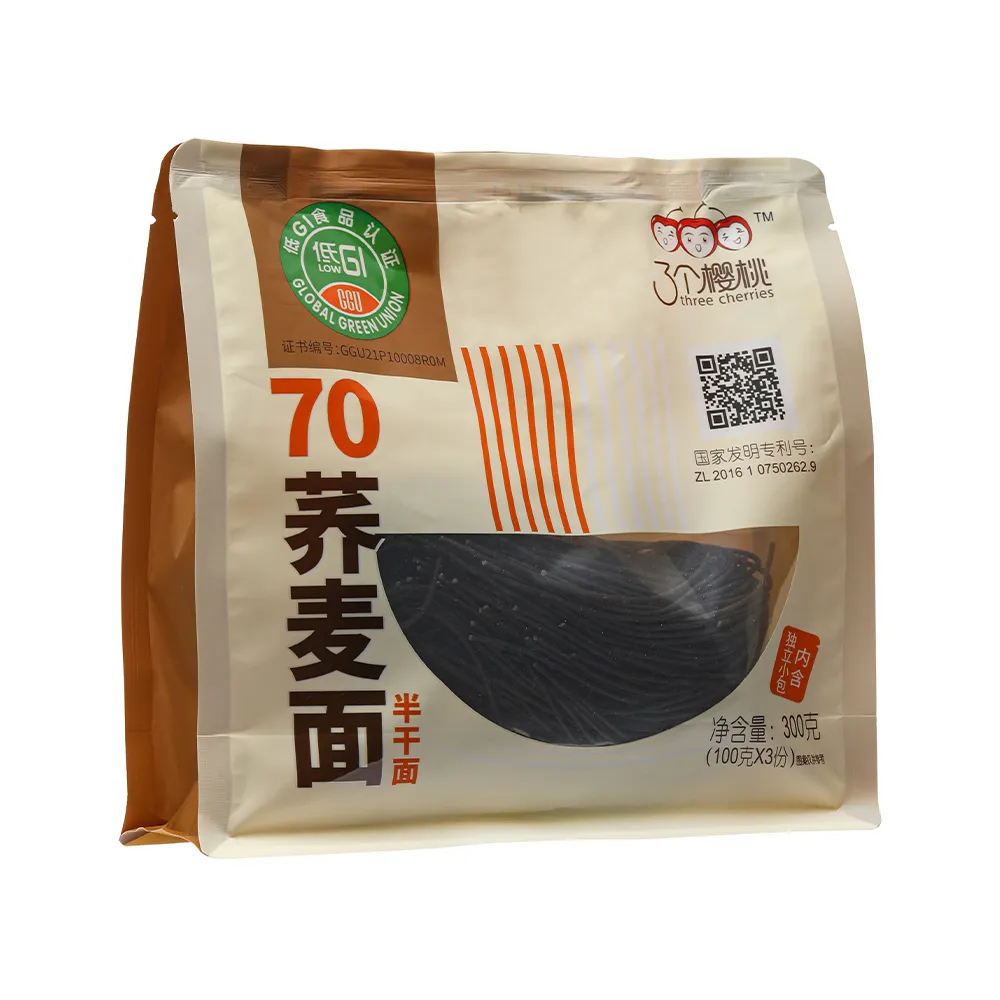
Premium Chinese Hand Cut Noodles – Tradition with Industrial Quality
Chinese Hand Cut Noodles: Tradition Meets Industry Precision
Having spent years in the industrial equipment sector, I’ve seen products come and go—machines, tools, and yes, even food products with a strong industrial twist. Chinese hand cut noodles are a fascinating case where traditional craftsmanship kisses the precision of modern manufacturing. Oddly enough, in the world of semi-dry noodles, hand cut varieties have found a quiet but solid niche, both in quality and operational scalability.
First off—what really makes hand cut noodles stand apart? In real terms, it’s the way each noodle holds a unique, irregular edge. The slight variations you notice under a microscope translate literally to a different mouthfeel—a sort of chewiness and bite that machine-cut noodles often miss. I’ve chatted with plant engineers who swear the tactile texture enhances sauce adhesion, improving overall flavor delivery. Frankly, that feels right if you’ve ever slurped a freshly made batch.
The traditional process starts with fresh dough, typically made from premium wheat flour and water. But to industrialize it, manufacturers optimize the dough’s hydration levels and resting times to achieve a consistency ideal for hand cutting en masse. It’s a bit of a balancing act. Too soft, and the noodles clump; too firm, and the cuts lose that delicate yet rustic touch. This is where product design really shines—the equipment used tries to replicate the hand motion, but many producers still rely on skilled artisans.
Materials play a role too—ingredients vary by region, but quality flour and the control of moisture content are critical. The semi-dry nature of these noodles offers a shelf life advantage over fresh, and the reduced water content lowers weight and shipping costs without losing too much texture. I noticed that many companies emphasize traceability and ingredient sourcing in their pitches, which adds to trustworthiness—something I always appreciate when vetting suppliers.
| Feature | Specification |
|---|---|
| Flour Type | High-protein wheat flour |
| Moisture Content | Semi-dry, typically 25-30% |
| Thickness | 2-3 mm (hand cut varies slightly) |
| Shelf Life | 30–45 days refrigerated |
| Packaging | Vacuum-sealed or modified atmosphere pack |
Testing these noodles involves a combination of sensory analysis and mechanical testing—I suppose because you want that ‘hand feel’ replicated without losing consistency batch to batch. Industry labs often measure dough elasticity, cooking tolerance, and texture firmness using texture analyzers. It’s not glamorous, but it’s necessary to maintain quality at scale.
Usage-wise, chefs and home cooks alike prize hand cut noodles for soups, stir-fries, and even cold dishes. A customer I worked with once told me their noodles were “the backbone of our noodle soup offering” because the texture held up well against broths and rich sauces. Custom orders for thickness and length are surprisingly common, as customers want to tweak final dishes to reflect specific regional tastes.
| Vendor | Production Capacity | Customization Options | Typical Lead Time | Price Range (per kg) |
|---|---|---|---|---|
| JX Semi-Dry Noodles | 10 tons/day | Thickness, length, packaging | 2-4 weeks | $2.50 - $3.20 |
| Northern Flour Works | 5 tons/day | Length only | 3-5 weeks | $2.00 - $2.80 |
| Golden Wheat Foods | 8 tons/day | Packaging variations | 1-3 weeks | $2.70 - $3.00 |
In my experience, the best results come from vendors who blend respect for traditional noodle making with robust industrial hygiene and quality management systems. Chinese hand cut noodles exemplify that balance. They’re honest noodles, if you will—nothing overly processed, just thoughtfully crafted and consistent enough to handle commercial needs.
To wrap it up, these noodles may seem like simple foodstuffs, but the attention to dough formulation, cutting technique, and supply chain precision make them quietly impressive. If you’re a supplier or chef looking to add authentic texture to your line-up, hand cut noodles are definitely worth a look, especially from established vendors with a track record in quality semi-dry production.
My takeaway? Never underestimate the artistry hidden in industrial food products—sometimes decades of craft meet cutting-edge process innovation at a single slice of dough.
References:
- Industry interviews — semi-dry noodle manufacturers (2022–2023)
- Technical data sheets from leading Chinese noodle producers
- Consumer feedback reports on hand cut noodle texture preferences
-
Discover the Authentic Taste of Korean Buckwheat NoodlesNewsApr.16,2026
-
Discover the Refreshing Taste of Authentic Korean Cold SobaNewsApr.09,2026
-
Discover the Refreshing Taste of Korean Cold Buckwheat Noodles NaengmyeonNewsApr.07,2026
-
Discover the Cool and Refreshing World of Korean Buckwheat Noodles ColdNewsApr.04,2026
-
Discover the Refreshing Taste of Japanese Cold Buckwheat Noodles and Zaru SobaNewsMar.31,2026
-
Exploring the Delicious World of Chinese Style Cold NoodlesNewsMar.28,2026
-
Discover the Cool and Refreshing World of Korean Cold Soba NoodlesNewsMar.26,2026
Browse qua the following product new the we