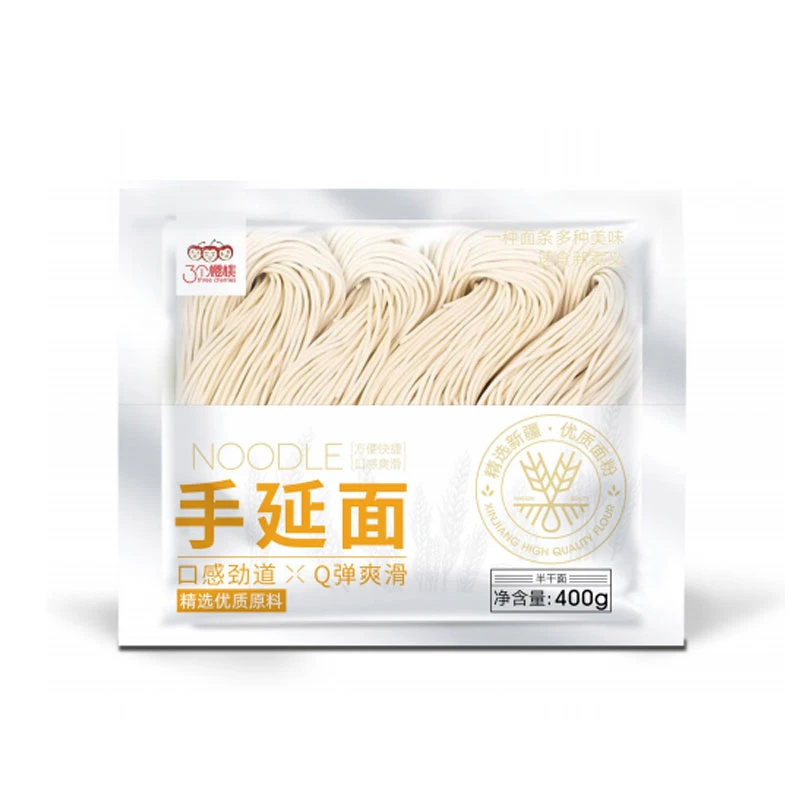

Asian Hand Pulled Noodles: Industrial Machines for Authentic Quality
Asian Hand Pulled Noodles: A Timeless Craft Meets Industrial Precision
Having spent more than a decade working in industrial equipment—mostly around food machinery and semi-dry noodle production—I've come to appreciate how much care and precision goes into products that seem simple at first glance. Take Asian hand pulled noodles, for example. Oddly enough, their artisanal origins don’t just give them a unique texture and taste; they also challenge industrial manufacturers to replicate that quality at scale in a way that food engineers and operators respect.
When you think about hand pulled noodles, you picture a master chef stretching dough with nimble fingers until long, delicate strands form. Translating that finesse into machinery—well, that has been a fascinating challenge the industry has tackled by combining traditional craftsmanship cues with modern semi-dry noodle processing technology. Frankly, the nuances in dough consistency and elasticity require quite a bit of expertise and equipment tuning. This isn’t just pasta — it’s art with an industrial edge.
Industrial Product Specs: What Makes a Good Hand Pulled Noodle Machine?
| Feature | Specification | Typical Range |
|---|---|---|
| Dough Capacity | 35–50 kg/hour | 30–60 kg/hour |
| Power Consumption | 3.5 kW | 2.5–5 kW |
| Noodle Thickness | 1.0–2.5 mm | 0.8–3 mm |
| Machine Weight | 220 kg | 180–300 kg |
| Dimensions (L×W×H) | 1.2m × 0.7m × 1.5m | 1.0–1.5m × 0.6–0.8m × 1.5–1.8m |
Now, you might wonder how these specifications really impact the final noodles. Well, in my experience, the dough’s hydration level and the machine’s precision in pulling the strands (to mimic those delicate hand stretches) make a big difference in the texture — chewy but not tough. Many engineers say it’s about balancing tight tolerances and flexibility to tweak parameters based on flour types and climate conditions — not always easy.
Comparing Leading Vendors: A Quick Look
| Brand | Dough Capacity | Customization | Price Range | After-Sales Support |
|---|---|---|---|---|
| JX Semi-Dry Noodles | 40 kg/h | High (settings, die shapes) | $$$ | Excellent, multilingual |
| Vendor B | 35 kg/h | Medium | $$ | Standard, local language |
| Vendor C | 50 kg/h | Low | $$$ | Basic, sporadic |
Speaking of customers, one operator I met recently shared how switching to a Asian hand pulled noodles machine helped them cut down on wastage and gave their product a more authentic feel that customers immediately noticed. It was refreshing to hear how the blend of tradition with modern equipment can impact sales—not just specs on paper.
Frankly, there’s a whole world behind those thin strands beyond the kitchen. As someone who has witnessed the evolution from purely manual to partially mechanized processes, I think the real magic lies in preserving the noodle’s character while scaling up production. That balance takes experience—both on the factory floor and in the recipe testing labs.
So, if you’re in the market for machinery that delivers that signature hand pulled quality with industrial consistency, focusing on refined semi-dry dough systems and vendors who understand that nuance makes all the difference.
References:
1. Industry reports on noodle production technology (2023)
2. Interviews with experienced equipment operators (2022–2024)
3. Technical specifications from leading noodle machine manufacturers
-
Discover the Authentic Taste of Korean Buckwheat NoodlesNewsApr.16,2026
-
Discover the Refreshing Taste of Authentic Korean Cold SobaNewsApr.09,2026
-
Discover the Refreshing Taste of Korean Cold Buckwheat Noodles NaengmyeonNewsApr.07,2026
-
Discover the Cool and Refreshing World of Korean Buckwheat Noodles ColdNewsApr.04,2026
-
Discover the Refreshing Taste of Japanese Cold Buckwheat Noodles and Zaru SobaNewsMar.31,2026
-
Exploring the Delicious World of Chinese Style Cold NoodlesNewsMar.28,2026
-
Discover the Cool and Refreshing World of Korean Cold Soba NoodlesNewsMar.26,2026
Browse qua the following product new the we