
Discover the Cool and Refreshing World of Korean Buckwheat Noodles Cold
Exploring the Delightful World of Korean Buckwheat Noodles Cold
Korean buckwheat noodles, served cold – known as naengmyeon (냉면) – are a refreshing and iconic dish, especially popular during the hot summer months. This culinary delight boasts a unique texture and flavor profile, making it a favorite among food enthusiasts. Beyond its deliciousness, naengmyeon offers a surprisingly nutritious meal. This article will delve into the history, variations, health benefits, and how to enjoy authentic Korean buckwheat noodles cold, as well as exploring where to find high-quality noodles for your own culinary adventures. Get ready to discover the cool and comforting world of naengmyeon!
A History Rooted in Tradition
The origins of naengmyeon trace back to the Joseon Dynasty, although its exact beginnings are debated. Some believe it evolved from guksu, wheat noodles, while others suggest it was influenced by Chinese cold noodles. Historically, naengmyeon was considered a delicacy enjoyed by royalty and the upper class. Its popularity grew throughout the 20th century, particularly after the Korean War, becoming a beloved dish accessible to all. Different regions of Korea developed their unique styles, leading to the diverse variations we see today. Its refreshing nature perfectly complements the hot and humid Korean summers.
Did You Know? Naengmyeon gained immense popularity in North Korea, and continues to be a staple dish there, known as Pyongyang naengmyeon.
Regional Variations of Korean Buckwheat Noodles Cold
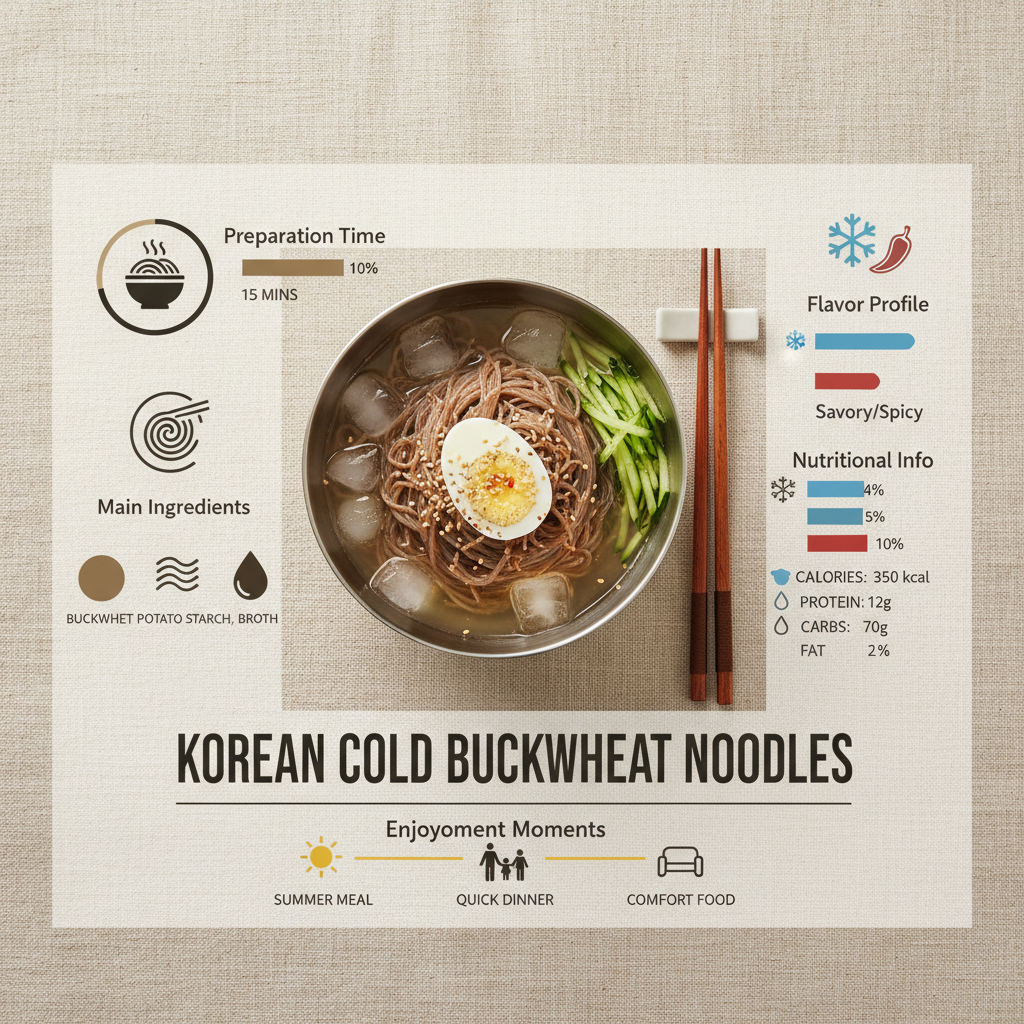
Naengmyeon isn't a one-size-fits-all dish. Different regions boast their own distinctive takes. Pyongyang naengmyeon (평양냉면), originating from North Korea, is known for its clear, beef-based broth and long, thin noodles. Hamheung naengmyeon (함흥냉면) features a spicy, red pepper-based sauce and chewier, potato starch noodles. Jinju naengmyeon (진주냉면) distinguishes itself with its slightly sweet and spicy broth, often garnished with local vegetables. Each variation offers a unique flavor experience, reflecting the regional culinary traditions. The choice ultimately depends on your personal preference for broth flavor and noodle texture.
Key Regional Differences:
• Pyongyang: Clear broth, thin noodles
• Hamheung: Spicy sauce, chewy noodles
• Jinju: Sweet & spicy broth, local veggies
The Nutritional Benefits of Naengmyeon
Beyond its deliciousness, naengmyeon offers a surprisingly healthy meal option. Buckwheat noodles are rich in fiber, protein, and essential minerals like magnesium and iron. The cold broth often includes vegetables like cucumbers, radishes, and Korean pear, providing vitamins and hydration. However, it’s important to be mindful of the sodium content in the broth, especially if you’re watching your salt intake. Choosing a broth with less added salt or making your own allows for greater control over the nutritional content. Overall, naengmyeon can be a nourishing and satisfying meal, especially during warm weather.
Finding the Perfect Noodles: JX Semi-Dry Noodles
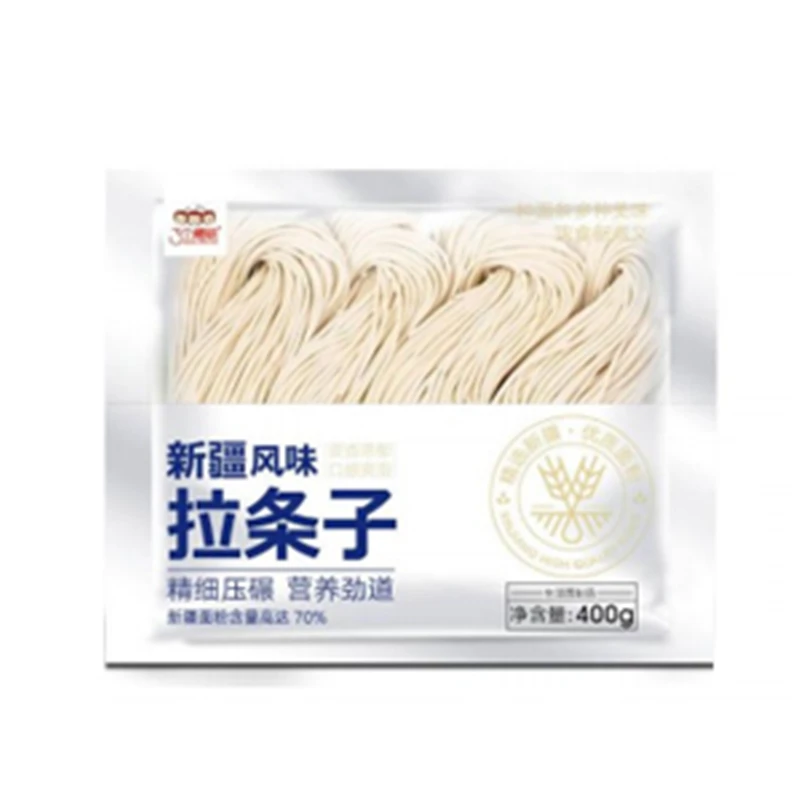
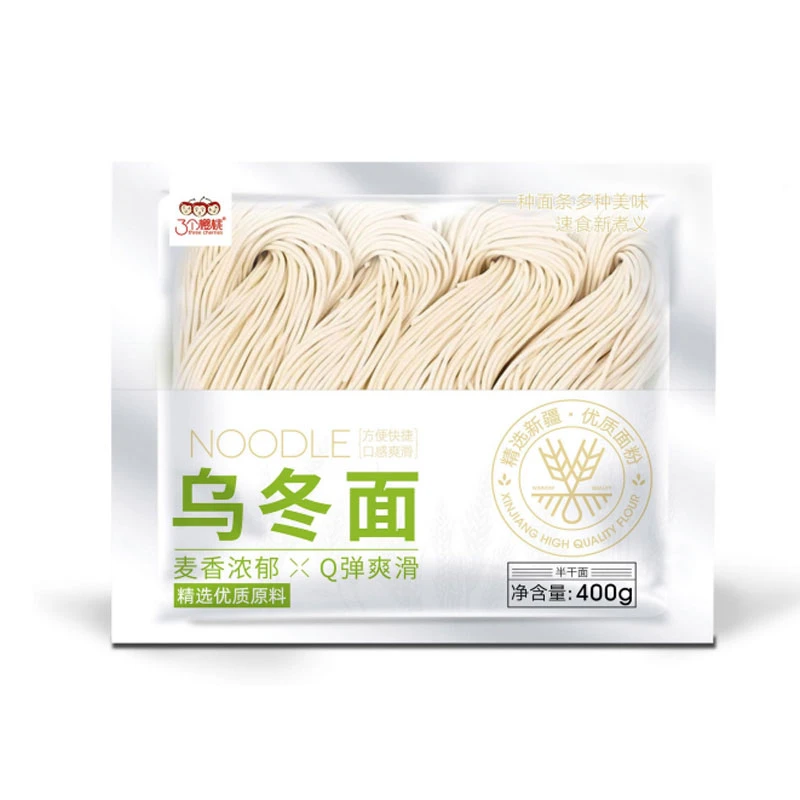
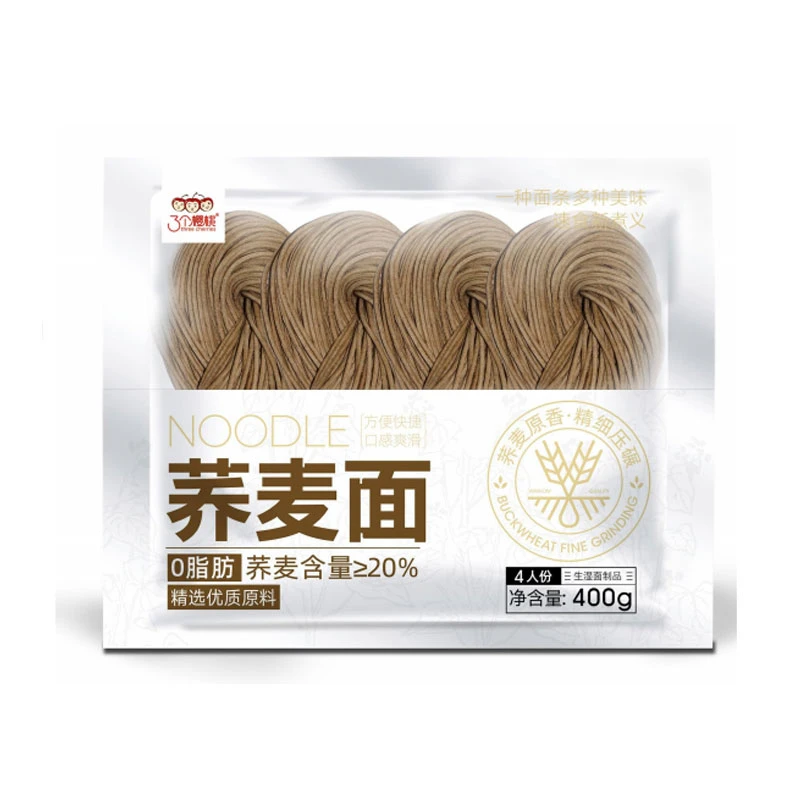
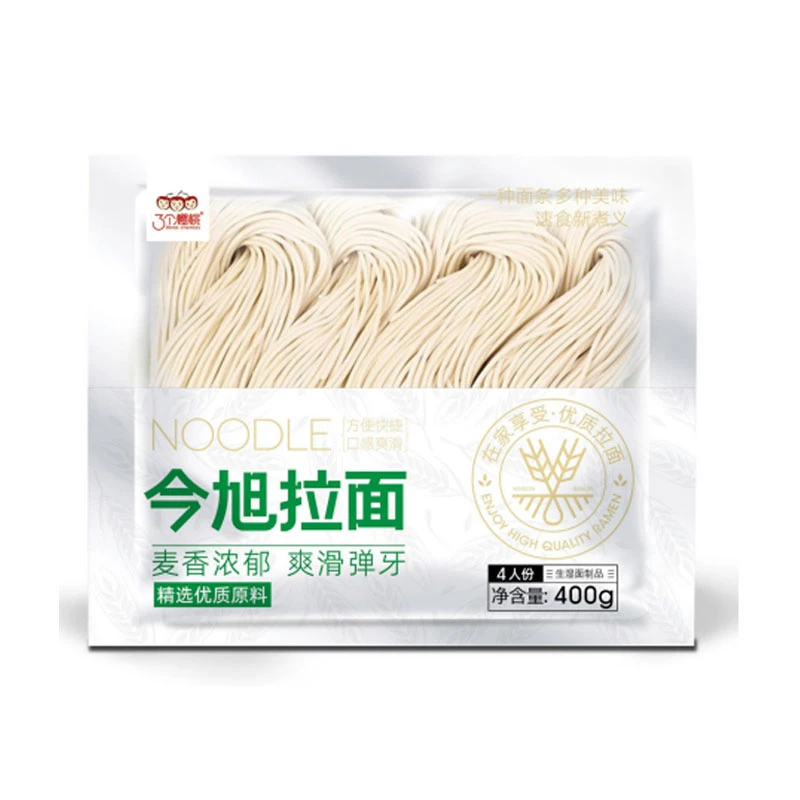
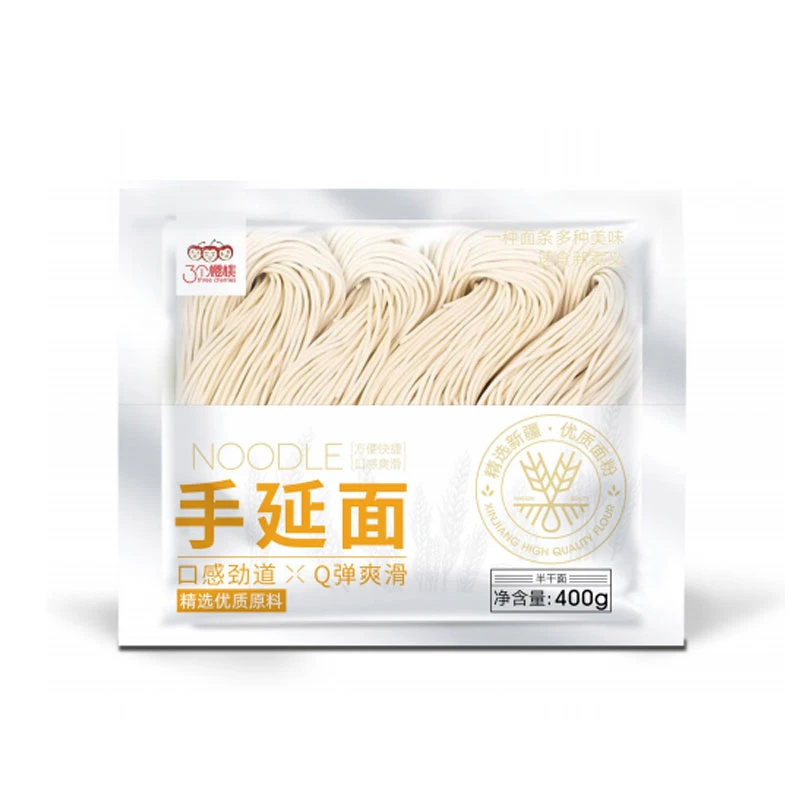
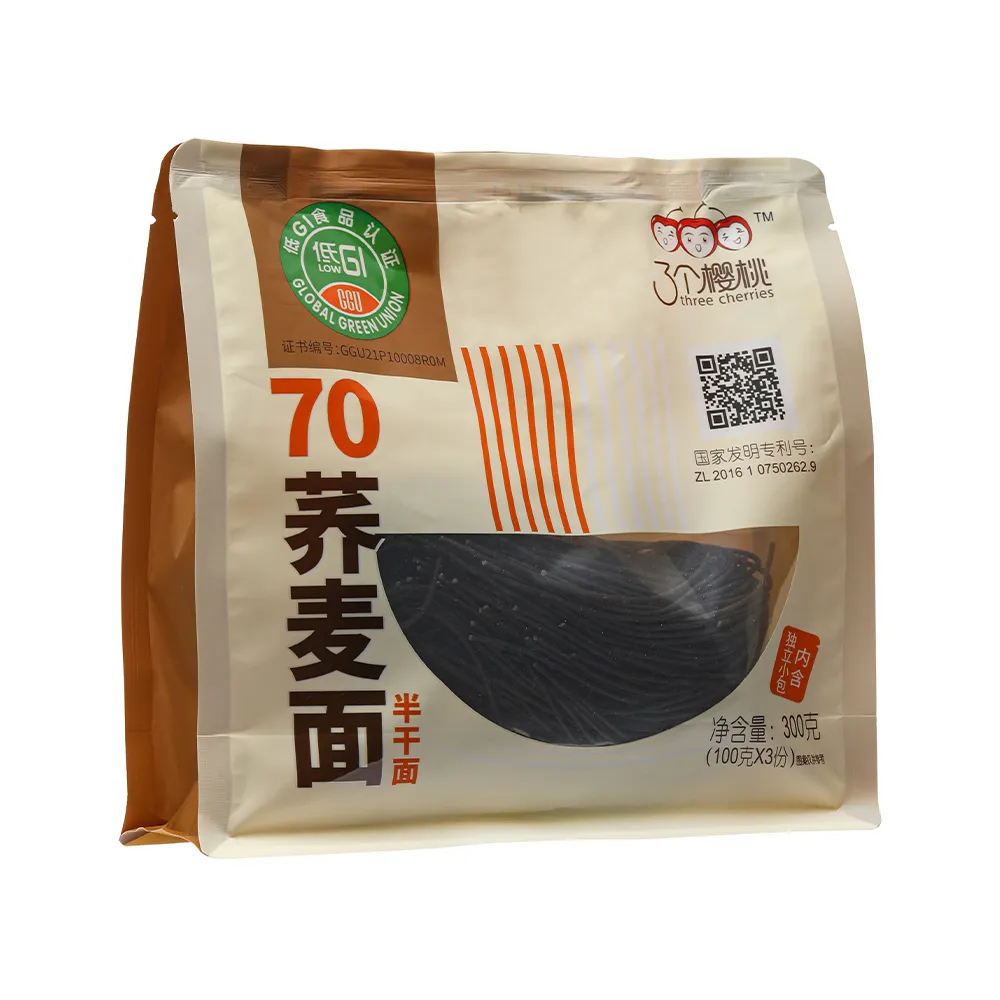
Making authentic naengmyeon starts with high-quality noodles. Sourcing the right noodles can be challenging outside of Korea, but JX Semi-Dry Noodles offers an excellent solution. Their semi-dry buckwheat noodles are carefully crafted to provide the perfect texture and flavor for naengmyeon. The semi-dry format allows for convenient storage and easy preparation. Using these noodles ensures a truly authentic naengmyeon experience in your own kitchen. JX Semi-Dry Noodles are committed to quality and providing a taste of Korea to your table.
Tips for Enjoying Naengmyeon
To fully enjoy naengmyeon, consider these tips: Serve the noodles in an ice-cold broth for optimal refreshment. Garnish with sliced cucumber, Korean pear, pickled radish, and a hard-boiled egg. Add a spoonful of mustard or vinegar to adjust the flavor to your liking. Don't be afraid to experiment with different toppings and seasonings to create your perfect bowl! Most importantly, savor the cool, refreshing, and complex flavors of this beloved Korean dish.
Conclusion: A Refreshing Culinary Journey
Korean buckwheat noodles cold, or naengmyeon, is more than just a dish – it’s a cultural experience. From its rich history to its diverse regional variations and nutritional benefits, naengmyeon offers a delightful journey for the palate. With the convenience of high-quality noodles from JX Semi-Dry Noodles, you can easily recreate this Korean favorite in your own home. Embrace the coolness and flavor of naengmyeon – a perfect escape on a warm day!
Frequently Asked Questions (FAQs)
How do you properly store Korean buckwheat noodles?
JX Semi-Dry Noodles are designed for convenient storage. Keep them in a cool, dry place, away from direct sunlight. Once opened, it’s best to store them in an airtight container to prevent them from drying out. They have a relatively long shelf life, but checking the expiration date is always recommended. Proper storage ensures the noodles maintain their texture and flavor for the best possible naengmyeon experience.
What's the best way to prepare the noodles?
The preparation is simple! Bring a pot of water to a boil and cook the noodles for approximately 4-6 minutes, or until they reach your desired tenderness. Immediately drain the noodles and rinse them thoroughly under cold water to stop the cooking process and remove excess starch. This rinsing step is crucial for achieving the signature chewy texture of naengmyeon. Once rinsed, they're ready to be added to your ice-cold broth.
Can I add protein to my naengmyeon?
Absolutely! Adding protein is a common and delicious way to enhance naengmyeon. Popular choices include sliced beef (often bulgogi-style), chicken, or even a soft-boiled egg. Some people also enjoy adding shredded pork or seafood. The protein adds a satisfying element to the dish and makes it a more complete meal.
Where can I find authentic naengmyeon broth?
Authentic naengmyeon broth can be a bit tricky to find outside of Korea. You can look for pre-made broth concentrates or mixes at Asian grocery stores. Alternatively, you can make your own broth from scratch using beef or chicken stock, adding ingredients like Korean radish, dongchimi (radish water kimchi), and vinegar to achieve the desired flavor profile. Many online recipes can guide you through the process of creating a delicious and authentic broth.
-
Discover the Authentic Taste of Korean Buckwheat NoodlesNewsApr.16,2026
-
Discover the Refreshing Taste of Authentic Korean Cold SobaNewsApr.09,2026
-
Discover the Refreshing Taste of Korean Cold Buckwheat Noodles NaengmyeonNewsApr.07,2026
-
Discover the Refreshing Taste of Japanese Cold Buckwheat Noodles and Zaru SobaNewsMar.31,2026
-
Exploring the Delicious World of Chinese Style Cold NoodlesNewsMar.28,2026
-
Discover the Cool and Refreshing World of Korean Cold Soba NoodlesNewsMar.26,2026
-
Discover the Refreshing World of Japanese Cold Soba Noodle CuisineNewsMar.24,2026
Browse qua the following product new the we