
Discover the Refreshing Taste of Authentic Korean Cold Soba
Discover the Refreshing Taste of Korean Cold Soba
When the summer heat becomes unbearable, there is nothing quite as rejuvenating as a bowl of korean cold soba. This delightful dish combines the nutty essence of buckwheat with a chilled, savory broth, creating a culinary experience that is both light and satisfying. Whether you are a restaurant owner looking to diversify your menu or a food enthusiast seeking an authentic taste of Korea, understanding the nuances of this dish is key. In this guide, we will explore everything from the essential ingredients to the professional secrets of achieving the perfect noodle texture, ensuring every bite is a refreshing journey.
The Unique Appeal of Korean Cold Soba
Unlike its Japanese counterpart, korean cold soba often incorporates distinct local flavors and presentation styles. The core of the dish lies in the buckwheat noodles, which are prized for their earthy flavor and health benefits. Koreans typically enjoy this dish with a mix of soy-based chilled broth, often enhanced with a touch of vinegar and sugar for a balanced sweet-and-sour profile. The contrast between the ice-cold temperature of the soup and the hearty texture of the noodles makes it a staple for wellness and appetite stimulation during the humid months of July and August.
Pro Tip: To achieve the most authentic experience, rinse the noodles under ice-cold running water immediately after boiling. This removes excess starch and creates the signature "chewy" (K-style) texture.
Essential Ingredients for Authentic Korean Cold Soba
To create a professional-grade korean cold soba, the quality of your buckwheat noodles is non-negotiable. High-quality semi-dry or dry buckwheat noodles provide the necessary structural integrity so they don't become mushy in the cold broth. Beyond the noodles, the garnishes play a vital role in adding layers of flavor and color. Sliced cucumbers provide a crisp crunch, while shredded nori (seaweed) adds an umami depth. Many also add a soft-boiled egg and sliced scallions to round out the nutritional profile, making the meal a complete and healthy option.
Must-Have Toppings:
• Freshly sliced Korean cucumber (Oi)
• Toasted sesame seeds for aromatic finish
• Shredded Nori for salty contrast
• Grated Daikon radish for a refreshing zing
Korean Cold Soba vs. Traditional Zaru Soba
While both dishes share a buckwheat foundation, the experience of eating korean cold soba is distinctly different from the Japanese Zaru Soba. The primary difference lies in the serving method and the flavor profile of the dipping sauce. Korean versions often lean more toward a "soup" style where noodles are submerged in a larger bowl of chilled broth, whereas Zaru Soba focuses on a concentrated dip. Furthermore, the Korean palate often incorporates more pungent aromatics and a slightly different balance of acidity.
Preparing the Perfect Korean Cold Soba
The secret to a restaurant-quality korean cold soba lies in the preparation process. First, the buckwheat noodles are boiled just until they are al dente. Overcooking is the biggest enemy of cold noodles, as they can become sticky. Immediately after draining, the noodles must be shocked in an ice bath. This process stops the cooking and tightens the gluten structure. The broth is typically prepared by simmering soy sauce, mirin, and sugar, then chilled for several hours. Adding ice cubes directly into the serving bowl keeps the temperature consistent from the first slurp to the last.
Product Specifications for Commercial Soba Noodles
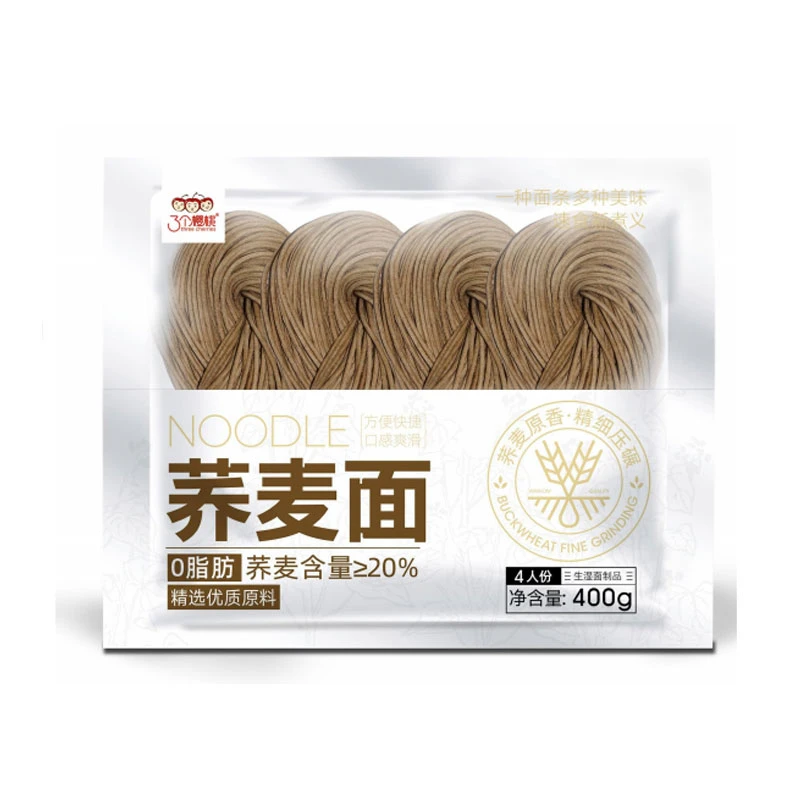
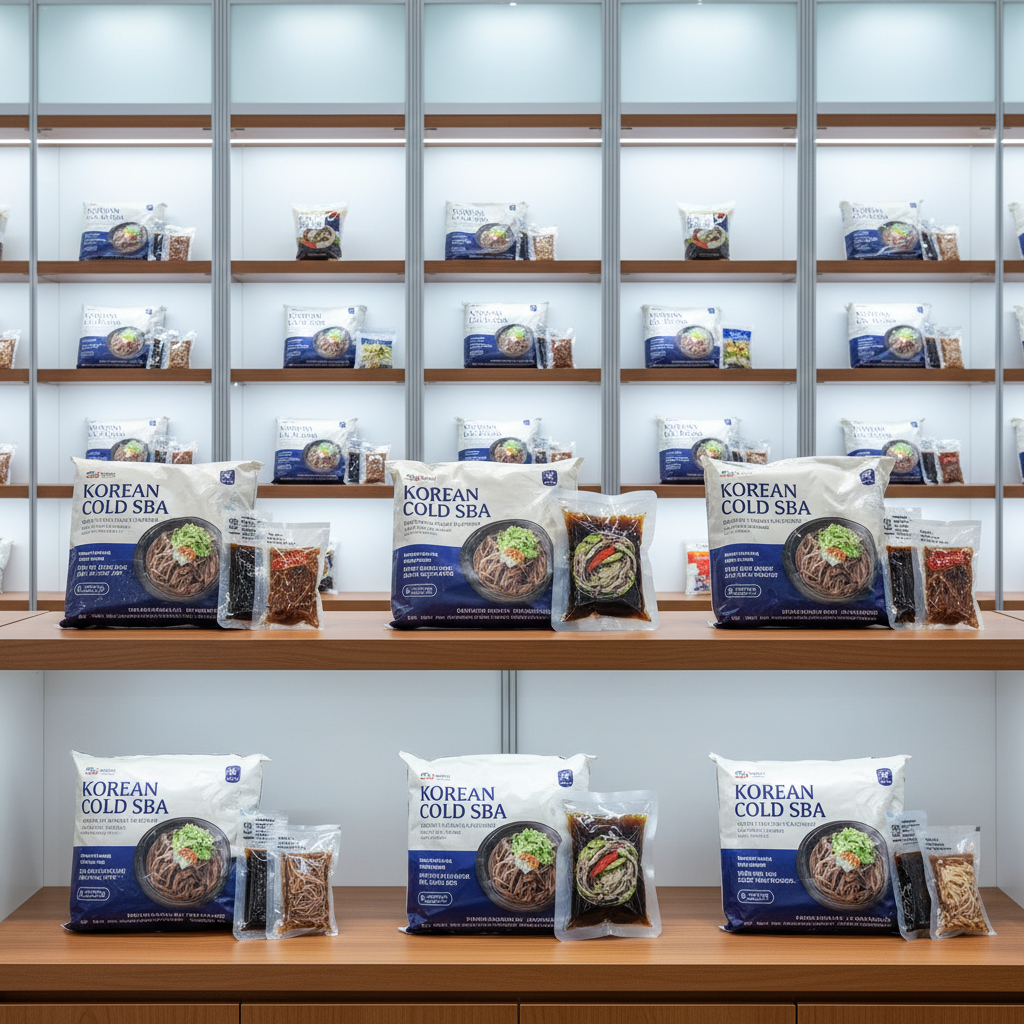
For businesses integrating korean cold soba into their menu, sourcing the right noodle specification is critical for consistency and cost-control. We provide a variety of buckwheat blends that offer the ideal balance between traditional flavor and industrial durability. Our noodles are designed to withstand the freezing process of the broth without losing their signature texture, making them perfect for high-volume kitchens.
Conclusion: Elevate Your Menu with Korean Cold Soba
The allure of korean cold soba lies in its simplicity and its ability to provide instant relief during the hottest days of the year. By focusing on high-quality buckwheat noodles, a perfectly chilled broth, and fresh garnishes, anyone can recreate this authentic Korean delicacy. For businesses, offering a high-standard cold noodle dish is a strategic way to attract health-conscious consumers and seasonal diners. Invest in the right ingredients and master the cooling technique to bring the refreshing spirit of Korea to your table.
Frequently Asked Questions (FAQs)
What is the best type of noodle for Korean cold soba?
The best noodles for this dish are buckwheat noodles, specifically those with a balanced ratio of buckwheat flour and wheat flour. Pure buckwheat noodles can be fragile and break easily, especially when handled in large commercial batches. A blend (typically 30% to 70% buckwheat) provides the earthy flavor characteristic of soba while maintaining the "chewiness" and elasticity required for the cold serving style. You can find professional-grade options at JX Semi Dry Noodles.
How do I prevent the noodles from sticking together?
Preventing clumping is the most critical part of preparing korean cold soba. The key is "shocking" the noodles. As soon as the cooking time is up, drain the noodles and immediately plunge them into a bowl of ice water. Rub the noodles gently with your hands under the cold water to wash away the surface starch, which is the "glue" that causes them to stick. Once they are completely cold and slippery, they can be portioned into nests and will remain separate until served.
Can this dish be made vegetarian or vegan?
Yes, korean cold soba is very easy to adapt for vegetarian or vegan diets. The primary concern is the broth, which sometimes contains fish-based dashi. To make it vegan, simply replace the fish stock with a kombu (kelp) broth or a mushroom-based stock. Ensure the soy sauce used is naturally brewed and free of animal additives. Replace the boiled egg garnish with avocado slices or extra tofu for a protein-rich, plant-based alternative that retains the refreshing essence of the dish.
Is buckwheat healthy for everyone?
Buckwheat is generally very healthy, as it is gluten-free (in its pure form), rich in fiber, and contains rutin, which supports heart health. However, it is important to note that some people have specific allergies to buckwheat. For those with severe gluten allergies, you must ensure the soba noodles are 100% buckwheat, as many commercial "soba" blends contain wheat flour to improve the texture. Always check the product specifications on the official website to confirm the ingredient list.
-
Discover the Authentic Taste of Korean Buckwheat NoodlesNewsApr.16,2026
-
Discover the Refreshing Taste of Korean Cold Buckwheat Noodles NaengmyeonNewsApr.07,2026
-
Discover the Cool and Refreshing World of Korean Buckwheat Noodles ColdNewsApr.04,2026
-
Discover the Refreshing Taste of Japanese Cold Buckwheat Noodles and Zaru SobaNewsMar.31,2026
-
Exploring the Delicious World of Chinese Style Cold NoodlesNewsMar.28,2026
-
Discover the Cool and Refreshing World of Korean Cold Soba NoodlesNewsMar.26,2026
-
Discover the Refreshing World of Japanese Cold Soba Noodle CuisineNewsMar.24,2026
Browse qua the following product new the we